What to See on a Boat Cruise on Lake Victoria
March 11, 2026
Chimpanzee Viewing Safaris in Uganda: A Journey to Ngamba Island
March 11, 2026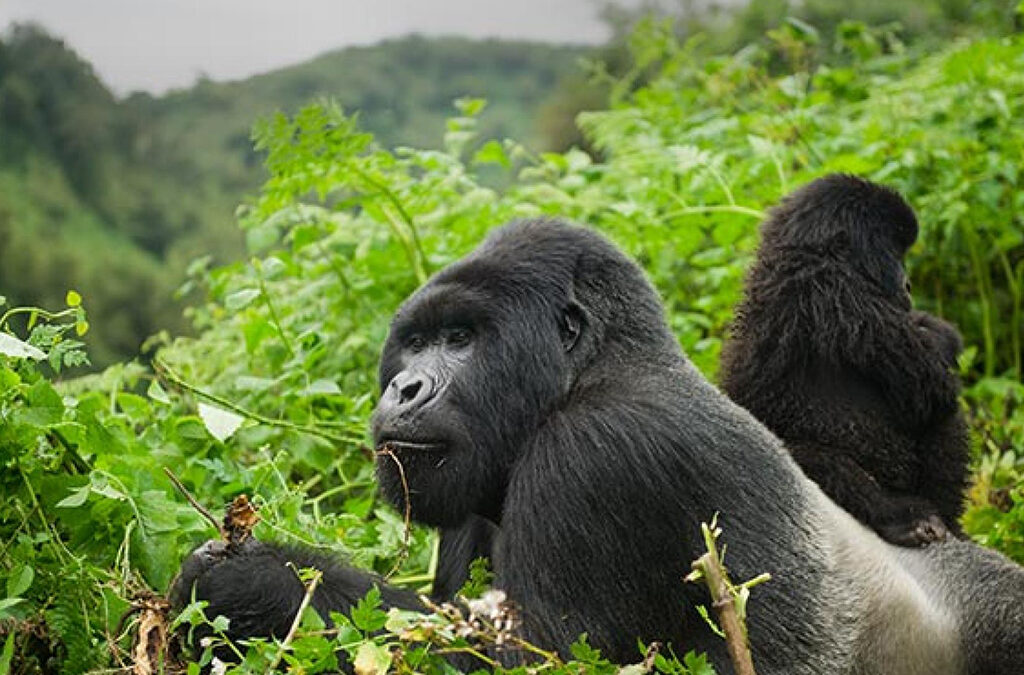
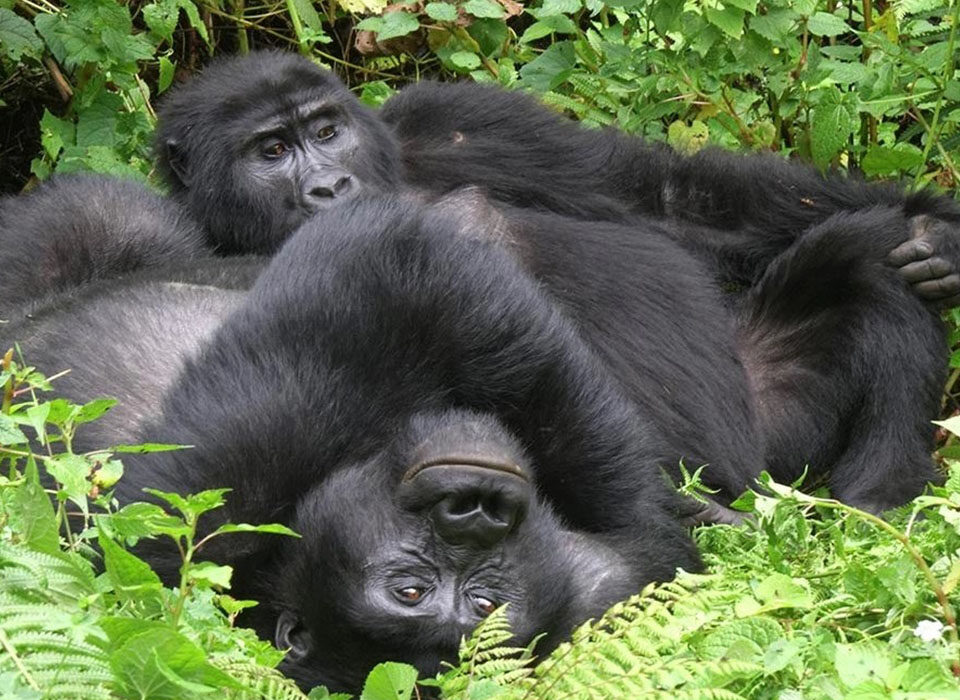
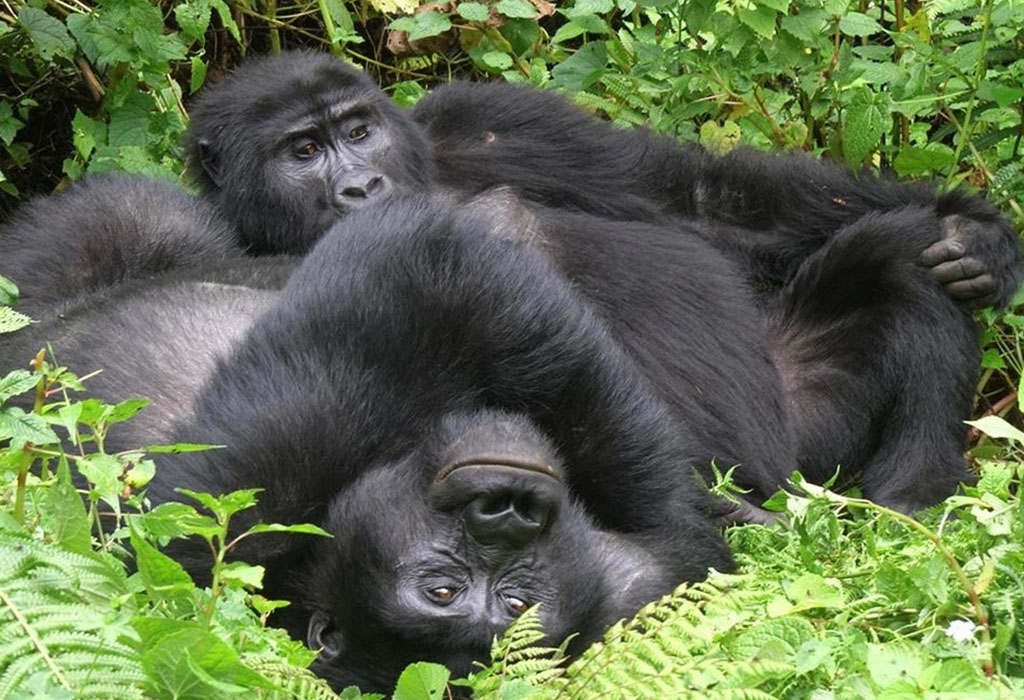
Rwanda, often referred to as the “Land of a Thousand Hills,” is home to one of the world’s most extraordinary wildlife treasures: the mountain gorillas. These majestic creatures, with their gentle demeanor and powerful presence, attract thousands of tourists each year.
However, many visitors are often surprised by the high cost of gorilla permits. As of recent years, Rwanda’s permits have become some of the most expensive in the world, sparking questions about what justifies the price. To understand this, it is essential to consider how these permits support conservation, sustainable tourism, and local communities.
Let’s explore why Rwanda’s gorilla permits are so costly and why they are a valuable investment for the future of both gorillas and people.
The Role of Conservation
Rwanda is one of the few countries where mountain gorillas still roam in the wild—and their survival is no accident. In the 1980s, there were fewer than 250 mountain gorillas worldwide, most of them in the Virunga Mountains, which straddle Rwanda, Uganda, and the Democratic Republic of Congo.
The Rwandan government, in collaboration with conservation organizations, established the Rwanda Development Board (RDB) and launched a range of initiatives to protect these gorillas. These initiatives include anti-poaching patrols, veterinary care, and educating local communities on the importance of conservation.
Today, the mountain gorilla population has slowly recovered to over 1,000. This remarkable success comes with a significant cost. Protecting gorillas involves monitoring each known group, ensuring they remain safe from poachers and disease, and maintaining their natural habitat free from human encroachment.
Revenue from gorilla permits directly funds these conservation programs. Without tourism income, sustaining such intensive protection would be nearly impossible. High permit prices ensure that anti-poaching patrols, habitat preservation, and ongoing research can continue effectively.
Benefits to Local Communities
Gorilla conservation in Rwanda has also positively impacted local communities. Permit revenue is reinvested into infrastructure, healthcare, education, and community development projects. This creates a cycle where both people and gorillas thrive together.
The high cost of permits reflects the tangible benefits that local communities receive. Residents near Volcanoes National Park, home to most gorillas, now enjoy improved roads, schools, and healthcare facilities thanks to tourism revenue.
Rwanda’s tourism model prioritizes environmental and social sustainability. Local guides, porters, and trackers lead tourists through the forest, providing employment and a steady income for families that once relied solely on subsistence farming.
Limited Access Equals Higher Value
Another factor contributing to the high cost of gorilla permits is the limited access to the gorillas. Volcanoes National Park hosts a small number of gorilla families, and only a few visitors are allowed to see them each day.
To minimize disturbance, the RDB caps permits at 96 per day. This ensures that gorillas are not stressed or exposed to diseases from excessive human interaction. A smaller number of tourists also allows for a more intimate and personal experience with these incredible animals.
Exclusivity naturally increases the value of permits. Tourists who pay for this privilege are directly contributing to the long-term survival and protection of the species.
The Role of Luxury Tourism
Rwanda has positioned itself as a luxury travel destination, offering high-end experiences for tourists. Gorilla trekking has become a bucket-list adventure, and the high cost of permits aligns with this exclusive experience.
In addition to permits, visiting Rwanda often includes stays in luxury lodges, gourmet meals, and private guides. This model attracts high-spending tourists while minimizing the environmental impact of mass tourism. By maintaining a small, high-quality tourism sector, Rwanda ensures economic benefits are significant and sustainable.
For visitors, the high price of permits is about more than money it’s about an unparalleled experience. Standing a few feet away from a silverback gorilla in the misty forests of the Virungas is a moment that few other wildlife encounters can rival.
A Global Responsibility
Expensive gorilla permits also reflect a broader global responsibility. Tourists are not just buying access they are investing in the survival of an endangered species and the protection of its habitat.
Supporting Rwanda’s model of sustainable tourism helps conserve nature while uplifting local communities. Mountain gorillas symbolize resilience and hope, and preserving them demonstrates what can be achieved when humans prioritize coexistence with wildlife.
Conclusion: Worth Every Penny
Rwanda’s gorilla permits are more than just a cost they are an investment in the future. Revenue supports gorilla conservation, habitat protection, and community development, ensuring both wildlife and people benefit.
For those fortunate enough to secure a permit, seeing mountain gorillas in the wild is a rare, transformative experience worth every penny. By purchasing a permit, you are not only contributing to conservation but participating in a movement that values both nature and humanity, helping secure a better future for generations to come.