

Why Plan Your Honeymoon Holiday with Experiya Tour Company
March 7, 2026
Fascinating Facts About the Shoebill
March 7, 2026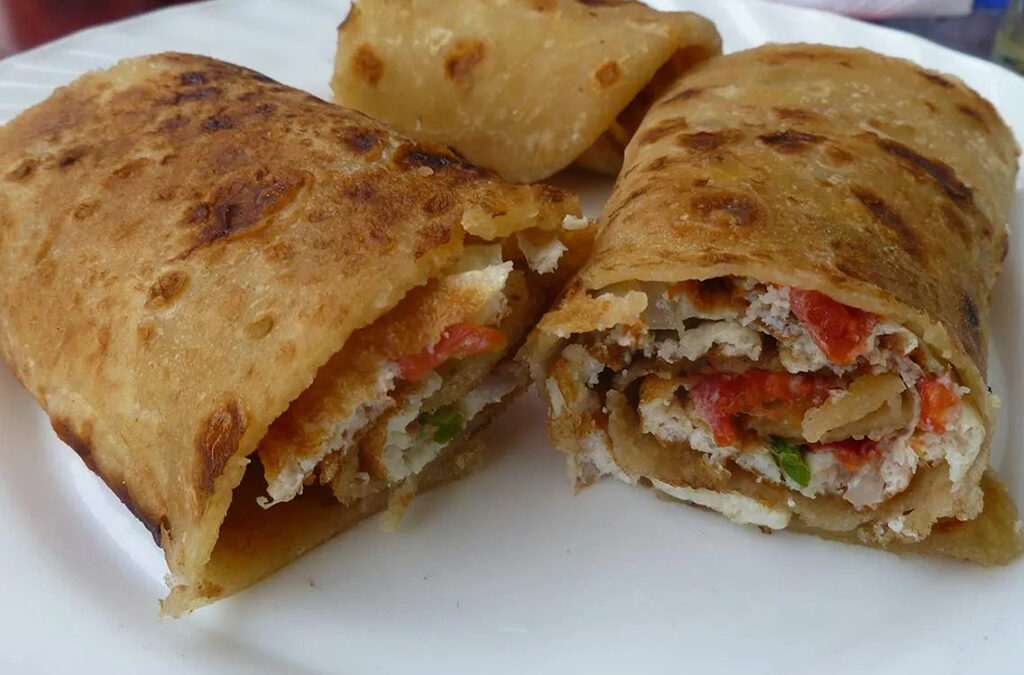
Uganda is not only famous for its breathtaking wildlife and spectacular landscapes; it also boasts a vibrant and flavorful culinary culture that visitors quickly fall in love with. Ugandan cuisine blends traditional African ingredients with influences from Arab, Asian, and European cultures, reflecting the country’s rich and diverse heritage.
In addition, most Ugandan dishes are hearty, nourishing, and full of natural flavors. Meals are often enjoyed in a communal setting, which reflects the country’s strong tradition of hospitality and togetherness.
If you are exploring Uganda on safari, tasting local food is an essential part of the experience. Below are some of the most delicious Ugandan dishes every traveler should try.
Matoke (Matooke, Ibitoke, or Iboshashi)
Matoke is one of the most traditional and beloved dishes in Uganda. It holds a special place in Ugandan culture, particularly among the Baganda people of central Uganda.
The dish is prepared using green, starchy bananas that grow abundantly across the region. Cooks usually steam or boil the bananas until they become soft and tender, giving matoke its signature smooth texture and mild flavor.
To prepare the dish, chefs first sauté onions, tomatoes, and sometimes bell peppers in oil or ghee. They then add slices or chunks of matoke along with a little water. The mixture cooks slowly over low heat, allowing the bananas to soften while absorbing the flavors.
In many homes, cooks enrich the dish by adding groundnut sauce, beef, chicken, or local spices. As a result, matoke becomes a comforting meal often served with beans, stews, or meat dishes.
Sharing a plate of matoke in a traditional Ugandan setting offers visitors a genuine taste of local hospitality.
Luwombo (Oluwombo or Olubombo)
Luwombo is widely regarded as one of Uganda’s most iconic dishes. Historians trace its origins to the Buganda Kingdom in the early 20th century, when it was first prepared for the Kabaka (king).
Today, Ugandans commonly prepare luwombo during celebrations, family gatherings, and special occasions.
The preparation method makes the dish unique. Cooks prepare a rich stew using chicken, beef, goat, or fish combined with groundnut paste, vegetables, and local spices. Some variations also include mushrooms.
First, the meat or fish is lightly browned. Next, chefs prepare a flavorful sauce with tomatoes, onions, vegetables, and groundnut paste. They then mix the sauce with the meat before wrapping everything carefully in banana leaves.
The wrapped bundles are placed in a pot with a small amount of water and steamed slowly. As the dish cooks, the banana leaves release a subtle aroma that enhances the flavor.
Luwombo is typically served with matoke, rice, or posho. Its creamy texture and rich taste make it a must-try Ugandan delicacy.
Rolex (Uganda’s Famous Street Food)
Despite the name, this Rolex has nothing to do with luxury watches. Instead, it is one of Uganda’s most popular and affordable street foods.
The name “Rolex” comes from the phrase “rolled eggs.” Vendors prepare it by rolling a freshly cooked omelette inside a chapati, a soft flatbread similar to a roti.
The omelette usually contains eggs mixed with tomatoes, onions, and bell peppers. Some vendors also add cabbage, grated carrots, or spicy bird’s eye chilies for extra flavor.
First, the chapati cooks on a hot pan until slightly crispy. Meanwhile, the vendor prepares the vegetable omelette in another pan. Once the omelette is ready, it is placed on the chapati and rolled tightly.
As a result, the Rolex becomes a quick, filling, and delicious snack enjoyed by both locals and visitors throughout Uganda.
Posho (Ugali)
Posho, also known as ugali in other parts of East Africa, is a staple food in Uganda. Made from maize flour, it provides a major source of carbohydrates for many households.
To prepare posho, cooks boil water in a pot and gradually add maize flour while stirring continuously with a long wooden stick called a mwiko or ewuufu. This process prevents lumps from forming and creates a thick, firm consistency.
After cooking, people usually shape posho into small portions using their hands. They then dip it into a variety of accompaniments such as:
- Bean stews
- Vegetable sauces
- Fish dishes
- Meat stews
- Groundnut sauce
Because posho has a mild flavor, it pairs perfectly with Uganda’s rich and savory sauces.
Groundnut Sauce (Binyebwa)
Groundnut sauce is one of the most beloved sauces in Ugandan cuisine. Made from peanuts, it has a creamy texture and a rich, nutty flavor.
Cooks first roast shelled groundnuts until they turn golden brown. They then grind them into a smooth paste.
To prepare the sauce, onions and tomatoes are sautéed in cooking oil before adding the groundnut paste. The mixture simmers slowly until it thickens into a rich sauce.
Many variations include garlic, chilies, vegetables, paprika, or other local spices. This versatile sauce is commonly served with matoke, rice, yams, or posho.
In many Ugandan homes, groundnut sauce appears during family meals, celebrations, and social gatherings.
Nsenene (Crispy Fried Grasshoppers)
Nsenene is a famous seasonal delicacy in Uganda and a favorite snack among many locals.
Despite often being called grasshoppers, these insects are actually edible bush crickets known scientifically as Ruspolia differens. They usually appear in large numbers during the rainy seasons, particularly in November and April.
To prepare nsenene, people first remove the wings, legs, and heads. After washing them thoroughly, the insects are briefly blanched in salted water and then fried in their own natural oils until they become crispy and golden.
Sometimes cooks add onions or chilies for extra flavor.
Thanks to their crunchy texture and nutty taste, nsenene has become a popular snack across Uganda. In addition, harvesting and selling them provides an important source of income for many communities.
Malakwang (Malakwan)
Malakwang is a traditional vegetable dish popular in northern Uganda. It is prepared using the leaves of the malakwang plant, which have a naturally tangy flavor.
Cooks usually combine the leaves with groundnut paste or sesame (simsim) paste, creating a rich and slightly sour sauce.
First, the leaves are washed thoroughly and briefly boiled. Next, onions and tomatoes are sautéed before adding the groundnut or sesame paste.
Once the sauce becomes smooth, the pre-boiled leaves are added and simmered until the dish is ready.
Malakwang is typically served with posho, millet bread, or rice. Although it can accompany meat or fish, many people enjoy it as a vegetarian dish.
Katogo (Akatogo)
Katogo is a popular Ugandan breakfast dish, especially in and around Kampala. The name comes from the Luganda word “kutogola,” which means “to mix.”
The dish usually combines fried plantains with vegetables and boiled beans. Because of its high energy content, katogo is a perfect meal to start the day.
To prepare it, cooks first peel and chop the plantains. They sauté onions in oil before adding the plantain pieces and frying them until golden brown.
Next, they add beans and season the mixture with spices such as chili, pepper, curry powder, or paprika. Some variations also include groundnut sauce, meat, or fish.
Katogo is best served hot and often enjoyed with a cup of tea or freshly brewed Ugandan coffee.
Experience Uganda’s Cuisine on Your Safari
Exploring Uganda’s local cuisine adds a rich cultural dimension to any safari adventure. From hearty traditional meals like matoke and luwombo to quick street snacks like the famous Rolex, every dish tells a story about the country’s people, traditions, and landscapes.
At Experiya Tour Company, we encourage travelers to immerse themselves fully in Uganda’s culture not only through wildlife experiences like gorilla trekking but also through its incredible food.
Whether you are sampling street food in Kampala, sharing a traditional meal in a village, or enjoying a delicious dish at a safari lodge, Uganda’s cuisine will leave you with unforgettable flavors and lasting memories.
