
African Safari Adventures for Wildlife Lovers
March 6, 2026
Why Most Visitors Prefer Bwindi Over Mgahinga for Gorilla Trekking
March 7, 2026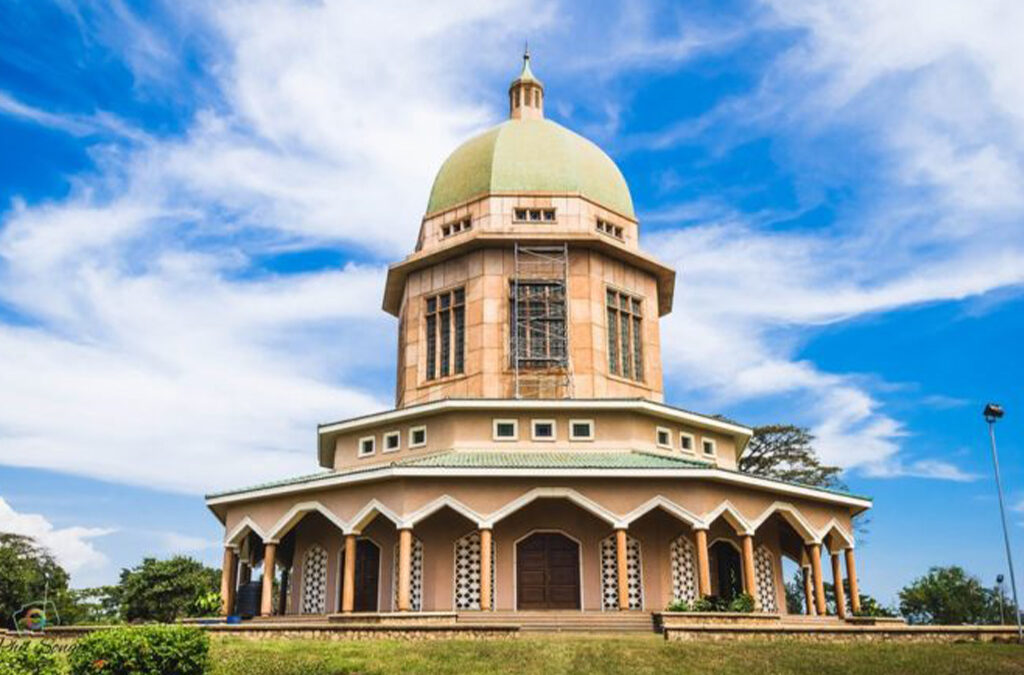
Uganda is widely known for its breathtaking wildlife, lush landscapes, and unforgettable safari experiences. However, beyond its famous national parks and wildlife reserves, the country also holds a deep and fascinating spiritual heritage. As a result, religious tourism in Uganda attracts thousands of pilgrims, historians, and cultural travelers every year.
Visitors exploring Uganda’s religious sites embark on an enriching journey through sacred landmarks, historic churches, impressive mosques, and traditional spiritual sites. Together, these locations reflect the nation’s diverse faith traditions and its long spiritual history.
From Christian pilgrimage centers to Islamic landmarks and indigenous spiritual sites, Uganda offers meaningful opportunities for travelers seeking reflection, cultural understanding, and spiritual discovery. Through carefully guided experiences organized by Experiya Tour Company, visitors can explore these sacred places while learning about the powerful stories behind them.
The Religious Landscape of Uganda
Uganda’s religious identity is both diverse and deeply rooted in history. Today, Christianity and Islam dominate the religious landscape, while indigenous African beliefs continue to influence cultural traditions and spiritual practices across the country.
Because of this diversity, religious tourism in Uganda allows visitors to witness a remarkable blend of faiths coexisting peacefully. In many communities, churches, mosques, temples, and traditional shrines stand close to one another. This unique coexistence reflects Uganda’s strong culture of religious tolerance, unity, and harmony.
Moreover, religion in Uganda extends far beyond places of worship. It shapes everyday life, community values, cultural ceremonies, and national identity. Consequently, travelers who explore Uganda’s spiritual destinations gain a deeper understanding of how faith continues to guide social life across the country.
Christianity in Uganda: A Powerful Historical Influence
Christianity plays a central role in Uganda’s religious life today. European missionaries introduced the religion in the late 19th century, and it quickly spread throughout the region.
Over time, different Christian denominations took root across the country. Today, Roman Catholicism, Anglicanism, and Pentecostal churches form the largest Christian communities in Uganda.
One of the most defining moments in Uganda’s Christian history occurred in 1886 during the reign of King Mwanga II of the Buganda Kingdom. At that time, twenty-two young Christian converts refused to renounce their faith despite immense pressure.
Because of their steadfast belief, the king ordered their execution. Although the event was tragic, it became a powerful symbol of faith and courage.
These believers later became known as the Uganda Martyrs, and their sacrifice remains one of the most powerful stories of Christian devotion in Africa. Today, their legacy continues to inspire millions of pilgrims who travel to Uganda every year to honor their courage and unwavering faith.
Islam in Uganda: A Longstanding Muslim Heritage
While Christianity arrived through European missionaries, Islam reached Uganda earlier through Arab and Swahili traders during the 19th century.
These traders introduced Islamic beliefs along major trade routes, particularly in central and eastern Uganda. Gradually, Muslim communities began to grow and establish mosques, religious schools, and cultural institutions across the region.
Today, Muslims represent a significant portion of Uganda’s population, and Islamic traditions continue to influence many aspects of social and spiritual life.
Visitors interested in religious tourism in Uganda can explore beautiful mosques, vibrant Muslim communities, and fascinating stories about the spread of Islam throughout East Africa. In addition, many mosques welcome visitors who wish to learn about Islamic architecture, prayer traditions, and community life.
Indigenous African Religions and Traditional Beliefs
Long before the arrival of Christianity and Islam, Uganda’s communities practiced indigenous African religions deeply connected to nature, ancestral spirits, and sacred rituals.
These traditional belief systems emphasized harmony with the environment, respect for ancestors, and spiritual guidance from elders and traditional healers.
Although many Ugandans now follow Christianity or Islam, traditional beliefs still influence cultural ceremonies, healing practices, and community traditions in many rural areas.
For instance, sacred forests, waterfalls, and shrines remain important spiritual locations where rituals and prayers continue today. As a result, exploring these traditions allows travelers to better understand Uganda’s ancient spiritual worldview and cultural identity.
Major Religious Sites to Visit in Uganda
Uganda is home to several remarkable religious landmarks that attract pilgrims, historians, and cultural travelers from around the world. Each site carries a unique story that reflects the country’s spiritual heritage.
Uganda Martyrs Shrine, Namugongo
The Uganda Martyrs Shrine in Namugongo is the most famous Christian pilgrimage site in the country. Built to honor the 22 martyrs executed in 1886, the shrine symbolizes faith, sacrifice, and religious freedom.
Every year on June 3rd, millions of pilgrims gather here to commemorate Uganda Martyrs Day. During this powerful event, believers walk long distances to the shrine, participate in prayer services, and celebrate the courage of the martyrs.
Because of its inspiring history and peaceful atmosphere, Namugongo remains one of the most meaningful spiritual destinations in East Africa.
Gaddafi National Mosque, Kampala
Located on Old Kampala Hill, the Gaddafi National Mosque is the largest mosque in Uganda and one of the most impressive Islamic landmarks in East Africa.
Its magnificent architecture features a large prayer hall, beautiful domes, and a towering minaret. Visitors can climb the minaret for breathtaking panoramic views of Kampala city.
Furthermore, guided tours allow travelers to learn about Islamic traditions, religious practices, and the mosque’s fascinating history.
Namirembe Cathedral, Kampala
Perched on Namirembe Hill, Namirembe Cathedral holds the distinction of being the oldest Anglican cathedral in Uganda.
Over the years, the cathedral has played a vital role in spreading Christianity throughout the country. Today, it serves as the seat of the Anglican Church of Uganda.
In addition to its historical importance, the cathedral’s red-brick architecture, peaceful gardens, and scenic hilltop views create a calm and reflective environment for visitors.
Catholic Shrine of the Uganda Martyrs, Munyonyo
The Catholic Shrine of the Uganda Martyrs in Munyonyo marks another important site connected to the martyrdom story.
Historically, several martyrs were imprisoned and sentenced at this location before being taken to Namugongo for execution. Today, the shrine serves as a place of prayer, remembrance, and pilgrimage.
Its peaceful lakeside surroundings and modern basilica design make it both spiritually significant and visually impressive.
Nakasero Mosque, Kampala
Situated in the heart of Kampala, Nakasero Mosque remains an important center for Islamic worship and community activities.
The mosque regularly hosts prayers, religious teachings, and social gatherings. Visitors interested in Islamic culture can observe daily prayer traditions and learn about the important role mosques play in Muslim communities.
Bahá’í House of Worship, Kampala
The Bahá’í House of Worship in Kampala is one of the most unique religious landmarks in East Africa. Notably, it is the only Bahá’í temple on the African continent.
Located on Kikaya Hill, the temple represents the Bahá’í faith’s core principles of unity, peace, and the oneness of humanity.
Surrounded by beautifully landscaped gardens, the temple offers a tranquil environment where people of all faiths are welcome to pray, meditate, and reflect.
Shrine of Our Lady of Africa, Rubaga Hill
Near Rubaga Cathedral, the Shrine of Our Lady of Africa stands as an important Catholic pilgrimage site dedicated to the Virgin Mary.
Pilgrims frequently visit the shrine to attend mass, offer prayers, and spend quiet moments of reflection. Additionally, the hilltop location provides beautiful views of Kampala city, creating a peaceful spiritual setting.
Religious Festivals and Pilgrimages in Uganda
Religious tourism in Uganda becomes especially vibrant during major festivals and pilgrimage events. These celebrations attract thousands of visitors and highlight the country’s deep spiritual devotion.
Uganda Martyrs Day
Celebrated annually on June 3rd, Uganda Martyrs Day is the largest religious gathering in the country.
Pilgrims travel from across Africa and beyond to gather at Namugongo in remembrance of the martyrs. The celebration includes prayer services, candlelight vigils, processions, and large church gatherings.
Remarkably, many pilgrims walk for days or even weeks to reach the shrine, demonstrating extraordinary faith and dedication.
Eid al-Fitr and Eid al-Adha
Muslim communities across Uganda celebrate Eid al-Fitr and Eid al-Adha with joy and devotion.
These important Islamic holidays include special prayers at mosques, acts of charity, community gatherings, and festive meals shared with family and neighbors.
For visitors, these celebrations offer an opportunity to witness the warmth, generosity, and strong community spirit within Uganda’s Muslim communities.
Christmas and Easter Celebrations
Christmas and Easter are widely celebrated throughout Uganda. During these seasons, churches host vibrant services filled with choir music, prayer, and joyful community gatherings.
Historic churches such as Namirembe Cathedral, Rubaga Cathedral, and the Uganda Martyrs Shrine welcome large congregations during these celebrations.
Visitors who attend these services experience the warmth of Uganda’s Christian traditions and the powerful sense of community that accompanies them.
Experiencing Religious Tourism in Uganda
Religious tourism in Uganda offers far more than visits to sacred buildings. Instead, it provides travelers with opportunities to explore powerful stories of faith, learn about diverse spiritual traditions, and understand how religion shapes everyday life.
Moreover, many of these sites are surrounded by cultural landmarks, local communities, and scenic landscapes that enrich the travel experience.
Through carefully organized cultural and pilgrimage tours by Experiya Tour Company, visitors can explore these historic religious sites while also experiencing Uganda’s welcoming communities and vibrant cultural heritage.
Ultimately, for travelers seeking meaning, history, and cultural insight, Uganda stands as one of Africa’s most fascinating destinations for religious tourism. Its sacred landmarks, inspiring stories, and rich spiritual traditions offer a journey that goes far beyond sightseeing creating an experience that touches both the heart and the mind.
