Family Safari Travel Experiences in Rwanda
March 4, 2026
Top 10 Reasons to Visit Murchison Falls National Park in 2026
March 4, 2026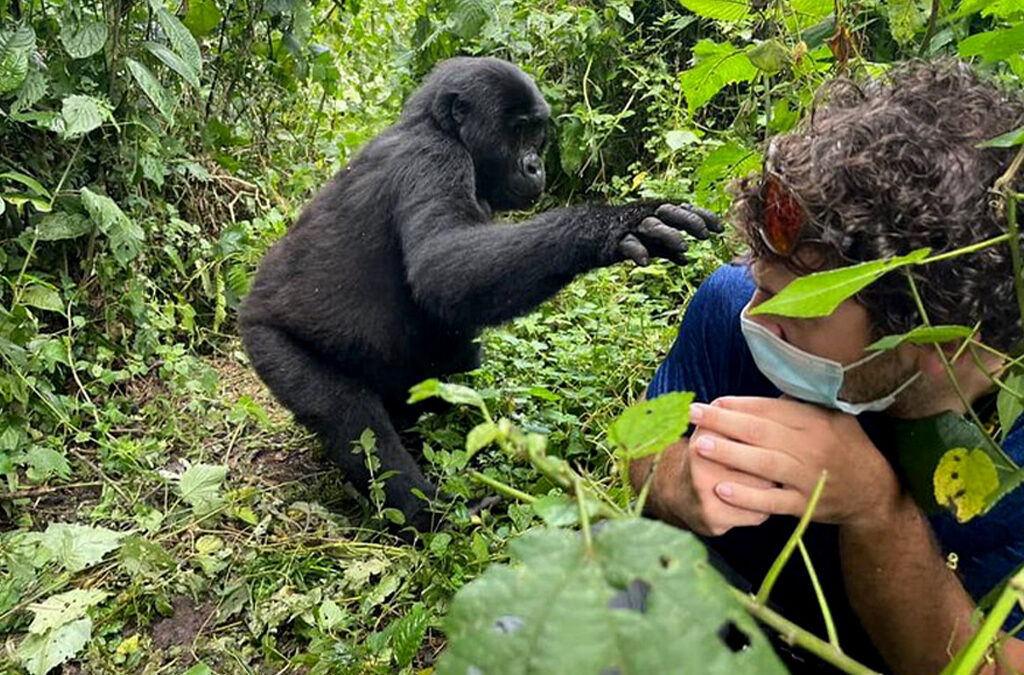
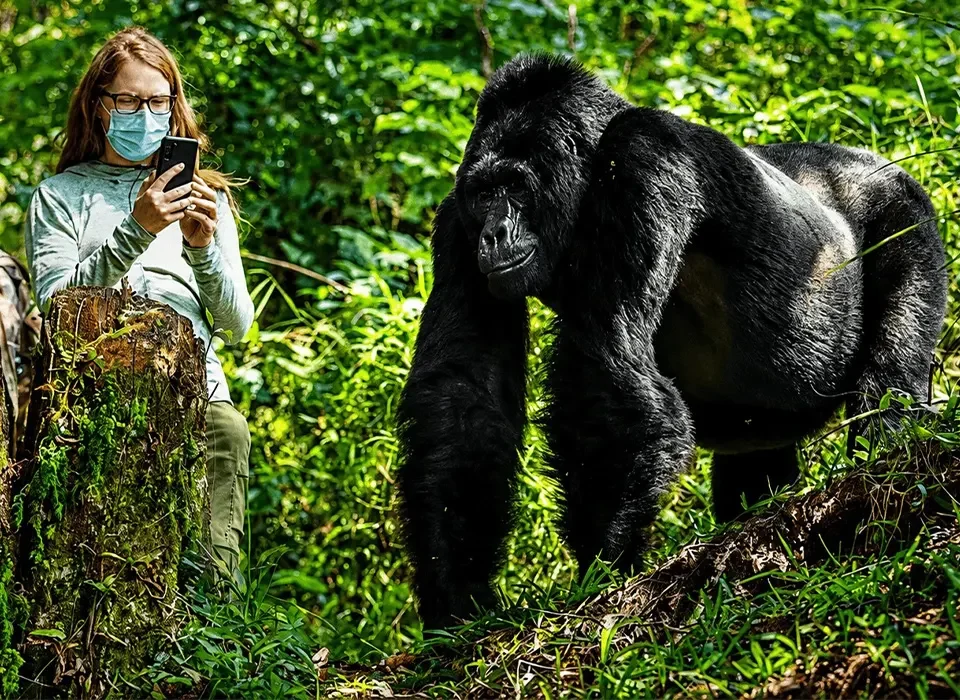
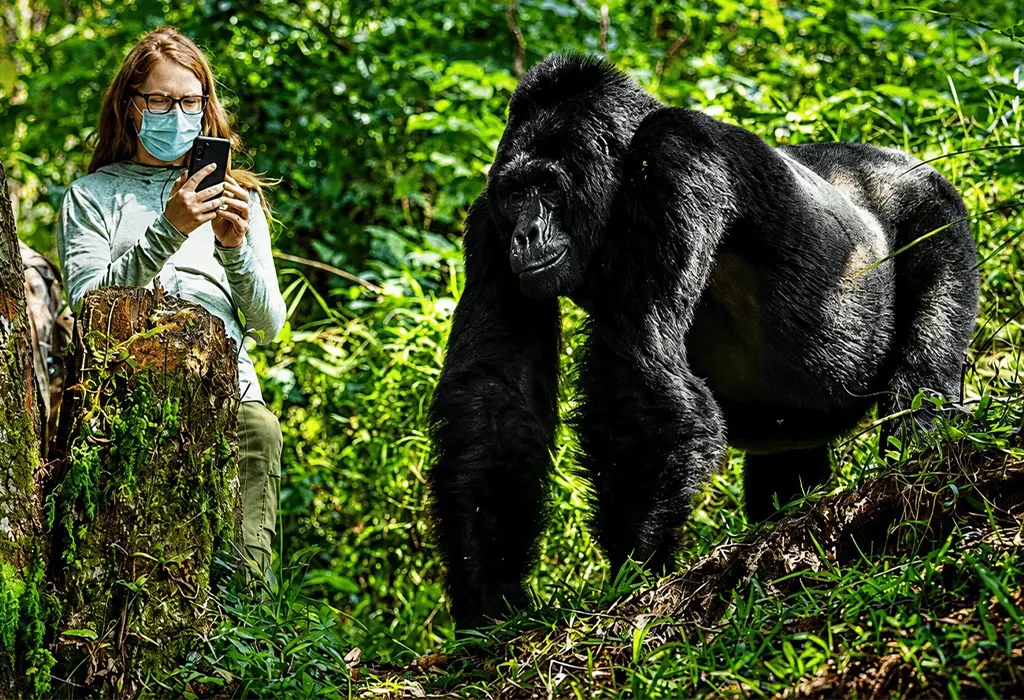
“There’s something unforgettable about locking eyes with a mountain gorilla. In that moment, deep in the misty forests of Uganda, you don’t just see wildlife you feel a connection that reaches beyond words.”
For many travelers, gorilla trekking in Uganda is a once-in-a-lifetime adventure. As you begin dreaming of walking through the lush jungles of Bwindi or Mgahinga, one practical question naturally comes to mind: Can you actually go gorilla trekking at any time of the year?
The short answer is yes you can trek gorillas year-round in Uganda. However, understanding the country’s seasons, weather patterns, and travel dynamics will help you plan a more comfortable and rewarding experience.
Uganda: A True Year-Round Gorilla Trekking Destination
Uganda, often called the Pearl of Africa, protects nearly half of the world’s remaining mountain gorillas. These gentle giants live in two extraordinary national parks:
Bwindi Impenetrable National Park
Mgahinga Gorilla National Park
Because Uganda lies along the equator, it experiences a tropical climate that allows gorilla trekking throughout the year. That said, the country has two dry seasons and two wet seasons, and each one shapes your trekking experience differently.
At Experiya Tour Company, we help travelers choose the season that best matches their travel style, comfort preferences, and budget.
Understanding Uganda’s Trekking Seasons
The Dry Seasons: June to September & December to February
Most travelers prefer the dry seasons, which run from June to September and again from December to February. During these months, rainfall decreases, trails become firmer, and visibility improves.
As a result, hiking feels easier, especially in Bwindi, where the terrain can be steep and challenging. Photographers also appreciate the clearer skies and better lighting conditions in the forest. In addition, wildlife sightings often feel more open as vegetation slightly thins.
However, because these months are popular, gorilla permits sell out quickly particularly in June, July, and August. Therefore, you should book your permits and accommodation several months in advance.
The Wet Seasons: March to May & October to November
On the other hand, the rainy seasons especially April and November offer a quieter and more intimate experience. Although rainfall increases, gorilla trekking continues daily without interruption.
Interestingly, many seasoned travelers prefer this period. Fewer tourists visit the parks, which means the forest feels more private and peaceful. At the same time, the rainforest transforms into a vibrant green paradise, alive with birdsong and fresh growth.
Of course, rain makes the trails muddier and more slippery. Nevertheless, with proper hiking boots and rain gear, you can still enjoy a safe and fulfilling trek. In some cases, tour operators may offer seasonal discounts on accommodation packages, making this an appealing option for budget-conscious travelers.
What the Gorilla Trekking Experience Feels Like
Regardless of whether you travel in January or May, the core experience remains the same.
You begin your day early with a briefing from Uganda Wildlife Authority guides. Afterward, trackers lead your group deep into the forest in search of a habituated gorilla family. The hike may last anywhere from 30 minutes to six hours, depending on where the gorillas moved the previous night.
Then comes the moment you have been waiting for.
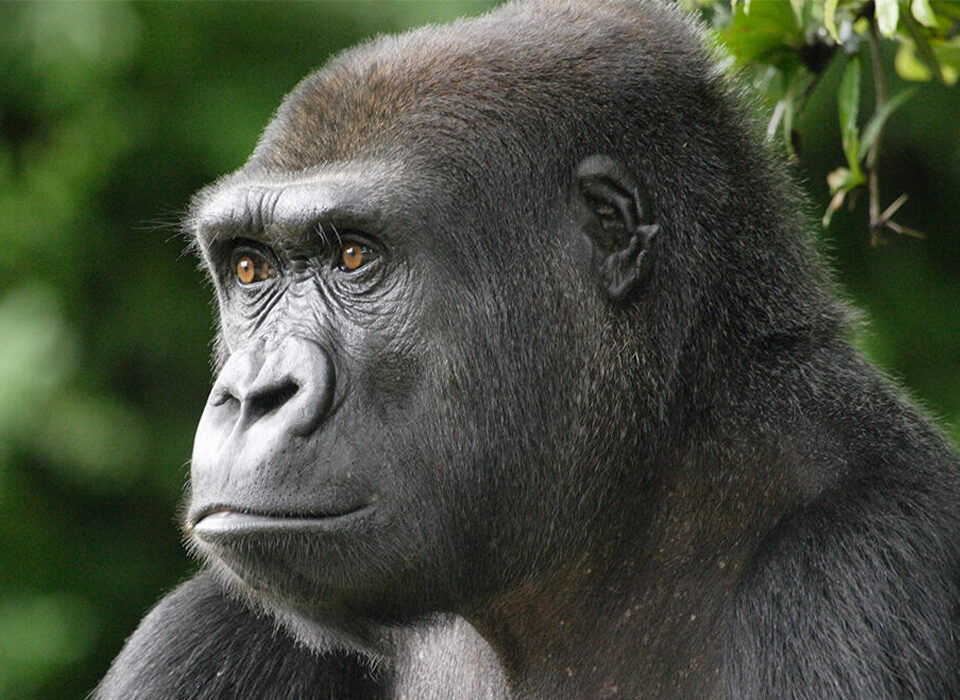
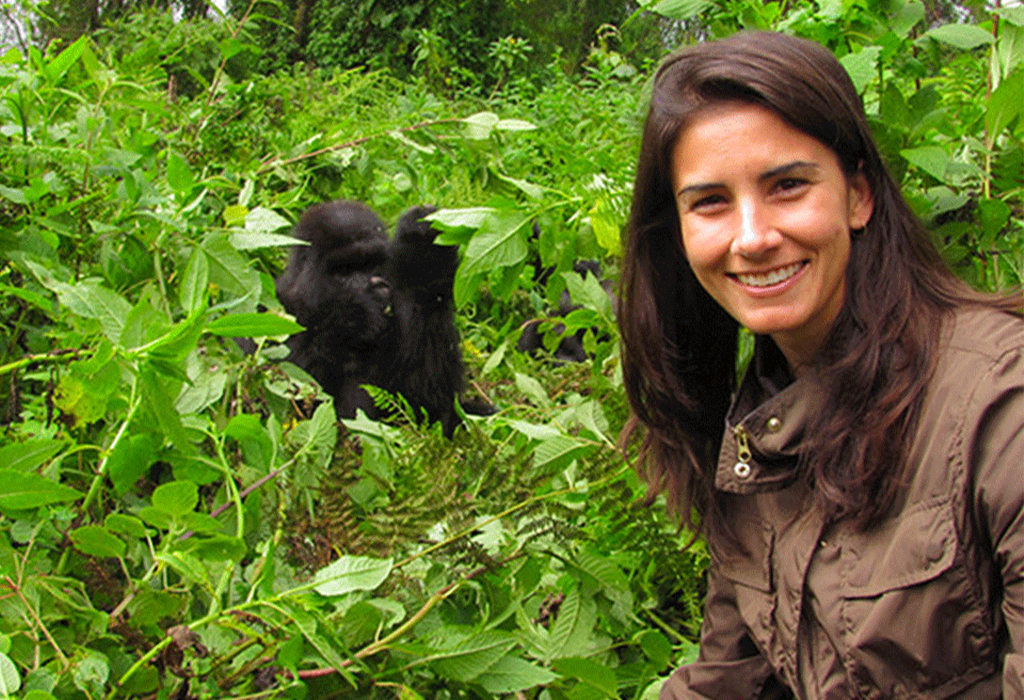
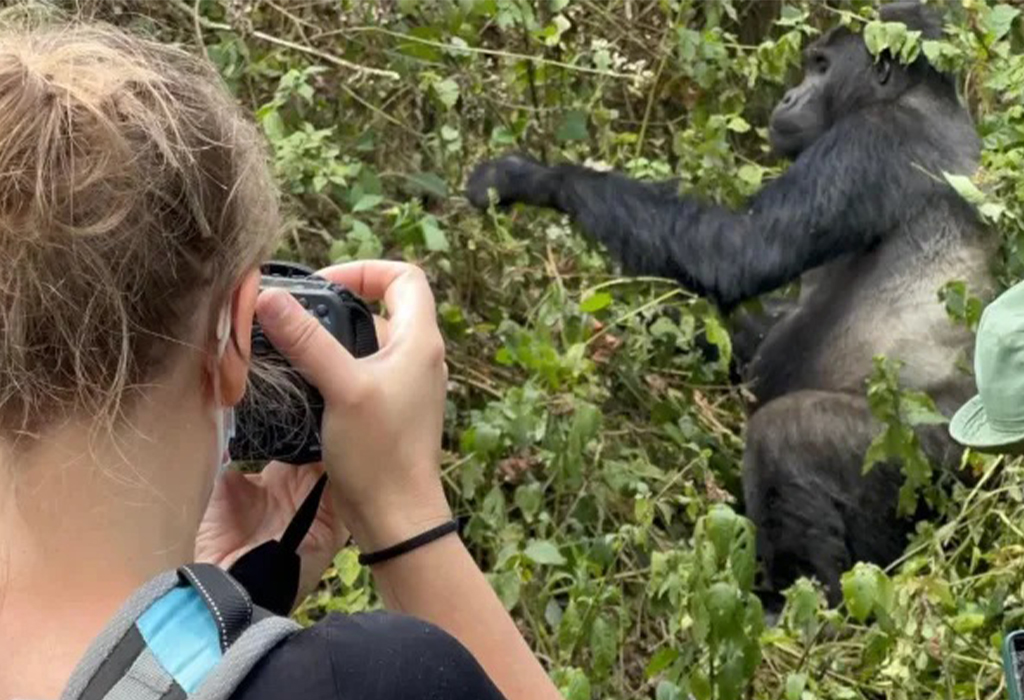
You spend one unforgettable hour observing the gorillas as they eat, groom, rest, and play. Sometimes a young gorilla tumbles through the vines. Sometimes a silverback calmly watches over his family. And occasionally, one locks eyes with you a gaze that feels ancient, intelligent, and profoundly human.
No matter the season, that hour feels timeless.
Preparing for Your Trek in Any Season
Although the experience remains magical throughout the year, preparation makes a significant difference.
You should wear sturdy hiking boots because the terrain stays rugged in both dry and wet seasons. Dressing in layers helps you adjust to cool mornings and humid afternoons. Even during dry months, short showers can surprise you, so carrying a waterproof jacket is wise. Many trekkers also bring lightweight gloves to protect their hands while gripping branches and vines.
In addition, hiring a porter enhances your experience. Not only does a porter assist with your backpack on steep slopes, but your contribution also directly supports local families living around the parks.
At Experiya Tour Company, we guide our guests through every detail of preparation to ensure they feel confident and ready before entering the forest.
More Than Wildlife: A Story of Conservation and Community
Gorilla trekking in Uganda is more than a wildlife encounter. It is a conservation success story powered by local communities, dedicated rangers, and responsible tourism.
Local guides often grow up near these forests. Trackers know individual gorilla families intimately. Communities actively participate in conservation efforts that protect these endangered primates for future generations.
Importantly, a significant portion of your gorilla permit fee currently USD 800 for foreign non-residents directly supports conservation programs and community development. Every step you take in the forest contributes to protecting mountain gorillas and sustaining livelihoods.
In this way, your journey becomes part of something larger than travel.
Final Thoughts: When Should You Go?
So, can you trek gorillas year-round in Uganda? Absolutely.
If you prefer firmer trails and clearer skies, choose the dry season. If you value solitude, lush scenery, and potential travel savings, consider the rainy months. Either way, Uganda welcomes you with extraordinary biodiversity and deeply moving wildlife encounters.
Whether you walk beneath bright sunshine or through a soft mountain mist, standing face-to-face with a mountain gorilla changes you. It humbles you. It inspires you. It reminds you that we share this planet in powerful, interconnected ways.
And whenever you decide to go, Experiya Tour Company stands ready to design a personalized gorilla trekking safari that turns your dream into a life-changing reality.