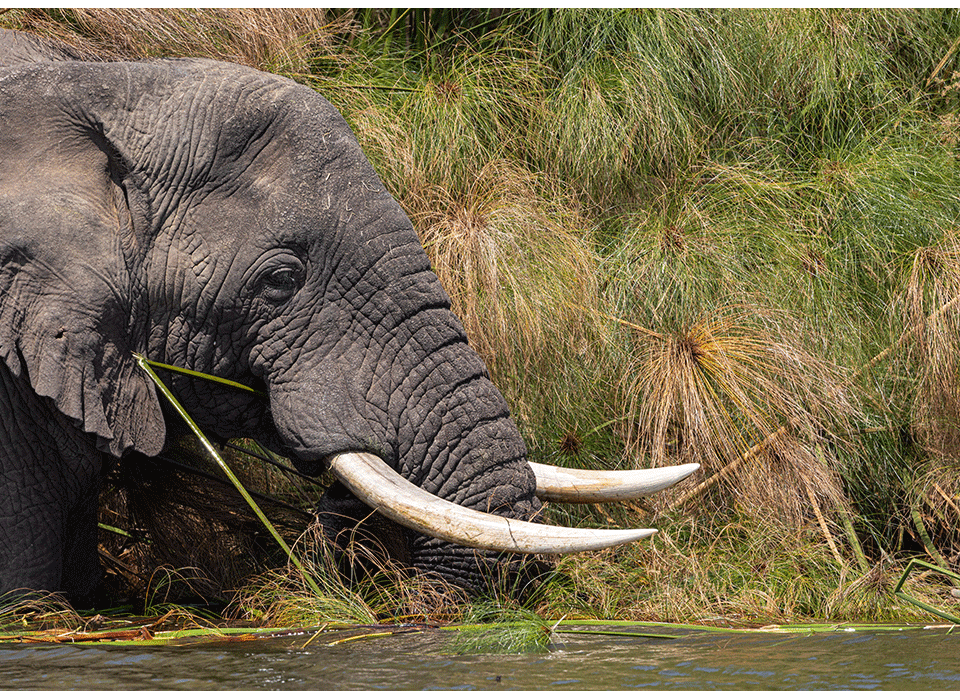

The Magic of Sunset Cruises on the Kazinga Channel
March 1, 2026
10 Days Karamoja Cultural Tour & Wildlife Safari
March 1, 2026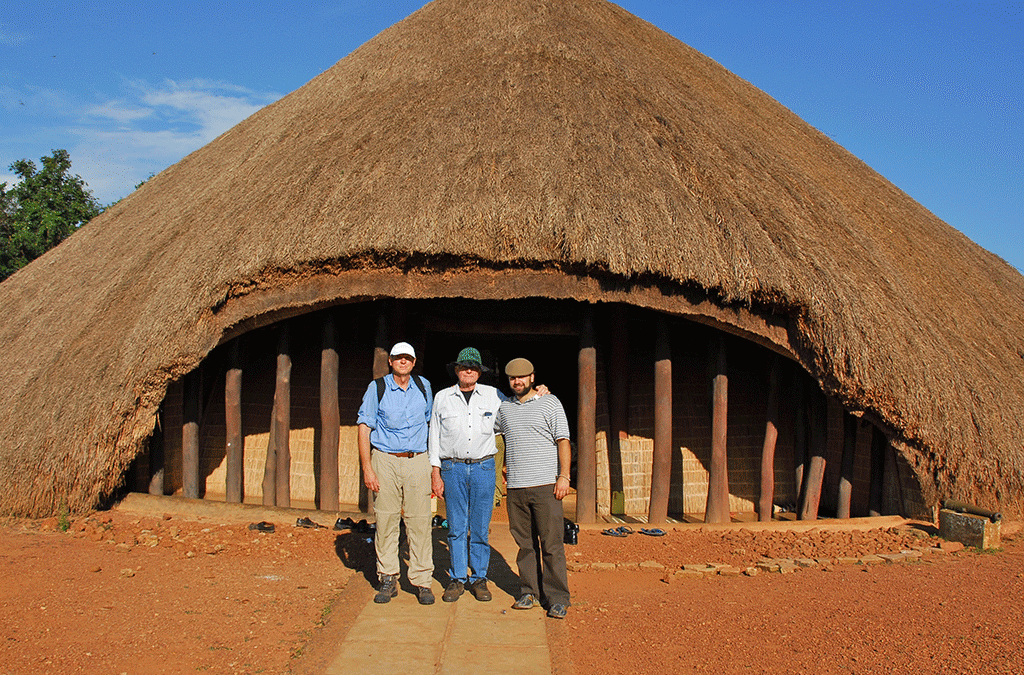
Uganda’s cultural identity finds one of its strongest expressions in the Royal Heritage Buganda Kingdom. The Buganda Kingdom is the largest and most influential traditional kingdom in Uganda, with roots that trace back to the 14th century. It occupies the central region of the country, including the capital city of Kampala. For centuries, the kingdom has shaped governance systems, social structures, architecture, and spiritual beliefs in the Great Lakes region. When travelers explore this heritage, they do more than visit historical buildings. Instead, they step into a living cultural institution led today by His Majesty Ronald Muwenda Mutebi II. Experiya Tour Company designs immersive cultural journeys that allow visitors to understand the depth, resilience, and symbolism behind the Royal Heritage Buganda Kingdom.
Historical Foundations of Royal Heritage Buganda Kingdom
The story of the Royal Heritage Buganda Kingdom begins with the legendary first Kabaka, Kintu, who established the royal lineage that continues to this day. Over generations, the kingdom developed a centralized monarchy headed by the Kabaka, supported by a complex administrative system of chiefs and clan leaders. This political structure enabled Buganda to expand its influence across Lake Victoria’s northern shores. During the 19th century, the kingdom engaged in trade with Arab merchants and later interacted with British explorers and missionaries. These interactions reshaped religious and political landscapes but did not erase the kingdom’s identity.
In 1900, Buganda signed an agreement with the British colonial administration, which formalized its position within the Protectorate of Uganda. Although the Ugandan government abolished traditional kingdoms in 1967, cultural institutions were restored in 1993. Today, the monarchy operates as a cultural authority rather than a political state. This continuity makes the Royal Heritage Buganda Kingdom a rare example of preserved African monarchy. Experiya Tour Company guides visitors through these historical transitions with well-researched storytelling that connects past events to present realities.
Kasubi Tombs
No exploration of the Royal Heritage Buganda Kingdom feels complete without visiting the sacred Kasubi Tombs. This UNESCO World Heritage Site serves as the burial ground for four Buganda kings. The main structure, Muzibu Azaala Mpanga, stands as a masterpiece of traditional Ganda architecture built entirely from organic materials such as reeds, thatch, and wooden poles. Skilled craftsmen constructed the dome-shaped building using techniques passed down through generations.
The tombs represent more than royal graves. They symbolize spiritual continuity and the sacred bond between the Kabaka and his people. Although a fire damaged the main structure in 2010, restoration efforts have preserved its authenticity using traditional knowledge. Visitors who tour the site learn about royal rituals, clan responsibilities, and architectural symbolism. Experiya Tour Company ensures that guests receive respectful cultural briefings before entering the sacred grounds, which enhances understanding and appreciation of the Royal Heritage Buganda Kingdom.
Mengo Palace and Royal Governance
Another pillar of the Royal Heritage Buganda Kingdom stands at Lubiri Palace, commonly known as Mengo Palace. Built in 1885, this palace functions as the official residence of the Kabaka. The site reflects both pre-colonial and colonial influences in its design and political symbolism. It also houses historical sites linked to Uganda’s post-independence struggles, including underground chambers that reveal painful chapters of national history.
While touring the palace grounds, visitors gain insight into the governance system that organizes the kingdom into counties known as “amasaza.” Clan leaders and cultural ministers continue to play active roles in preserving customs and mobilizing development initiatives. This living governance structure demonstrates that the Royal Heritage Buganda Kingdom remains dynamic rather than static. Experiya Tour Company offers guided visits that explain how tradition and modern administration coexist within this respected institution.
Cultural Traditions that Define Royal Heritage Buganda Kingdom
Culture thrives at the heart of the Royal Heritage Buganda Kingdom. The kingdom recognizes more than 50 clans, each with unique totems, responsibilities, and oral histories. Traditional music, dance, and storytelling continue to shape community identity. The rhythmic sounds of royal drums symbolize authority and unity, especially during coronation anniversaries and cultural festivals.
Language also plays a central role. Luganda remains widely spoken across central Uganda and functions as a unifying cultural thread. Additionally, traditional ceremonies such as the Kabaka’s birthday run promote social causes while reinforcing loyalty to the monarchy. Through these living traditions, the Royal Heritage Buganda Kingdom connects generations and sustains cultural pride. Experiya Tour Company integrates cultural performances and community visits into its itineraries, ensuring travelers experience authentic engagement rather than staged displays.
Why Royal Heritage Buganda Kingdom Enriches Your Uganda Experience
Travelers often seek wildlife safaris, yet cultural exploration adds deeper meaning to any journey. The Royal Heritage Buganda Kingdom offers context to Uganda’s social fabric and national identity. By visiting sacred sites, royal residences, and cultural centers, travelers gain balanced insight into both historical legacy and modern development. Moreover, cultural tourism directly supports preservation programs and local communities.
Experiya Tour Company crafts personalized heritage tours that complement gorilla trekking or wildlife safaris. This combination allows visitors to experience Uganda as both a natural paradise and a cultural stronghold. When travelers place the Royal Heritage Buganda Kingdom on their bucket list, they choose an experience that educates, inspires, and connects them to centuries of African tradition.