Best Weekend Getaways from Kigali
February 24, 2026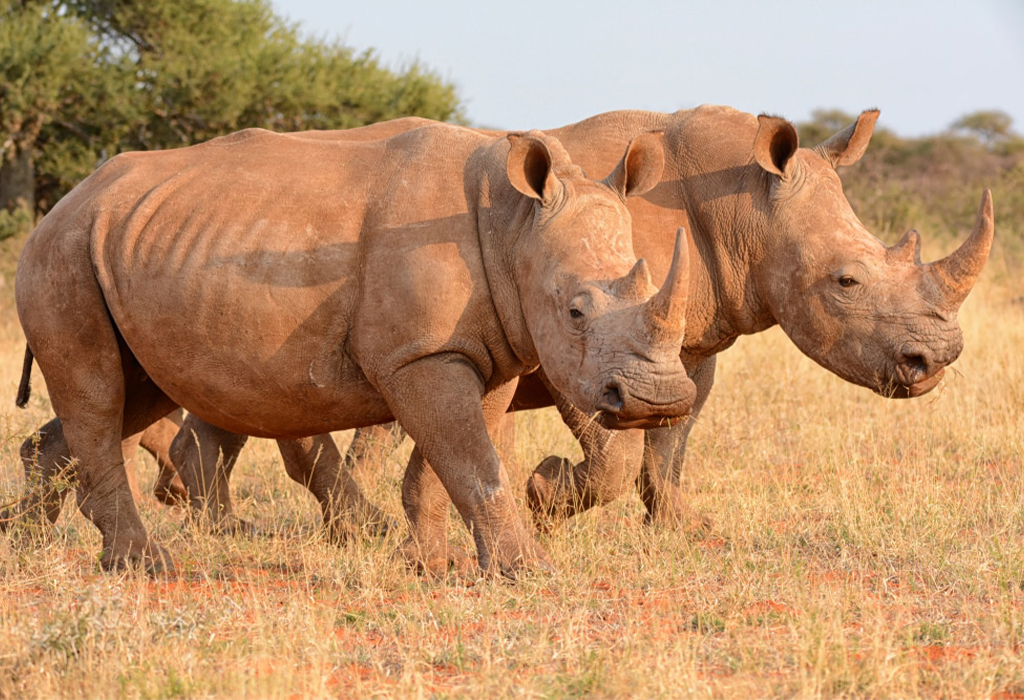
Rhino Trekking in Akagera National Park, Rwanda
February 24, 2026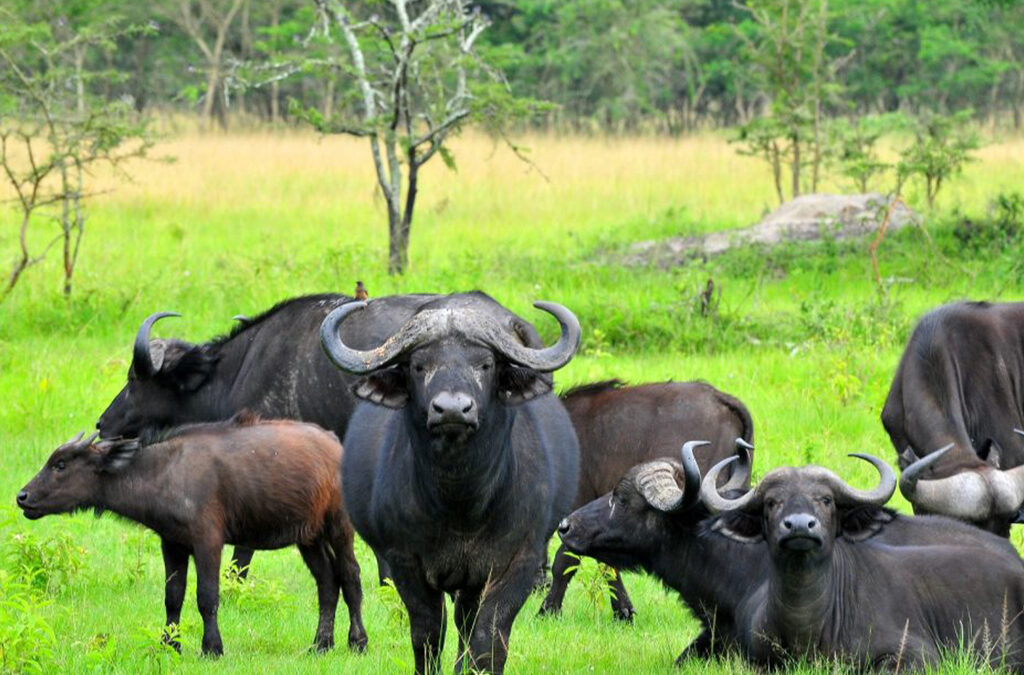
Uganda’s natural beauty has never gone unnoticed. In 1909, Sir Winston Churchill famously described Uganda as the “Pearl of Africa.” More than a century later, travelers still echo that praise as they marvel at the country’s extraordinary diversity of landscapes, wildlife, and cultures.
Indeed, Uganda occupies a unique geographical position where East and Central Africa meet. Because of this rare location, the country boasts an incredible range of habitats highland rainforests, tropical jungles, savannas, wetlands, moorlands, mountains, rivers, and lakes. In fact, nearly 20% of Uganda is covered by water. From endangered mountain gorillas to thundering waterfalls and vast savannas filled with big game, Uganda truly offers something for every traveler.
It is therefore no surprise that Lonely Planet ranked Uganda first on its Best in Travel list in 2012. Years later, the country’s magnificence remains just as captivating.
With 10 national parks, over 1,050 bird species, 18 primate species, and countless outdoor adventures, choosing where to go can feel overwhelming. To make your planning easier, here is a comprehensive and updated guide to Uganda’s top national parks perfect for exploring with Experiya Tour Company on a small-group or private safari.
Queen Elizabeth National Park – A Biodiversity Hotspot
Located about 400 kilometers southwest of Kampala, Queen Elizabeth National Park stands as Uganda’s second-largest and most visited conservation area. Established in 1952, the park stretches across 1,978 square kilometers of breathtaking landscapes within the Albertine Rift Valley.
What truly sets this park apart, however, is its remarkable biodiversity. Here, open savanna plains blend seamlessly with acacia woodlands, crater lakes, wetlands, and tropical forests. As a result, the park supports over 600 bird species and 95 mammal species, including elephants, hippos, buffaloes, leopards, and 10 different primates.
Two standout experiences define any visit. First, you can track chimpanzees in the dramatic Kyambura Gorge, often referred to as the “Valley of Apes.” Then, in the Ishasha sector, you may encounter the famous tree-climbing lions an unusual and unforgettable sight.
Additionally, visitors can enjoy a boat cruise along the Kazinga Channel, guided forest walks in Maramagambo Forest, and cultural visits to the Lake Katwe salt mining communities. Altogether, this park delivers one of Uganda’s most complete and rewarding safari experiences.
Murchison Falls National Park – Where the Nile Explodes Through Rock
As Uganda’s largest protected area, Murchison Falls National Park covers an impressive 3,840 square kilometers in northwestern Uganda.
The park’s undeniable highlight is the dramatic Murchison Falls, where the Nile River forces its way through a narrow six-meter gorge before plunging 43 meters below. The sheer power and thunderous roar of the water create a spectacle that leaves visitors speechless.
Beyond the falls, the park hosts over 450 bird species including the rare shoebill stork and 76 mammal species, including four of the Big Five. Game drives across the savanna provide classic safari encounters with lions, giraffes, elephants, and antelopes. Meanwhile, a Nile boat cruise offers a peaceful yet powerful perspective of wildlife gathering along the riverbanks. For adventurous travelers, hiking to the top of the falls adds even more excitement and unforgettable views.
Bwindi Impenetrable National Park – The Gorilla Sanctuary
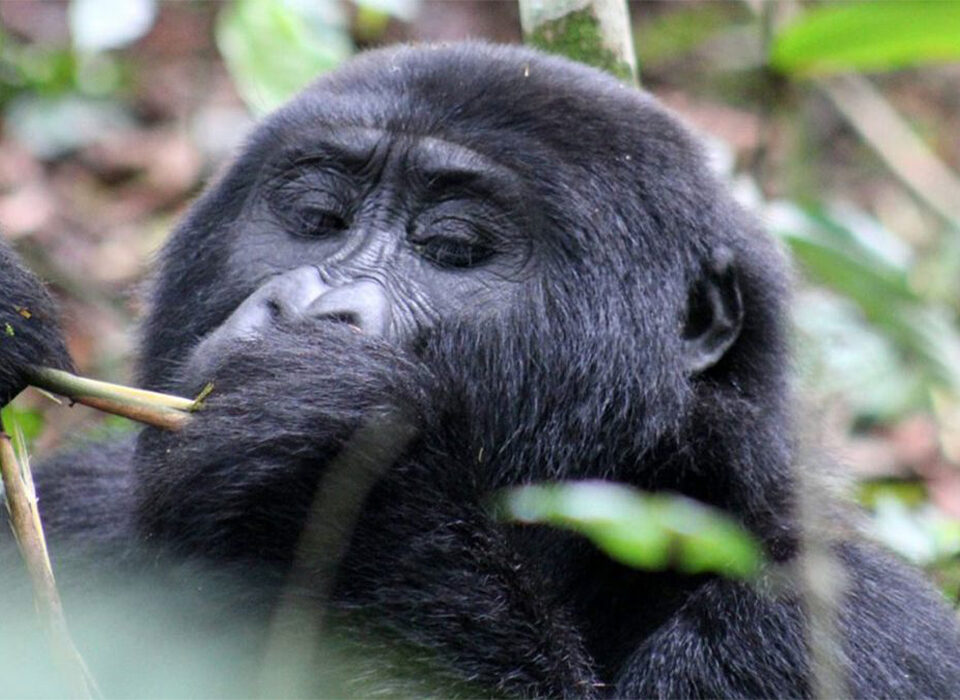
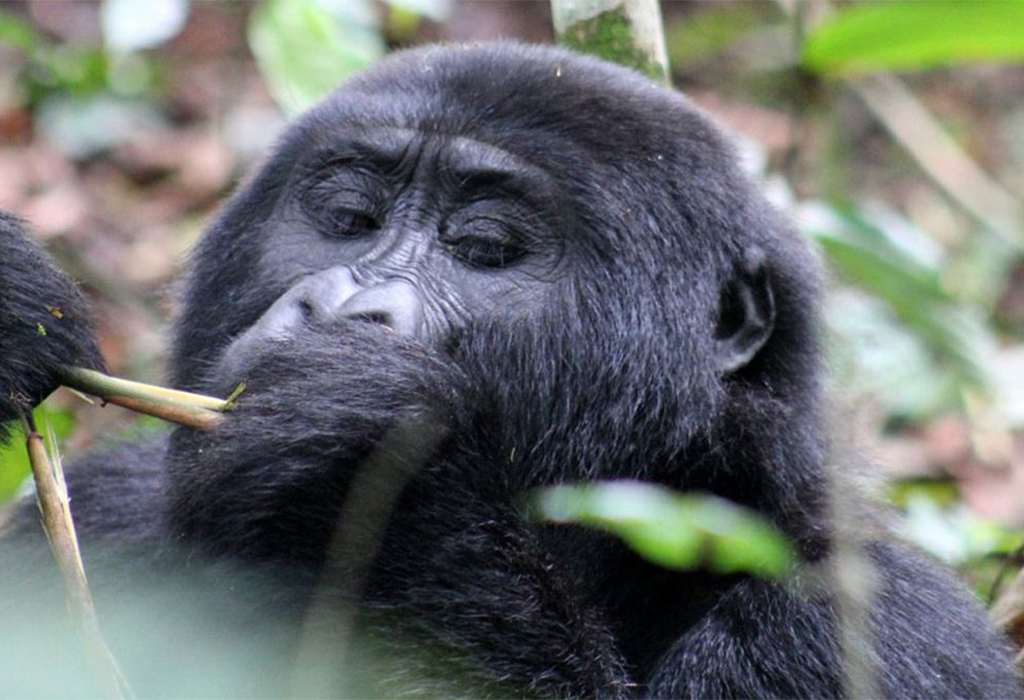
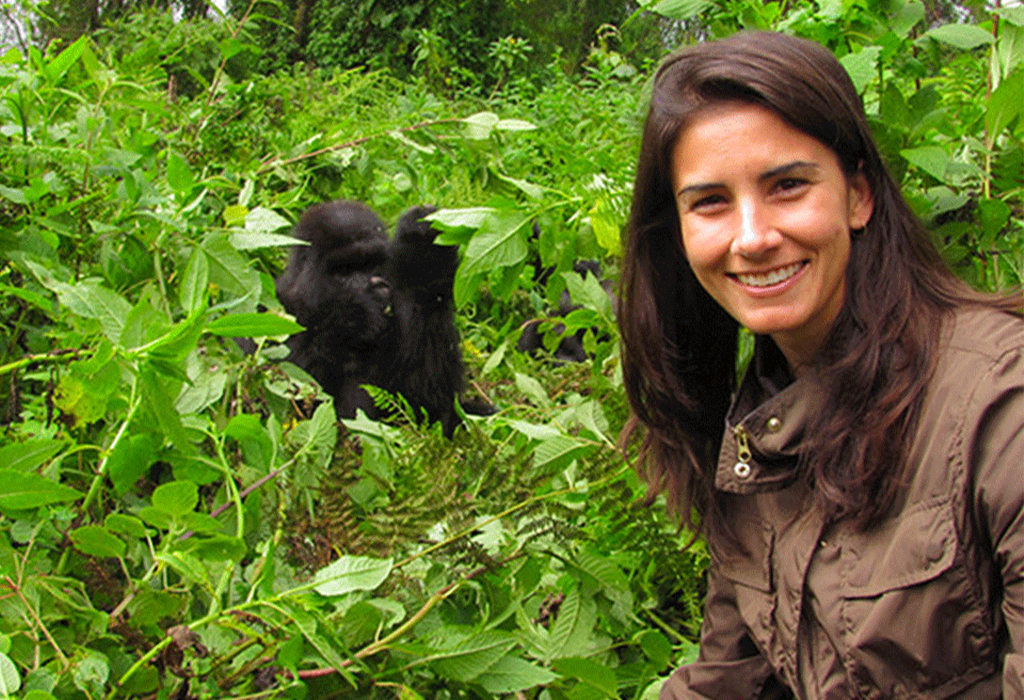
Few wildlife experiences compare to gorilla trekking in Bwindi Impenetrable National Park. Although relatively small at 321 square kilometers, Bwindi protects nearly half of the world’s remaining mountain gorillas.
Recognized as a UNESCO World Heritage Site, this ancient forest dates back more than 25,000 years. Its dense vegetation shelters 120 mammal species, 350 bird species, 200 tree species, and hundreds of butterflies and reptiles.
Most importantly, visitors can track habituated gorilla families and spend a magical hour observing them in their natural habitat. Watching a silverback protect his family or a playful juvenile swing through the vines is a deeply emotional and humbling experience.
Furthermore, cultural encounters with the Batwa community add meaningful context to your visit. Through storytelling, music, and demonstrations of traditional forest survival skills, the Batwa share a powerful connection to this ancient ecosystem.
Kibale National Park – The Primate Capital of the World
If you are passionate about primates, Kibale National Park should undoubtedly top your list. Covering 795 square kilometers, Kibale connects to Queen Elizabeth National Park through a wildlife corridor.
The park protects the largest remaining tract of pre-montane forest in East Africa. More than 350 tree species thrive here, creating a lush habitat for 13 primate species, including habituated chimpanzees.
Chimpanzee tracking with experienced guides offers an immersive and educational forest adventure. In addition, birders and nature lovers will appreciate the park’s 350+ bird species and 50+ mammal species. Every forest walk feels alive with movement, sound, and discovery.
Rwenzori Mountains National Park – The Mountains of the Moon
Rwenzori Mountains National Park protects Africa’s legendary “Mountains of the Moon.” Also designated as a UNESCO World Heritage Site, the park features Africa’s highest mountain range.
Unlike volcanic peaks such as Kilimanjaro, the Rwenzoris offer glacier-carved valleys, alpine meadows, moss-draped forests, and rare plant species found nowhere else on the continent. Consequently, the scenery feels almost otherworldly.
Adventurers come here for multi-day mountain treks, alpine hiking, birdwatching, and cultural visits with the Bakonzo people. Though challenging, the reward is unparalleled serenity and breathtaking panoramic views.
Kidepo Valley National Park – Uganda’s Wild Frontier
Remote, rugged, and remarkably untouched, Kidepo Valley National Park delivers one of Africa’s most authentic safari experiences.
Located in Uganda’s far northeast, the park spans 1,442 square kilometers across the Kidepo and Narus valleys. During the dry season, wildlife gathers around remaining water sources, creating exceptional game-viewing opportunities.
Here, you may encounter 77 mammal species and 475 bird species, including cheetahs and ostriches species rarely seen elsewhere in Uganda. Because of its isolation, Kidepo feels exclusive and dramatically beautiful, offering raw wilderness at its finest.
Lake Mburo National Park – Compact Yet Rich
Conveniently located along the western highway, Lake Mburo National Park offers an accessible and relaxing safari experience.
Although it is Uganda’s smallest savanna park, it hosts 350 bird species, 69 mammals, and the country’s only population of impalas. Visitors can enjoy walking safaris, boat rides, horseback safaris, and cultural visits with the Banyankore community. Its 14 interconnected lakes also form a designated Ramsar Wetland site, further enhancing its ecological importance.
Semuliki National Park – A Slice of the Congo Basin
Semuliki National Park offers a rare lowland tropical forest experience within East Africa. Situated near the Rwenzori Mountains, the park protects part of the ancient Ituri Forest ecosystem.
With 441 bird species and 53 mammal species, biodiversity thrives here. The famous Sempaya Hot Springs hot enough to boil eggs provide a fascinating natural attraction. Meanwhile, the Kirumia Trail offers immersive forest exploration, and cultural visits introduce nearby Batwa communities.
Mgahinga Gorilla National Park – Volcanoes and Golden Monkeys
Though tiny at just 33.7 square kilometers, Mgahinga Gorilla National Park is spectacular. As part of the larger Virunga Conservation Area, it protects both mountain gorillas and golden monkeys.
Its three extinct volcanoes create dramatic scenery perfect for hiking and photography. Compared to other gorilla destinations, Mgahinga offers a more intimate and less crowded trekking experience.
Mount Elgon National Park – An Ancient Giant
Straddling the Uganda-Kenya border, Mount Elgon National Park protects one of the world’s largest extinct shield volcanoes.
Although it once ranked as Africa’s tallest mountain, Mount Elgon now rises to 4,321 meters. Visitors explore waterfalls, caves, hot springs, and vast calderas. Moreover, hiking trails range from short scenic walks to challenging summit treks. The park’s diverse altitudes support over 300 bird species and varied wildlife.
A Final Thought: Tourism That Gives Back
Importantly, Uganda’s conservation efforts extend beyond wildlife protection. The Uganda Wildlife Authority reinvests 20% of park revenue into local communities, funding schools, healthcare, clean water systems, and infrastructure projects.
Likewise, the Uganda Wildlife Education Centre in Entebbe plays a vital role in conservation education and wildlife rehabilitation, welcoming more visitors annually than any individual national park.
When you explore Uganda with Experiya Tour Company, you do more than witness breathtaking landscapes and wildlife you actively support conservation and community development.
Ultimately, Uganda continues to live up to its name as the Pearl of Africa. With its unmatched diversity, warm hospitality, and extraordinary natural beauty, the only question left is this: which national park will you explore first?