Can You Go on a Trekking Safari with Chimpanzees and Gorillas Together?
February 23, 2026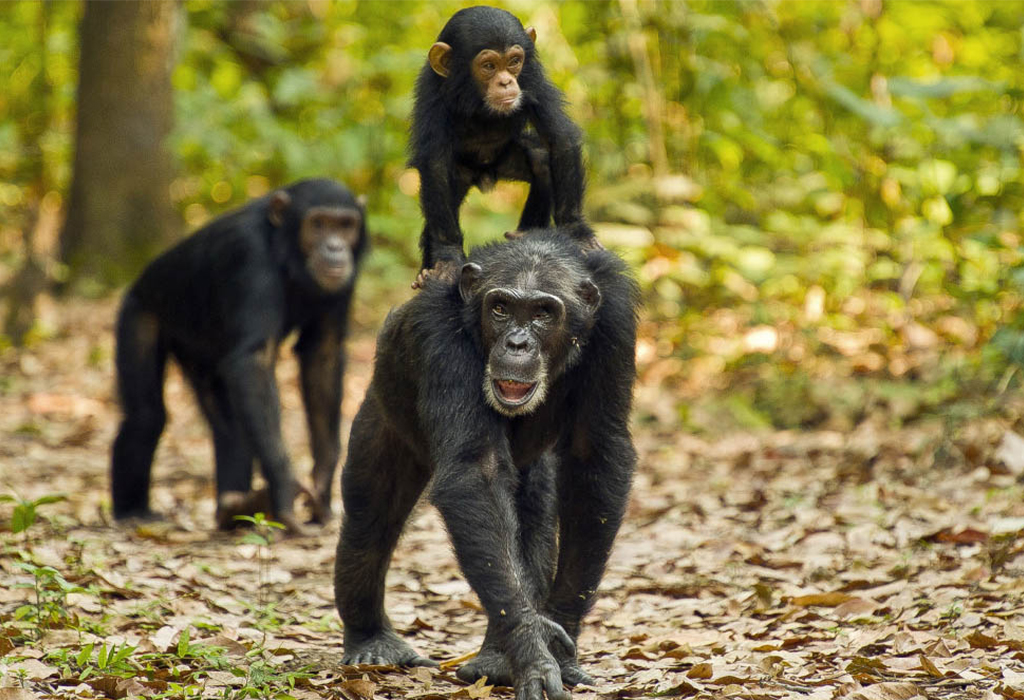
Tracking Chimpanzees in Kalinzu Forest
February 23, 2026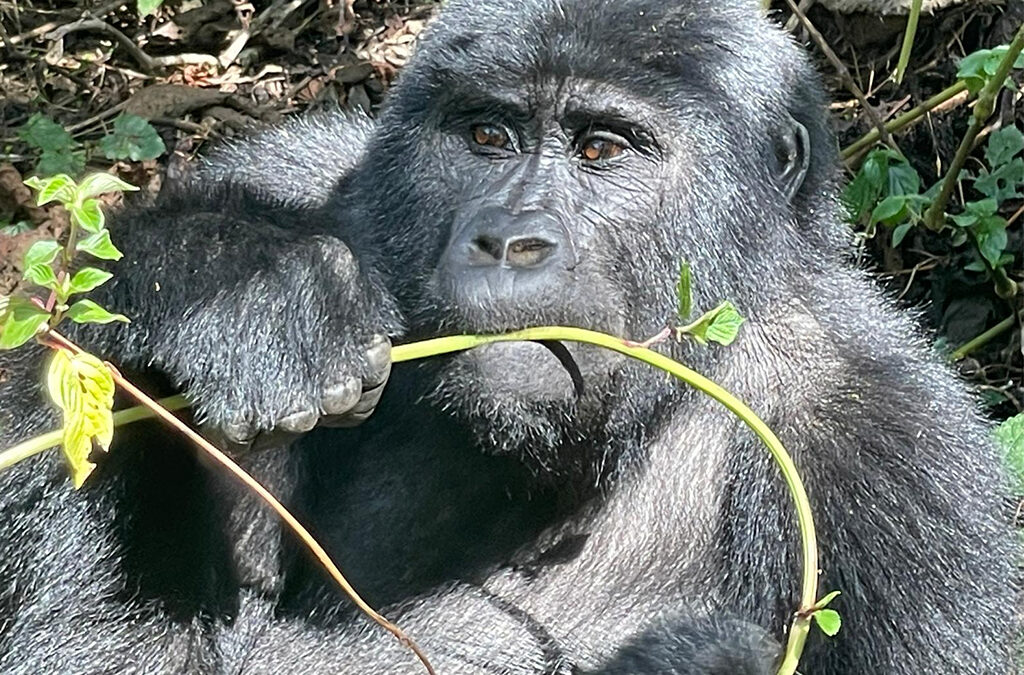
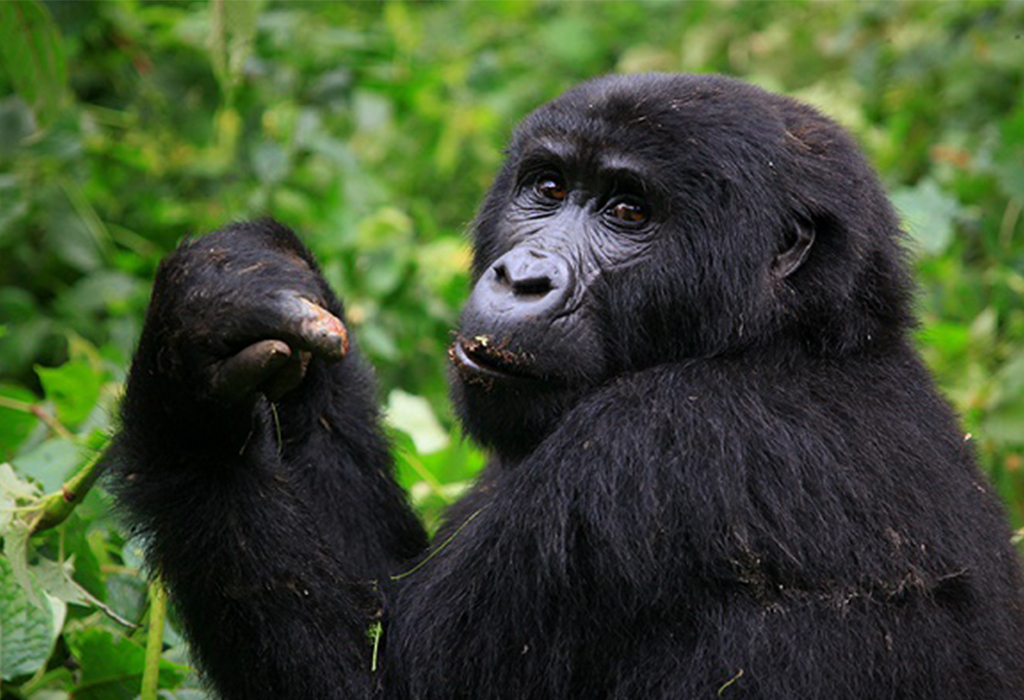
Imagine stepping into a misty, ancient forest where the air is thick with the scent of earth and leaves. You pause, heart racing, as a family of mountain gorillas emerges. Their deep, intelligent eyes meet yours, and for a moment, time seems to stand still. This is the magic of gorilla trekking in Uganda’s Bwindi Impenetrable National Park a real-life experience far beyond what you see in documentaries.
Bwindi is more than a destination; it’s a transformative journey for adventurers, wildlife enthusiasts, and anyone seeking a safari that leaves a lasting impression.
The Heart of Bwindi: A Living Forest
Bwindi Impenetrable National Park covers over 321 square kilometers of lush montane rainforest in southwest Uganda. It is home to approximately 459 mountain gorillas, nearly half of the world’s remaining population. This alone makes Bwindi a must-visit location for anyone wishing to see these gentle giants.
Unlike other gorilla habitats, Bwindi combines biodiversity, challenging yet rewarding hikes, eco-conscious tourism, and unique experiences, such as the Gorilla Habituation Experience, which allows closer encounters under expert supervision.
A Glimpse Into Bwindi’s Past
Though the forest itself is ancient shaping life for millennia Bwindi gained international attention relatively recently. Its dense vegetation and steep slopes earned it the name “impenetrable,” offering sanctuary to countless species and providing the Batwa pygmies with shelter, food, and medicine for centuries.
In 1991, the Ugandan government designated Bwindi as a national park to protect it from logging and poaching. Gorilla trekking began in 1993, starting with the Mubare family. Each gorilla family must be carefully habituated to human presence, a process that can take up to two years, blending conservation with sustainable tourism.
Today, the Uganda Wildlife Authority (UWA) carefully regulates visitors, ensuring minimal disruption to the wildlife. With over 35 gorilla families and 25 habituated for trekking, Bwindi stands out as the most accessible and rewarding site for gorilla encounters.
Bwindi’s Rich Biodiversity
While gorillas are the main attraction, Bwindi is a paradise for nature lovers. The park hosts over 120 mammal species, including chimpanzees, forest elephants, and rare antelopes like the yellow-backed duiker. Birdwatchers can delight in more than 350 species, 23 of which are endemic to the Albertine Rift, including the African green broadbill and Shelley’s crimsonwing.
Bwindi’s forest is a dense mosaic of bamboo groves, marshy valleys, and towering trees. Gorillas thrive on the lush foliage, eating leaves, stems, and fruits in this vibrant ecosystem. The forest is also home to over 1,000 flowering plants and 220 butterfly species, making every trek a feast for the senses.
Compared to Rwanda’s Volcanoes National Park, Bwindi offers a more immersive jungle experience. Here, you may hear the subtle calls of chimpanzees or glimpse colobus monkeys swinging overhead, turning your trek into a multisensory adventure.
Preparing for the Gorilla Trek
Gorilla trekking in Bwindi is physically demanding but deeply rewarding. Treks typically begin early at park headquarters, where rangers brief visitors on safety rules, including keeping a seven-meter distance from gorillas and limiting group sizes to eight per family.
Hikes can last anywhere from two to seven hours, depending on the gorillas’ location. You will navigate steep, muddy trails using machetes to clear dense foliage. Walking sticks are essential, and porters are available to carry gear.
Bwindi offers two types of gorilla experiences. The standard trek allows one hour with habituated families, while the Gorilla Habituation Experience offers up to four hours with semi-habituated gorillas. Both experiences provide rare insight into gorilla behavior and conservation efforts.
Permits for 2026 are $800 for foreign visitors. Early booking is essential due to high demand. Safety remains a priority: armed rangers accompany every trek, and visitors are advised to avoid trekking when ill to protect the gorillas’ health.
Choosing Your Trekking Base
Bwindi is divided into four sectors, each offering distinct landscapes, trekking experiences, and lodges:
- Buhoma (North): The most accessible sector with three habituated gorilla families. Suitable for first-time trekkers, with comfortable lodges nearby.
- Ruhija (East): Higher elevations and more challenging trails, ideal for birdwatchers and those seeking solitude.
- Rushaga (South): The sector with the most habituated families, offering hikes suitable for various fitness levels and vibrant lodge options.
- Nkuringo (Southwest): Steep, rugged terrain for seasoned trekkers, with eco-friendly lodges and strong community engagement.
Many travelers combine sectors to increase their chances of encountering different gorilla families.
Timing Your Visit
The best periods for trekking are the dry seasons: June to September and December to February. Trails are less slippery, and the forest is easier to navigate. The low season (March–May, October–November) brings rain, but permits are often cheaper.
Visitors can reach Bwindi by a scenic 9–10 hour drive from Kampala or by flying to Kihihi Airstrip in about an hour. Fitness, preparation, and gear such as gloves, sturdy boots, and rain protection are key for a comfortable trek.
Supporting Conservation
Tourism revenue supports anti-poaching patrols, habitat preservation, and community projects. The Batwa pygmies, once displaced, now benefit from cultural tourism and guiding roles. By visiting Bwindi, you contribute directly to gorilla conservation and community empowerment, ensuring these incredible animals survive for generations to come.
Beyond Gorillas
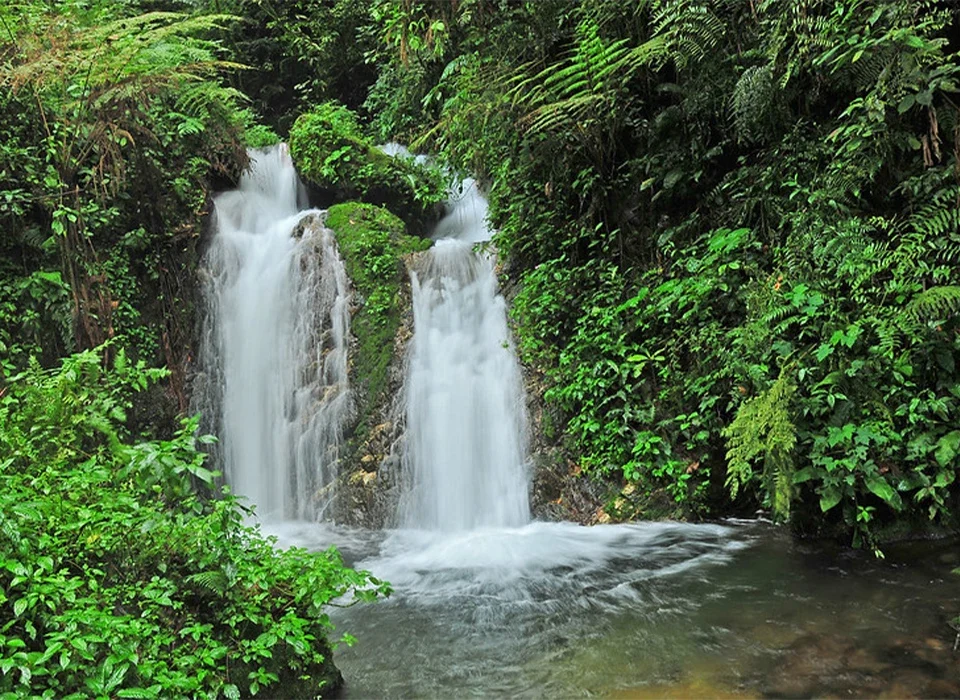
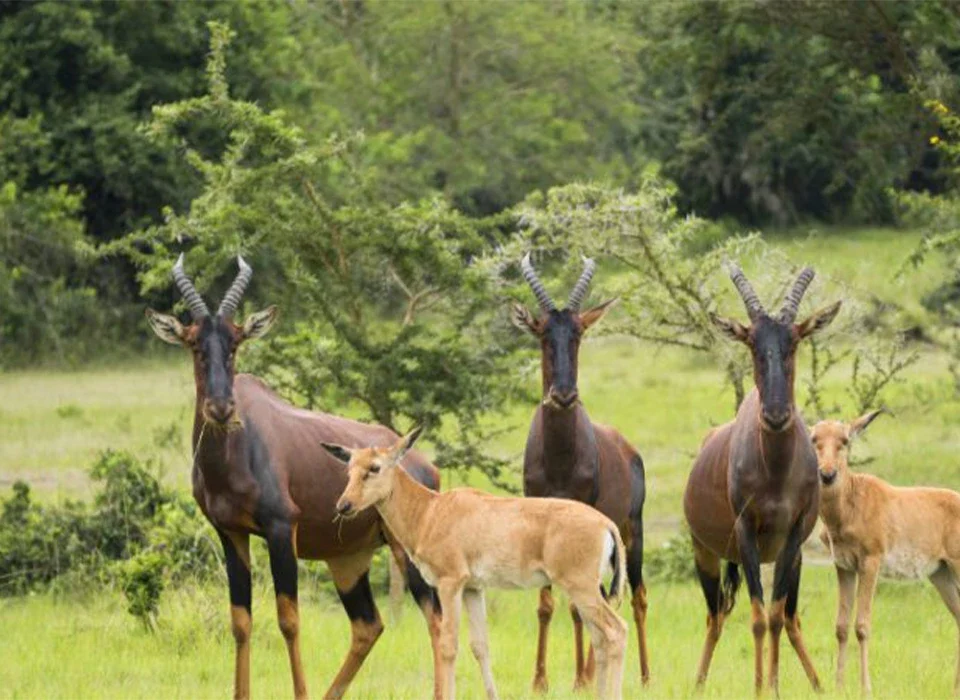
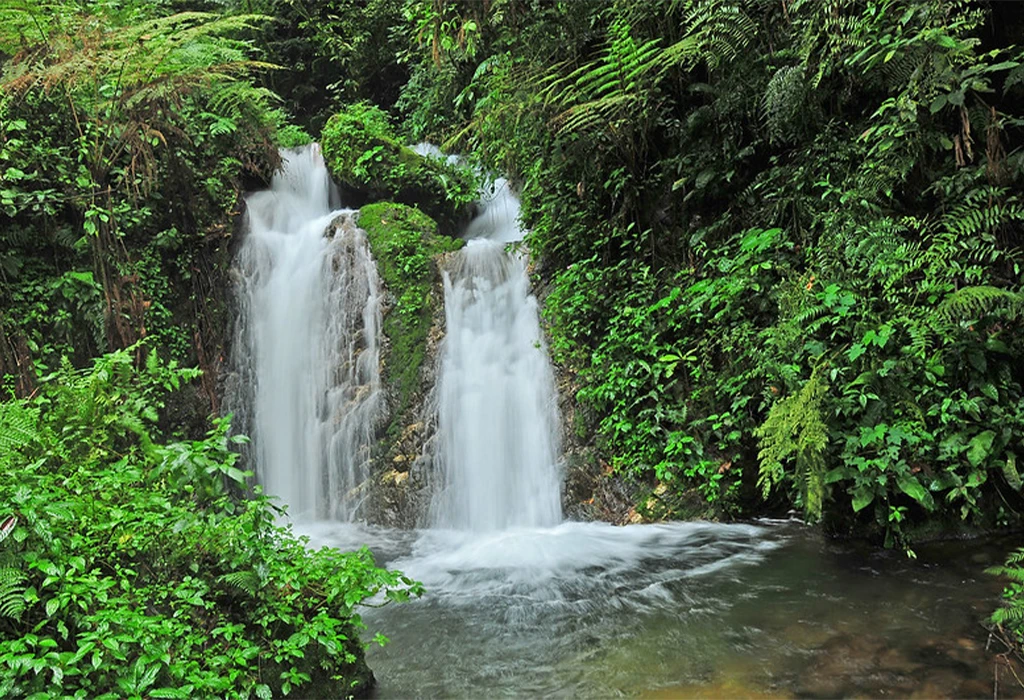
Bwindi offers more than gorilla trekking. Nature walks reveal butterflies, waterfalls, and rare birds. Cultural experiences with the Batwa bring ancient customs to life. Nearby parks, such as Queen Elizabeth National Park, can complement your trip with opportunities to see lions, elephants, and other savannah wildlife.
Why Bwindi Stands Apart
Bwindi Impenetrable National Park is unrivaled. Its combination of world-class gorilla encounters, extraordinary biodiversity, immersive experiences, and ethical conservation practices make it a life-changing destination. Whether arriving from Kampala or beyond, a trek here is more than a safari it’s a personal journey into one of Africa’s last untouched wildernesses.