Reasons For Visiting Lake Bunyonyi in Kabale District
February 21, 2026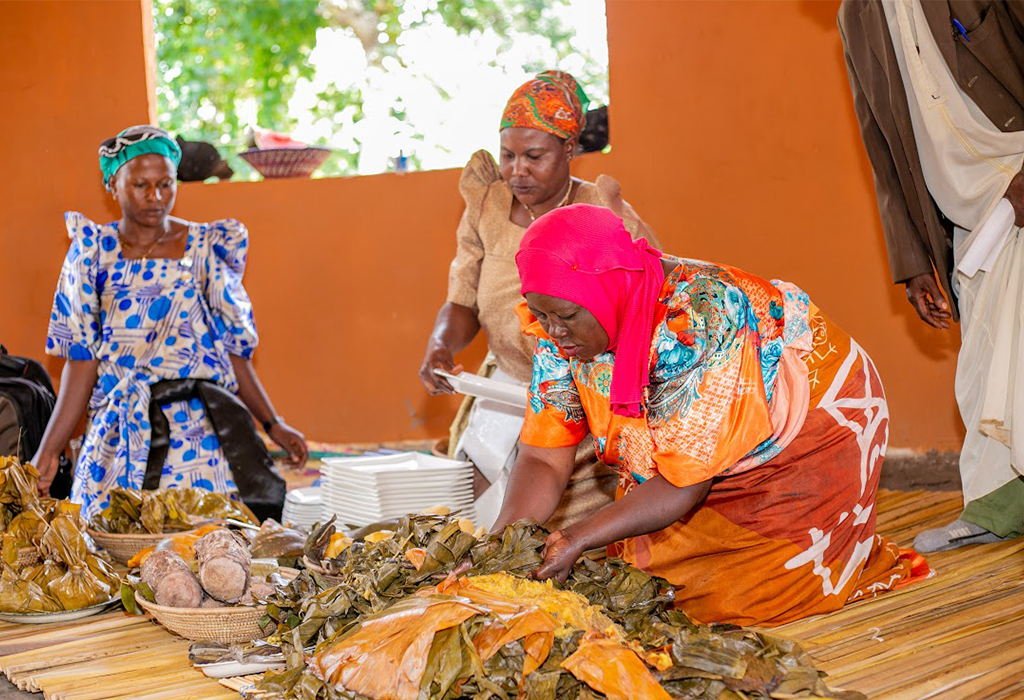
Ewaffe Cultural Village Uganda – A Living Cultural Experience Near Kampala
February 21, 2026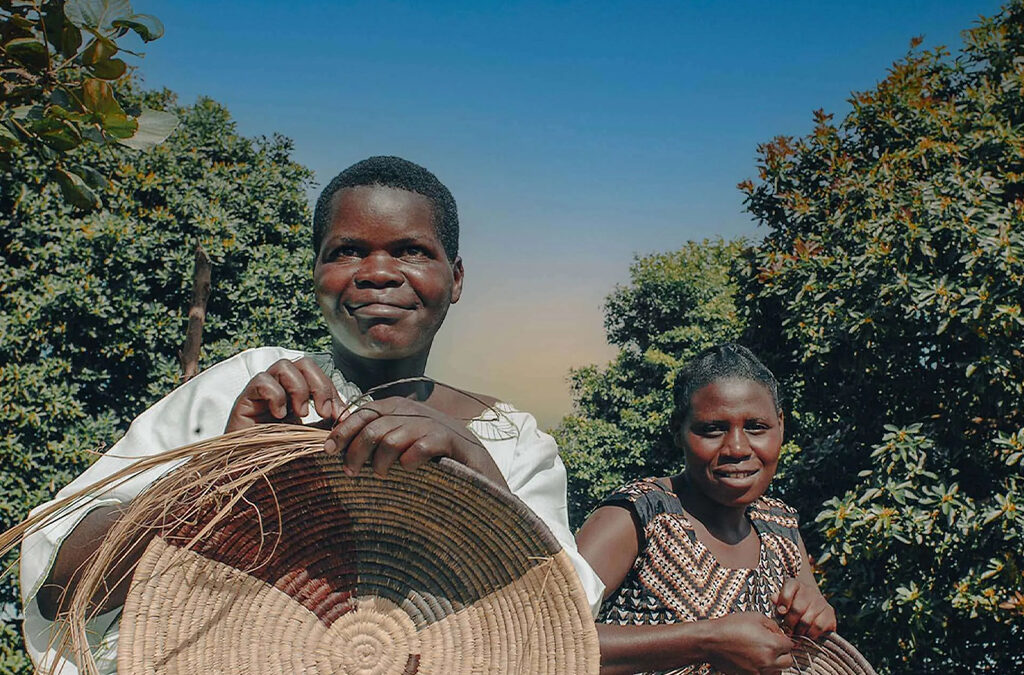
Uganda’s tourism industry continues to shine as one of Africa’s fastest-growing sectors. In recent years, regional tourism leaders have recognized Uganda for its impressive performance and resilience. While earlier reports highlighted strong growth compared to other African destinations, the momentum has continued into 2026, driven by stability, strategic marketing, conservation efforts, and the country’s unmatched natural attractions.
Today, Uganda stands confidently as a preferred African safari destination. Below are the key factors fueling this remarkable growth.
1. Political Stability and Security
First and foremost, political stability has played a crucial role in strengthening Uganda’s tourism industry. For many years now, Uganda has remained largely peaceful and secure, giving travelers confidence to explore the country freely.
Although the northern region once experienced instability due to insurgency, the situation has significantly improved. The government’s efforts to restore peace and rebuild affected communities have transformed these areas into welcoming destinations once again.
As a result, tourists can now travel across Uganda with greater assurance of safety. Moreover, stronger diplomatic ties within the East African region have made cross-border travel easier, encouraging regional tourism and multi-country safaris.
2. Unique and Diverse Natural Attractions
In addition to stability, Uganda’s exceptional biodiversity continues to attract visitors from across the globe.
Mountain Gorillas
Uganda is home to nearly half of the world’s remaining mountain gorillas. Travelers flock to Bwindi Impenetrable National Park and Mgahinga Gorilla National Park for life-changing gorilla trekking experiences. These close encounters with endangered primates remain one of the most powerful wildlife experiences in the world.
National Parks and Wildlife
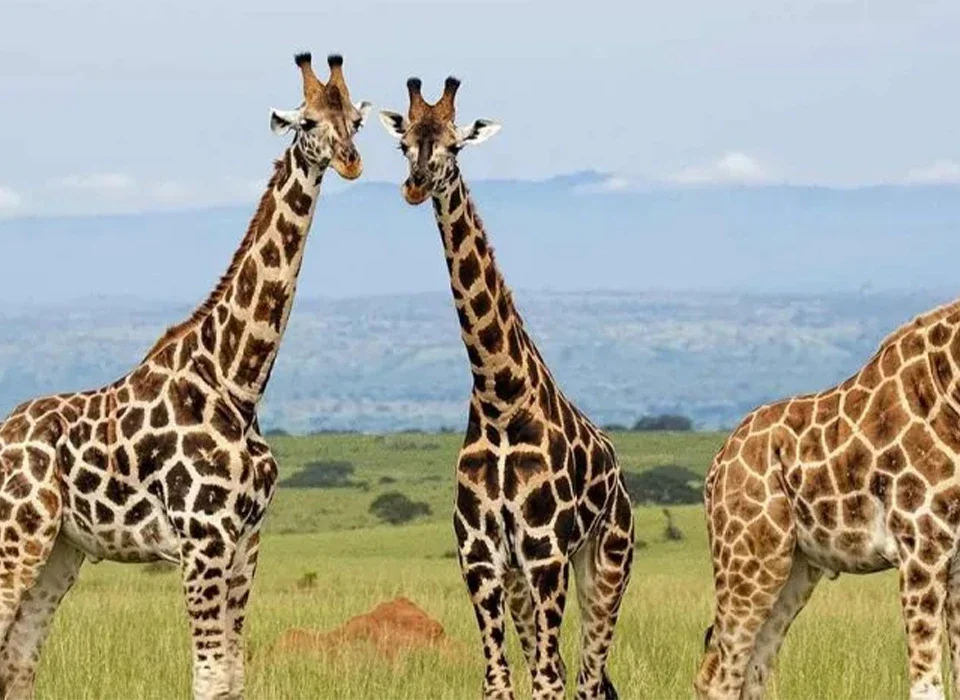
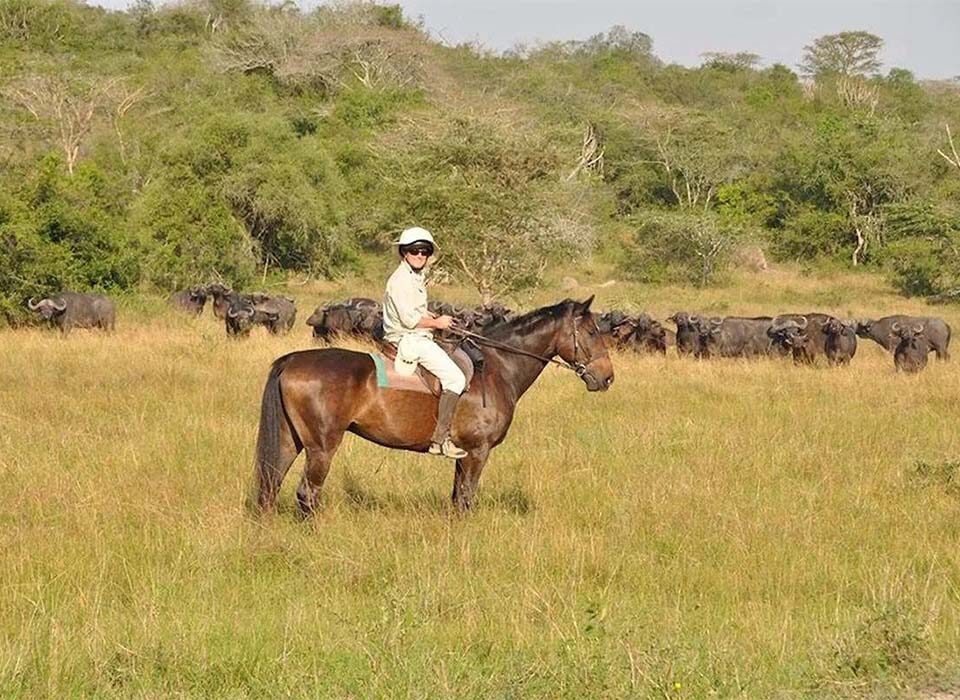
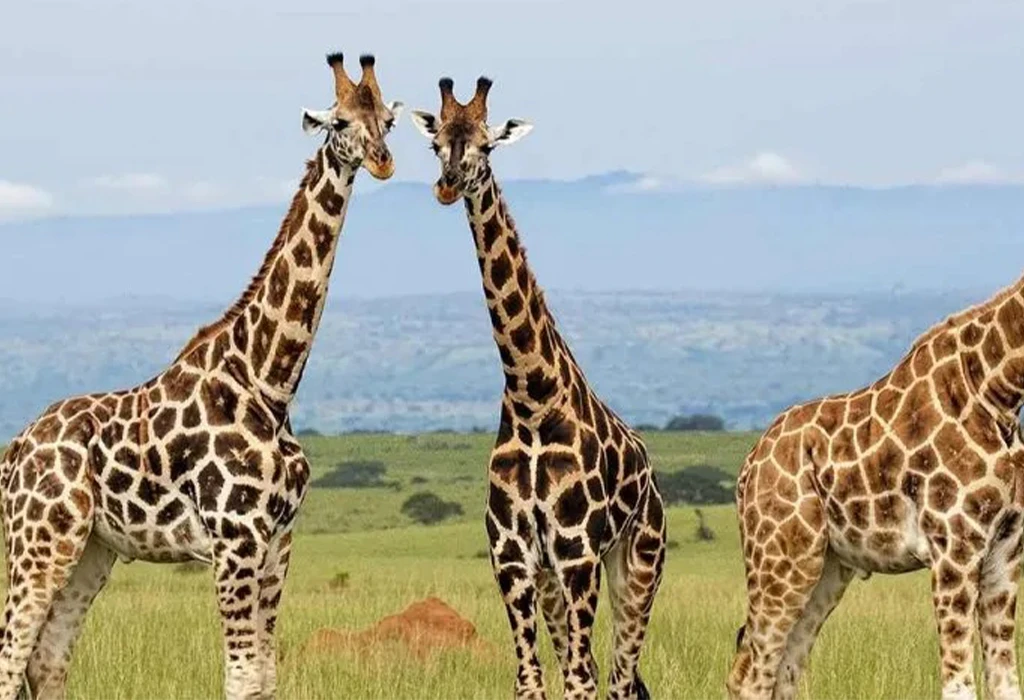
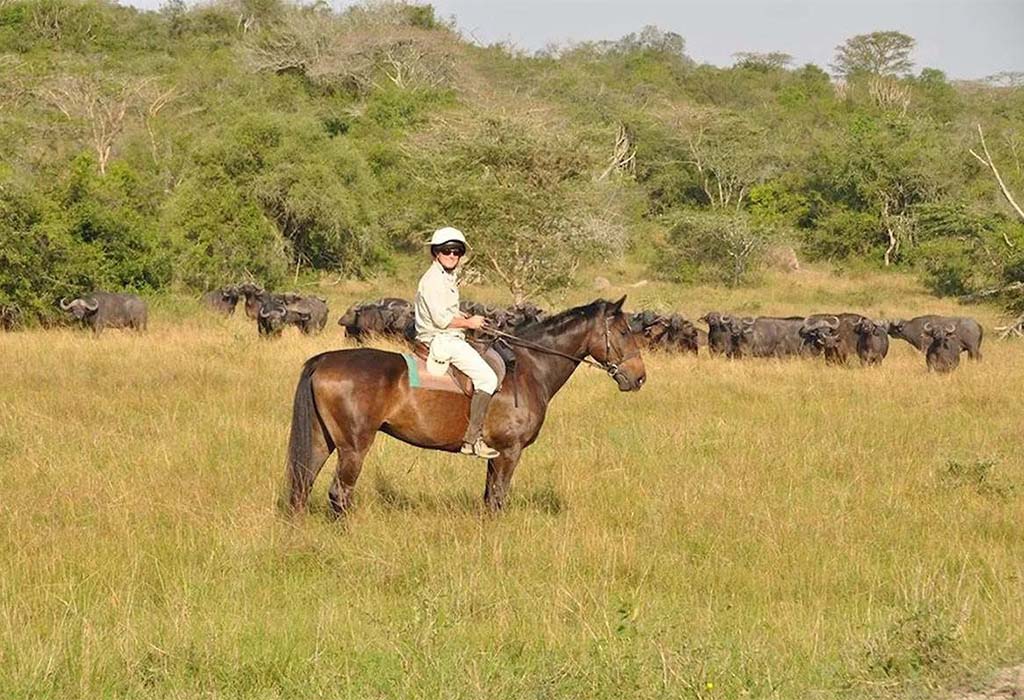
Beyond gorillas, Uganda offers extraordinary wildlife safaris. National parks such as Murchison Falls, Queen Elizabeth, Kidepo Valley, and Lake Mburo provide opportunities to see lions, elephants, buffaloes, leopards, giraffes, and numerous antelope species.
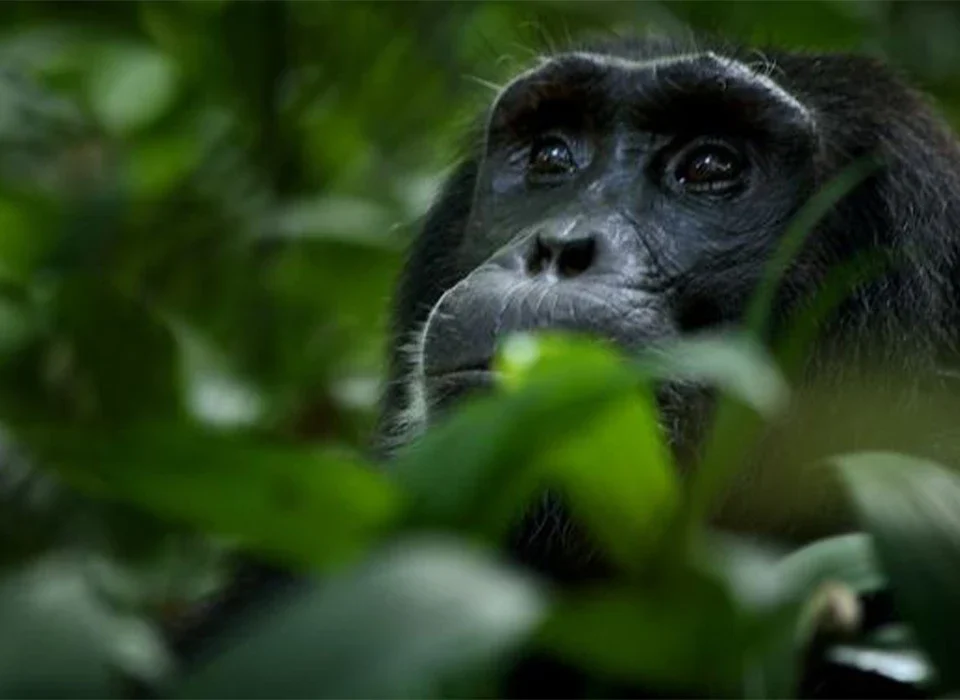
Sanctuaries and conservation areas further enrich the experience. Visitors track rhinos in protected reserves, observe chimpanzees on forested islands, and explore wetlands famous for rare bird species like the shoebill stork.
Because of this diversity, Uganda appeals to adventure seekers, photographers, birdwatchers, and luxury travelers alike.
3. Rich Cultural Heritage
Equally important, Uganda’s cultural diversity strengthens its tourism appeal. The country is home to over 50 tribes, each with distinct traditions, languages, music, and dance.
Travelers increasingly seek authentic cultural experiences. From traditional dances in western Uganda to community visits in the north and royal heritage sites in central Uganda, cultural tourism adds depth to wildlife safaris.
Furthermore, community-based tourism initiatives empower local people to share their traditions while benefiting economically from tourism activities.
4. Strategic Marketing and International Promotion
Over the years, Uganda has invested more in strategic marketing and destination branding. Tourism authorities have developed targeted campaigns to promote Uganda in key international markets, including North America and Europe.
These efforts have significantly improved the country’s global image. Previously, international perceptions often focused on outdated challenges. However, consistent promotion has highlighted Uganda’s strengths its natural beauty, conservation success stories, and warm hospitality.
As a result, international arrivals have steadily increased, and Uganda continues to position itself as the “Pearl of Africa.”
5. Domestic and Regional Tourism Growth
Another major driver of growth is the rise in domestic and regional tourism. Tourism stakeholders have intensified awareness campaigns to encourage Ugandans and East Africans to explore their own country.
Cultural festivals, regional tourism expos, school programs, and social media campaigns have inspired locals to visit national parks, heritage sites, and recreational destinations.
This internal market has strengthened the industry, especially during periods when international travel slowed globally.
6. Improved Infrastructure and Government Policy
Government support has also played a key role. Over the years, Uganda has improved road networks connecting major tourism destinations. For example, better access roads to Bwindi and Mgahinga National Parks have significantly eased travel for visitors.
In addition, the hospitality sector has grown rapidly. Investors have developed new lodges, eco-camps, and hotels that meet international standards. Quality assurance measures now help ensure accommodation facilities provide safe, comfortable, and professional services.
These improvements enhance visitor satisfaction and encourage repeat travel.
7. Strong Conservation Policies
Conservation remains at the heart of Uganda’s tourism success. Authorities enforce strict anti-poaching measures in national parks to protect wildlife populations.
In gorilla trekking areas, for instance, clear regulations require visitors to maintain a safe distance from the primates to prevent disease transmission. These policies protect endangered species while ensuring sustainable tourism.
Moreover, tourism revenue directly supports surrounding communities. Park fees help build schools, health centers, and water projects. When local communities benefit from tourism, they actively participate in conservation efforts, creating a sustainable cycle of protection and development.
8. Community Empowerment and Inclusive Tourism
Importantly, Uganda has increasingly embraced community-based tourism. Local initiatives around protected areas allow communities to earn income through guiding, handicrafts, cultural performances, and accommodation services.
Because residents see tangible benefits from tourism, they value conservation more deeply. This collaboration between communities and conservation authorities strengthens long-term sustainability.
Conclusion
In summary, Uganda’s tourism growth in 2026 results from a powerful combination of stability, biodiversity, improved infrastructure, effective marketing, and strong conservation policies. The country’s unique mountain gorillas, diverse wildlife, rich cultures, and welcoming people continue to position it as one of Africa’s top destinations.
Nevertheless, continued investment in marketing, infrastructure, and service quality remains essential. Tourism is ultimately a people-driven industry, and travelers must constantly discover new reasons to choose Uganda.
With sustained effort and innovation, Uganda’s tourism industry is poised for even greater success in the years ahead.