10 Things You Should Know Before You Visit Rwanda
February 19, 2026
10 Days Uganda Rwanda Safari
February 19, 2026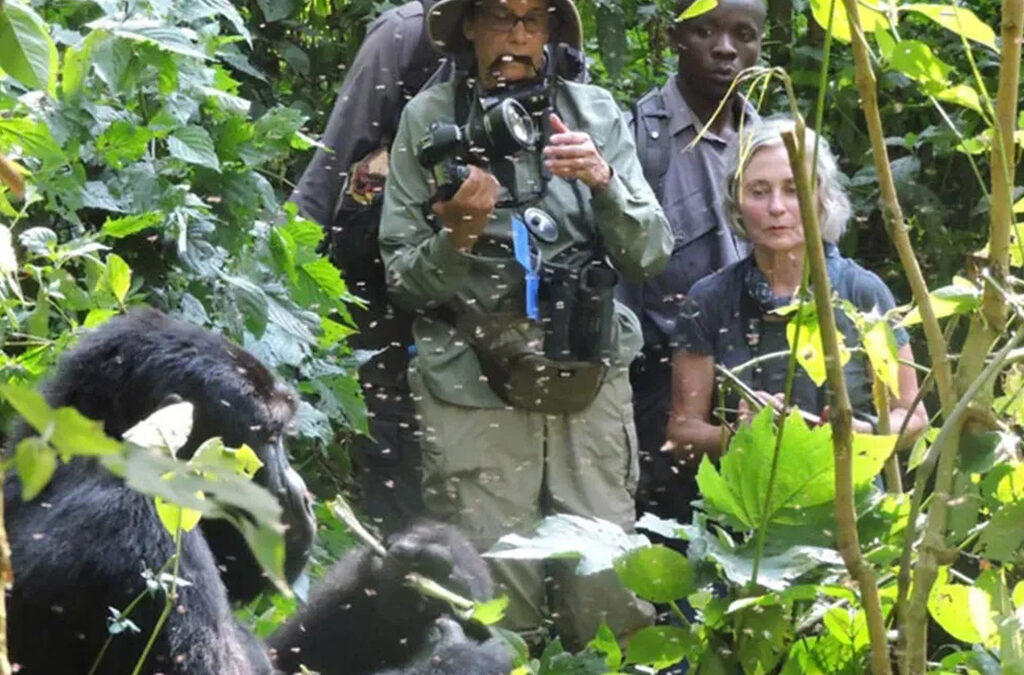
If you are planning a gorilla trekking adventure in Uganda or Rwanda, one of the most important things to consider is the minimum age requirement. In both countries, the official minimum age for gorilla trekking is 15 years old. This regulation applies to all visitors and is strictly enforced to protect both trekkers and the endangered mountain gorillas.
At first, some families may feel disappointed when they learn that younger children cannot automatically participate. However, once you understand the reasons behind this rule, it becomes clear that the age limit exists for safety, conservation, and overall experience quality.
Gorilla trekking is not just a simple walk in the forest. It is a physically demanding, highly regulated wildlife encounter that requires maturity, discipline, and awareness. Let’s explore why this age restriction exists and what options are available for families traveling with younger children.
Why Children Under 15 Are Not Allowed to Trek
Before feeling frustrated about the age restriction, it helps to understand the reasoning behind it. Authorities in Uganda and Rwanda carefully designed this policy after considering health risks, safety factors, and conservation concerns.
Physical Demands of Gorilla Trekking
First and foremost, gorilla trekking can be physically challenging. Trekkers hike through dense tropical forests, navigate muddy trails, cross streams, and climb steep hills at high altitudes. In some cases, the search for a gorilla family can take several hours.
Even adults sometimes find the trek demanding. Therefore, younger children may struggle with endurance, stamina, and sudden weather changes. Rain can fall unexpectedly, making trails slippery and more difficult to manage. Park authorities want to ensure that every trekker can complete the journey safely without putting themselves or others at risk.
Health and Disease Risks
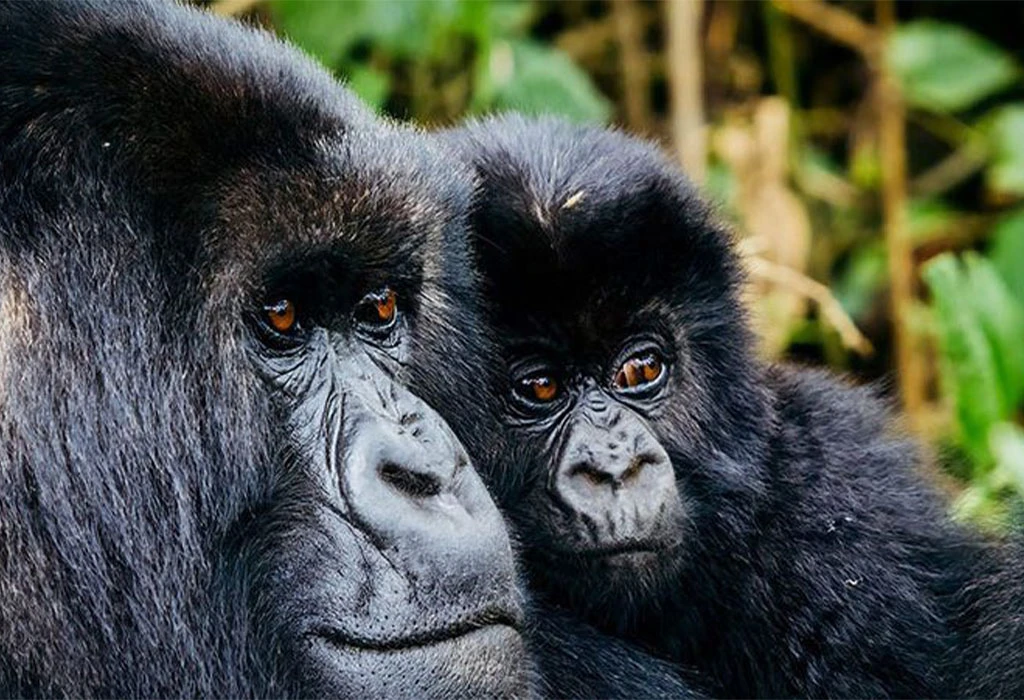
Equally important is the issue of health. Mountain gorillas share approximately 98% of their DNA with humans. Because of this close genetic relationship, they are highly vulnerable to human-transmitted diseases such as flu, coughs, and respiratory infections.
Children typically have developing immune systems and may be more prone to catching or spreading infections. By setting the minimum age at 15, wildlife authorities reduce the likelihood of accidental disease transmission, which could severely impact gorilla populations.
At the same time, forests are home to insects, plants, and environmental conditions that may trigger allergic reactions or other health concerns in younger children. The age restriction therefore protects both the gorillas and the young visitors.
Ability to Understand and Follow Instructions
During the trek, park rangers provide strict guidelines that every participant must follow. For example, trekkers must maintain a seven-meter distance from the gorillas, avoid direct eye contact, speak in low voices, and never make sudden movements.
In addition, if a gorilla approaches, trekkers must remain calm and follow ranger instructions immediately. These rules are non-negotiable.
Children under 15 may struggle to fully understand the seriousness of these instructions. In high-pressure situations, they might panic or react unpredictably. Since gorillas are powerful wild animals, even small disruptions can create unnecessary tension.
Emotional Reactions and Fear
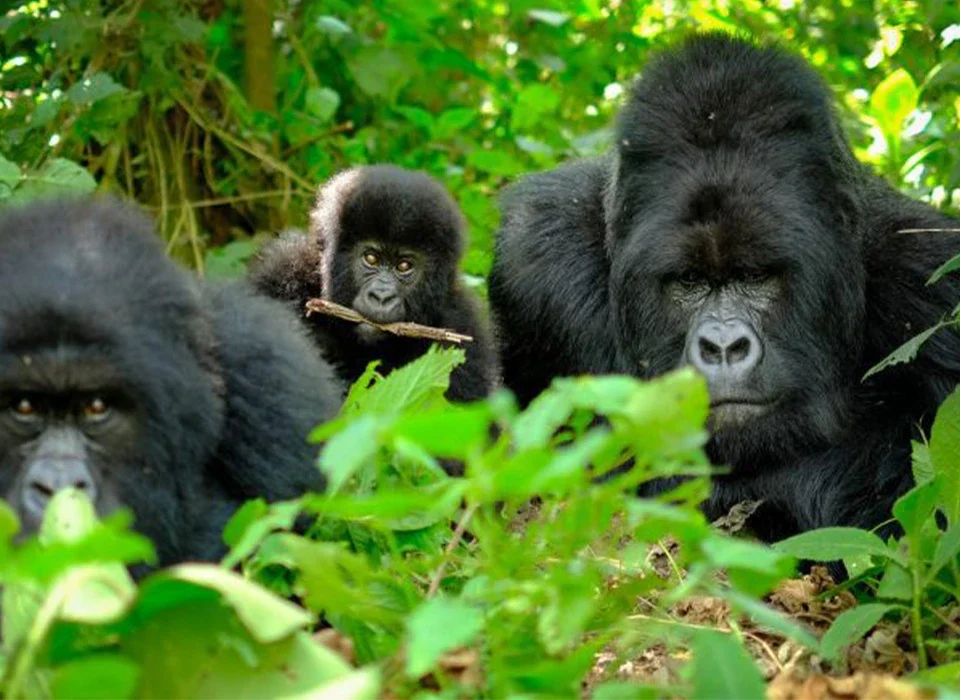
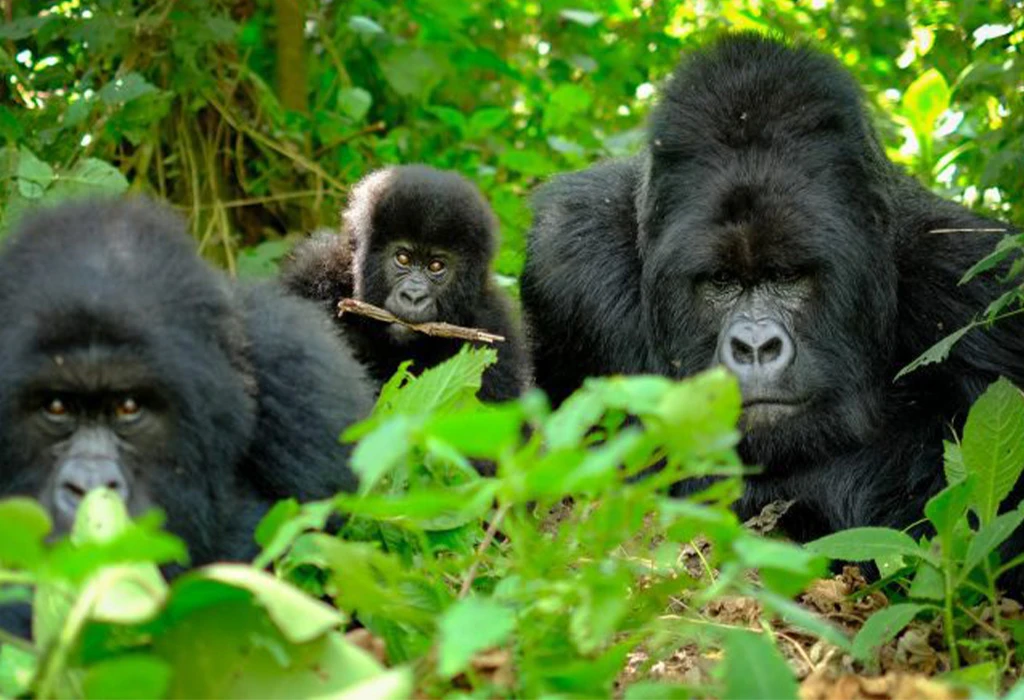
Although mountain gorillas are generally peaceful, their size and strength can be intimidating. A fully grown silverback can weigh over 180 kilograms. Standing just a few meters away from such a magnificent creature can feel overwhelming.
Younger children may become frightened, cry, or attempt to run. Unfortunately, sudden movements or loud noises can disturb the gorillas and potentially provoke defensive behavior. Authorities therefore prioritize emotional maturity when setting the age requirement.
Natural Curiosity and Playfulness
Children are naturally curious and playful. If they see a baby gorilla, they might instinctively want to wave, move closer, or interact. However, what may seem like harmless behavior could be perceived as a threat by protective adult gorillas.
For this reason, the age limit ensures that participants can control impulses and fully respect wildlife boundaries.
Exceptions for Younger Trekkers in Uganda
While Rwanda strictly enforces the 15-year minimum age, Uganda sometimes allows limited exceptions for children between the ages of 12 and 14. However, these exceptions are not automatic.
If you are traveling with a child in this age range, you must request special permission from the Uganda Wildlife Authority (UWA). This process requires careful planning.
First, the child must be physically fit and capable of handling the trek. Second, a parent or guardian must accompany the child throughout the experience. Third, you must write a formal request letter to UWA explaining why your child is suitable for the trek.
In the letter, you should clearly state that your child is mature, disciplined, physically strong, and able to follow ranger instructions. You may also highlight prior hiking experience or outdoor activities that demonstrate preparedness.
If UWA approves the request, the child may participate in gorilla trekking in Bwindi Impenetrable National Park or Mgahinga Gorilla National Park. However, approval remains at the discretion of wildlife authorities.
At Experiya Tour Company, we guide families through this application process and ensure all requirements are properly submitted in advance.
Gorilla Permit Costs and Requirements
Every trekker must secure a gorilla permit before visiting the parks. Authorities limit the number of daily permits to protect the gorillas and maintain a low-impact tourism model.
Currently, Uganda’s gorilla permit costs are as follows:
- USD 800 for foreign non-residents
- USD 700 for foreign residents
- USD 500 for other African nationals
- UGX 300,000 for East African citizens
Travelers must carry valid identification on the day of trekking. For children aged 12 to 14 who receive special approval, authorities require both identification and the official authorization letter from UWA.
Because permits sell out quickly especially during peak seasons from June to September and December to February it is essential to book well in advance.
Experiya Tour Company assists travelers in securing permits early, organizing accommodation, and coordinating transportation to ensure a seamless gorilla trekking experience.
Planning a Family Safari with Younger Children
If you are traveling with children under 15 who cannot trek, do not worry. Uganda and Rwanda offer many alternative activities suitable for younger travelers.
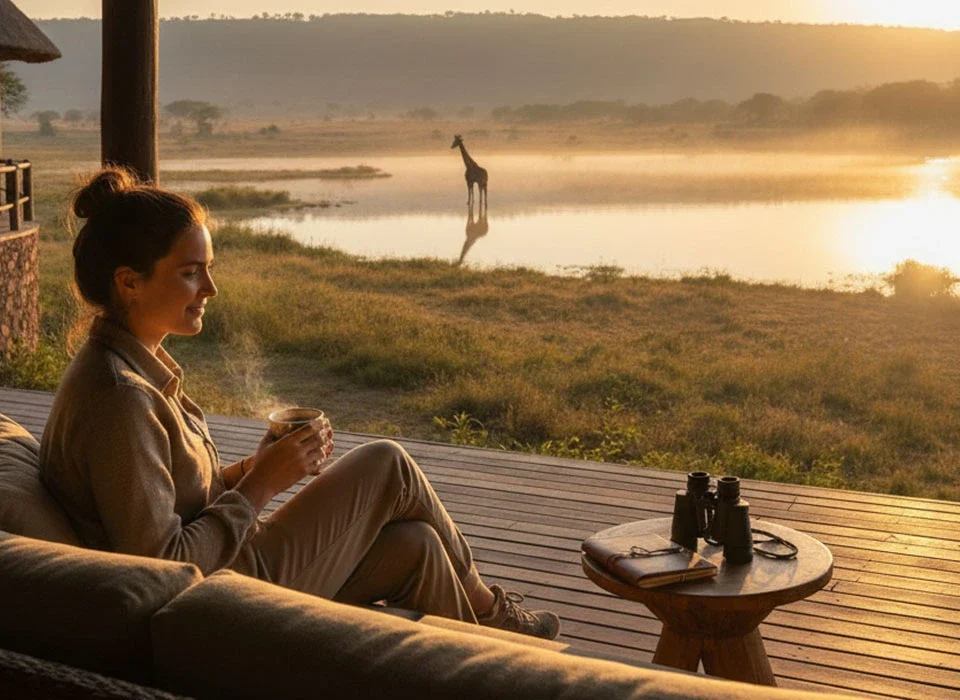
Families can enjoy nature walks, cultural village visits, boat cruises, wildlife game drives, and community experiences while older family members participate in gorilla trekking. In some lodges near Bwindi, babysitting services or guided children’s activities are available.
This way, everyone in the family can enjoy a meaningful safari experience.
Final Thoughts
Gorilla trekking is one of the most extraordinary wildlife encounters in the world. Standing face to face with a mountain gorilla in its natural habitat leaves a lasting impression that few experiences can match.
However, the minimum age requirement of 15 years exists for important reasons. Authorities designed this policy to protect the gorillas, safeguard visitors, and ensure every trek unfolds safely and respectfully.
If you plan to travel with a younger child aged 12 to 14 in Uganda, you may apply for special permission through the proper channels. With preparation, guidance, and approval, your family can still experience this remarkable adventure.
At Experiya Tour Company, we help you navigate permit requirements, organize logistics, and prepare thoroughly for your gorilla trekking journey. With the right planning, your safari in Uganda or Rwanda will become a safe, responsible, and unforgettable experience.