Combining the Big Five Safari with Gorilla Habituation in Uganda
February 16, 2026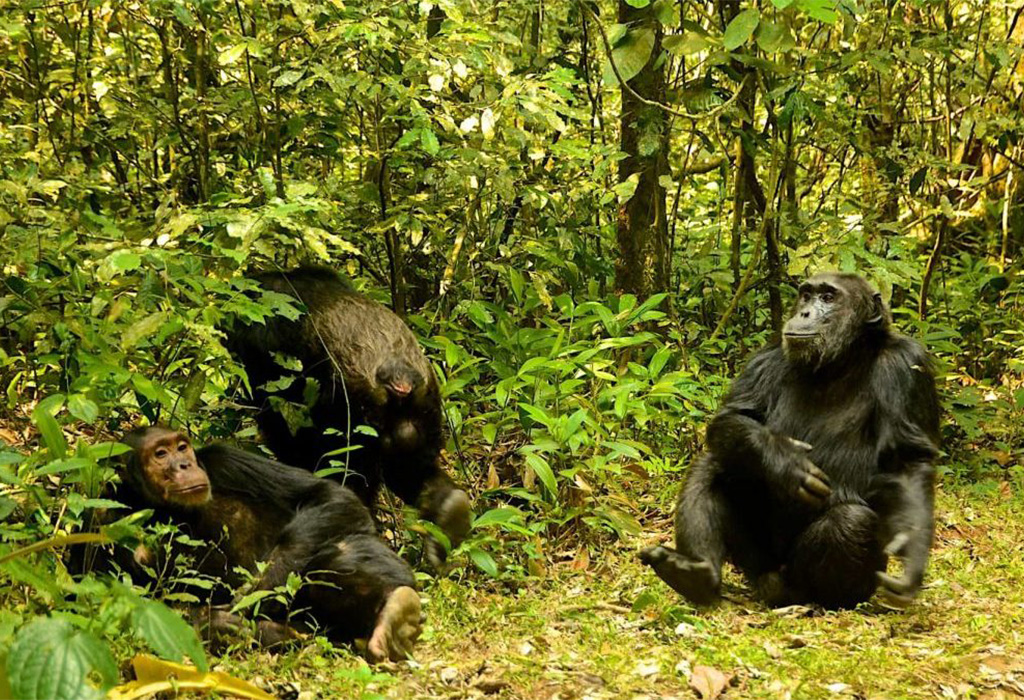
Chimpanzee Families in Nyungwe Forest National Park
February 16, 2026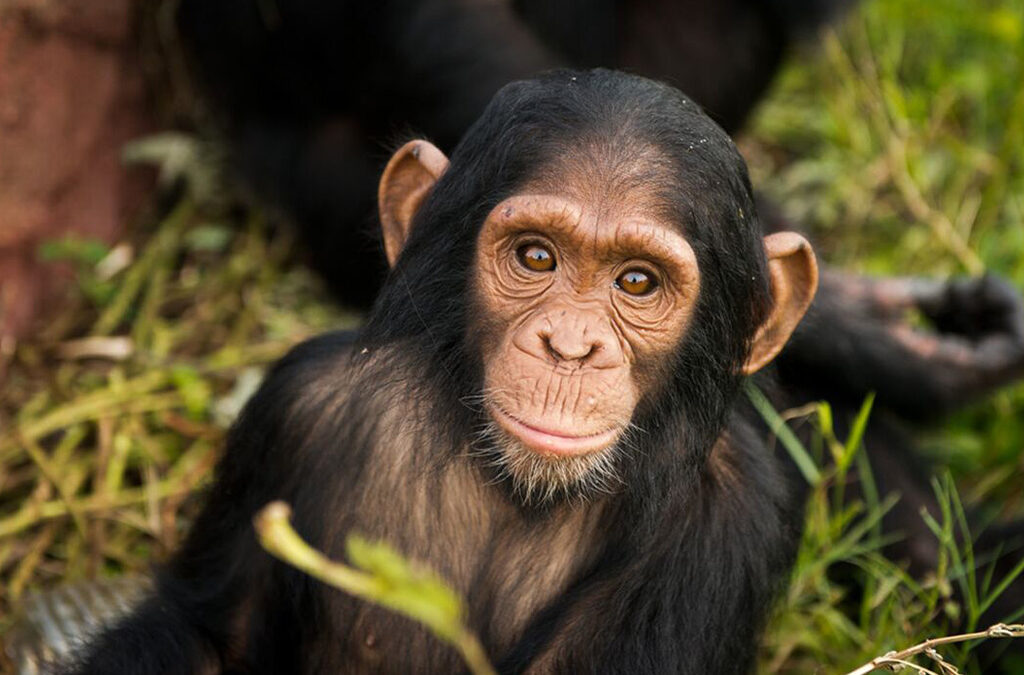
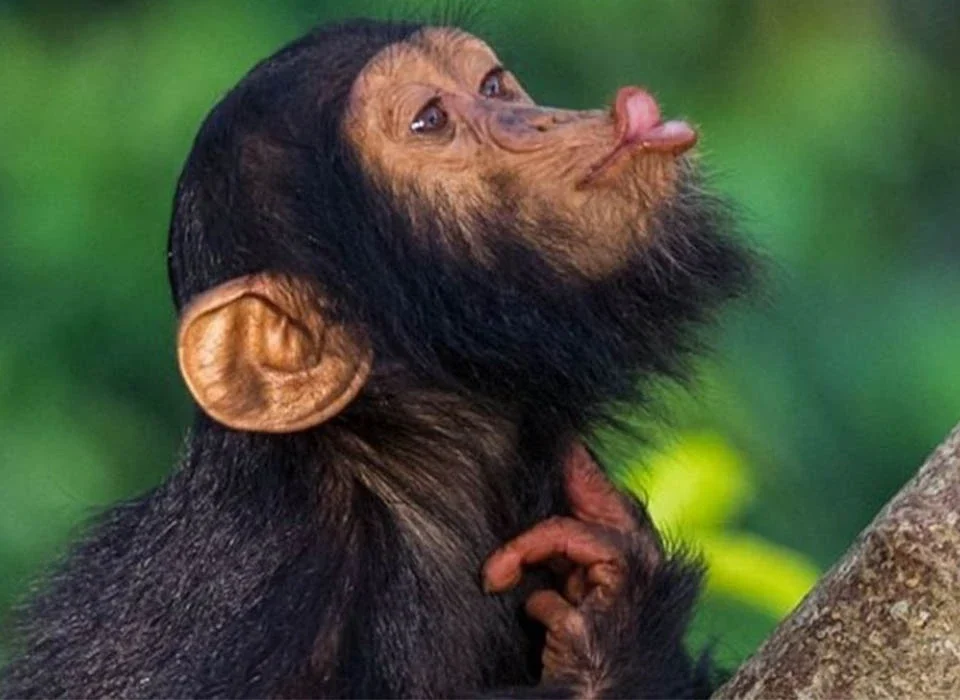
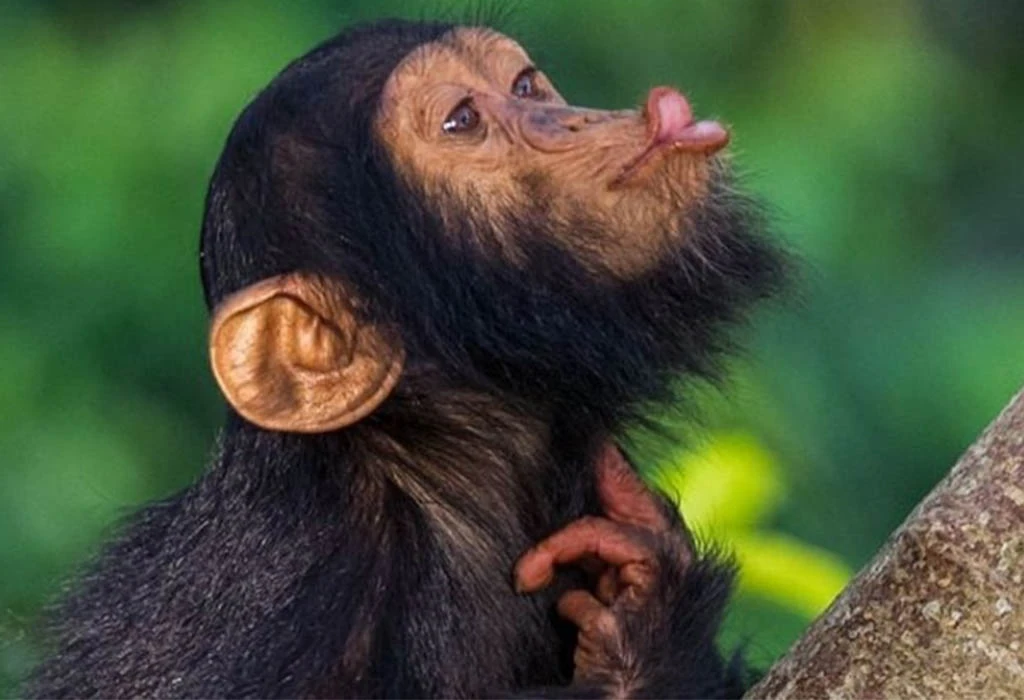
Chimpanzees are our closest living relatives in the animal kingdom, sharing approximately 98.7% of human DNA. Because of this remarkable genetic connection, they display emotions, intelligence, and social behaviors that often feel strikingly familiar. When you watch a chimpanzee carefully groom a companion, solve a problem, or comfort a distressed infant, you are witnessing echoes of our own evolutionary story.
Across the forests and savannahs of equatorial Africa, chimpanzees play a vital ecological role. At the same time, they continue to surprise scientists and fascinate wildlife lovers from around the world. If you are planning a primate safari in East Africa, understanding these extraordinary animals will make your experience even more meaningful.
Here are 15 incredible facts about chimpanzees, explained in an engaging and human-centered way, to reveal just how remarkable these great apes truly are.
1. Chimpanzees Are Our Closest Genetic Relatives
First and foremost, chimpanzees share nearly 99% of our DNA. This close genetic link explains why we see so many similarities between humans and chimps from facial expressions to emotional responses.
For example, chimpanzees laugh during play, form lifelong bonds, and even display complex social politics. Because of this genetic closeness, scientists study chimpanzees to better understand human evolution, behavior, and cognition.
2. They Live in Large, Complex Communities
Unlike many other primates, chimpanzees live in highly organized social groups known as fission-fusion societies. This means the larger community sometimes up to 150 individuals splits into smaller sub-groups that change daily.
Throughout the day, individuals join and leave smaller parties depending on food availability, mating opportunities, or social alliances. Typically, a dominant male leads the community, but leadership depends heavily on alliances and social intelligence rather than strength alone.
As a result, chimpanzee societies resemble intricate social networks filled with friendships, rivalries, and shifting dynamics.
3. They Skillfully Use Tools
For many years, scientists believed only humans used tools. However, chimpanzees quickly proved otherwise.
In the wild, chimpanzees:
- Use sticks to fish termites from mounds
- Crack hard nuts using stones as hammers
- Fold leaves into sponges to collect drinking water
- Sharpen sticks to hunt small animals
These behaviors are not random. Instead, young chimps learn tool use by carefully observing adults. Over time, different chimpanzee communities develop unique techniques, creating what researchers call chimpanzee culture.
4. They Communicate with Impressive Complexity
Chimpanzees rely on an advanced communication system that includes gestures, vocalizations, and facial expressions.
For instance, they use:
- Loud pant-hoots to announce their location
- Screams to signal danger
- Soft grunts during feeding
- Facial expressions to show fear, excitement, or submission
Because of this complex communication system, group members maintain strong social bonds and coordinate movements efficiently within dense forests.
5. Chimpanzees Are Brilliant Problem Solvers
Chimpanzees consistently impress researchers with their cognitive abilities. In controlled studies, they have demonstrated the ability to:
- Remember number sequences
- Solve multi-step puzzles
- Use symbols to communicate
- Plan ahead for future tasks
In fact, some studies show that chimpanzees outperform humans in short-term memory tests involving numbers. Their intelligence highlights the deep evolutionary roots of human cognition.
6. They Form Deep Emotional Bonds
Emotionally, chimpanzees display remarkable sensitivity. Mothers nurture their infants with exceptional care, often carrying them constantly for months. Even after weaning, young chimps remain close to their mothers for several years.
Additionally, adult chimpanzees console distressed companions through grooming or gentle touch. They express joy during play, anger during conflict, and empathy during times of stress.
Because of these emotional connections, observing chimpanzees in the wild often feels deeply moving.
7. They Mourn Their Dead
Perhaps one of the most profound facts about chimpanzees is their response to death. When a group member dies, others may remain unusually quiet, groom the body, or sit nearby for extended periods.
Mothers, in particular, have been observed carrying deceased infants for days. Although scientists continue to study these behaviors, such actions strongly suggest a complex emotional understanding of loss.
8. Their Diet Is Omnivorous
Chimpanzees primarily eat fruits, which make up the largest portion of their diet. However, they also consume:
- Leaves
- Seeds
- Flowers
- Bark
- Insects
Interestingly, chimpanzees also hunt small mammals such as monkeys and bush babies. During these hunts, they cooperate strategically and later share the meat among group members, strengthening social bonds.
9. They Can Live Over 50 Years
In the wild, chimpanzees typically live between 40 and 50 years. However, in protected environments such as sanctuaries, some individuals have reached their 60s with proper care and medical attention.
Longevity allows them to develop deep social histories and complex relationships within their communities.
10. Chimps Practice Cooperation and Altruism
Chimpanzees regularly demonstrate cooperation. They defend each other from threats, support allies during disputes, and assist injured group members.
Food sharing, especially after a successful hunt, reinforces alliances and strengthens social structures. Although competition exists, cooperation remains essential for survival.
11. They Walk on All Fours but Can Stand Upright
Chimpanzees primarily move using knuckle-walking, which protects their fingers while traveling on the ground. Nevertheless, they can stand and walk upright for short distances, particularly when carrying food or scanning their surroundings.
This occasional bipedal movement offers fascinating insights into early human evolution.
12. Grooming Is the Glue That Holds Society Together
While grooming removes dirt and parasites, it serves a much deeper purpose. Chimpanzees use grooming to:
- Strengthen friendships
- Repair conflicts
- Reduce stress
- Reinforce alliances
In many ways, grooming functions as the social currency of chimpanzee society.
13. Young Chimps Depend on Their Mothers for Years
Infant chimpanzees remain completely dependent on their mothers for up to five years. During this time, they learn essential survival skills, including:
- Foraging techniques
- Tool use
- Social etiquette
- Predator awareness
This extended childhood allows for advanced learning and brain development.
14. Chimpanzees Are Endangered
Sadly, chimpanzees face serious threats across Africa. Habitat loss due to deforestation, illegal poaching, disease transmission, and human-wildlife conflict have drastically reduced their numbers.
Today, fewer than 300,000 chimpanzees remain in the wild. Conservation efforts, protected areas, and responsible tourism play a crucial role in safeguarding their future.
15. You Can See Chimpanzees in the Wild in Uganda
If you want to experience chimpanzees in their natural habitat, Uganda offers some of the best chimpanzee trekking opportunities in Africa.
Top destinations include:
- Kibale Forest National Park – Often called the “Primate Capital of the World”
- Budongo Forest – Known for excellent tracking success rates
- Kyambura Gorge – A dramatic forested canyon in Queen Elizabeth National Park
During a guided trek, experienced rangers lead you deep into the forest to locate a habituated chimpanzee community. Once you find them, you can observe their behaviors, interactions, and playful energy up close.
With Experiya Tour Company, you can plan a responsible and well-organized chimpanzee tracking safari that supports conservation while delivering an unforgettable wildlife experience.
Plan Your Primate Safari with Experiya Tour Company
Chimpanzees offer more than just a wildlife encounter. They provide a rare and powerful window into our shared origins. Watching them swing through treetops, nurture their young, or collaborate during feeding reveals just how interconnected life on Earth truly is.
If you are dreaming of a primate adventure in Uganda, Experiya Tour Company will design a personalized safari that combines chimpanzee tracking, cultural encounters, and breathtaking landscapes.
Now is the perfect time to explore Uganda’s tropical forests and witness one of Africa’s most intelligent and awe-inspiring species in the wild.
Contact Experiya Tour Company today and begin planning your unforgettable chimpanzee trekking safari.