
How Much Is Gorilla Trekking in Uganda in 2026?
February 14, 2026
Why Plan Your Honeymoon Holiday in Rwanda with Experiya Tour Company
February 14, 2026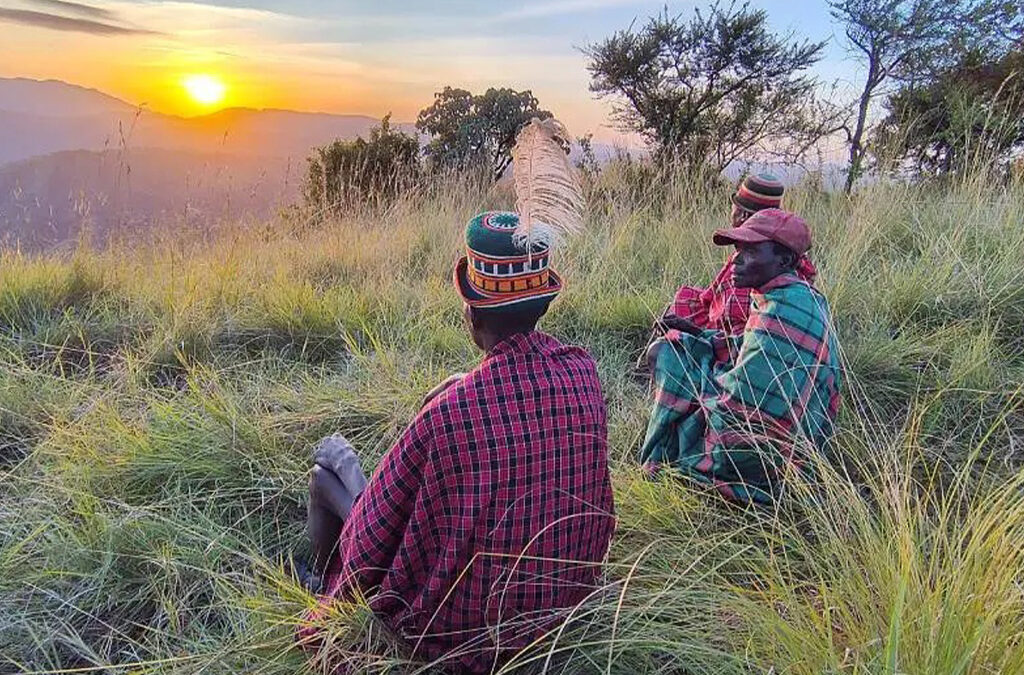
Uganda is home to diverse cultures, but few communities have preserved their traditions as proudly and authentically as the Karamojong people. When you journey to the northeastern corner of the country, you step into a land where cattle define wealth, elders guide society, and ancient customs still shape everyday life. Exploring Karamoja is not simply a tour; it is an immersion into one of East Africa’s most resilient and fascinating cultures.
The Karamojong are believed to have migrated into Uganda around the 1600s from Ethiopia. They eventually settled around Mount Moroto and across the vast plains of what is now known as the Karamoja sub-region. Today, they live in districts such as Moroto, Abim, Kotido, and Kaabong. They speak the Karamojong language, and their identity remains deeply rooted in pastoral traditions. The name “Karimojong” is said to originate from the phrase ekar ngimojong, loosely translated to mean “the old men can walk” or “the old one who stayed behind,” reflecting their historical journey and settlement.
Culture and Traditions of the Karamojong
At the heart of Karamojong culture lies cattle keeping. Cattle are more than livestock; they symbolize wealth, pride, identity, and social status. A man’s prestige often depends on the number of cows he owns. Beyond economic value, cattle play a central role in ceremonies, marriage arrangements, and community gatherings.
Although pastoralism remains dominant, the Karamojong also practice crop cultivation. The fertile soils in parts of Karamoja support the growing of crops such as sorghum and maize. Over time, this blend of pastoral and agricultural practices has strengthened their resilience in a semi-arid environment.
What makes Karamoja particularly special is its authenticity. Unlike many destinations that have modernized rapidly, this region still preserves its traditional structures and customs. As a result, visitors who travel with Experiya Tour Company often describe Karamoja as one of the most genuine rural tourism experiences in Uganda. Although the region does not receive as many visitors as other safari destinations, those who venture there rarely regret the journey. Instead, they discover experiences that feel untouched and rare in today’s fast-changing world.
Family roles within Karamojong society remain clearly defined. Traditionally, men take responsibility for herding cattle and protecting the community, while women manage the home and care for children. Women also participate in building homes, collecting firewood, and preparing food. Marriage is a significant milestone, and dowry plays a central role. A man must pay bride price in the form of cows. Without cattle, marriage negotiations become nearly impossible. This practice reinforces the value of livestock within the community and strengthens family bonds.
Community life in Karamoja emphasizes sharing. Food, water, and even cattle resources are often managed collectively. During ceremonies, people gather to celebrate with traditional songs and dances that echo across the plains. Visitors may witness unique cultural practices, such as drinking milk mixed with blood drawn carefully from cattle. The Karamojong call this mixture “Ekyalakanu.” They skillfully spear the cow’s neck without killing the animal, collect the blood, and then allow the wound to heal. In addition, they use cow hides to make blankets and clothing, while cow dung and urine help in constructing and strengthening their grass-thatched houses known as manyattas.
Social Life and Organization of the Karamojong People
The Karamojong maintain a structured social system guided by elders. Clan elders hold authority and make decisions that protect customs and resolve disputes. Leadership rotates according to age-set systems and generational lines, which helps prevent conflicts and ensures continuity. This organized structure has allowed the community to preserve its traditions for centuries.
While the Karamojong may appear reserved toward outsiders, they share strong bonds among themselves. Their communal lifestyle encourages cooperation and unity. For example, when constructing homes or organizing ceremonies, families work together rather than individually. This spirit of solidarity defines daily life.
One of the most distinctive aspects of Karamojong social life is the traditional wrestling practice linked to marriage. In some communities, a young man must prove his strength by wrestling before he qualifies to marry a woman from Karamoja. Winning demonstrates courage, physical ability, and readiness to protect a family and its livestock. If he loses, society may consider him unprepared for marriage within the community. This custom reinforces values of bravery and responsibility.
You can easily recognize the Karamojong by their attire. Their style resembles that of the Maasai, with colorful wraps and distinctive adornments. Both men and women wear metallic bands around their ankles and wrists. Beaded jewelry and traditional hairstyles further express identity and pride. In religious, political, and social matters, culture remains the guiding force that shapes decisions and daily life.
The Best Time to Visit Karamoja
Timing your visit to Karamoja greatly enhances your experience. The best months to explore the region fall within the dry seasons, particularly from June to September and from December to February. During these periods, roads become more accessible, and travel conditions improve significantly. Moreover, community gatherings and cultural celebrations often take place during the dry season, allowing visitors to witness dances, storytelling, and communal activities at their most vibrant.
The dry months also provide clearer skies and expansive views of Karamoja’s dramatic landscapes. Golden plains stretch toward distant mountains, creating a setting that feels both wild and peaceful.
Why You Should Not Miss Karamoja on Your Uganda Safari
When planning a safari in Uganda, many travelers focus on gorilla trekking or wildlife viewing. However, adding Karamoja to your itinerary transforms your journey into something far deeper. Visiting Karamoja allows you to disconnect from modern distractions and reconnect with a community that proudly preserves its heritage.
Rather than observing culture from a distance, you step directly into living history. You walk through manyattas, sit with elders, listen to stories passed down through generations, and learn firsthand how pastoral life shapes identity. Experiya Tour Company designs cultural experiences that respect community values while creating meaningful connections between visitors and local families.
Ultimately, Karamoja offers more than sightseeing. It offers understanding, perspective, and memories that remain long after the journey ends.
Other Things to Do in Karamoja
Although culture forms the heart of Karamoja, the region also boasts remarkable natural attractions. Wildlife viewing becomes an exciting addition to your cultural exploration, especially because Karamoja neighbors Kidepo Valley National Park. Kidepo ranks among Africa’s most spectacular and less crowded parks. Here, you can enjoy game drives that reveal cheetahs, elands, zebras, elephants, and large herds of buffalo. The dramatic landscapes of open savannah and rugged mountains create unforgettable safari moments.
Birding enthusiasts also find Karamoja rewarding. Kidepo Valley National Park hosts over 475 bird species, making it a prime destination for bird lovers. You may spot Egyptian vultures, ostriches, and many other unique species that thrive in the semi-arid environment.
Another highlight includes visiting the Kanangorok Hot Springs, located near the South Sudan border. The name loosely translates to “the place of black stones.” These bubbling hot springs simmer near the seasonal Kidepo River and attract visitors who believe in their healing properties, particularly for skin conditions. The drive to the hot springs offers scenic views and opportunities to observe wildlife along the way.
How to Get to Karamoja
Travelers can access Karamoja by both road and air. By road, the journey from Kampala typically takes between eight and twelve hours, depending on the route and road conditions. You can travel via Mbale or Gulu, passing through changing landscapes that gradually reveal the rugged beauty of northeastern Uganda.
Alternatively, those who prefer a quicker option can schedule chartered flights from Kampala to Moroto Airstrip. From there, ground transfers connect you to different parts of the Karamoja region. Experiya Tour Company organizes seamless travel arrangements to ensure comfort and safety throughout the journey.
Where to Stay in Karamoja
Accommodation in Karamoja ranges from immersive cultural camps to comfortable hotels and luxury lodges. Experiya Tour Company works with carefully selected properties that enhance your overall experience.
Kara-Tunga Safari Camp offers immersive cultural tours and remains one of the region’s established accommodations. It provides visitors with close interaction opportunities and guided community visits.
Mount Moroto Hotel suits travelers seeking both comfort and adventure. Its location allows easy access to cultural sites and scenic hiking opportunities around Mount Moroto.
For those combining cultural exploration with wildlife viewing, Apoka Safari Lodge inside Kidepo Valley National Park provides a luxury option. The lodge offers stunning views and close proximity to game drive routes, creating a perfect balance between comfort and wilderness.
A Journey into Living Heritage
Your exploration of the Karamoja region promises an authentic adventure into traditional life. From manyattas to cattle kraals, every encounter deepens your understanding of a culture that remains firmly rooted in tradition. The rhythm of drums, the sight of vast cattle herds, and the warmth of community hospitality combine to create a memorable connection.
When you travel to Karamoja, you do more than observe. You listen, learn, and share moments that bridge worlds. Through carefully curated experiences by Experiya Tour Company, you gain insight into a way of life that continues to thrive against the odds.
In the end, Karamoja is not simply a destination on the map. It is a story of resilience, identity, and pride. And once you experience it, you carry a part of that story with you wherever you go.
