Uganda Fishing Adventures on Lake Albert: A Fisherman’s Paradise
February 14, 2026
Explore the Karamojong Way of Life
February 14, 2026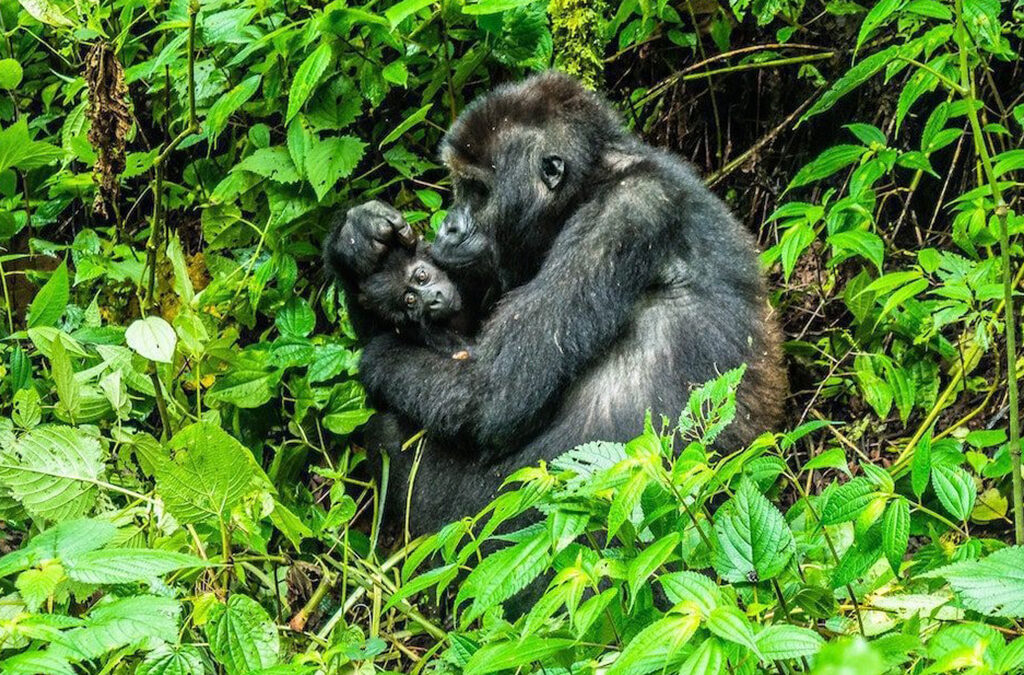
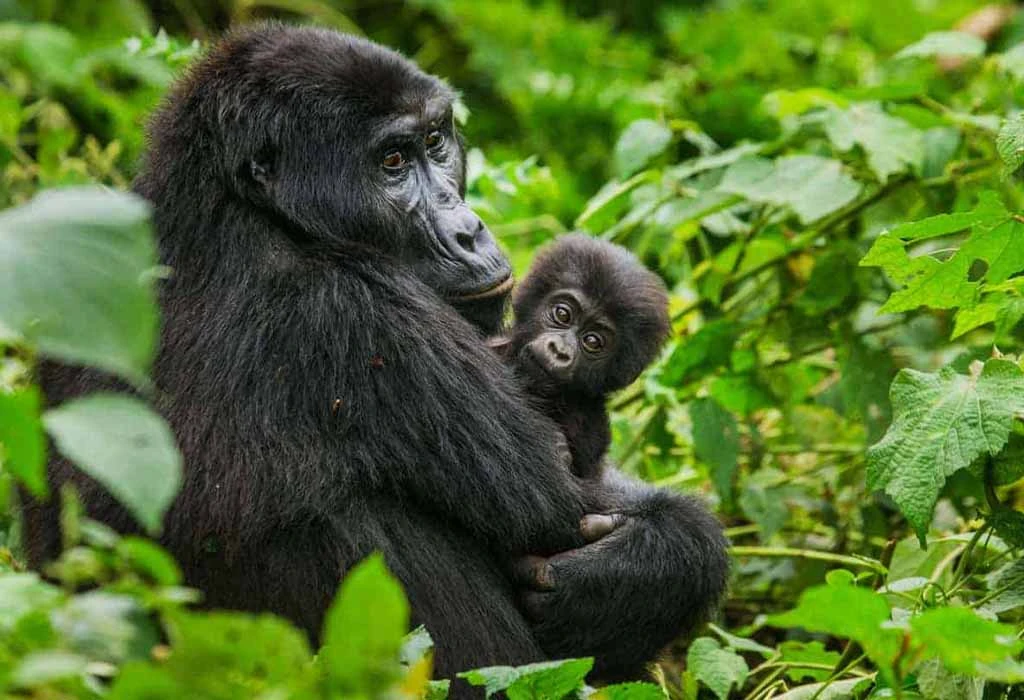
Are you planning a trip to see the endangered mountain gorillas in Uganda and wondering about the cost in 2026? Here is everything you need to know, clearly explained and updated.
In 2026, a gorilla trekking permit in Uganda costs $800 per person per trek for foreign non-residents, $700 per person per trek for foreign residents, and UGX 300,000 for East African citizens. These rates are set by the Uganda Wildlife Authority (UWA) and are officially projected to remain valid until 30th June 2026, unless policy changes occur.
The permit includes park entrance fees, professional ranger guides, one full hour with a habituated mountain gorilla family, and a conservation contribution toward protecting these endangered primates. Considering the rarity of mountain gorillas and the limited number of permits issued daily, the experience offers exceptional value.
Gorilla Habituation Experience – Spend Four Hours with Gorillas
If you would like to spend more time with the gorillas, Uganda offers something truly unique: the Gorilla Habituation Experience.
This immersive experience costs $1,500 per person per trek and allows you to spend four hours with semi-habituated gorillas. It is available in the Rushaga and Nkuringo sectors of Bwindi Impenetrable National Park.
Unlike the standard one-hour trek, this experience allows you to join researchers and rangers as they help gorillas gradually become accustomed to human presence. As a result, it is more immersive, more exclusive, and available only in Uganda.
Where to Trek Gorillas in Uganda
Uganda offers gorilla trekking in two national parks, each providing a distinct experience.
Bwindi Impenetrable National Park
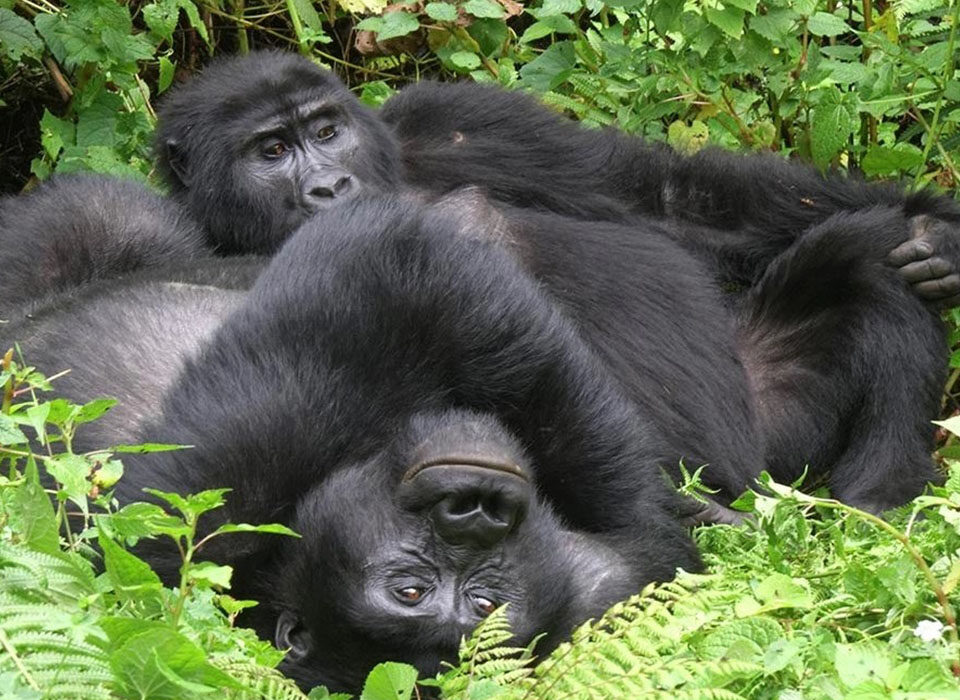
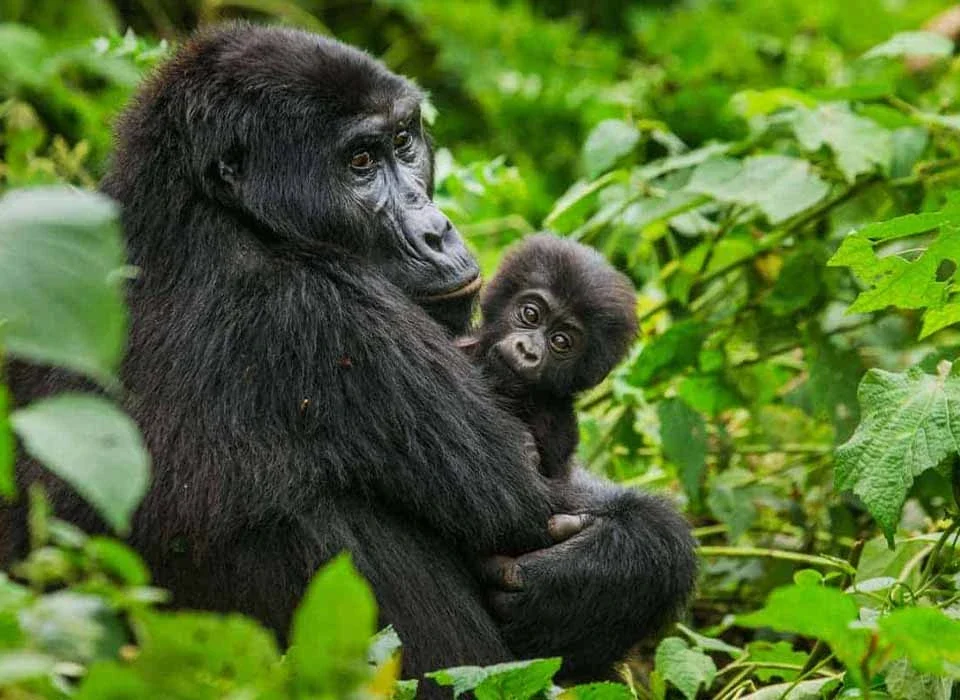
Bwindi is home to more than half of the world’s remaining mountain gorillas. The park is divided into four trekking sectors.
Buhoma, located in the north, has relatively flatter terrain and is ideal for older trekkers or those seeking easier hikes. Ruhija, in the northeast, offers scenic landscapes and excellent birding opportunities. Rushaga, in the south, has the highest number of gorilla families and is also where the habituation experience is offered. Nkuringo, in the southwest, features steeper terrain, fewer tourists, and also provides access to the habituation experience.
Mgahinga Gorilla National Park
Meanwhile, Mgahinga Gorilla National Park, located in southwestern Uganda, has one habituated gorilla family. Although smaller than Bwindi, it offers a quieter trekking experience. In addition, visitors can enjoy golden monkey tracking and rich cultural encounters with the Batwa community.
Best Time for Gorilla Trekking in Uganda
Although gorilla trekking takes place year-round, the best months are during the dry seasons, which run from June to September and from December to February.
During these months, trails are less muddy, hiking is easier, and visibility is clearer. However, because demand is high, permits sell out quickly. Therefore, booking six to twelve months in advance is strongly recommended.
On the other hand, the wet seasons, which occur from March to May and October to November, offer lush scenery and lower lodge rates. Nevertheless, trails can be slippery and more physically demanding.
Uganda or Rwanda: Which Is Better for Gorilla Trekking?
This is one of the most frequently asked questions among travelers planning a gorilla safari.
Some travelers choose Rwanda because Volcanoes National Park is only two to three hours from Kigali International Airport. Additionally, the bamboo vegetation often makes photography easier, and driving distances are generally shorter.
However, many travelers choose Uganda because the permit cost is significantly lower at $800 compared to Rwanda’s higher rate. Uganda also offers more gorilla families, the exclusive gorilla habituation experience, and diverse trekking sectors with varying terrain.
Previously, travelers hesitated to choose Uganda due to the nine to ten-hour drive from Entebbe to Bwindi. However, many now fly into Kigali and drive only four to five hours to Bwindi. Furthermore, by using the East African Tourist Visa, travelers can visit both countries with a single visa.
In terms of the actual gorilla encounter, the experience is nearly identical. Both countries offer approximately a 98 percent success rate of seeing gorillas. The main difference lies in vegetation. Rwanda and Mgahinga feature bamboo forests with clearer views, whereas Bwindi offers dense tropical rainforest and a dramatic jungle setting.
Ultimately, the best choice depends on your budget, fitness level, and travel style.
How Long Does a Gorilla Trek Take?
A gorilla trek typically lasts between three and seven hours. The duration depends on the location of the gorilla family, their movement on that particular day, the weather conditions, and the terrain.
The day begins at 7:45 a.m. with a briefing about rules and safety guidelines. Afterward, rangers assign visitors to a specific gorilla family and guide them into the forest. Once the gorillas are located, you are allowed to spend one unforgettable hour observing them in their natural habitat.
How Many People Visit Each Gorilla Family Per Day?
To protect the gorillas and minimize disease transmission, only eight visitors are allowed to visit each gorilla family per day.
This strict regulation ensures a controlled, intimate, and conservation-focused experience for both the gorillas and the visitors.
What Is a Gorilla Trekking Permit?
A gorilla permit is an official document issued by the Uganda Wildlife Authority in Uganda or the Rwanda Development Board in Rwanda.
The permit is valid for one day and allows you to spend one hour with the gorillas. Additionally, it contains a unique booking number tied to a specific trekking region. If you wish to trek more than once, you must purchase additional permits.
What Is Included in the Gorilla Permit?
Your gorilla permit covers park entrance fees, professional ranger guides, security, and conservation contributions.
However, it does not include accommodation, transport, porter fees, or tips. Therefore, it is important to factor these additional costs into your overall safari budget.
How to Purchase a Gorilla Permit
You can purchase a gorilla permit directly from the Uganda Wildlife Authority or the Rwanda Development Board. Alternatively, you can book through a trusted tour operator such as Experiya Tour Company.
When booking through Experiya Tour Company, you first share your preferred trekking dates. Next, availability is checked with the relevant authority. Once confirmed, you make payment, and the permit is secured and issued with your booking reference.
Because permits are limited and demand is high, early booking is highly recommended.
Can Elderly or Disabled Travelers Trek Gorillas?
Yes, absolutely. Uganda and Rwanda provide sedan chair carriers, where trained porters carry guests who are unable to hike long distances.
This service typically costs between $400 and $500 and can be arranged in advance or on the trekking day. As a result, gorilla trekking has become accessible to more travelers than ever before.
Age Limit for Gorilla Trekking
The minimum age for gorilla trekking is 15 years. There is no fixed maximum age; however, participation depends on fitness level.
Children under 15 are not permitted due to health risks and behavioral unpredictability.
What to Pack for Gorilla Trekking
Proper preparation makes a significant difference. You should pack comfortable hiking boots, a long-sleeved shirt, long trousers, a rain jacket, gardening gloves, insect repellent, a hat, sunscreen, a reusable water bottle, a camera with extra batteries, and a sweater or fleece.
Because the forest terrain can be muddy and steep, sturdy footwear is essential.
How to Spend More Time with Mountain Gorillas
If one hour feels too short, you have two main options. First, you can book the Gorilla Habituation Experience for $1,500, which allows four hours with the gorillas. Alternatively, you can book multiple standard trekking permits on different days.
Both options allow for deeper appreciation, extended observation, and improved photography opportunities.
Why Book Your Gorilla Trek with Experiya Tour Company?
Experiya Tour Company designs tailor-made gorilla trekking safaris in Uganda, Rwanda, and Congo. We combine gorilla experiences with eco-friendly, high-end wildlife safaris that preserve biodiversity and uplift local communities.
Our safaris can include chimpanzee trekking, Big Five game drives, mountain hiking, boat cruises, and cultural encounters. In addition, we extend itineraries to Kenya, Tanzania, Botswana, and Namibia for travelers seeking a broader African safari experience.
If you are planning your 2026 gorilla trekking adventure, contact Experiya Tour Company for expert guidance and seamless permit booking.
Quick Summary: Gorilla Trekking Cost in Uganda 2026
In 2026, the standard gorilla permit costs $800 for foreign non-residents, $700 for foreign residents, and UGX 300,000 for East African citizens. The Gorilla Habituation Experience costs $1,500 per person.
The best time to trek is from June to September and from December to February. Moreover, booking six to twelve months in advance is strongly advised due to limited permit availability.
Seeing mountain gorillas in their natural habitat is not just another safari activity. Rather, it is one of the most profound wildlife encounters on Earth.