Akagera Boat Safari on Lake Ihema
February 11, 2026
Self-Drive Safari Adventures in Uganda
February 11, 2026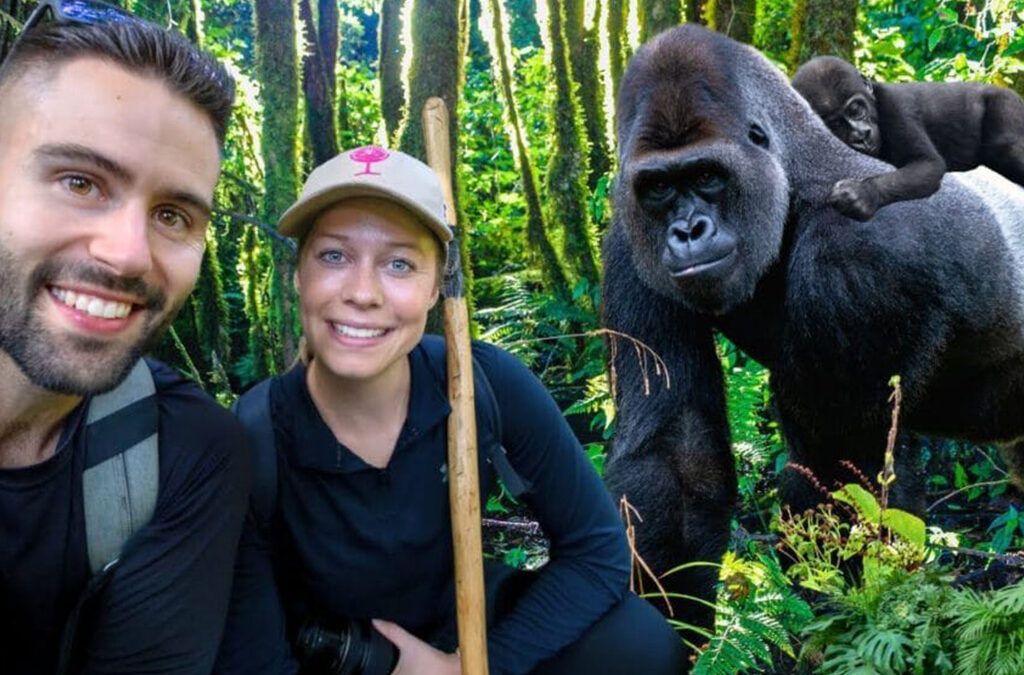
Humans and primates share an extraordinary evolutionary bond. In fact, some primate species share more than 98 percent of their DNA with us. This remarkable genetic similarity makes primates invaluable to science and conservation. However, it also creates a serious vulnerability: diseases can easily pass between humans and primates.
As human populations expand deeper into forests and wildlife tourism continues to grow, contact between people and primates becomes more frequent. Consequently, understanding disease risks between humans and primates has become a critical priority for conservation, public health, and sustainable tourism across Africa.
Why Disease Transmission Is Such a Serious Threat
Unlike habitat loss or poaching, disease spreads silently. Often, it moves quickly and without warning. A single outbreak can wipe out entire primate family groups, particularly among endangered great apes such as gorillas and chimpanzees.
Many wild primates lack natural immunity to common human illnesses. As a result, infections that feel mild to us can become fatal to them. Respiratory illnesses, gastrointestinal infections, and emerging viral pathogens pose the greatest threats.
Moreover, primates live in tight-knit social groups. They groom, feed, and rest together. Therefore, once a disease enters a group, it can spread rapidly, especially in small and isolated populations with limited genetic diversity.
Common Diseases Transmitted Between Humans and Primates
Respiratory infections remain the most frequently documented diseases transmitted from humans to primates. Influenza, pneumonia, tuberculosis, and even the common cold have caused fatal outbreaks among gorillas and chimpanzees. What might feel like a minor inconvenience for a traveler can quickly become life-threatening for a wild ape.
In addition, gastrointestinal diseases pose significant risks. Bacteria such as E. coli and Salmonella, along with parasites like Giardia, can spread through contaminated food, water, or improperly managed waste. These infections weaken immune systems, reduce survival rates, and particularly endanger infants and older primates.
At the same time, the risk works both ways. Emerging zoonotic diseases, including Ebola and other viral hemorrhagic fevers, can pass from primates to humans. However, human activity often accelerates their spread by increasing contact and disrupting natural ecosystems.
Tourism and Disease Risk
Wildlife tourism has transformed primate conservation. Gorilla and chimpanzee trekking generate vital revenue, fund anti-poaching efforts, and support local communities. Organizations like Experiya Tour Company actively promote responsible travel that benefits both people and wildlife.
Nevertheless, tourism also increases disease risks if stakeholders fail to manage it carefully.
In destinations such as Bwindi Impenetrable National Park and Volcanoes National Park, visitors approach habituated gorilla groups within a few meters. Even with strict rules, human presence introduces potential pathogens into fragile habitats.
For example, coughing, sneezing, improper waste disposal, or ignoring health guidelines can expose primates to dangerous infections. During peak tourism seasons, when visitor numbers rise, these risks naturally increase.
Therefore, responsible tourism is not optional it is essential.
Research, Habituation, and Increased Contact
Scientific research and habituation programs play a crucial role in conservation. Researchers collect data, monitor health, and help authorities protect endangered populations. However, these activities also increase prolonged contact between humans and primates.
Trackers, guides, veterinarians, and researchers spend extended periods near primate groups. Over time, cumulative exposure raises the possibility of disease transmission.
Furthermore, habituated primates lose some of their natural fear of humans. Occasionally, they approach farms, villages, or camps. This behavioral shift increases contact with contaminated objects, food waste, or domestic animals, which further elevates disease risks.
Balancing research benefits with strict health precautions remains essential.
Human Activities Beyond Tourism
Disease transmission does not stem from tourism alone. In fact, everyday human activities often create even greater risks.
As farming, logging, mining, and settlements expand into forested areas, humans and primates increasingly share landscapes. Shared water sources, agricultural fields, and forest trails become contact points.
In some regions, bushmeat hunting significantly heightens disease risks. Handling and slaughtering primates expose humans directly to pathogens. Meanwhile, injured animals that escape hunting attempts may carry infections back into wild populations.
Thus, conservation efforts must address both tourism-related and non-tourism-related risks.
The Impact on Endangered Primate Populations
For critically endangered species, disease outbreaks can reverse decades of conservation progress. Small populations often lack genetic diversity, which limits their ability to resist or recover from infections.
Mountain gorillas provide a powerful example. Although conservation success has increased their numbers in recent years, they remain highly vulnerable. Their close genetic similarity to humans makes them especially susceptible to respiratory diseases. A single outbreak can kill multiple individuals within weeks, threatening the stability of entire family groups.
Chimpanzees, bonobos, and other great apes face similar challenges, particularly in fragmented forests where movement between groups remains restricted.
Ultimately, disease can undo years of hard-earned conservation gains in a matter of months.
Prevention and Health Protocols
Fortunately, prevention works. In fact, preventing disease transmission proves far more effective than responding after an outbreak occurs.
Across Africa, conservation authorities have implemented strict health protocols. These measures include limiting daily visitor numbers, enforcing minimum distance rules, and restricting the time spent with primates.
Many parks now require visitors to cancel treks if they feel unwell. Some destinations mandate wearing face masks during gorilla and chimpanzee tracking. These rules may seem strict, but they protect both wildlife and travelers.
Researchers and field staff undergo regular health screenings and vaccinations. In certain cases, authorities enforce quarantine periods before allowing access to primate habitats.
Experiya Tour Company strongly supports these science-based guidelines and educates travelers about responsible primate encounters.
The Role of Communities in Reducing Disease Risk
Local communities play an equally important role in minimizing disease transmission. After all, human health and wildlife health remain deeply connected.
Education programs help communities understand how sanitation, clean water access, and proper waste management reduce environmental contamination near primate habitats. Improved healthcare services also decrease the likelihood of disease spread.
When communities recognize that protecting primates also protects their families, conservation becomes a shared responsibility rather than an external demand.
The One Health Approach: A Shared Future
Increasingly, conservation leaders embrace the “One Health” approach. This concept acknowledges that human health, animal health, and environmental health are inseparable.
By combining veterinary science, human medicine, ecology, and community development, One Health initiatives focus on preventing disease emergence rather than merely reacting to outbreaks.
In a rapidly changing world, this integrated strategy offers the most sustainable path forward.
Protecting Primates by Protecting Health
Disease risks between humans and primates represent one of the most urgent and complex challenges in conservation today. As tourism, research, and development expand, so does our responsibility.
However, protecting primates from disease does not mean ending tourism or limiting conservation efforts. Instead, it requires responsible behavior, science-based policies, and strong community partnerships.
The future of primate conservation depends not only on forests and laws but also on health awareness, ethical travel, and shared responsibility.
When we protect the health of primates, we protect our own future as well.