Why Mabira Forest Is a Top Birding Destination
February 10, 2026
The Buniga Forest Trail Experience – Walking with the Batwa People
February 11, 2026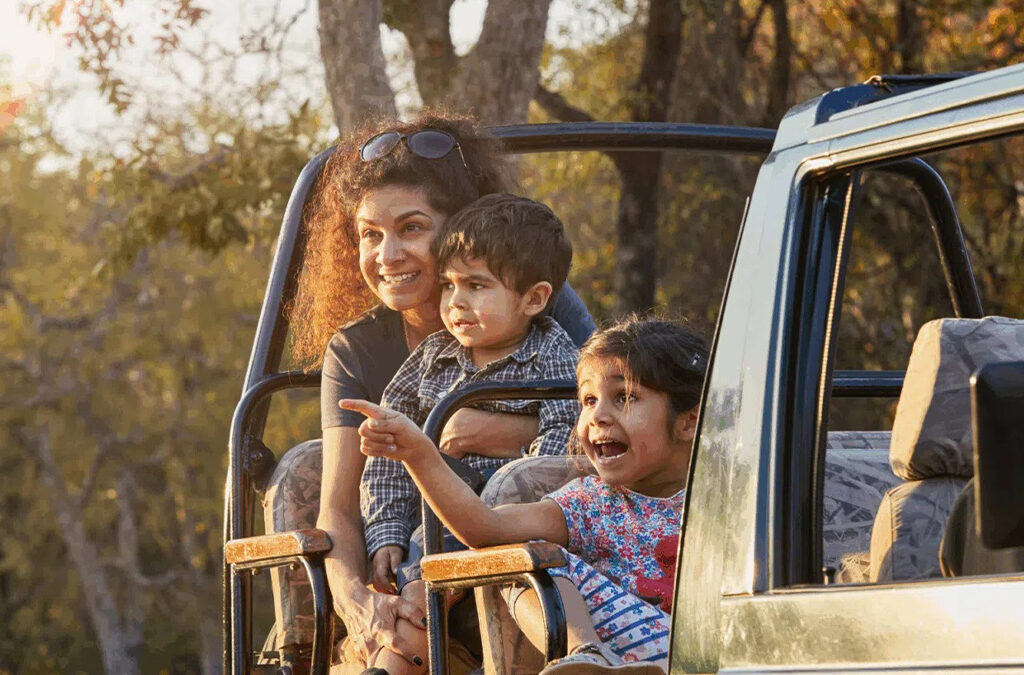
A safari is far more than an exciting holiday for children. It becomes a living classroom without walls, where learning unfolds naturally with every animal sighting and every step taken in the wild. Surrounded by open landscapes, diverse wildlife, and thriving ecosystems, children instinctively grow curious. They ask questions, observe closely, and begin to understand the world beyond screens and textbooks.
When thoughtfully guided, a safari experience with Experiya Tour Company transforms adventure into meaningful education. It nurtures curiosity, strengthens observation skills, and instills a lasting respect for nature, all while remaining fun, engaging, and age-appropriate. These wildlife education activities do not feel like lessons in the traditional sense. Instead, they feel like discovery, which makes them unforgettable.
Learning Through Observation in the Wild
Observation forms the foundation of wildlife education on safari. Watching animals in their natural habitat teaches children patience, focus, and awareness. Unlike zoos or documentaries, a safari reveals animals behaving freely, responding to real environmental conditions and social structures.
As children watch elephants communicate within a herd or notice how giraffes scan the horizon before drinking, guides gently explain what these behaviors mean. Children begin to understand ideas such as survival instincts, adaptation, and family bonds. Because they witness these concepts in real time, the lessons feel authentic and memorable.
Moreover, observation encourages mindfulness. Children slow down, listen carefully, and notice subtle details such as body language, movement patterns, and sounds. Over time, they become more confident in interpreting what they see, which strengthens both concentration and critical thinking.
Animal Tracking and Identification as a Learning Game
Tracking animals excites children because it feels like a real-life puzzle. With guidance from experienced safari guides, children learn to recognize footprints, droppings, feathers, and broken vegetation. Each clue tells a story about which animal passed through, how recently it moved, and what it might have been doing.
This activity sharpens problem-solving skills and logical reasoning. Children learn to connect evidence with outcomes, an essential skill that extends far beyond the safari. As they improve, they feel a sense of achievement that builds confidence.
Animal identification also becomes more engaging as the journey continues. Children start recognizing animals by their markings, calls, and behavior rather than just appearance. Over time, they proudly point out species on their own, turning learning into a playful challenge that evolves naturally throughout the safari.
Storytelling That Brings Wildlife to Life
Storytelling plays a powerful role in wildlife education. Skilled guides weave stories into every game drive, helping children understand animal behavior, conservation challenges, and natural history in a way that captures imagination. Stories make complex ideas relatable, especially for younger travelers.
Through storytelling, children learn why lions hunt cooperatively, how migration patterns sustain ecosystems, and why certain species need protection. These stories spark empathy and emotional connection, which deepens understanding and retention.
Cultural storytelling adds another layer of learning. When children hear about local traditions, folklore, and the historical relationship between communities and wildlife, conservation becomes personal rather than abstract. They begin to see nature as something people live alongside, protect, and depend on, rather than something separate from human life.
Nature Journals and Creative Expression
Creative expression helps children process and remember their safari experiences. Keeping a nature journal encourages children to slow down and reflect on what they see. They draw animals, write short descriptions of behavior, note weather patterns, or record how certain moments made them feel.
These journals become personal learning tools. By revisiting their drawings and notes, children reinforce memory and sharpen observation skills. They also gain a sense of ownership over their learning, which makes the experience more meaningful.
Creativity does not stop with writing or drawing. Children often create stories inspired by animal encounters or describe their favorite moments aloud. This expression strengthens emotional connection and helps children articulate their experiences, an important part of cognitive and emotional development.
Conservation Awareness Through Real Experiences
Safaris provide an ideal platform for teaching conservation in a positive and empowering way. Instead of focusing on fear or loss, guides explain how conservation works in real life. Children see protected areas, ranger patrols, and conservation projects firsthand, which makes protection efforts tangible.
They learn why habitats matter, how human actions affect wildlife, and what conservation success looks like on the ground. These lessons feel hopeful because children see people actively protecting animals rather than just hearing about threats.
As a result, children often return home inspired to care for nature in their own communities. Whether it means reducing waste, respecting animals, or learning more about the environment, the safari experience plants seeds of responsibility that continue to grow long after the journey ends.
Guided Bush Walks and Safe Exploration
When conditions allow, guided bush walks offer children a hands-on learning experience that complements game drives. Walking through nature helps them notice smaller details often overlooked from a vehicle. They observe insects, plants, tracks, and signs of animal activity, which reveals how ecosystems connect at every level.
These walks also teach awareness and respect. Guides emphasize safety, explaining why certain rules exist and how animals perceive humans. Children learn to move quietly, observe carefully, and respect boundaries, lessons that translate into broader life skills such as caution, responsibility, and empathy.
By exploring nature on foot, children gain a deeper understanding that ecosystems are not just about large animals. They begin to see how every plant, insect, and organism plays a role in maintaining balance.
Encouraging Curiosity and Open Questions
One of the most valuable educational aspects of a safari lies in encouraging children to ask questions. Curious minds thrive in an environment where questions feel welcome. Good safari guides adapt explanations to different ages, ensuring children feel included rather than overwhelmed.
Questions about why animals behave a certain way or how ecosystems function lead to meaningful discussions. Children learn to think critically and explore cause-and-effect relationships. More importantly, they feel heard, which builds confidence and engagement.
This interactive approach transforms learning from passive listening into active participation. Children do not just absorb information; they explore ideas, test assumptions, and develop independent thinking skills.
Lasting Impact Beyond the Safari Experience
The educational value of a safari does not end when the journey does. Children return home with stories, knowledge, and a renewed appreciation for the natural world. Many become more interested in wildlife, science, geography, and environmental protection after experiencing nature firsthand.
Because learning occurred through experience rather than instruction, the lessons remain vivid. A child who watched elephants communicate or tracked animals through the bush remembers those moments far more clearly than facts learned in a classroom.
By blending adventure with education, safaris offered by Experiya Tour Company help shape thoughtful, environmentally aware individuals. These experiences nurture curiosity, respect, and responsibility, qualities that benefit children long after the safari ends.
In the end, wildlife education on safari does more than teach children about animals. It teaches them how to observe, question, respect, and care for the world around them. That lasting impact is what makes a safari one of the most powerful learning experiences a child can have.
