Uganda Gorilla Trekking Holidays
February 10, 2026
Safari Camping vs Lodge Stays: Why Both Offer Unique Wildlife Access
February 10, 2026
Planning a safari in Uganda means stepping into one of Africa’s most diverse and rewarding destinations. Known as the Pearl of Africa, Uganda blends mountain gorilla encounters, classic savannah wildlife, rich birdlife, and authentic cultural experiences into one compact yet powerful safari circuit. The big question most travelers ask is simple: how many days do you really need for a safari in Uganda?
The answer depends on your interests, travel style, and budget. While Uganda’s relatively small size allows you to visit several national parks without long internal flights, rushing through the country often means missing its quieter magic. The more time you allow, the deeper and more meaningful your experience becomes.
Understanding Safari Duration in Uganda
Uganda offers world‑class gorilla trekking in Bwindi Impenetrable Forest, chimpanzee tracking in Kibale Forest, Big Five game viewing in Queen Elizabeth and Murchison Falls National Parks, and memorable cultural encounters with local communities. Because of this diversity, most travelers quickly realize that Uganda deserves more than a short stopover.
Careful planning helps you balance wildlife experiences, travel time, and rest. Below is a realistic breakdown of recommended safari durations and what each timeframe allows you to experience.
Seven Days in Uganda: The Essential Safari
A seven‑day safari suits first‑time visitors who want to experience Uganda’s highlights without feeling overwhelmed. Most itineraries focus on western Uganda, where the country’s flagship parks lie close together.
Your journey often begins in Kibale Forest National Park, home to the highest concentration of primates in Africa. Here, you track habituated chimpanzee families through lush rainforest, spending several hours observing their social behavior. Many travelers also visit Bigodi Wetland Sanctuary, where guided walks introduce you to local community projects and colorful birdlife.
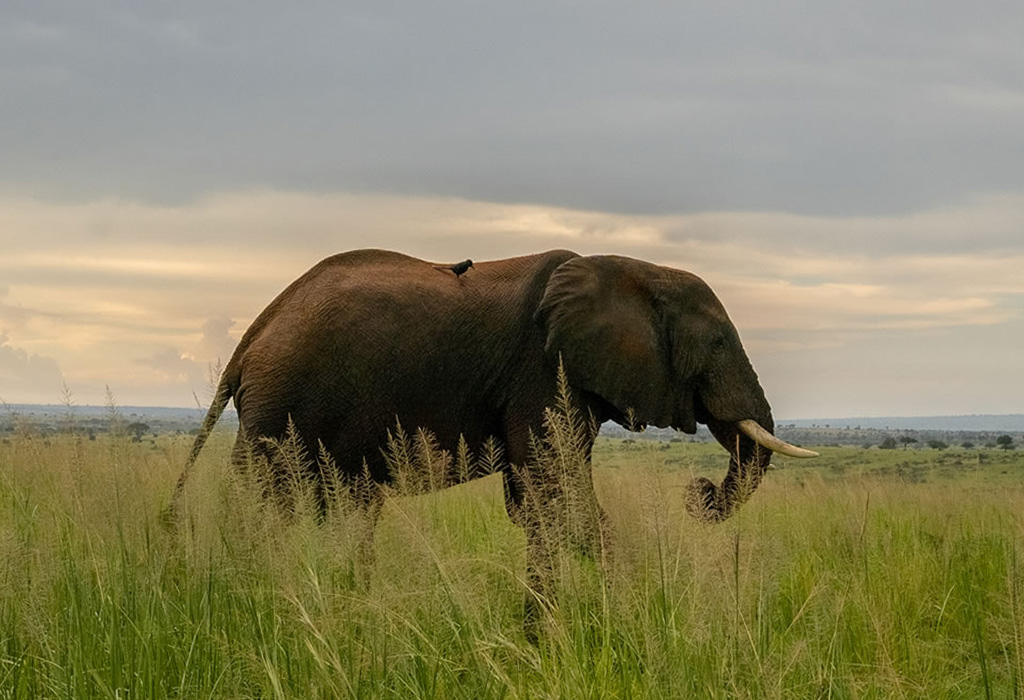
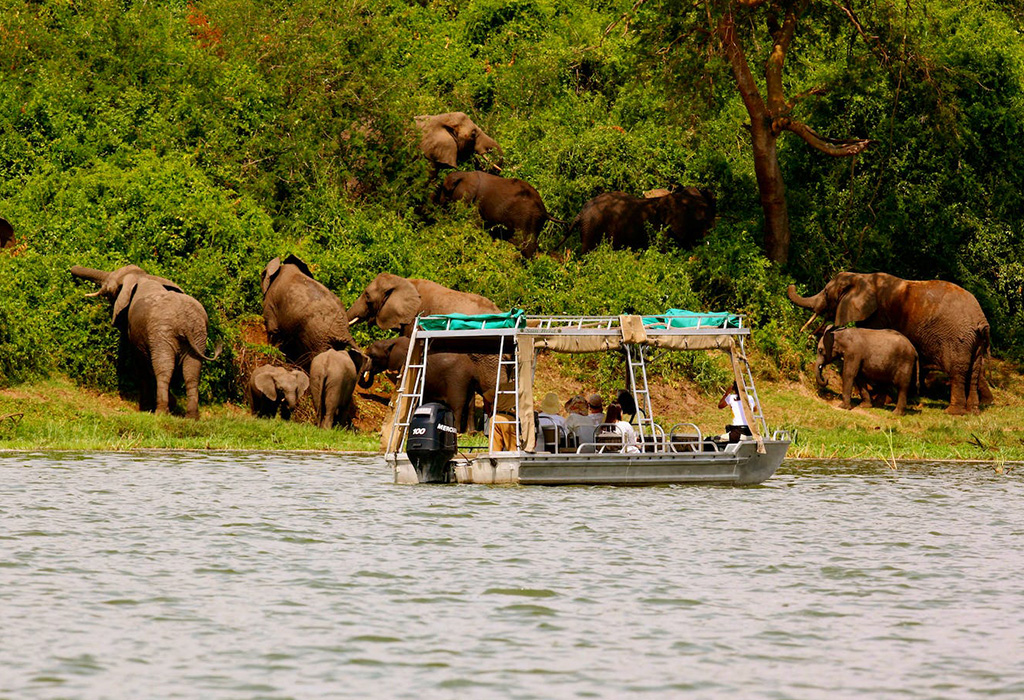
From Kibale, you continue south to Queen Elizabeth National Park for classic savannah wildlife viewing. Game drives reveal elephants, lions, buffaloes, and antelopes, while the Kazinga Channel boat safari brings you close to hippos, crocodiles, and hundreds of bird species. In the Ishasha sector, you search for the famous tree‑climbing lions, a rare and unforgettable sight.
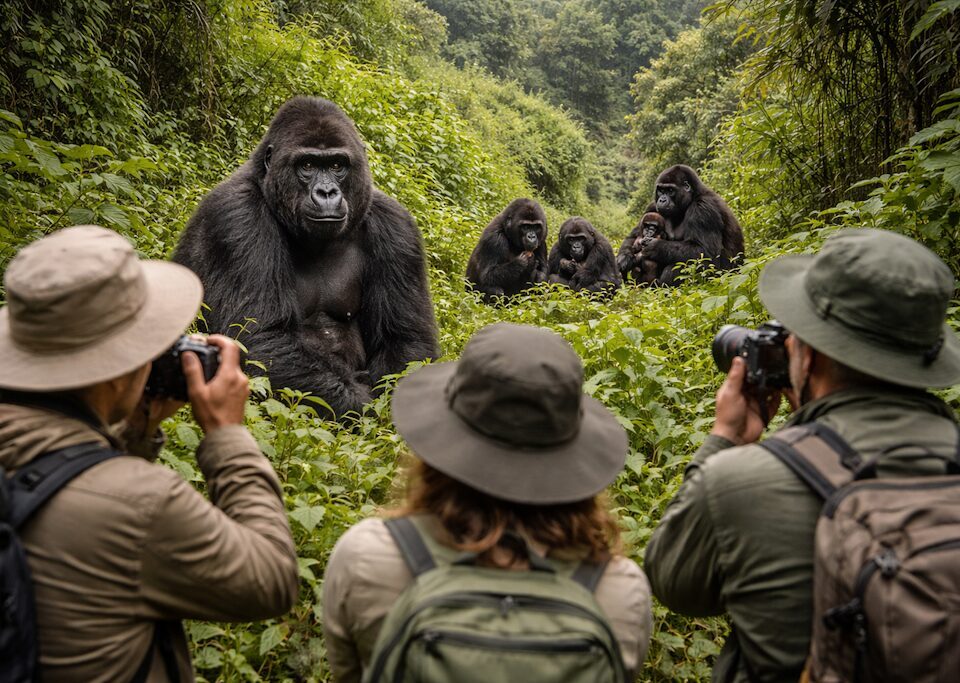
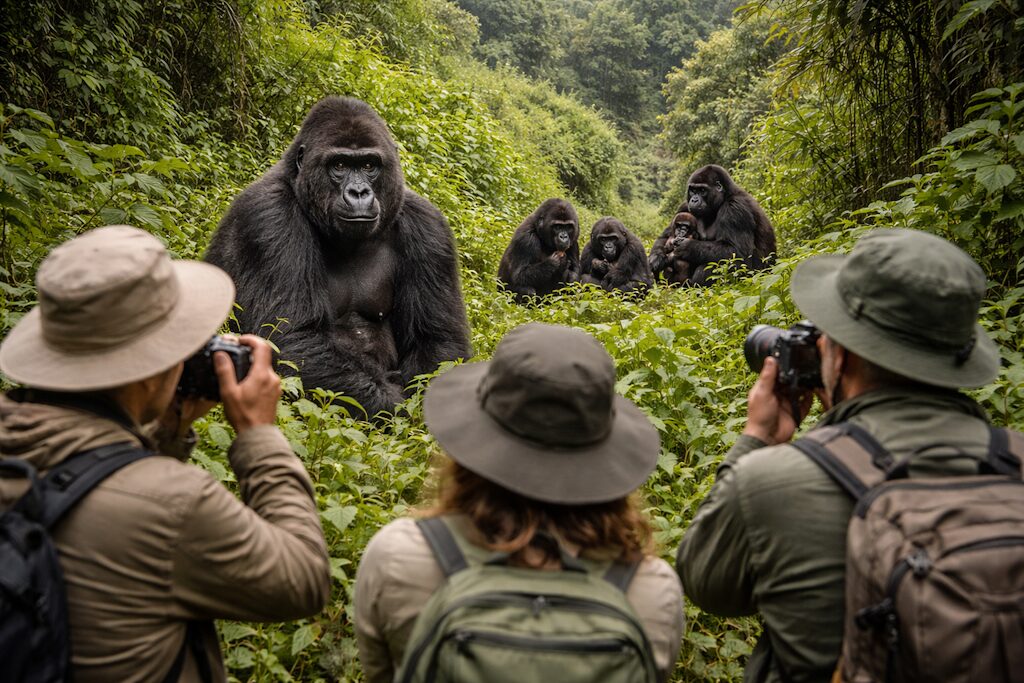
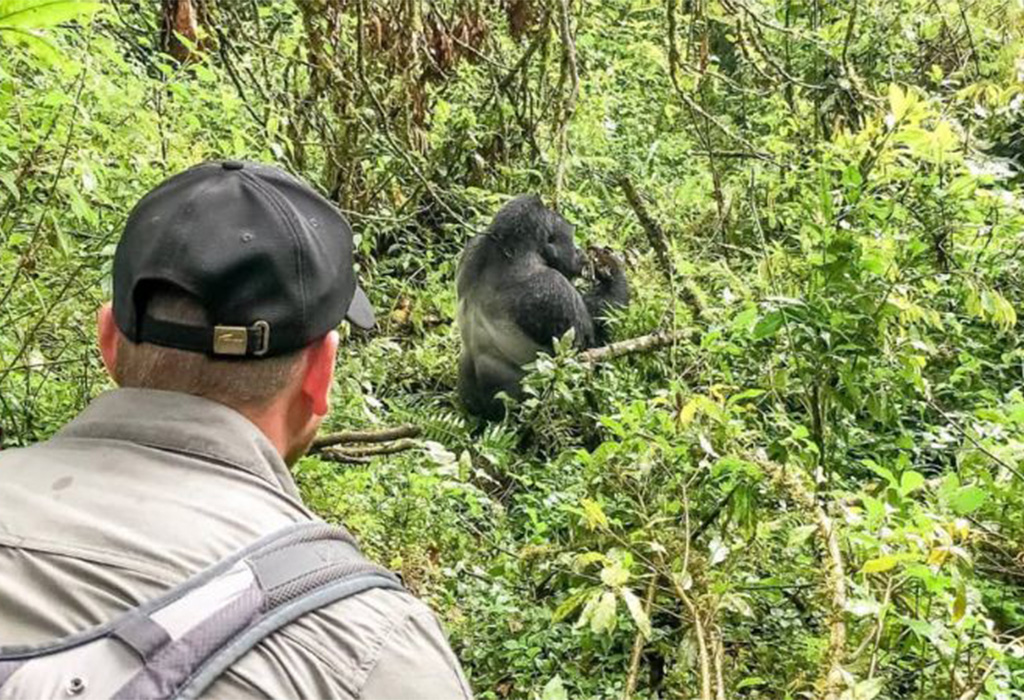
The safari ends in Bwindi Impenetrable Forest, where gorilla trekking delivers a once‑in‑a‑lifetime experience. Hiking through dense jungle to meet a mountain gorilla family and spending one quiet hour in their presence often becomes the emotional highlight of the trip.
Seven to Ten Days: A More Relaxed Experience
Extending your safari to ten days creates space for a slower pace and deeper exploration. With extra time, many travelers add Murchison Falls National Park to their itinerary, starting their journey in northern Uganda before looping west and south.
Murchison Falls National Park impresses with dramatic landscapes where the Nile River squeezes through a narrow gorge before plunging into the river below. Game drives here offer excellent chances to spot giraffes, elephants, lions, and leopards. A boat cruise to the base of the falls combines wildlife viewing with breathtaking scenery, while optional hikes to the top of the falls provide panoramic views.
With additional days, you can also include cultural visits to local communities. Village walks, traditional cooking experiences, storytelling sessions, and craft workshops offer meaningful insight into everyday Ugandan life. These interactions create genuine connections and add emotional depth to your safari.
Longer stays also allow time for nature walks and birding activities. With more than 1,000 recorded bird species, Uganda ranks among Africa’s top birding destinations. Experienced guides help you spot rare forest birds, wetland specialists, and savannah species across different habitats.
Ten to Fourteen Days: Comprehensive Uganda Adventures
Two weeks in Uganda offers the ideal balance between wildlife, culture, and specialized interests. This duration allows you to visit both popular and lesser‑known destinations while maintaining a comfortable pace.
Many comprehensive itineraries begin with shoebill tracking in Mabamba Swamp, near Lake Victoria. A quiet canoe ride through papyrus channels at dawn introduces you to one of Africa’s most sought‑after birds. The shoebill’s prehistoric appearance and calm presence make this experience unforgettable.
From Mabamba, travelers often head to Ziwa Rhino Sanctuary for on‑foot rhino tracking. As Uganda’s only place to see wild rhinos, Ziwa plays a crucial role in conservation. Guided walking safaris bring you surprisingly close to these massive animals while educating you about protection and breeding efforts.
With more time available, you can explore Lake Mburo National Park, known for zebras, impalas, and walking safaris, or Semuliki National Park, famous for its hot springs and unique Central African bird species. These quieter parks offer rewarding experiences away from busier tourist routes.
Fourteen Days and Beyond: Ultimate Uganda Expeditions
Safaris lasting two weeks or more allow for full immersion in Uganda’s landscapes and cultures. This timeframe suits travelers who want to combine wildlife viewing with adventure, hiking, and repeat gorilla encounters.
The Rwenzori Mountains, also called the Mountains of the Moon, offer challenging multi‑day treks through glacial valleys and alpine zones. While physically demanding, these hikes reward travelers with dramatic scenery and rare vegetation found nowhere else in Africa.
Mount Elgon provides a gentler alternative, featuring the world’s largest volcanic caldera, waterfalls, lava caves, and scenic hiking trails. Cultural interactions with the Bagisu people enrich the experience with stories of local traditions and mountain life.
Extended safaris also allow for multiple gorilla trekking experiences. Tracking gorillas in both Bwindi Impenetrable and Mgahinga Gorilla National Parks gives you varied terrain, different gorilla families, and unique trekking challenges.
Key Factors When Choosing Safari Length
Matching Your Interests to Time
Your personal interests should shape your safari duration. Travelers focused mainly on gorilla trekking can plan shorter trips centered on Bwindi. In contrast, wildlife photographers often need extra days to follow animal movements and capture diverse species across multiple parks.
Birdwatchers benefit from longer itineraries that include forests, wetlands, and savannah ecosystems. Cultural travelers also gain more from extended stays that allow for deeper interaction with different communities and traditions.
Budget and Cost Planning
Safari length directly affects your overall budget. Longer trips naturally increase accommodation, transport, and activity costs, although daily rates often become more economical with extended packages arranged through Experiya Tour Company.
Gorilla permits remain one of the biggest expenses, currently costing USD 800 per person per trek. These permits are issued by the Uganda Wildlife Authority and can be arranged through licensed operators such as Experiya Tour Company. Limiting the number of gorilla treks helps control costs while still delivering an extraordinary experience.
Transport choices also influence pricing. Private safaris offer flexibility and comfort, while small group tours reduce costs and still provide excellent wildlife viewing opportunities.
Travel Pace and Physical Comfort
Your preferred pace plays a major role in determining the ideal safari length. Fast‑paced travelers can cover more ground in fewer days, but this approach often leads to fatigue. Slower itineraries allow time for rest, repeat game drives, and spontaneous moments in nature.
Physical demands matter as well. Gorilla trekking involves hiking on steep, muddy terrain and requires moderate fitness. Long driving distances between parks can also be tiring, making realistic scheduling essential.
Allowing buffer days during longer safaris helps you adapt to weather changes, wildlife movements, or personal energy levels. This flexibility ensures that every major experience remains enjoyable rather than rushed.
Final Thoughts
Uganda rewards travelers who give it time. Whether you choose a focused seven‑day introduction or an extended multi‑week expedition, the country delivers unforgettable wildlife encounters, warm human connections, and landscapes that stay with you long after you leave. With thoughtful planning and the right pace, a safari in Uganda becomes far more than a trip—it becomes a deeply personal journey.