
Why Choose Family-Friendly Trips in Rwanda
February 9, 2026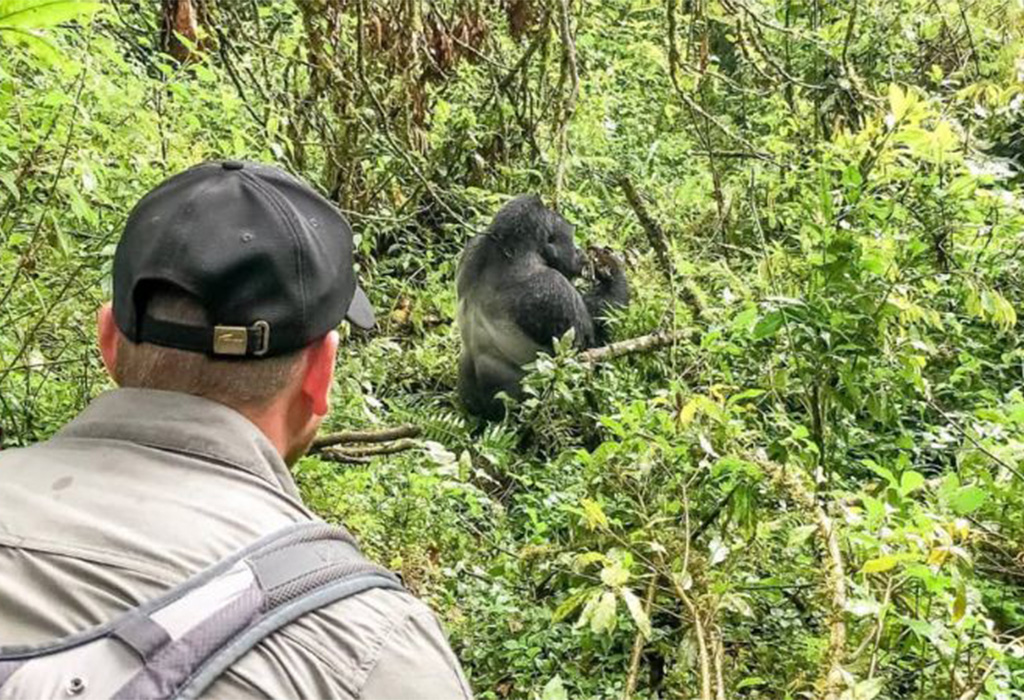
Uganda Gorilla Trekking Holidays
February 10, 2026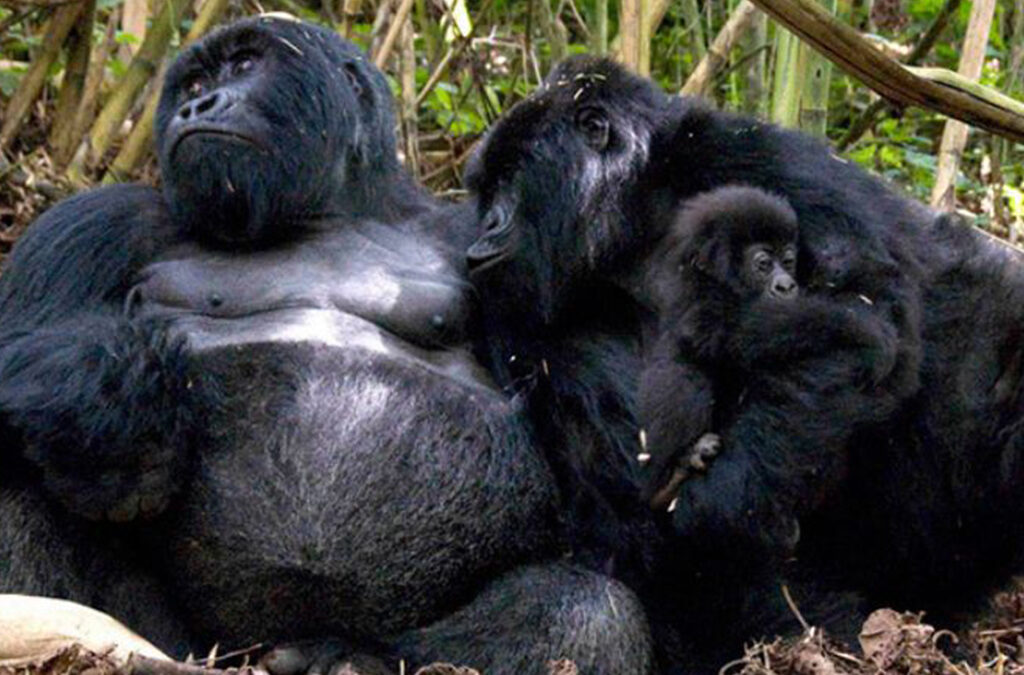
Gorillas are among the most fascinating and intelligent animals on Earth. As the largest of the great apes, they share about 98% of their DNA with humans, which makes their biology, behavior, and life cycles especially intriguing to scientists, conservationists, and wildlife lovers alike.
One of the most frequently asked questions is: How long are gorillas pregnant?
In this updated, human-friendly guide, we explore gorilla pregnancy in depth—from gestation length and behavioral changes to birth, infant care, and why understanding this process enriches your gorilla trekking experience with Experiya Tour Company.
1. Understanding Gorilla Reproduction
To begin with, gorillas live in stable family groups, usually led by a dominant silverback male. These groups typically include several adult females, juveniles, and infants.
Female gorillas reach sexual maturity between 8 and 12 years, while males mature later, usually between 12 and 15 years. Compared to many mammals, gorillas reproduce very slowly—a key reason why they remain vulnerable in the wild.
Moreover, because female gorillas give birth infrequently and care for their young for many years, each newborn represents a major biological and emotional investment. At the center of this slow reproductive cycle lies the gestation period.
2. Gorilla Gestation Period: How Long Are Gorillas Pregnant?
On average, gorillas are pregnant for about 8.5 months, which is approximately 257 days. Interestingly, this duration closely mirrors human pregnancy.
Why Is Gorilla Pregnancy Relatively Long?
Several factors explain this extended gestation:
Advanced Brain Development
First of all, gorilla infants are born with relatively well-developed brains, which require more time to grow in the womb.
Higher Survival Rates
In addition, longer pregnancies often result in stronger, healthier newborns with better chances of survival.
Evolutionary Strategy
Like humans and other great apes, gorillas prioritize fewer offspring with higher survival potential, rather than frequent births.
3. Stages of Gorilla Pregnancy
Although gorillas do not follow clearly defined trimesters like humans, researchers generally recognize three broad stages of pregnancy.
a. Early Pregnancy (Weeks 1–10)
During this initial phase, hormonal changes support embryo development. At this stage, physical signs are minimal, and most pregnancies go unnoticed in the wild.
b. Mid-Pregnancy (Weeks 11–25)
As the pregnancy progresses, the female’s abdomen begins to expand. Consequently, she may gain weight, reduce physical activity, and spend more time resting.
c. Late Pregnancy (Weeks 26–36)
Finally, in the last stage, pregnancy becomes clearly visible. Expectant mothers move more cautiously, rest frequently, and focus on feeding in preparation for birth.
4. Behavioral Changes During Pregnancy
In addition to physical changes, pregnant gorillas show subtle but meaningful behavioral shifts—many of which experienced trackers can recognize.
Increased Feeding
Expectant mothers eat more to support fetal growth.
Reduced Social Activity
They often avoid unnecessary movement or aggressive encounters.
More Resting Time
As birth approaches, females conserve energy by resting more frequently.
During gorilla trekking experiences with Experiya Tour Company, knowledgeable guides help visitors understand these behaviors without disturbing the animals.
5. Birth and Infant Gorilla Care
A newborn gorilla typically weighs 4–5 pounds (1.8–2.3 kg). Although small and fragile at birth, the infant quickly forms a powerful bond with its mother.
Immediately After Birth
-
The baby clings tightly to the mother’s chest
-
Nursing begins almost immediately
-
The mother becomes extremely protective
Infant Development Milestones
First Few Months:
The infant remains in constant physical contact with the mother.
Around Six Months:
The baby begins exploring and often rides on the mother’s back.
By One Year:
The infant becomes more independent, although it still relies heavily on maternal care.
This long-term parental investment explains why gorillas reproduce slowly—and why every birth truly matters.
6. Factors That Influence Gorilla Gestation Length
While 8.5 months is the average, slight variations can occur due to several factors.
Genetics
Individual genetic differences may influence pregnancy duration.
Health and Nutrition
Well-nourished, healthy females tend to experience more stable pregnancies.
Environmental Conditions
Stress, habitat disturbance, and food scarcity can affect reproductive health—highlighting the importance of conservation.
7. Conservation: Why Gorilla Pregnancy Matters
Understanding gorilla reproduction goes far beyond curiosity—it plays a critical role in conservation.
Both Eastern and Western gorilla species are endangered, and their slow reproductive rate means populations recover very slowly from threats such as poaching, disease, and habitat loss.
By sharing accurate information about gorilla pregnancy, we help to:
-
Raise conservation awareness
-
Support scientific research
-
Encourage responsible and ethical tourism
When travelers choose reputable operators like Experiya Tour Company, permit fees and tourism revenue directly support conservation initiatives and local communities.
8. Gorilla Trekking: Witnessing Life in the Wild
Gorilla trekking offers a rare opportunity to observe gorilla families in their natural environment—sometimes including pregnant females or young infants.
Why Gorilla Trekking Deepens Understanding
Close Observation
You notice natural behaviors that signal pregnancy and maternal care.
Expert Interpretation
Experienced guides explain how pregnancy affects movement, feeding, and social dynamics.
Conservation Education
Pre-trek briefings and guided walks provide insight into gorilla biology and protection efforts.
Trekking with Experiya Tour Company combines unforgettable wildlife encounters with responsible tourism practices.
9. Frequently Asked Questions About Gorilla Pregnancy
How long are gorillas pregnant compared to humans?
Gorillas carry their young for about 8.5 months, slightly shorter than the average human pregnancy.
Do all gorilla species have the same gestation period?
Yes. Eastern and Western gorillas have very similar pregnancy lengths, with only minor variations.
Can pregnancy be detected in the wild?
Trained researchers and trackers can often infer pregnancy through physical and behavioral signs.
How often do gorillas give birth?
Females typically give birth every 4–6 years due to long infant dependency.
Why is this information important for travelers?
Understanding gorilla life cycles enhances trekking experiences and deepens respect for conservation.
10. Conclusion
So, how long are gorillas pregnant? About 8.5 months—a period that reflects their intelligence, complex biology, and deep parental care.
This long gestation, combined with slow reproduction, makes gorillas especially vulnerable and reinforces the importance of conservation and responsible tourism.
By trekking with Experiya Tour Company, travelers gain more than just an unforgettable encounter. They support sustainable tourism, help protect endangered species, and connect with one of humanity’s closest relatives in a meaningful and respectful way.
Whether you are planning your first gorilla trek or simply expanding your wildlife knowledge, understanding gorilla pregnancy offers a deeper appreciation of these remarkable animals and the delicate ecosystems they call home.