

Top 5 Places to Visit in Entebbe, Uganda
February 4, 2026
Other Must-See Big Game Animals in Uganda
February 5, 2026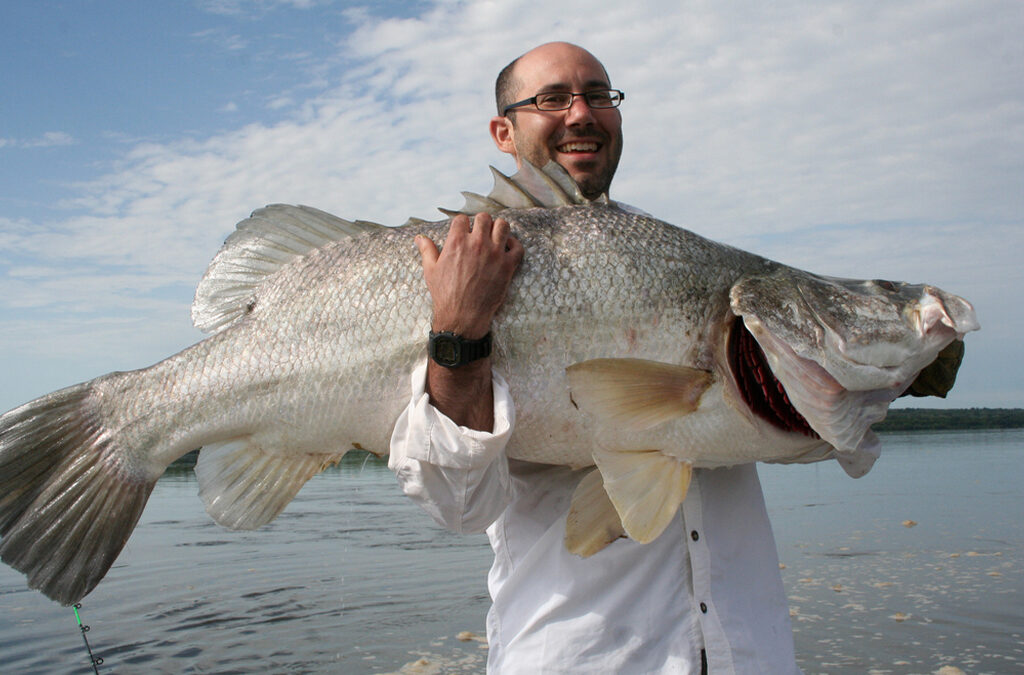
Rwanda, often celebrated as the “Land of a Thousand Hills,” may not be traditionally known as a fishing destination, but it offers unique opportunities for sport fishing enthusiasts. While the fishing industry in Rwanda is still developing, the country’s natural lakes and rivers provide ample opportunities for local and international visitors to enjoy the thrill of angling amidst breathtaking scenery. Experiya Tour Company ensures that travelers can explore these waters safely, responsibly, and with maximum enjoyment.
The State of Fishing in Rwanda
Although Rwanda does not have a long history of commercial fishing, it has steadily developed its fisheries. Most commercial fishing takes place in Lake Kivu, Lake Mugesera, and Lake Muhazi, where local communities have relied on these waters for generations. Additionally, aquaculture plays a significant role, contributing approximately 45% of the country’s overall fish production. Despite these efforts, Rwanda still imports fish from neighboring Tanzania and Uganda to meet domestic demand, and traders re-export a portion of these fish to the Democratic Republic of Congo.
Rwandan fishermen use a variety of techniques depending on the type of fish they are targeting. These methods include hooking, gill netting, the lampara technique, spearing, scoop nets, and cast nets. The diversity of fish species in Rwanda is impressive, ranging from Nile Tilapia, Barbus, and Clarias to Haplochromis, Tanganyika sardine, and Marcusenius. Most of the fishing is carried out by local communities using traditional wooden canoes, giving a glimpse into the country’s cultural heritage.
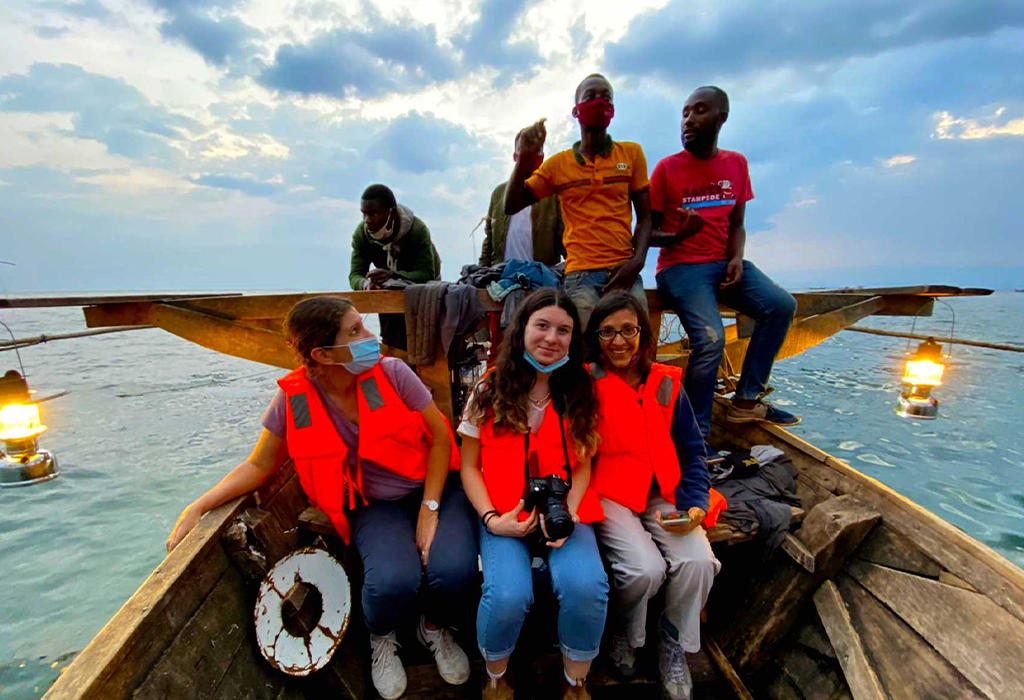
The Ministry of Animal Resources and Agriculture manages the fishing sector through cooperatives and local governments. Like many countries in Africa, Rwanda faces challenges such as overfishing, catching immature fish, and pollution in some water bodies. While stringent policies exist to address illegal practices, the industry still struggles with limited funding, rudimentary fishing methods, and poor coordination among key government sectors. Despite these challenges, fishing in Rwanda is slowly gaining attention, particularly from tourists who wish to combine recreation with their wildlife and nature experiences.
Sport Fishing and Tourism: A Perfect Match
Even though commercial fishing remains modest, Rwanda’s tourism sector has experienced remarkable growth. The government has successfully positioned the country as a leading destination in East and Central Africa, attracting visitors with its gorilla trekking, wildlife safaris, and scenic landscapes. Sport fishing has benefited from this tourism boom, offering adventurous travelers a chance to engage in recreational angling while exploring Rwanda’s natural beauty.
Tourists who visit Rwanda are increasingly seeking experiences beyond the capital, Kigali, or the famous mountain gorilla treks. Swimming, boating, and sport fishing are becoming popular additions to safari itineraries. Experiya Tour Company provides carefully planned fishing trips that ensure safety, comfort, and an unforgettable experience for visitors.
Where to Go Sport Fishing in Rwanda
Akagera National Park
Akagera National Park, located in eastern Rwanda, is one of the top destinations for sport fishing in the country. The park derives its name from the Akagera River, which feeds both Lake Ihema and Lake Shakani. These lakes are home to a wide variety of fish, making them ideal for recreational fishing.
Although crocodiles and hippos inhabit the park, fishing areas are carefully chosen to ensure the safety of anglers. While the park promotes a catch-and-release policy, visitors may request to have a single fish prepared for a meal. To fish in Akagera, tourists must obtain a fishing permit and provide their own equipment. The primary method here is hook fishing, and Nile Tilapia is the most commonly targeted species.
Fishing in Akagera can be combined with other exciting activities. Visitors can enjoy game drives, spotting the park’s abundant wildlife, or participate in birdwatching tours, with over 500 species recorded in the park. For those who prefer water-based activities, boat cruises provide a relaxing way to explore the park’s scenic lakes.
Lake Kivu
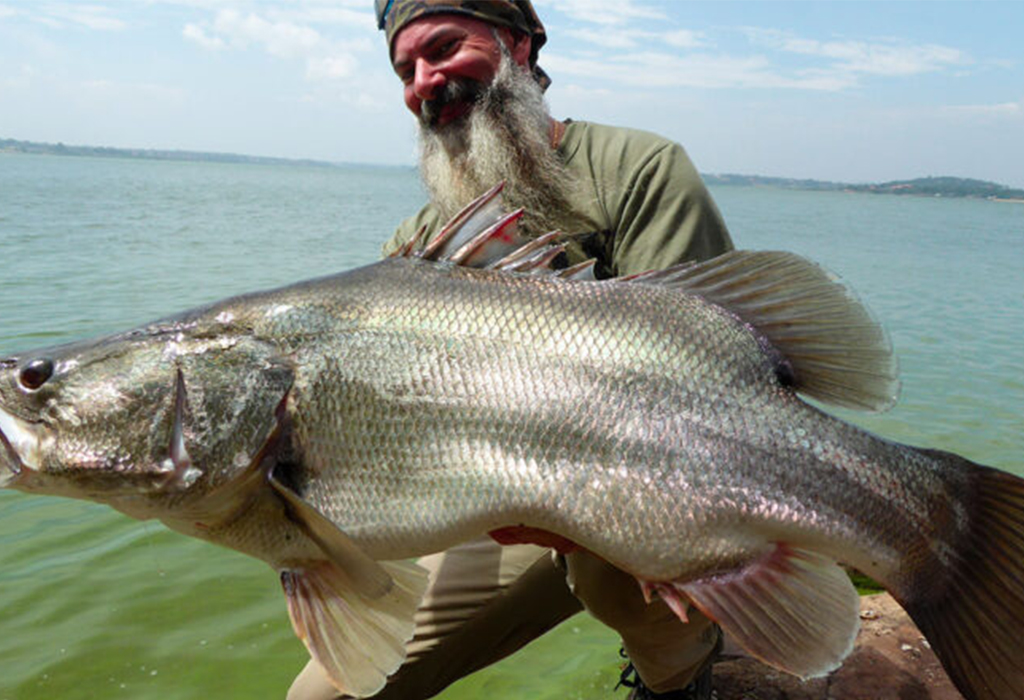
Lake Kivu, situated on the border between Rwanda and the Democratic Republic of Congo, is the sixth-largest lake in Africa and a favorite spot for both local and international anglers. The lake’s calm, bilharzia-free waters make it safe for swimming, while the surrounding scenery creates an idyllic backdrop for fishing adventures.
Several small fish species—including sardines, sambaza, and ndugu call Lake Kivu home. Local fishers traditionally catch them using nets. Often, you will see local women preparing the fish for sale; they weigh and sort them by hand before taking them to market. Tourists planning to fish here should bring their own equipment to ensure the best experience.
Despite its natural beauty, Lake Kivu poses unique risks. Beneath its surface lie large deposits of dissolved methane and carbon dioxide. If released suddenly due to a natural event such as an earthquake or volcanic eruption, these gases could threaten nearby communities. While Rwanda has implemented measures to safely extract methane for electricity, the lake’s safety is continuously monitored. These factors, however, do not prevent sport fishing, which remains popular among visitors.
Beyond fishing, Lake Kivu offers a host of recreational activities. Tourists can swim in its refreshing waters, explore the islands by canoe or speedboat, and visit Nyamirudi Island, famous for its coffee production. Here, visitors can learn about local coffee processing methods and enjoy spectacular views of the surrounding islands. For adventure seekers, kayaking, windsurfing, and speedboat rides are readily available, while the Congo Nile Trail provides an opportunity for cycling along the lakeshore, combining scenic beauty with physical activity.
Other Fishing Spots
While Akagera and Lake Kivu are the most popular destinations, other lakes and rivers in Rwanda also offer fishing opportunities. Lake Mugesera and Lake Muhazi, for example, support both commercial and recreational fishing, often visited by local communities and tourists alike. These sites provide a quieter, more intimate fishing experience for those who prefer less crowded areas.
Preparing for a Sport Fishing Trip in Rwanda
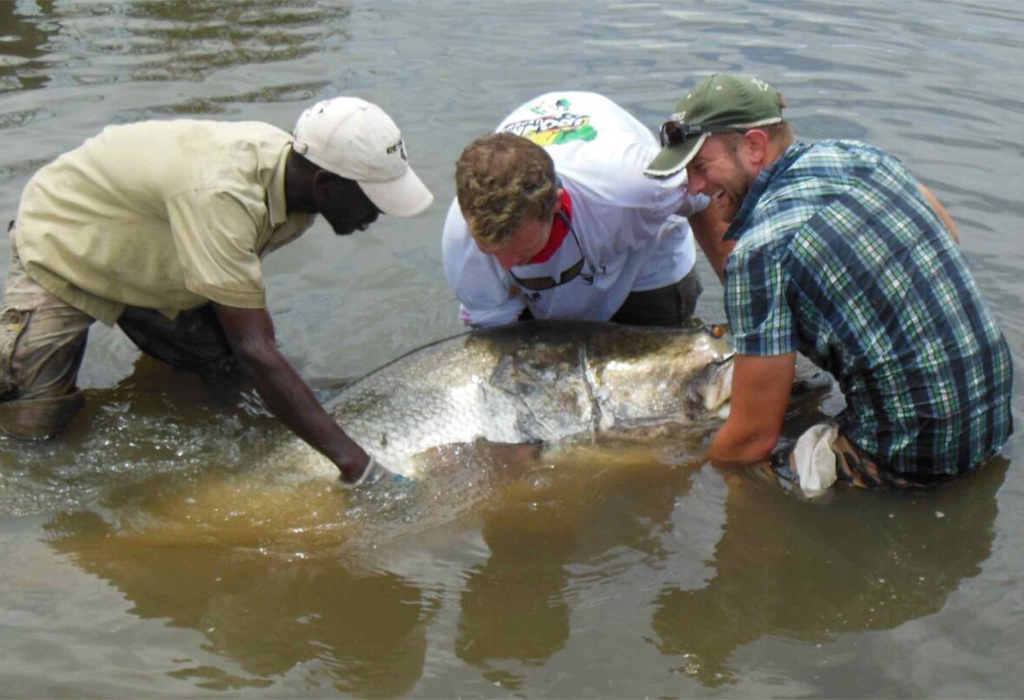
For an enjoyable fishing adventure, preparation is key. Visitors should secure the necessary permits in advance and ensure they have the appropriate equipment. Local guides, often organized by Experiya Tour Company, can provide valuable insights on fishing techniques, the best spots, and safety measures. Combining fishing with wildlife viewing or cultural experiences allows visitors to experience the full richness of Rwanda’s natural and cultural heritage.
The Future of Sport Fishing in Rwanda
Rwanda’s sport fishing potential is gradually being recognized as part of the broader tourism sector. With improved infrastructure, better equipment, and increased investment, the country could develop into a noteworthy fishing destination in East Africa. Experiya Tour Company works closely with local authorities to ensure responsible and sustainable fishing practices, promoting conservation while offering unforgettable experiences to visitors.
Tourism-driven sport fishing presents an opportunity not only to enjoy Rwanda’s waters but also to support local communities and conservation efforts. By integrating angling into wildlife tours, boat excursions, and cultural visits, Rwanda can highlight its natural resources while encouraging sustainable tourism.
Conclusion
Rwanda may not yet rival her neighbors in terms of commercial fishing, but her lakes and rivers provide a wealth of opportunities for sport fishing enthusiasts. From the lakes of Akagera National Park to the vast waters of Lake Kivu, travelers can experience thrilling fishing adventures while enjoying Rwanda’s stunning landscapes and wildlife. Whether casting a line for Nile Tilapia, exploring scenic islands, or combining fishing with game drives and birdwatching, sport fishing in Rwanda is an experience that blends excitement, relaxation, and discovery. Experiya Tour Company ensures that every trip is safe, responsible, and unforgettable, providing visitors with the best that Rwanda’s waters have to offer.
