Uganda Safari Gorilla Trekking Permits Timing
February 2, 2026
Birding Tours in Semuliki Valley National Park
February 2, 2026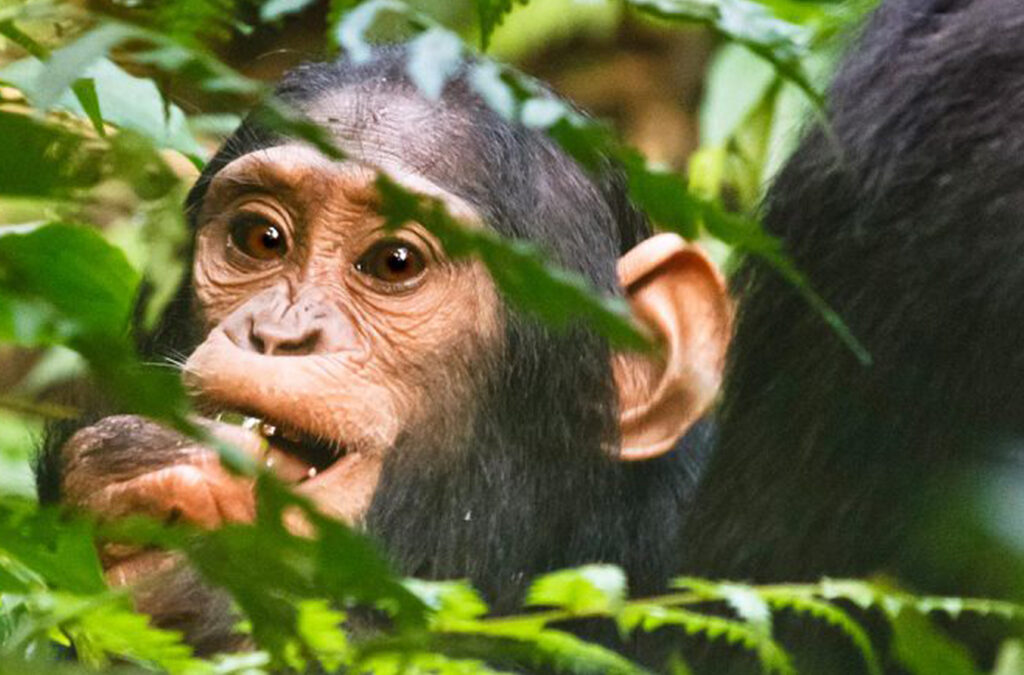
Off-season primate safaris in Uganda offer a rewarding and affordable way to experience the country’s extraordinary wildlife. While many travelers prefer peak travel months, visiting during the quieter seasons allows you to enjoy the same unforgettable primate encounters with fewer crowds, more lodge availability, and often better travel deals.
Uganda is one of the best primate destinations in Africa, and the off-season does not reduce the quality of the experience. In fact, the lush landscapes, misty forests, and dramatic scenery during this time make primate trekking even more magical. Visitors can still take part in golden monkey tracking, chimpanzee tracking, gorilla trekking, colobus monkey tracking, and mangabey tracking. Additionally, travelers may join immersive habituation experiences for gorillas, chimpanzees, and golden monkeys.
Most importantly, traveling in the off-season allows more people to turn their dream of seeing primates in the wild into reality without stretching their budget.
When Is the Off-Season for Primate Safaris in Uganda?
Uganda’s off-season occurs twice each year. The first period runs from March through May, while the second takes place from October to November. These months typically receive more rainfall, which keeps the forests green, fresh, and full of life.
Although trails can be muddy, the experience remains incredibly rewarding. Permits are sometimes easier to secure, accommodation prices may drop, and popular trekking sectors feel less crowded. As a result, budget travelers and visitors seeking a quieter, more intimate wildlife experience often choose these months.
Where to Go for Off-Season Primate Safaris in Uganda
Uganda offers several outstanding destinations for primate tracking, and each park delivers a unique forest adventure. Even during the off-season, these locations remain fully operational and provide excellent trekking opportunities.
Bwindi Impenetrable National Park
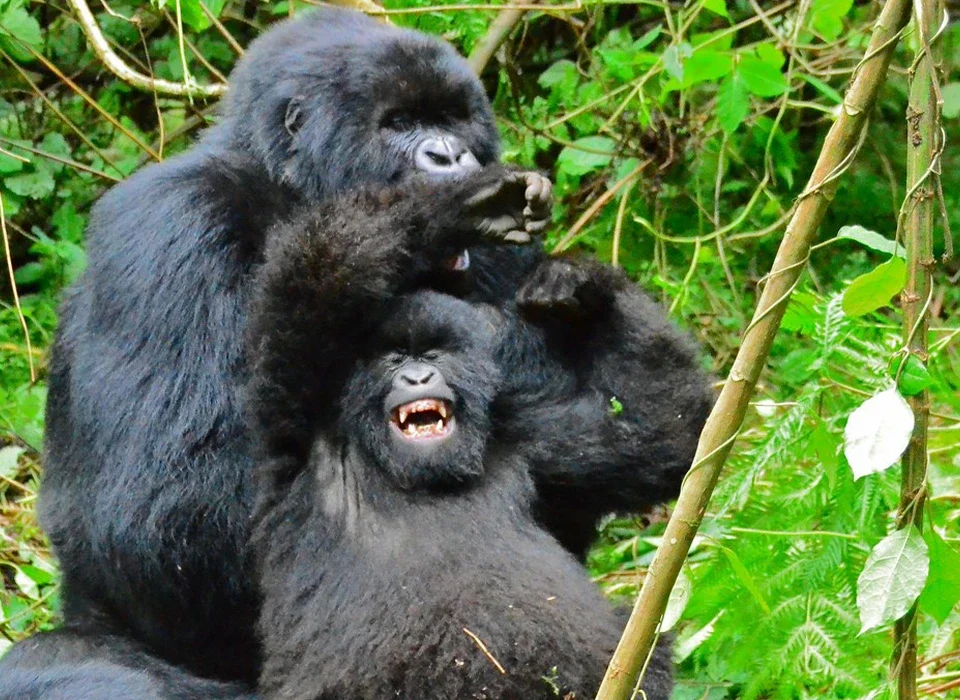
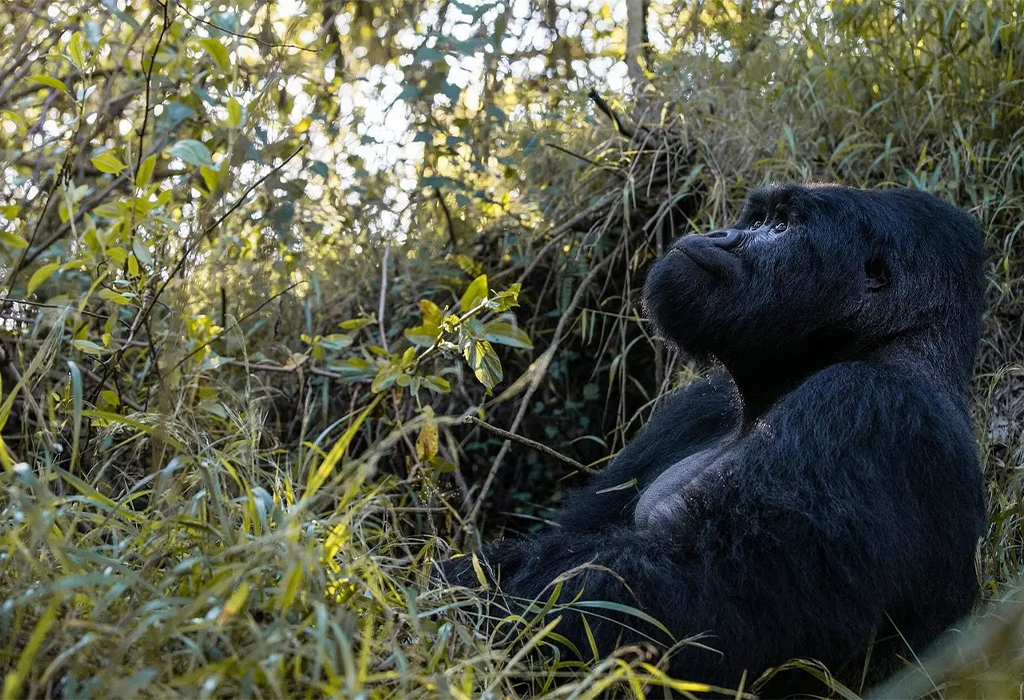
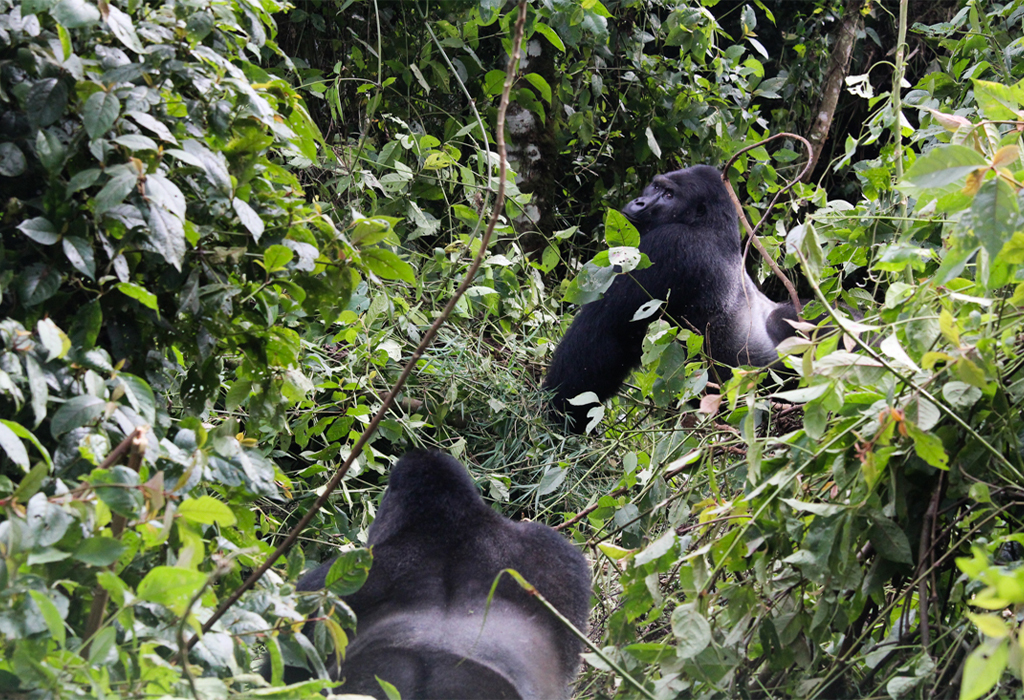
Bwindi Impenetrable National Park stands out as Uganda’s premier gorilla trekking destination. The park protects nearly half of the world’s remaining mountain gorillas and offers both standard gorilla trekking and the extraordinary gorilla habituation experience.
Bwindi features four main trekking sectors: Buhoma, Ruhija, Rushaga, and Nkuringo. Each sector hosts habituated gorilla families, giving visitors multiple trekking options depending on permit availability and fitness levels. Trekkers hike through thick rainforest, cross streams, and climb forested ridges before spending one unforgettable hour observing a gorilla family in their natural habitat.
In contrast, the gorilla habituation experience offers a deeper, longer encounter. Visitors join researchers and trackers as they spend up to four hours with a semi-habituated gorilla group. This experience provides insight into gorilla behavior, communication, and social structure. Because fewer permits are available, the experience feels exclusive and highly personal.
Even during the rainy months, Bwindi’s mist-covered canopy and dramatic scenery make every trek feel like a scene from a nature documentary.
Mgahinga Gorilla National Park
Mgahinga Gorilla National Park, located in southwestern Uganda, offers a more intimate and less crowded alternative for primate safaris. Although smaller than Bwindi, the park provides exceptional experiences, especially during the off-season.
Visitors come here to track the Nyakagezi gorilla family, known for its mobility and fascinating group dynamics. In addition, Mgahinga is the only park in Uganda where travelers can enjoy golden monkey tracking and golden monkey habituation.
Golden monkeys live in bamboo forests on the slopes of the Virunga Volcanoes. Watching them leap between branches and forage in the undergrowth adds a lively and colorful dimension to any primate safari. Because fewer tourists visit during the off-season, sightings often feel more private and relaxed.
Kibale National Park
Kibale National Park is widely recognized as the primate capital of East Africa. The park protects over 13 primate species, including around 1,500 chimpanzees. Therefore, it ranks as the best destination in Uganda for chimpanzee tracking and chimpanzee habituation.
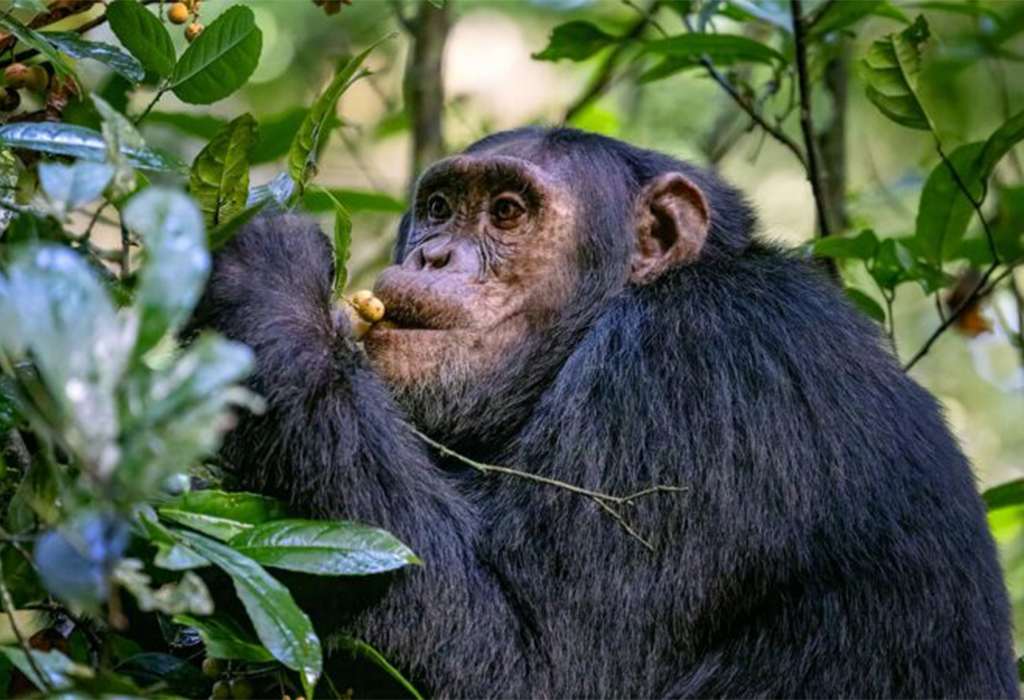
During a standard chimpanzee trek, guides lead visitors through tropical forest trails in search of a habituated chimp community. Once located, trekkers spend one hour observing chimps as they groom, feed, play, and communicate. The forest echoes with their calls, creating an unforgettable wildlife soundtrack.
Alternatively, the chimpanzee habituation experience allows guests to spend an entire day with researchers and trackers. Participants follow a chimpanzee group from morning nest departure until evening, gaining deeper insight into their daily routines.
Besides chimpanzees, Kibale also shelters red colobus monkeys, L’Hoest’s monkeys, grey-cheeked mangabeys, and olive baboons. As a result, every walk through the forest offers multiple primate sightings.
Kyambura Gorge
Kyambura Gorge, located within Queen Elizabeth National Park, provides one of Uganda’s most scenic chimpanzee tracking settings. Often called the “Valley of Apes,” the gorge features a dramatic forested ravine carved into the savannah landscape.
Trekkers descend into the gorge to search for a small community of habituated chimpanzees. Although sightings can sometimes be more challenging than in Kibale, the adventure feels thrilling and unique. Moreover, visitors can easily combine chimp tracking here with classic game drives in Queen Elizabeth National Park.
Kalinzu Forest Reserve
Kalinzu Forest Reserve lies near Queen Elizabeth National Park and offers another excellent chimpanzee tracking experience. The forest hosts several habituated chimpanzee groups and provides a more budget-friendly option compared to Kibale.
During the off-season, Kalinzu’s forest becomes lush and vibrant, and guided treks frequently lead to close encounters with chimps as well as black-and-white colobus monkeys and other forest primates.
Budongo Forest
Budongo Forest, located near Murchison Falls National Park, ranks among Uganda’s top chimpanzee tracking destinations. This large, semi-deciduous forest shelters around 800 chimpanzees and offers both standard chimpanzee trekking and chimpanzee habituation experiences.
Because Budongo sits within a broader savannah safari circuit, travelers can easily combine primate tracking with game drives and boat cruises along the Nile. Visiting during the off-season enhances the forest’s beauty, as rainfall brings out deep greens and active wildlife.
What to Pack for an Off-Season Primate Safari
Packing properly ensures comfort and safety during forest treks, especially in wetter months. Since rain showers are common, visitors should carry a lightweight rain jacket and waterproof backpack cover. Sturdy hiking boots with good grip help prevent slipping on muddy trails, while long trousers and long-sleeved shirts protect against insects and thorny vegetation.
Travelers should also pack gardening gloves for gripping vegetation during steep climbs, insect repellent to guard against bites, and sunscreen for open sections of trail. A wide-brimmed safari hat offers additional sun and rain protection.
Binoculars improve wildlife viewing, particularly for birdlife and monkeys high in the canopy. Meanwhile, a good camera with low-light capability helps capture moments in the dim forest. Finally, carrying a small personal first aid kit and enough drinking water keeps you prepared and comfortable throughout the trek.
Why Choose the Off-Season?
Choosing the off-season for a primate safari in Uganda comes with multiple advantages. Fewer visitors create a more personal and peaceful wildlife experience. In addition, availability of permits and accommodation improves, making trip planning more flexible.
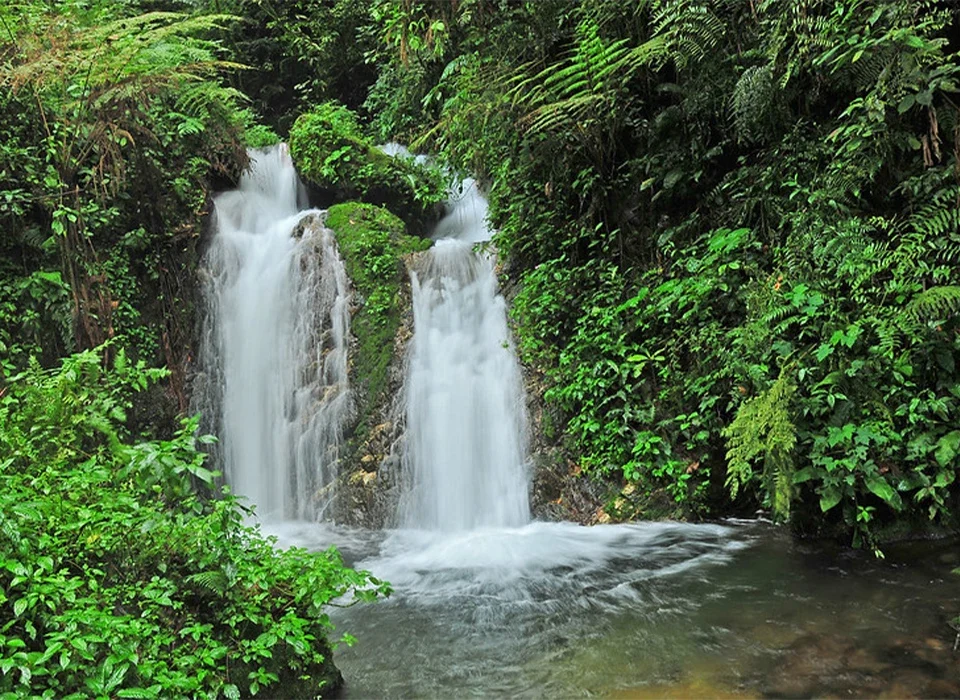
At the same time, the landscapes appear greener, rivers flow stronger, and forests feel more alive. Mist often drifts through the trees, adding a mysterious beauty that photographers especially appreciate.
Ultimately, the off-season proves that there is never a bad time to track primates in Uganda. With proper preparation and a sense of adventure, travelers can enjoy world-class wildlife encounters while benefiting from quieter trails and potential cost savings.