10 Tips to Save on Your Gorilla Safari
January 31, 2026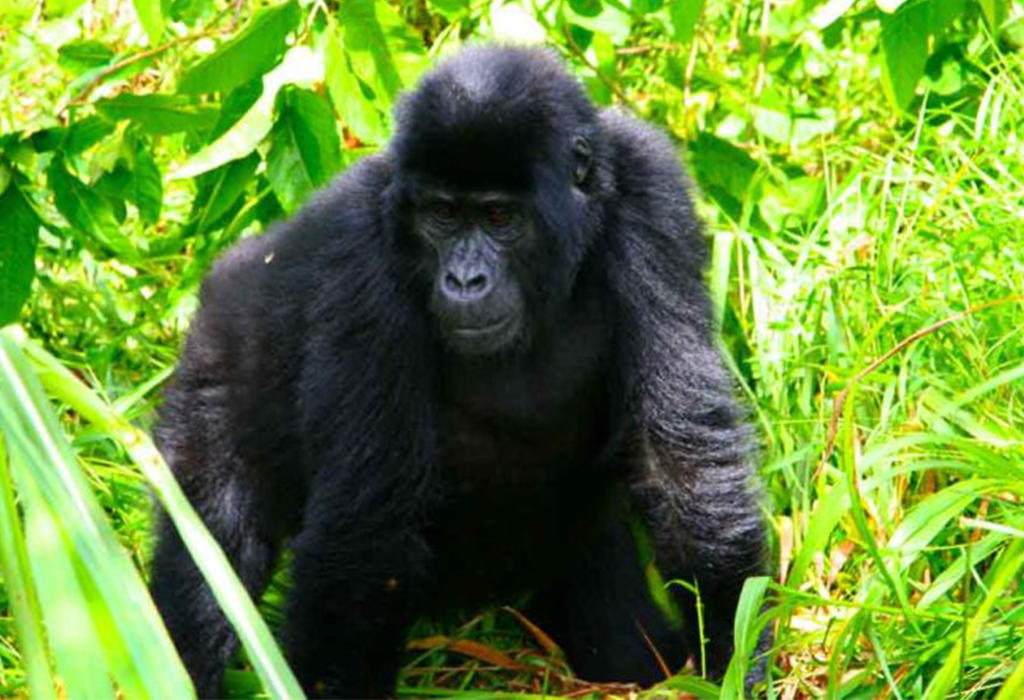
7 Days Best Rwanda Safari Gorilla Trekking, Wildlife Tour & Chimpanzee Tracking
January 31, 2026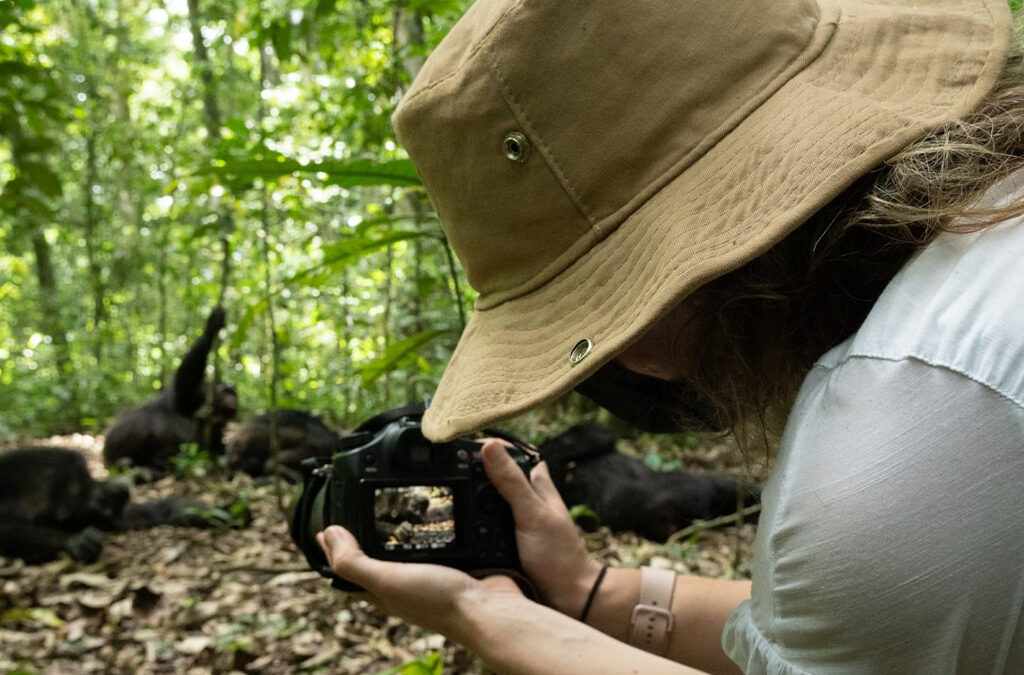
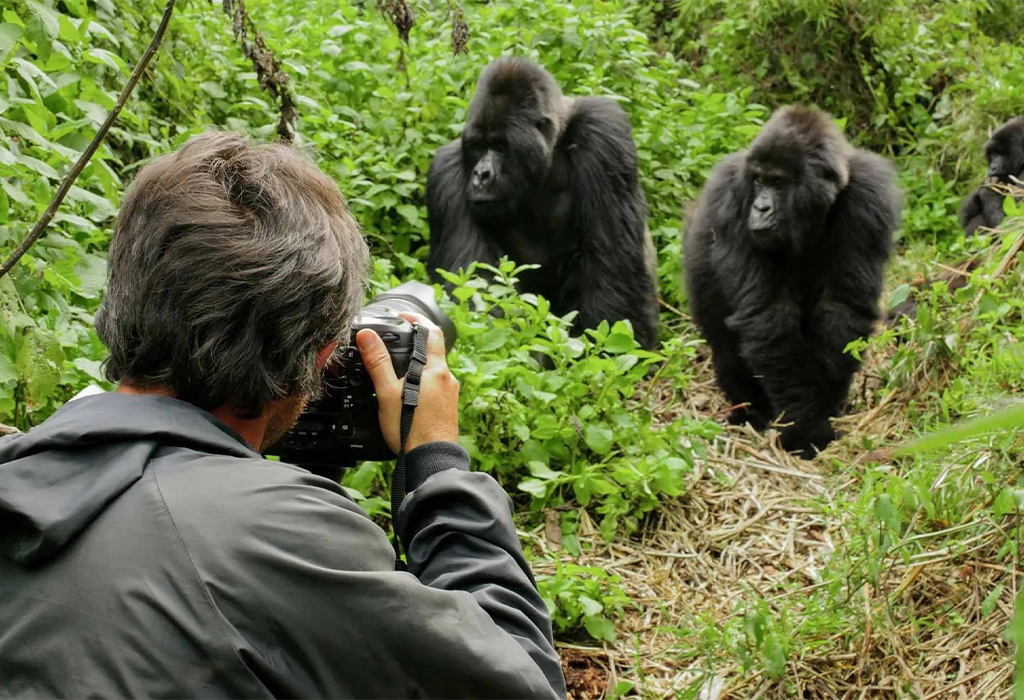
Uganda is a photographer’s paradise. With its abundant wildlife, breathtaking landscapes, and diverse bird species, it offers endless opportunities to capture nature in its rawest, most magical form. Western Uganda, in particular, stands out for photographic safari holidays, where you can photograph mountain gorillas just a few meters away.
Before your trip, it’s important to prepare your gear. A camera that performs well in low light is essential, as Uganda’s dense forests can be quite dim. A 70–200mm zoom lens is ideal for capturing close-ups of mountain gorillas. If possible, carry two camera bodies with different lenses there’s often little time to swap lenses when wildlife moves quickly. Extra batteries, a lightweight tripod, and a lens hood for shooting from vehicles are also highly recommended.
Experiya Tour Company specializes in organizing photography safaris in Uganda. Here are the top destinations you shouldn’t miss.
1. Bwindi Impenetrable Forest National Park
A UNESCO World Heritage Site in southwestern Uganda, Bwindi’s dense forest resembles a giant patchwork of broccoli from afar. The southern section of the forest is famous for gorilla habituation and trekking.
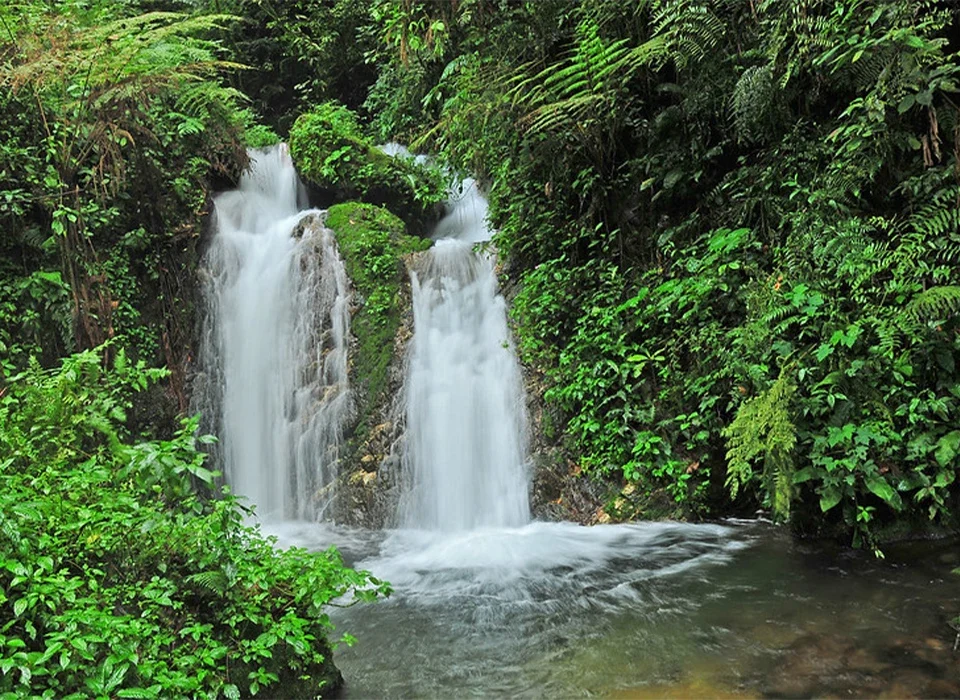
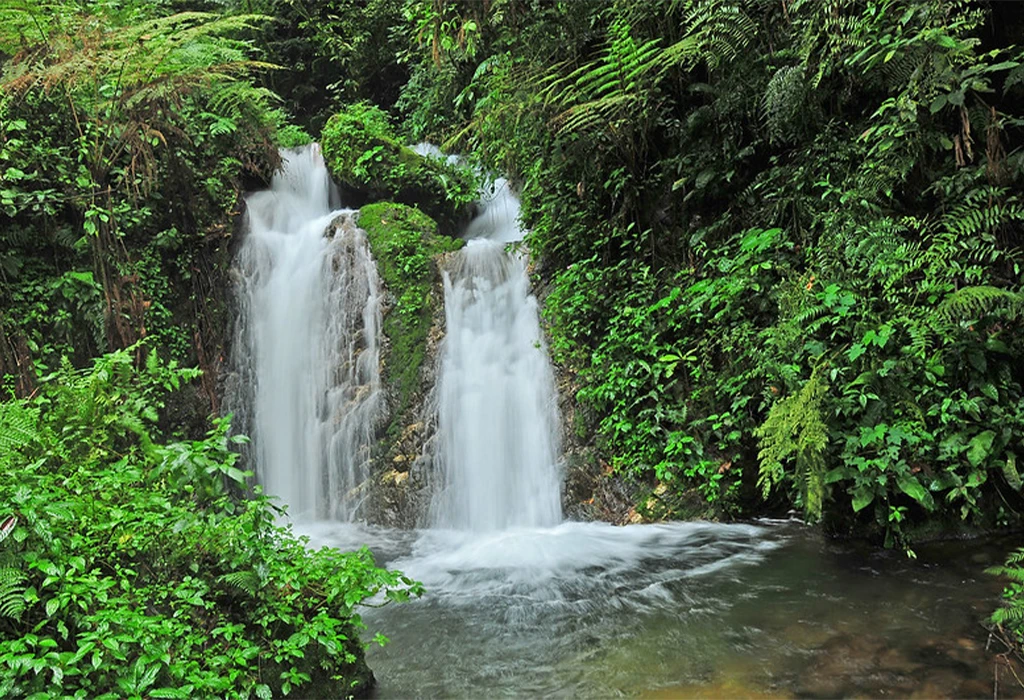
Photographers will find countless subjects here: mountain gorillas, colorful birds, cascading waterfalls, and vibrant butterflies. The dense greenery creates dramatic lighting conditions, so be sure your camera gear is prepared for low-light photography. Bwindi is truly a must-visit destination for capturing intimate wildlife moments in a lush, mystical forest.
2. Mgahinga Gorilla National Park
Mgahinga, Uganda’s smallest national park at 33.7 km², rises between 2,227 and 4,127 meters above sea level. Its name comes from “Gahinga,” the local term for volcanic stone mounds at the base of the surrounding volcanoes.
Mgahinga protects endangered mountain gorillas and golden monkeys, along with a wide variety of bird species. Beyond wildlife, the park offers incredible cultural photography opportunities. The local Batwa pygmy community, the forest’s original inhabitants, shares their heritage through guided cultural experiences. Photographers can also capture stunning shots of extinct volcanoes, dramatic landscapes, and traditional Batwa life.
3. Murchison Falls National Park
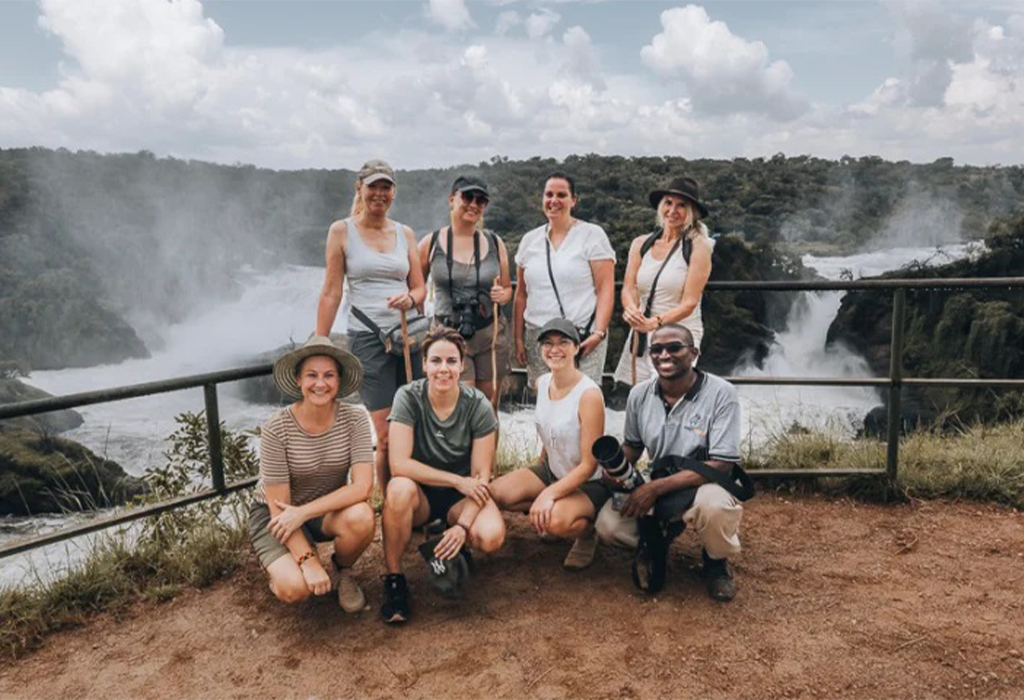
Covering 3,840 km², Murchison Falls is Uganda’s largest national park and a haven for wildlife photographers. Here, you can capture elephants, lions, hippos, buffaloes, crocodiles, and a myriad of birds in their natural habitats.
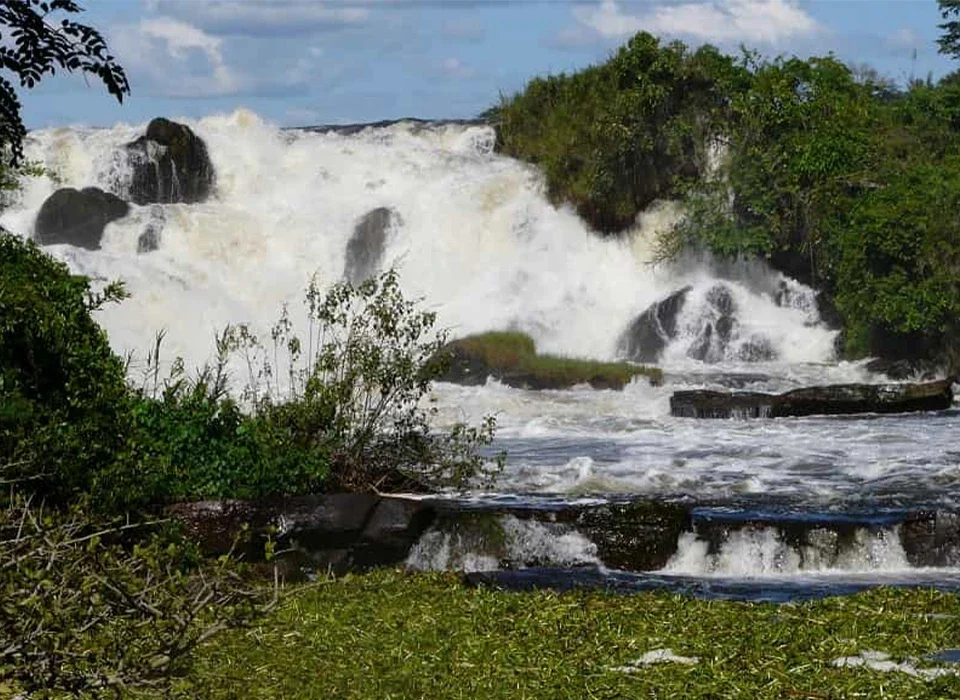
Take a game drive, a boat safari to the base of the falls, or trek to the top for panoramic shots. The Murchison Falls themselves are a spectacular subject: the Nile forces its way through an 8-meter-wide gorge, creating a deafening roar and a breathtaking rainbow. The park also allows night wildlife viewing, providing unique photographic opportunities rarely found elsewhere in Uganda.
4. Queen Elizabeth National Park
Queen Elizabeth National Park offers one of the most diverse photographic experiences in Uganda. Established in 1952, it encompasses savannahs, humid forests, fertile wetlands, and crater lakes, creating habitats for a wide variety of species.
From the famous Kyambura Gorge chimps to over 620 bird species, photographers can capture primates, elephants, lions, hippos, and more. Beyond wildlife, the park also offers cultural moments with local communities, including storytelling, music, and traditional dances. Its diverse ecosystems ensure endless opportunities for creative and memorable shots.
Other Notable Photography Destinations
- Lake Mburo National Park: A compact savannah park with giraffes, leopards, hippos, elands, and over 350 bird species. Easily explored by vehicle, foot, horseback, or boat.
- Kibale Forest National Park: Known as the primate capital of the world, ideal for photographing chimpanzees and diverse birdlife. Stunning crater lakes add to the scenic photography opportunities.
- Mabamba Swamp: A prime location for capturing the elusive shoebill stork on Lake Victoria, Africa’s largest freshwater lake. Canoe rides through the swamp provide adventurous photography angles.
- Semuliki Valley National Park: Remote and serene, offering guided treks to hot springs, forests, and chimpanzee habitats. Perfect for undisturbed wildlife photography.
Essential Gear for a Photographic Safari in Uganda
- Long-sleeved shirts and trousers
- Gloves and insect repellent
- Camera with extra lenses and batteries
- Waterproof jacket and sun protection
- Backpack for water and packed lunch
General requirements:
- Antimalarial medication and yellow fever vaccine
- Lightweight safari attire for hot days and warm clothing for cool evenings
Getting Around Uganda on a Photography Safari
By Road
Uganda’s national parks are easily accessible by 4×4 vehicles. Safari vans and Land Cruisers provide ample space for photographers and their equipment.
By Air
To save time between destinations, small domestic flights are available via Experiya Tour Company’s partner Aero Link Uganda, providing efficient and scenic travel.
Experiya Tour Company has experience in designing photography safaris across Uganda, Rwanda, and the Democratic Republic of the Congo. From permits and accommodations to transportation and guided excursions, we handle every detail to ensure a smooth and memorable photographic safari. Let us create your perfect itinerary so you can focus on capturing the magic of Uganda.