
How Long Does It Take for a Chimpanzee to Walk?
January 31, 2026
10 Tips to Save on Your Gorilla Safari
January 31, 2026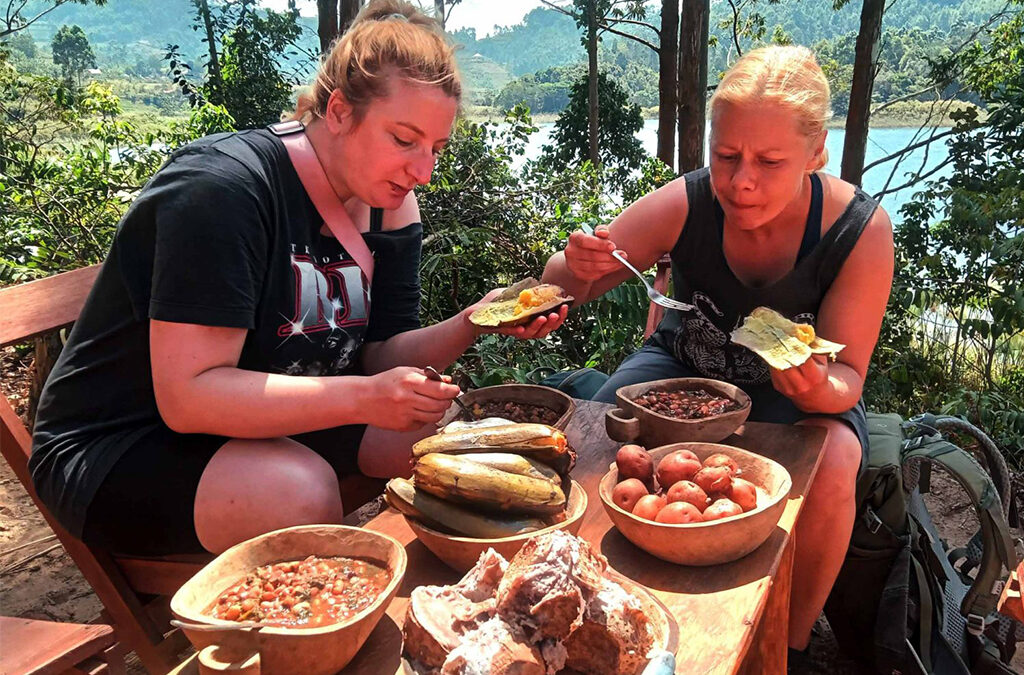
Rwanda the “Land of a Thousand Hills” is famous for its breathtaking landscapes, mountain gorillas, and vibrant culture. But beyond the scenery and wildlife lies something equally memorable: its food. Rwandan cuisine reflects the country’s history, agricultural roots, and deep sense of community. Meals here are built around fresh, locally grown ingredients, and every dish tells a story about the land and the people.
Over time, Rwanda’s culinary traditions have blended with influences from neighboring countries, creating a cuisine that feels both authentic and evolving. Here’s a closer look at what you can expect when you explore local food in Rwanda.
Traditional Rwandan Cuisine
At the heart of Rwandan cooking are simple, nourishing staples grown in the country’s fertile soil. Common ingredients include plantains, beans, cassava, sweet potatoes, maize, and leafy greens.
One of the most popular foods is ugali, a thick maize flour porridge. Rwandans often serve it alongside flavorful stews, vegetables, or sauces, using their hands to scoop up bites.
Another beloved dish is isombe, made from cassava leaves pounded and cooked with ground peanuts, onions, and spices. It has a rich, earthy flavor and pairs well with rice, plantains, or grilled meat.
You’ll also find ibihaza, a comforting pumpkin stew mixed with beans, and akabenz, crispy fried pork that’s especially popular in local bars and eateries.
And then there are brochettes Rwanda’s favorite street food. Vendors grill skewers of marinated meat (usually goat, beef, or chicken) over open flames and serve them hot with fries or fried plantains. They’re smoky, juicy, and absolutely addictive.
Fresh Produce and Local Ingredients
Because Rwanda is an agricultural country, fresh produce plays a major role in daily meals. Markets overflow with colorful fruits and vegetables like avocados, tomatoes, passion fruit, pineapples, carrots, and leafy greens.
Bananas are especially important. Rwandans grow several varieties, including agashya, a sweet banana often eaten fresh or used in cooking. Some bananas even go into traditional beverages.
Most restaurants and homes rely on seasonal, locally sourced ingredients, which means meals are fresh, organic, and deeply connected to the land. This farm-to-table culture isn’t a trend here it’s a way of life.
Food Experiences in Kigali
Kigali, Rwanda’s clean and modern capital, offers a fantastic mix of traditional flavors and contemporary dining.
Restaurants across the city serve local favorites in stylish settings, making it easy for visitors to explore Rwandan cuisine comfortably.
Many travelers exploring Rwanda with Experiya Tour Company enjoy dining at places that blend local and international dishes. Restaurants like Heaven Restaurant, for example, serve Rwandan classics such as isombe and ibihaza alongside global cuisine, all with beautiful city views.
The café at the Kigali Genocide Memorial also offers a peaceful space to reflect while enjoying fresh, locally inspired meals. It’s a meaningful stop that combines history, culture, and cuisine.
For a hands-on experience, visitors can even join cooking classes at places like the Kigali Culinary Academy, where you can learn to prepare traditional Rwandan dishes and understand the ingredients behind them
Modern and Innovative Food Trends
In recent years, Rwanda’s food scene has grown more creative. Young chefs are reimagining traditional dishes using modern techniques while still honoring local ingredients.
Fusion restaurants in Kigali now combine Rwandan produce with global cooking styles. You might find grilled fish with tropical fruit salsa, spiced sweet potato dishes, or creative vegetarian plates built around local vegetables.
This blend of tradition and innovation reflects Rwanda itself a country deeply rooted in culture yet confidently moving forward.
Street Food Culture in Rwanda
While Rwanda doesn’t have massive street food scenes like some countries, you’ll still find delicious local snacks in busy areas and markets.
Brochettes and fried plantains are the stars of the show. Vendors grill meat skewers over charcoal and serve them with simple sides. Pair them with ikivuguto, a traditional fermented milk drink, for an authentic local experience.
Markets in Kigali and towns like Butare (Huye) are great places to try affordable, freshly prepared food while interacting with friendly local vendors.
Exploring Local Markets
If you want to truly understand Rwandan cuisine, visit a local market. Places like Kimironko Market in Kigali burst with life, color, and aroma.
Here you’ll see heaps of fresh vegetables, baskets of beans, ripe fruits, spices, and locally made products. Walking through these markets gives you a direct connection to the ingredients that define Rwandan cooking.
Travelers touring with Experiya Tour Company often include market visits in their cultural experiences, making food exploration part of the journey.
The Importance of Food in Rwandan Culture
In Rwanda, food is more than nourishment it’s a symbol of unity and hospitality. Families and communities gather to share meals during celebrations, ceremonies, and everyday life.
Offering food to guests shows respect and warmth. Sharing a plate strengthens social bonds and reinforces cultural identity.
Traditional dishes also play a powerful role in preserving heritage. As Rwanda continues to grow and rebuild, reviving and celebrating local cuisine has become part of strengthening national pride.
Best Time to Experience Rwandan Cuisine
Rwanda’s dry seasons June to September and December to February are ideal for food exploration. The weather is pleasant, markets are lively, and outdoor dining is comfortable.
These months are perfect for tasting street food, visiting farms, and enjoying meals with scenic hilltop views.
Final Thoughts: A Flavorful Journey
Rwandan cuisine is fresh, comforting, and deeply connected to the land. From hearty traditional dishes to creative modern plates in Kigali, the country offers a rich culinary journey for every traveler.
Whether you’re sampling brochettes at a local market, learning to cook isombe, or dining with a view of Kigali’s hills, food becomes one of the most memorable parts of your trip.
With Experiya Tour Company, exploring Rwanda’s landscapes, wildlife, and flavors comes together in one unforgettable experience one delicious bite at a time.