What Languages Are Spoken in Rwanda and Uganda?
January 31, 2026
What Is the Local Food Like in Rwanda?
January 31, 2026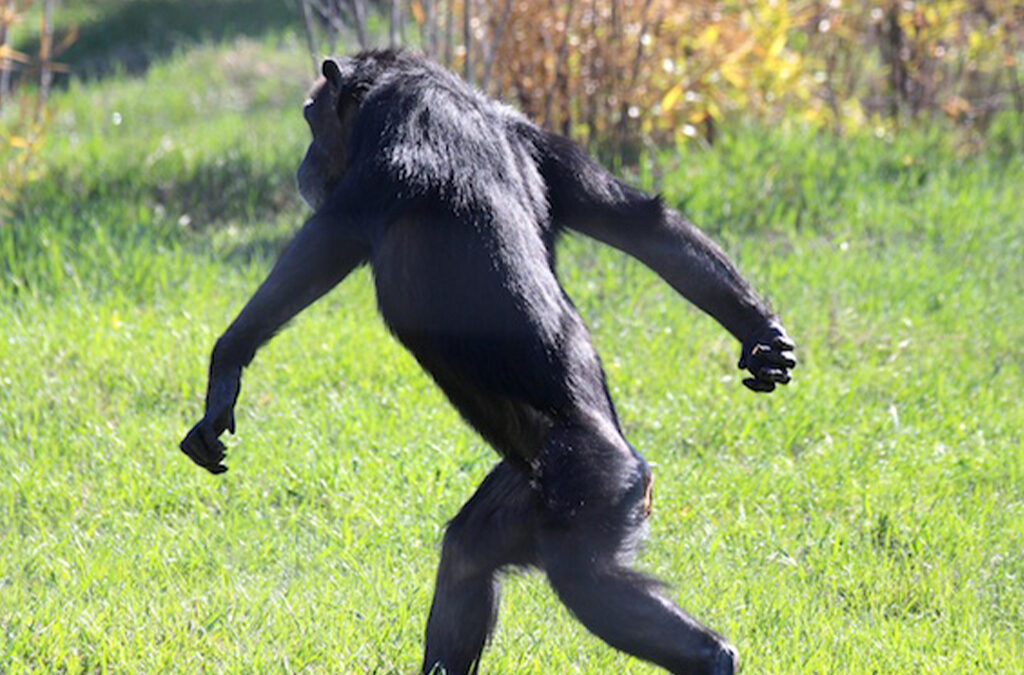
Understanding how far and how long chimpanzees move each day helps travelers prepare physically and mentally for one of East Africa’s most exciting wildlife encounters. Their daily movement patterns influence trekking duration, terrain difficulty, and how chimpanzee tracking fits into a broader safari that may also include gorilla trekking.
This guide explains chimpanzee movement, what it means for safari logistics, and how to plan an unforgettable primate experience in Uganda or Rwanda with Experiya Tour Company.
Chimpanzee Daily Movement Patterns
Average Distance and Foraging Behavior
Chimpanzees are highly active primates. Rather than staying in one place, they move through the forest every day in search of food, social interaction, and safe resting spots.
On average, chimpanzees travel between 3 and 5 kilometers per day. However, this movement is not continuous. Instead, it happens in short walking bursts followed by pauses for feeding, grooming, or resting. This natural rhythm actually makes tracking them more manageable for visitors, since trekkers move in stages rather than at a constant pace.
Their typical walking speed ranges from about 1 to 1.5 kilometers per hour, depending on terrain and activity. During chimpanzee tracking in destinations like Kibale Forest National Park in Uganda or Nyungwe Forest National Park in Rwanda, guests usually spend two to five hours following the chimpanzees before settling into a designated observation period.
Because of these patterns, chimp trekking feels less like a race and more like a guided forest walk with exciting moments of discovery.
How Habitat Affects Walking Time
Kibale vs. Nyungwe Forest Conditions
Not all chimp trekking environments are the same. Terrain plays a big role in how far and how fast both chimpanzees and trekkers move.
Kibale Forest in Uganda features rolling hills, well-established trails, and moderate elevation changes. As a result, walking conditions are generally comfortable, and tracking can be easier for many travelers.
In contrast, Nyungwe Forest in Rwanda has steeper slopes, thicker vegetation, and more rugged terrain. Here, chimpanzees may move more slowly, but trekkers often find the hike more physically demanding.
In either location, you might walk one to three kilometers before locating the chimpanzees. After that, additional time is spent following them at a respectful distance before the official viewing period begins.
For travelers combining chimp tracking with gorilla trekking in Uganda or Rwanda, this contrast in habitats adds variety to the experience. It also means preparing for different energy levels on different days, something Experiya Tour Company carefully considers when designing safari itineraries.
Typical Chimpanzee Trek Duration
From Early Morning to Early Afternoon
Chimpanzee tracking usually begins early in the morning, typically between 7:00 and 8:00 AM. This is when chimpanzees are most active and easier to locate.
The experience generally unfolds in several stages, starting with a briefing at the park headquarters. From there, trekkers enter the forest to locate the chimpanzees. Once the chimps are found, visitors are allowed up to one hour of observation. Afterward, the group returns on foot to the starting point.
If chimpanzees have moved several kilometers, the search phase alone may take one to two hours. Altogether, most chimp treks last between three and six hours.
While that may sound long, the time passes quickly thanks to birdlife, forest scenery, and the thrill of hearing chimp calls echoing through the trees.
After the trek, many itineraries include relaxed afternoon activities such as cultural visits, village walks, or craft markets. This provides a perfect balance after a physically active morning.
Combining Chimp and Gorilla Trekking
Understanding chimpanzee walking patterns is especially helpful when planning a multi-primate safari.
A common and rewarding itinerary includes chimpanzee tracking in Kibale or Nyungwe, followed by gorilla trekking in Bwindi, Mgahinga, or Volcanoes National Park the next day.
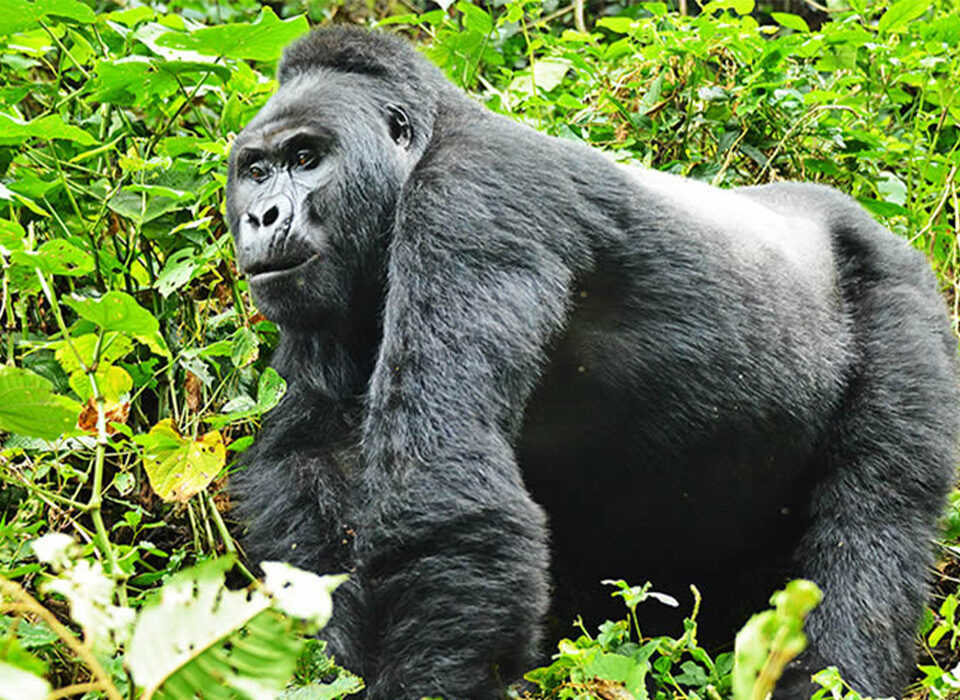
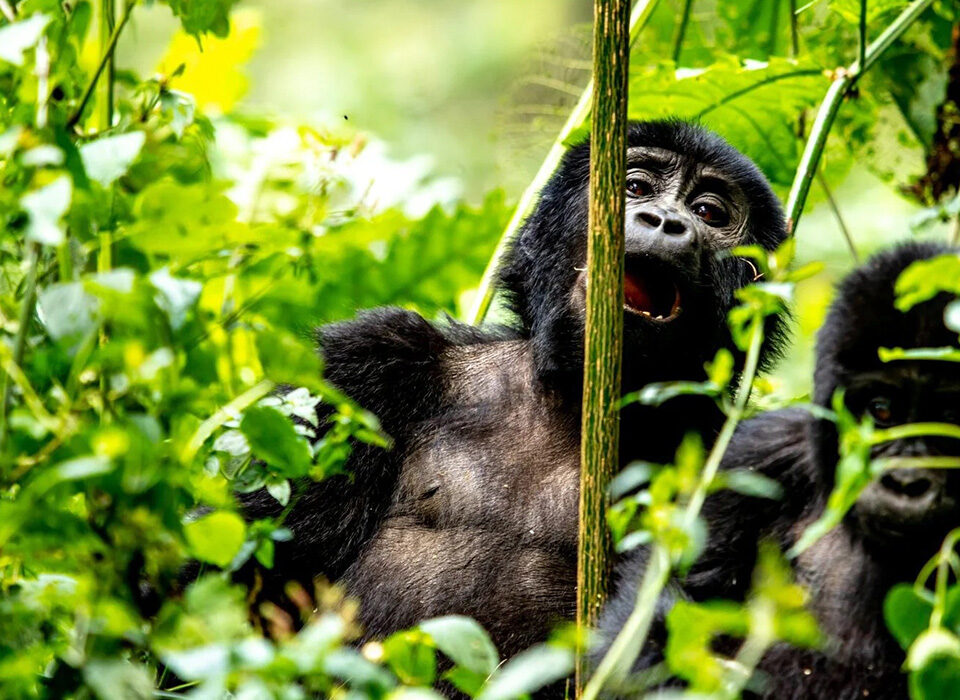
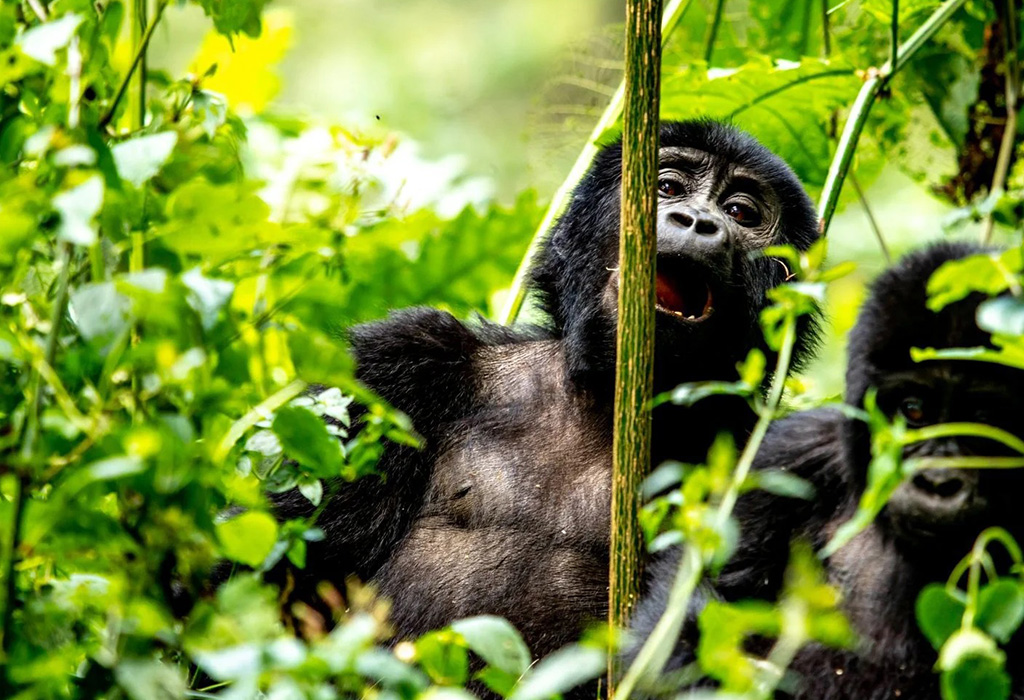
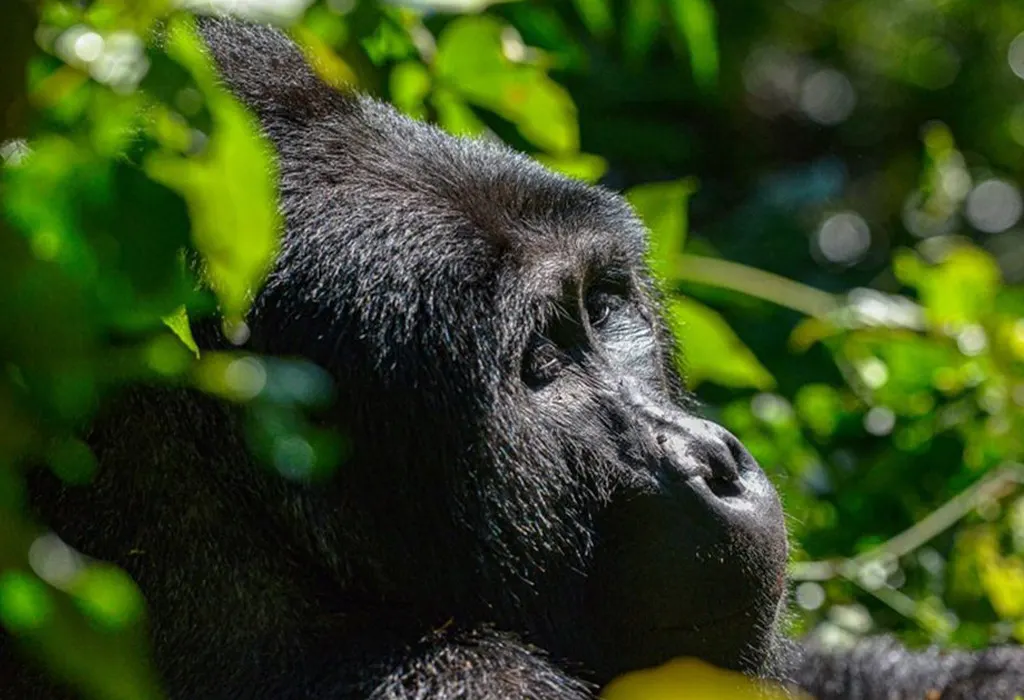
This combination allows travelers to compare the behavior and movement of two very different great apes. Chimpanzees are energetic and wide-ranging, while gorillas tend to move shorter distances and spend more time feeding in one area.
With proper pacing, this back-to-back experience is both manageable and deeply enriching. Experiya Tour Company structures these itineraries to allow rest, scenic drives, and cultural encounters between treks.
Practical Tips for Chimpanzee Trekking
What to Wear and Carry
Being well prepared makes a big difference in comfort and enjoyment. Sturdy, broken-in hiking boots with good grip are essential because trails can be muddy and uneven. Clothing should include long trousers and long-sleeved shirts to protect against scratches and insects, along with breathable layers. A lightweight rain jacket is important, as forest weather can change quickly.
Travelers should carry drinking water and light snacks to maintain energy during the trek. Insect repellent and a rain poncho are also highly recommended. A walking stick is often provided at the park and can be very helpful on slippery or steep sections.
It is best to drink small amounts of water regularly and snack lightly to stay energized. Visitors should expect to walk one to two kilometers or more before locating chimpanzees, followed by periods of standing and observing.
Is Chimp Tracking Family-Friendly?
Families often ask about chimpanzee walking distances to determine if the activity is suitable for younger travelers.
In easier terrain, shorter treks may cover one to three kilometers over two to three hours. Some parks, particularly Kibale, also have forest trails and nature walks that can be enjoyed by family members who may not join the full chimp trek.
When combined with gorilla trekking for eligible age groups, chimp tracking creates a well-rounded, multi-generational safari experience. Cultural visits and community walks further enrich the journey for all ages.
Cultural Experiences After Your Trek
Chimp trekking regions are not only rich in wildlife but also in culture. After a morning in the forest, travelers often visit nearby communities to experience traditional music and dance, local craft workshops, storytelling sessions, and conservation education programs.
In Uganda, visits with Indigenous communities such as the Batwa offer deeper insight into the history and cultural connections between people and forests. These cultural moments provide meaningful context and a relaxing contrast to the physical effort of trekking.
Conservation and Responsible Tracking
Chimpanzee tracking does more than create unforgettable memories. It also plays a vital role in conservation.
Tourism revenue supports anti-poaching patrols, habitat protection, and community education programs. Because chimpanzees need large, connected forests to survive, responsible tourism helps maintain the ecosystems they depend on.
Combining chimp and gorilla trekking increases awareness and funding for great ape conservation across the region, making your safari both meaningful and impactful.
Conclusion
Chimpanzees typically walk 3 to 5 kilometers per day, moving in bursts with frequent resting and feeding stops. For visitors, tracking them usually involves three to six hours in the forest, including walking and observation time.
By understanding chimpanzee movement patterns, travelers can better prepare physically, plan their schedules, and fully enjoy both chimp and gorilla trekking experiences. With thoughtful pacing, cultural activities, and expert planning from Experiya Tour Company, your primate safari becomes a balanced adventure filled with wildlife, learning, and meaningful connections.