
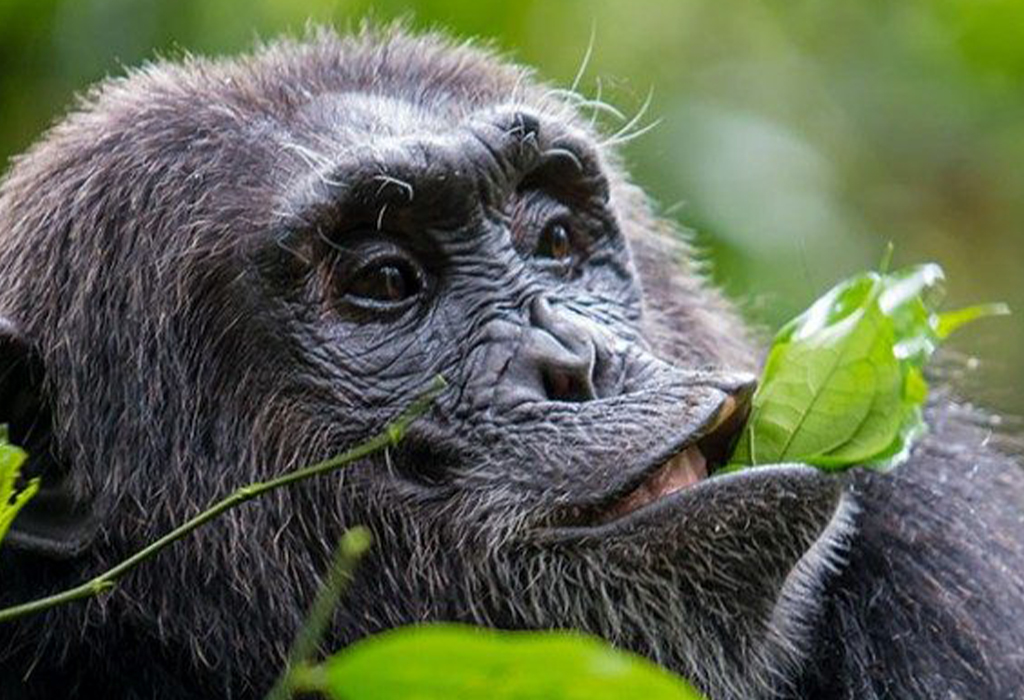
5 Best Wildlife Encounters in Uganda
January 30, 2026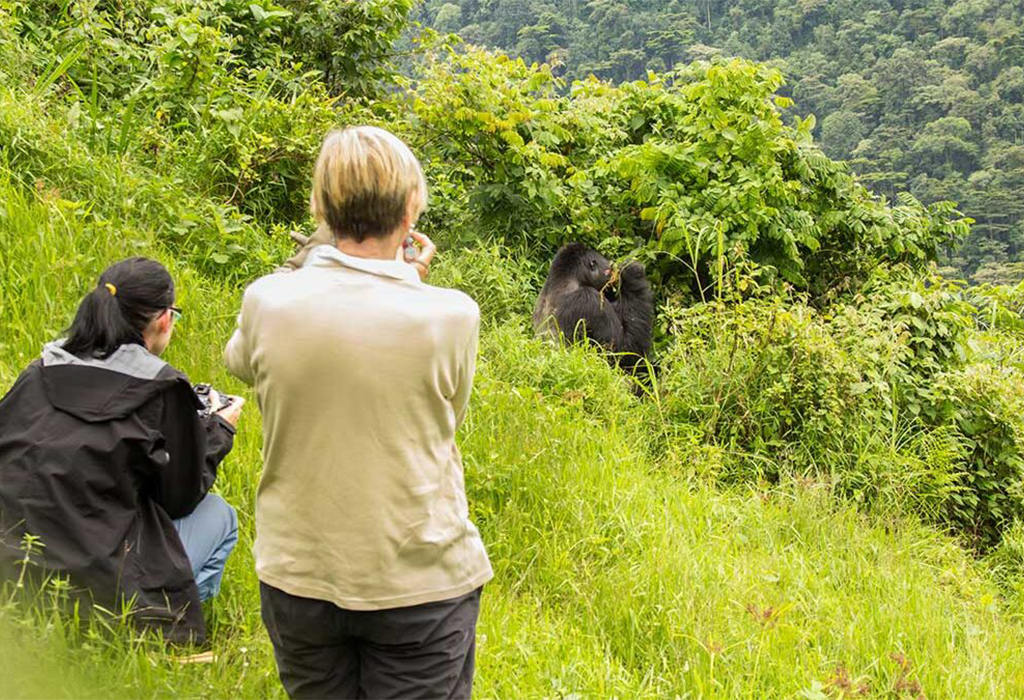
Which Sector of Bwindi Is Closest to Kigali?
January 30, 2026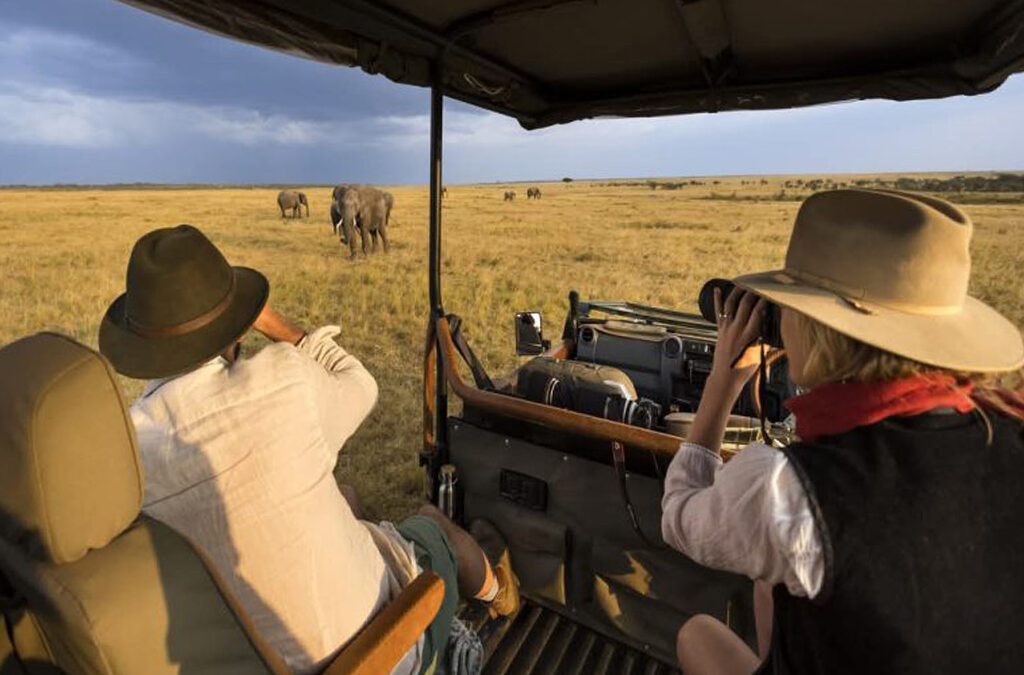
A Kenya safari is not just another vacation it’s a once-in-a-lifetime adventure. Many travelers save for years to experience Africa’s iconic wildlife, vast savannahs, and breathtaking sunsets. However, planning a safari can feel overwhelming at first. With so many parks, lodges, seasons, and logistics to think about, it’s important to prepare well.
To help you plan smoothly, here are 10 essential things to consider before visiting Kenya on safari in 2026.
1. Choose the Right Safari Destination
First and foremost, decide where you want to go. Kenya offers a wide range of safari destinations, and each one provides a different experience.
For example:
- Masai Mara is famous for the Great Migration and big cats
- Amboseli is known for elephants and Mount Kilimanjaro views
- Samburu offers rare northern species
- Tsavo delivers vast, dramatic wilderness
Instead of trying to see everything, list your dream experiences and narrow them down. When you work with Experiya Tour Company, expert planners help you match your interests with the perfect destinations.
2. Consider the Season of Travel
Kenya is a year-round safari destination, but seasons greatly affect wildlife viewing.
- July–October: Peak season and Great Migration river crossings
- January–March: Excellent wildlife viewing with fewer crowds
- April–May: Long rains (lush scenery but challenging roads)
- November–December: Short rains, fewer tourists, good value
Therefore, choose your travel dates based on whether you prefer dramatic wildlife action, green landscapes, or fewer crowds.
3. Check Required Vaccinations and Health Advice
Before traveling, visit your doctor or a travel clinic. As of 2026, common recommendations for Kenya include:
- Yellow fever vaccination (sometimes required for entry)
- Routine travel vaccines (tetanus, hepatitis A/B, typhoid)
- Malaria prevention medication depending on your itinerary
In addition, purchase comprehensive travel insurance that covers medical emergencies and evacuation. Your health and safety should always come first.
4. Understand Kenya’s Weather
Although Kenya lies on the equator, temperatures vary by region and altitude.
- Coastal areas are warm and humid
- Highlands and safari parks can be cool in the mornings and evenings
- Midday game drives can be hot and sunny
Because of this variation, pack layers. Knowing the weather in advance helps you stay comfortable throughout your safari.
5. Set a Realistic Safari Budget
A safari is an investment, but smart planning makes it manageable. Your budget will depend on:
- Type of accommodation (luxury lodge vs. tented camp)
- Length of your trip
- Private vs. group safari
- Domestic flights vs. road travel
- Park entry fees and activities
While luxury safaris can be expensive, booking early and traveling in shoulder seasons can reduce costs. Experiya Tour Company helps tailor safaris to different budgets without compromising the experience.
6. Decide on the Type of Safari Experience
Not all safaris are the same. Think about what kind of adventure suits you best:
- Classic game drive safari – wildlife viewing in 4×4 vehicles
- Luxury fly-in safari – fast travel and exclusive lodges
- Family safari – kid-friendly lodges and shorter drives
- Cultural safari – visits to Maasai or Samburu communities
- Adventure safari – walking safaris, camel treks, or hiking
Once you define your style, it becomes much easier to build the right itinerary.
7. Know the Best Time for Wildlife Viewing
Although safaris run year-round, wildlife viewing peaks during the dry seasons when animals gather around water sources.
- June–October: Best overall wildlife viewing
- July–September: Great Migration in the Masai Mara
- January–February: Clear skies and excellent predator sightings
On the other hand, the rainy seasons bring fewer crowds, lower prices, and beautiful scenery. Each season has its own advantages.
8. Pack Smart: Luggage and Clothing Tips
Safari vehicles have limited luggage space. Therefore, bring:
- A soft duffel bag instead of a hard suitcase
- Neutral-colored clothing (khaki, beige, olive)
- Light, breathable fabrics like cotton or linen
- A warm jacket or fleece for early mornings
- A wide-brim hat, sunglasses, and sunscreen
Also, remember that mornings can be cold while afternoons get hot. Layers make all the difference.
9. Learn Photography Rules in Kenya
Photography is a big part of any safari. However, there are important restrictions.
It is illegal to photograph:
- Military installations
- Government buildings
- Airports and border posts
Always ask for permission before taking photos of local people. Respectful travel ensures positive interactions and avoids legal trouble.
10. Follow Essential Safari Safety Tips
Finally, safety is key during game drives.
- Never get out of the vehicle unless your guide says it’s safe
- Keep arms and cameras inside the vehicle
- Stay quiet during wildlife sightings
- Secure hats and loose items during drives
Wild animals are unpredictable, so always listen carefully to your guide. Professional safari guides from Experiya Tour Company are highly trained to keep you safe while maximizing wildlife encounters.
Final Thoughts
A Kenya safari in 2026 promises unforgettable wildlife, rich culture, and breathtaking landscapes. With proper planning, the experience becomes smooth, safe, and deeply rewarding.
By considering these ten important factors from seasons and destinations to packing and safety you set yourself up for the adventure of a lifetime.
When you’re ready to turn your safari dream into reality, Experiya Tour Company can help design a personalized Kenya safari that perfectly matches your budget, travel style, and wildlife goals.
