What to Expect When You Visit Gorillas in Rwanda
January 29, 2026
5 Best Wildlife Encounters in Uganda
January 30, 2026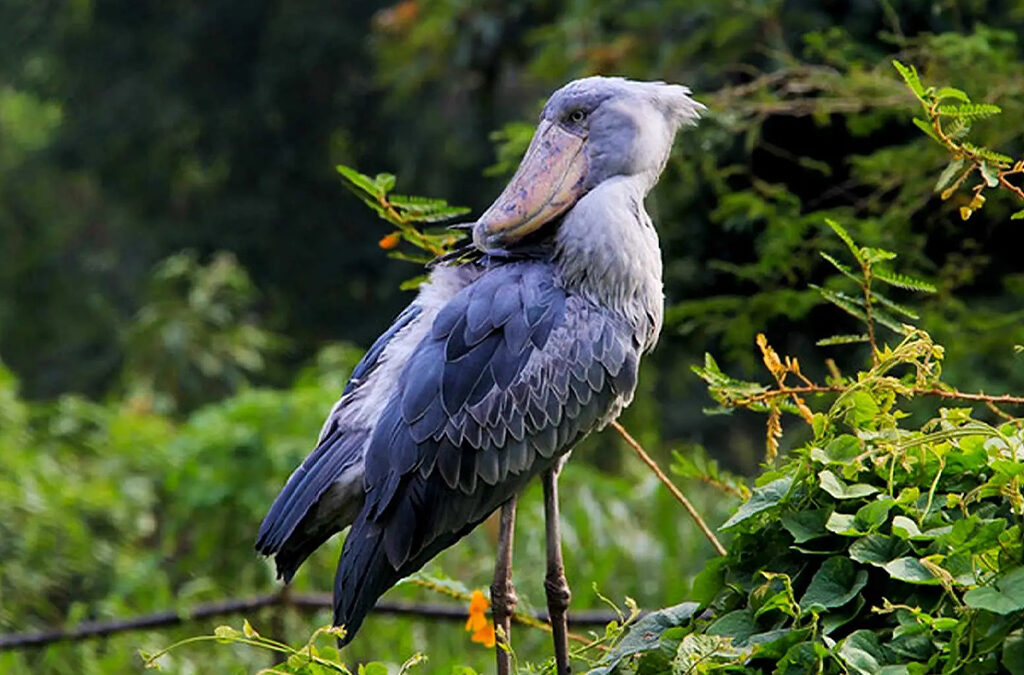
If spotting the legendary shoebill stork is on your birding bucket list, Mabamba Wetland in Uganda is one of the best places on Earth to make it happen. However, timing makes all the difference.
The best time to see the shoebill in Mabamba is during the dry seasons, when water levels drop and the birds move out from deep papyrus areas to hunt in more open channels. These dry months typically fall between June and September and December to early February.
During this period, the swamp waters remain calmer due to lighter winds. As a result, boat navigation becomes easier and photographers enjoy clearer reflections and steadier shots. Even better, shoebills spend more time standing still while hunting lungfish, which gives you longer and more rewarding sightings.
Best Time of Day for Shoebill Viewing
While the season matters, early morning is the magic window. At sunrise, fishing activity is still low, the swamp feels quiet, and shoebills are actively feeding. The soft morning light also creates perfect conditions for photography and filming.
By mid-morning, wind and human activity increase, which can make sightings a little more challenging.
Where Is Mabamba Wetland?
Mabamba Wetland lies along the northern shores of Lake Victoria, west of Entebbe. This vast papyrus swamp is internationally recognized as a Ramsar Wetland of Global Importance and has earned its reputation as Uganda’s top shoebill tracking location.
Beyond the famous shoebill, Mabamba offers a rich ecosystem of waterways, floating vegetation, and birdlife that makes every boat excursion exciting.
How to Get to Mabamba for Shoebill Tracking
Reaching Mabamba is surprisingly easy, especially when you travel with Experiya Tour Company, which arranges smooth transfers and experienced local bird guides.
From Entebbe, you can start at Nakiwogo Landing Site and cross Lake Victoria by boat to Kasanje. From there, a short drive leads you to the wetland, where motorized canoes take you into the papyrus channels. This route is scenic and fast, making it the most popular option.
If you are coming from Kampala, you can drive through the Nakawuka–Kasanje road. Depending on traffic, the journey usually takes between one and a half to two hours.
What Else Can You See in Mabamba Wetland?
Although the shoebill steals the spotlight, Mabamba is a true birding paradise. As you glide through the channels, you may encounter species such as the Blue Swallow, Papyrus Gonolek, Lesser Jacana, African Pygmy Goose, Swamp Flycatcher, and Palm-nut Vulture. Seasonal migrants like Pallid Harriers also appear at certain times of the year.
In addition to birdlife, lucky visitors sometimes spot the shy and semi-aquatic sitatunga antelope moving through the swamp vegetation.
Other Great Places to See Shoebills and Birds in Uganda
While Mabamba remains the most reliable site, Uganda offers several other rewarding birding destinations.
In Murchison Falls National Park, boat trips along the Victoria Nile often reveal shoebills near the delta and around quieter riverbanks. The park also delivers incredible sightings of African Skimmers, Fish Eagles, and Goliath Herons, all set against dramatic scenery.
Queen Elizabeth National Park provides another chance, especially in the wetlands around the Kazinga Channel and Ishasha sector. With over 600 recorded bird species, this park combines classic safari wildlife with outstanding birding.
Near Kampala, Makanaga Swamp in Mpigi District has also gained attention for shoebill sightings and wetland bird species.
Forest lovers can explore Kibale Forest, Bwindi Impenetrable Forest, and Mabira Forest, where hundreds of forest birds thrive. Meanwhile, Mgahinga National Park offers unique Albertine Rift species along its scenic volcanic trails.
Is Birding in Mabamba Wetland Safe?
Yes, Mabamba is safe and welcoming. Local communities actively support conservation and many former fishermen now work as trained bird guides. Their deep knowledge of the swamp not only improves your chances of finding the shoebill but also ensures a smooth and secure experience on the water.
How Long Does It Take to Find a Shoebill?
Sightings vary, but most visitors locate a shoebill within one to two hours of searching. Because guides communicate with each other on the water, they often share updates on recent sightings, which greatly improves success rates.
Starting early in the morning significantly shortens search time.
Is Birding in Mabamba Difficult?
Not at all. Mabamba birding takes place in motorized wooden boats that move slowly through narrow channels. The terrain is flat, and you do not need to hike long distances. This makes the experience comfortable even for beginners, older travelers, and photographers carrying equipment.
What to Pack for Shoebill Birding in Mabamba
Packing smart makes your trip more enjoyable. Bring good binoculars to pick out birds in the distance and a camera with a zoom lens for close shots. Wear lightweight clothing in neutral colors, along with a hat and sunglasses for sun protection.
Because the swamp environment attracts insects, insect repellent is essential. It is also wise to carry a light rain jacket and a waterproof bag for your gear, just in case of sudden showers. Don’t forget drinking water, small snacks, and a notebook if you enjoy recording bird sightings.
Plan Your Shoebill Experience
Mabamba Wetland remains Uganda’s most reliable destination for seeing the shoebill stork in the wild. With the right season, an early start, and an experienced guide from Experiya Tour Company, your chances of meeting this rare and unforgettable bird are extremely high.
A shoebill encounter is not just another tick on a bird list it is a once-in-a-lifetime wildlife moment you will never forget.