Nyungwe Zipline and Rope Course Adventure
January 29, 2026
When Is the Best Time to See the Shoebill Stork in Mabamba Wetland?
January 29, 2026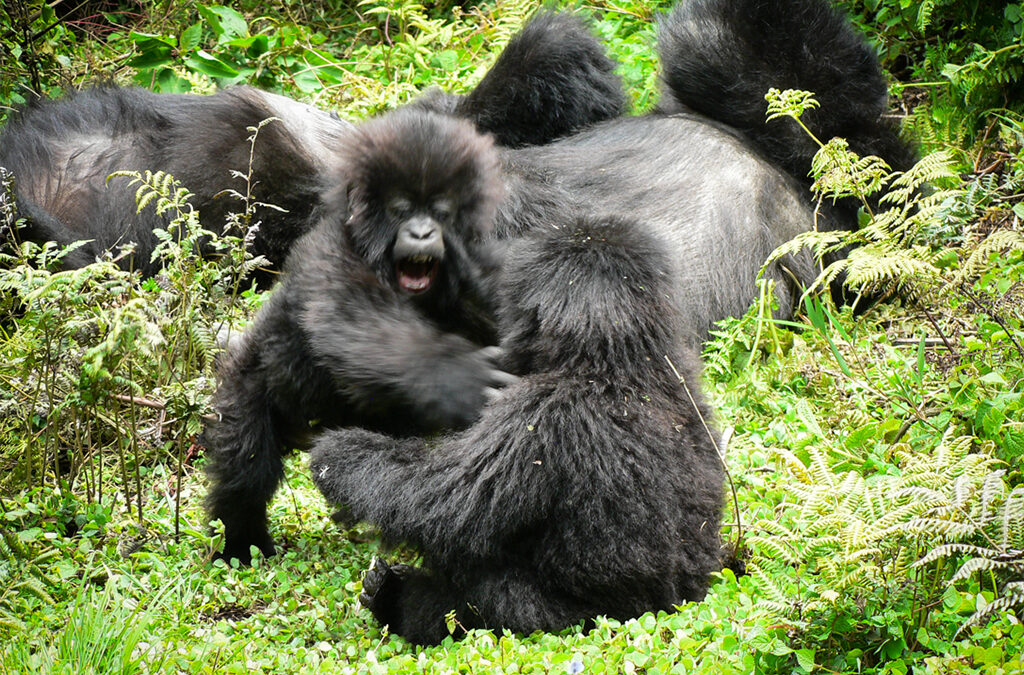
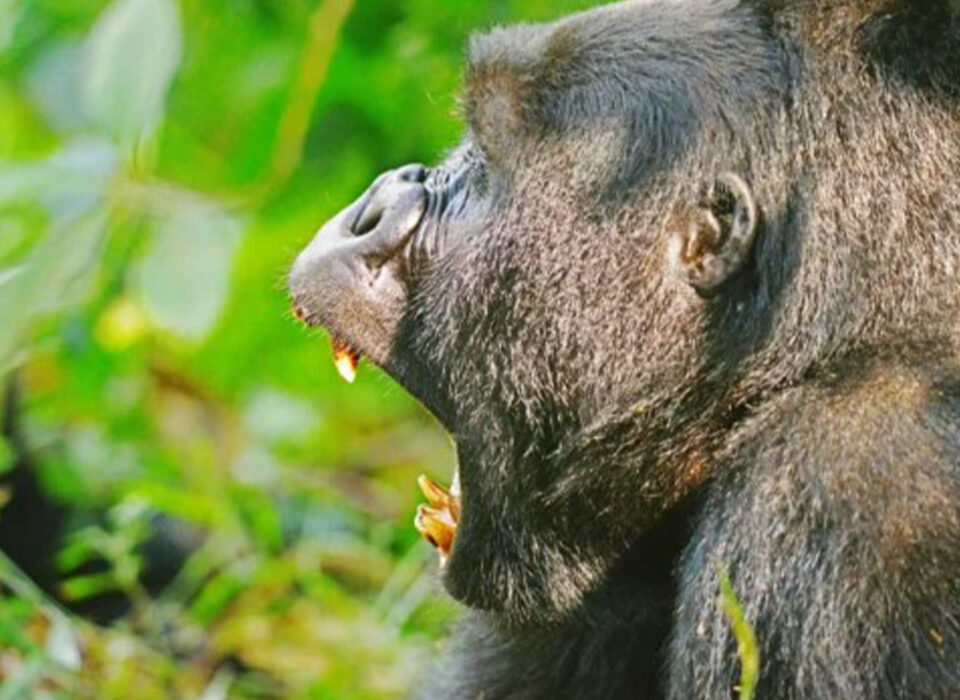
“Life-changing!” That’s the word most travelers use to describe their experience with mountain gorillas in Rwanda. At Experiya, our guides wholeheartedly agree spending time with these gentle giants is an extraordinary experience filled with wonder, discovery, and unforgettable moments.
Mountain gorillas are remarkable creatures with complex personalities, intricate social structures, and fascinating behaviors. Researchers, following the legacy of Dian Fossey, have documented gorilla life for over 50 years, creating an invaluable database of insights. Visiting these primates is not just a wildlife encounter it’s a chance to witness nature’s intelligence and emotional depth up close.
Preparing for the Gorilla Trek
The journey to see gorillas begins even before you spot them. Trekking through Rwanda’s lush Virunga Mountains, home to one of the few remaining tropical mountain forests, is an adventure in itself. The forest, set on the steep slopes of five volcanic peaks—Karisimbi, Bisoke, Sabyinyo, Gahinga, and Muhabura—is a breathtaking backdrop for your encounter.
Depending on the group of gorillas you will visit, your trek may last anywhere from one hour to several. Expert gorilla trackers from Experiya lead the way, following signs of gorilla movement from the last known location. They look for footprints, bent vegetation, or even partially eaten plants, analyzing every clue to determine the gorillas’ direction.
Patience is key. Gorillas roam freely, and their movements are unpredictable. But sooner or later, your trackers will find the group, and the moment you first see them is nothing short of magical.
The First Gorilla Sighting
Stepping into the dense, green forest, you may first notice dark shapes among the vegetation. A few steps closer, and it becomes clear: these are wild gorillas, calmly going about their day. The adult males, called silverbacks, can weigh up to 400 pounds and carry a majestic, gray-backed presence. Adult females are smaller and more subtle in appearance, blending effortlessly with the forest.
It’s natural to want to lock eyes with these incredible creatures, but remember to look briefly, then shift your gaze downward. This signals to the gorilla that you are not a threat, keeping the interaction calm and safe.
Observing Gorilla Behavior
Gorillas are habituated to human presence—they accept visitors as a neutral part of their environment without changing their behavior. However, to maintain this peaceful coexistence, Experiya guides enforce important rules. Visitors must keep a safe distance of at least seven meters (around 23 feet). If a gorilla approaches, remain still and let it move freely. Your guide will help you navigate these interactions and ensure everyone stays safe.
Feeding and Eating
Watching gorillas eat is fascinating. Their diet consists almost entirely of plants leaves, stems, shoots, roots, flowers, and fruits—and they may consume 40 to 80 pounds of vegetation daily. Occasionally, they might even eat ants. Gorillas often spread out while feeding but may come closer together, accompanied by subtle vocalizations such as “pig grunts,” which establish dominance over a feeding spot.
Resting and Socializing
After feeding, gorillas rest. This is a perfect opportunity to observe social interactions. Researchers can see which gorillas stay close to one another, which are in physical contact, and who maintains proximity to the silverback. These moments reveal the complex relationships and hierarchy within the group.
Young gorillas, full of energy, often play—chasing, tickling, or wrestling with one another. Play is an essential part of development, much like in humans, and can even include playful vocalizations reminiscent of laughter. Adults sometimes join in, creating a lively, joyful atmosphere.
Communication and Hierarchy
Gorillas communicate through vocalizations, body language, and specific behaviors. Dominant males may displace others from resting or feeding spots, signaling their higher status. Grooming is another critical behavior—adults often care for infants, removing leaves, dust, and dirt. Visitors frequently describe witnessing a mother grooming her baby as one of the most touching moments of their trek.
During rest, gorillas may produce “belch” vocalizations, guttural sounds signaling contentment. Silverbacks often lead this chorus, and guides sometimes imitate the sounds to help maintain a calm environment. When it’s time to move, the dominant male signals the group, and the gorillas follow quickly and efficiently, disappearing almost magically into the forest.
Display and Playful Aggression
Not all behaviors are calm. Males may display dominance or respond to other groups with chest-beating, hooting, or plant-smashing. These displays, often performed without physical confrontation, assert hierarchy and impress both rivals and females. Even within the group, silverbacks may use postures or vocalizations to communicate authority.
Creating Memories That Last
Spending time with mountain gorillas is truly one of the most memorable wildlife experiences on Earth. Every moment—watching, listening, and learning—leaves a lasting impression. With only around 880 mountain gorillas remaining, it is crucial to respect the animals and their habitat: maintain distance, avoid spitting, refrain from eating in the forest, and cover coughs or sneezes.
Visiting Rwanda’s mountain gorillas with Experiya is not just a safari; it’s a profound encounter with one of Earth’s most extraordinary species. This journey will leave you with memories, insights, and emotions you will carry forever.