Safari Activities to Do in Amboseli National Park
January 29, 2026
How Tourists Can Fund Local Conservation Projects in Kenya
January 29, 2026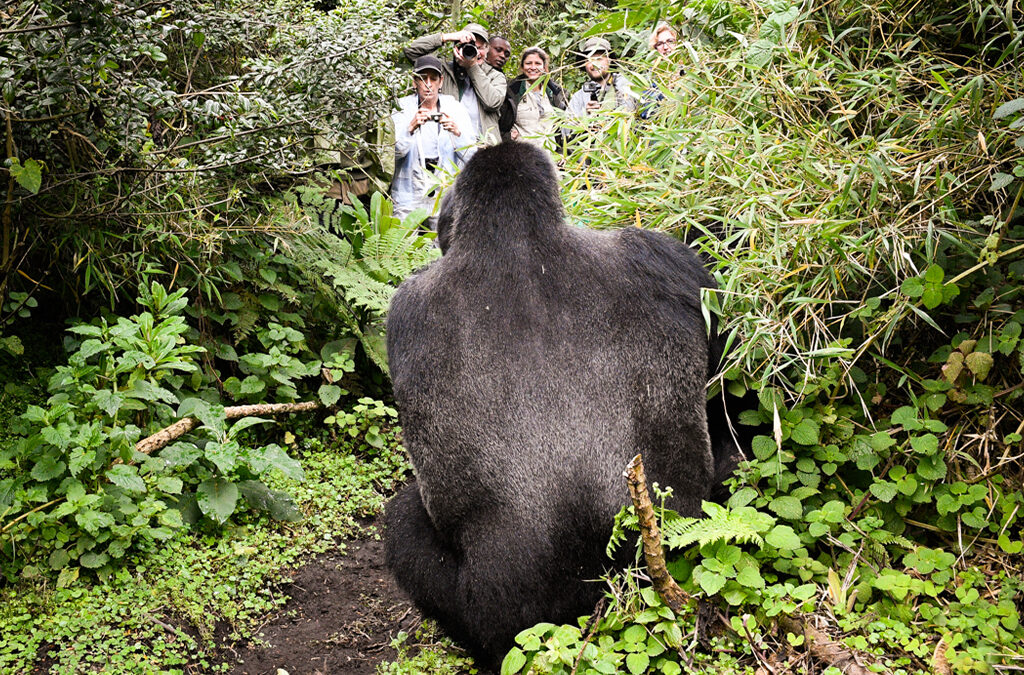
Rwanda offers one of the most intimate wildlife experiences on Earth. A close encounter with mountain gorillas in Volcanoes National Park is not a distant sighting from a safari vehicle or a fleeting glimpse through thick trees. Instead, it’s a slow, careful walk into a misty forest where time seems to pause and human presence becomes quietly secondary.
This guide takes you straight into that unforgettable experience. You’ll discover what a close encounter with mountain gorillas in Rwanda truly feels like, how a typical journey unfolds, the best time to visit, and how to prepare for a meaningful and respectful trek.
Understanding the Mountain Gorilla Experience in Rwanda
Mountain gorillas live in close-knit family groups led by a dominant silverback. Rwanda protects a significant portion of the remaining global population through strict conservation policies and carefully controlled tourism.
Each day, the park allows only a small number of visitors to trek, and each group spends just one hour with the gorillas. This limited interaction minimizes disturbance while still offering travelers a deeply personal wildlife experience.
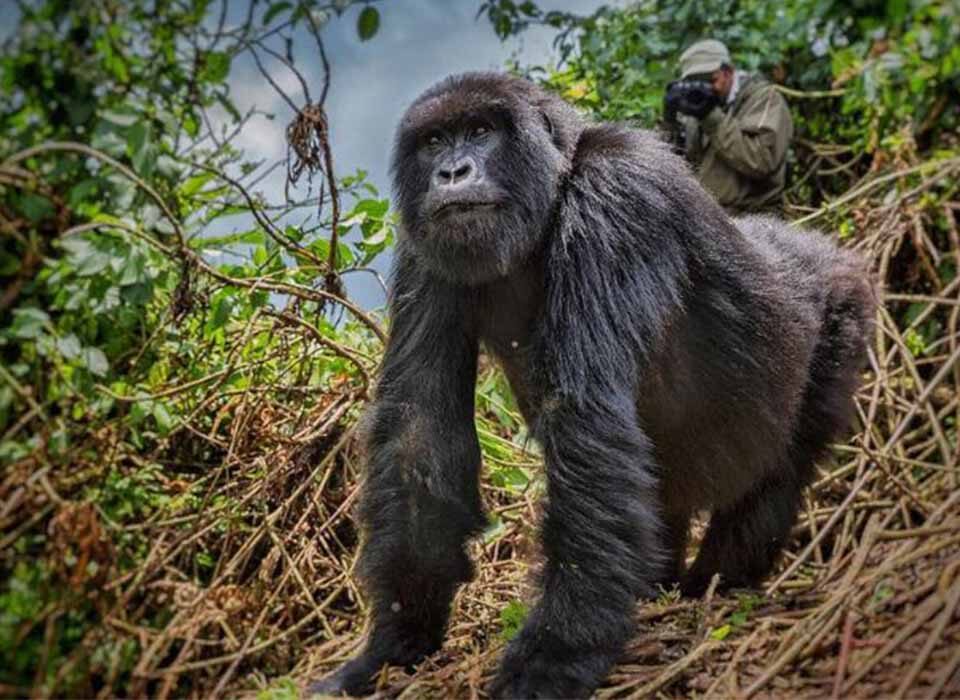
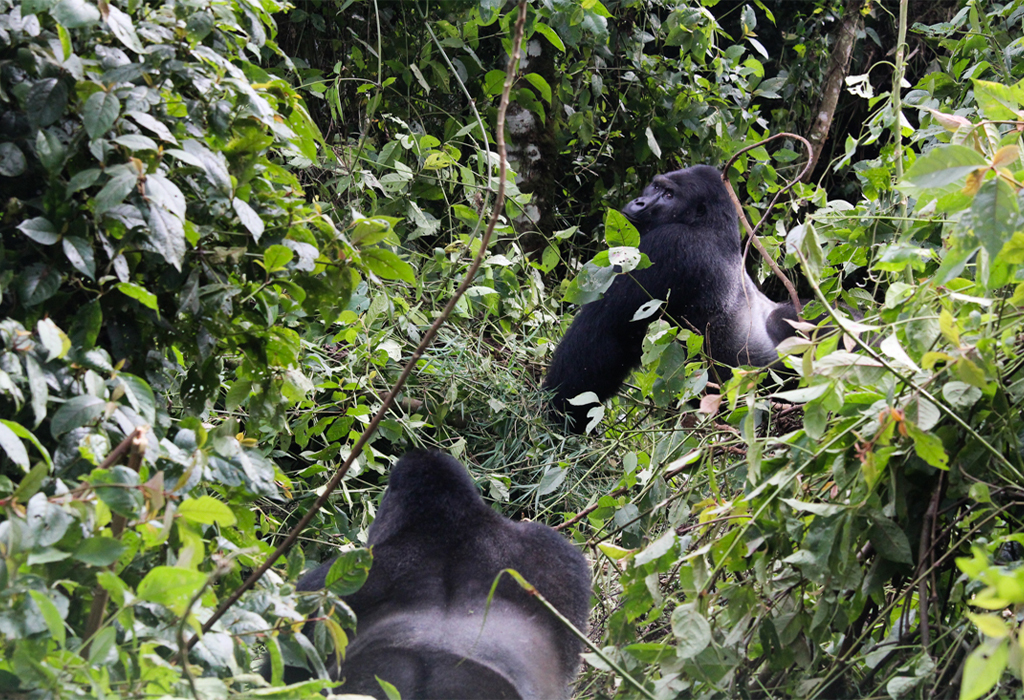
The trek itself is not about speed or distance it’s about patience, observation, and respect. Rangers and trackers head out early in the morning to locate the gorilla families. Once they find them, guides lead visitors through forest trails and, at times, dense vegetation. Then comes the reward: the forest opens slightly, and you see them resting, feeding, grooming, or playing only a few meters away.
Why Rwanda Is Special for Gorilla Encounters
Rwanda stands out for both its conservation success and accessibility. The gorilla habitat is well protected, and the trekking system is highly organized, making the entire experience smooth and safe.
Additionally, the forest landscape is lush, dramatic, and alive with bird calls and shifting light. Gorilla encounters here often take place at relatively lower altitudes compared to some neighboring regions, which can make the trek more manageable for many travelers.
Just as important is Rwanda’s strong culture of stewardship. Local communities actively participate in conservation and tourism. Revenue from gorilla trekking supports livelihoods, education, and healthcare, creating shared responsibility for protecting the gorillas and their habitat.
Detailed Gorilla Trekking Itinerary in Rwanda
Here’s a sample itinerary that reflects a typical gorilla trekking journey. You can adjust it based on your pace and interests, but it captures the essence of the experience.
Day 1: Arrival and Transfer to the Gorilla Region
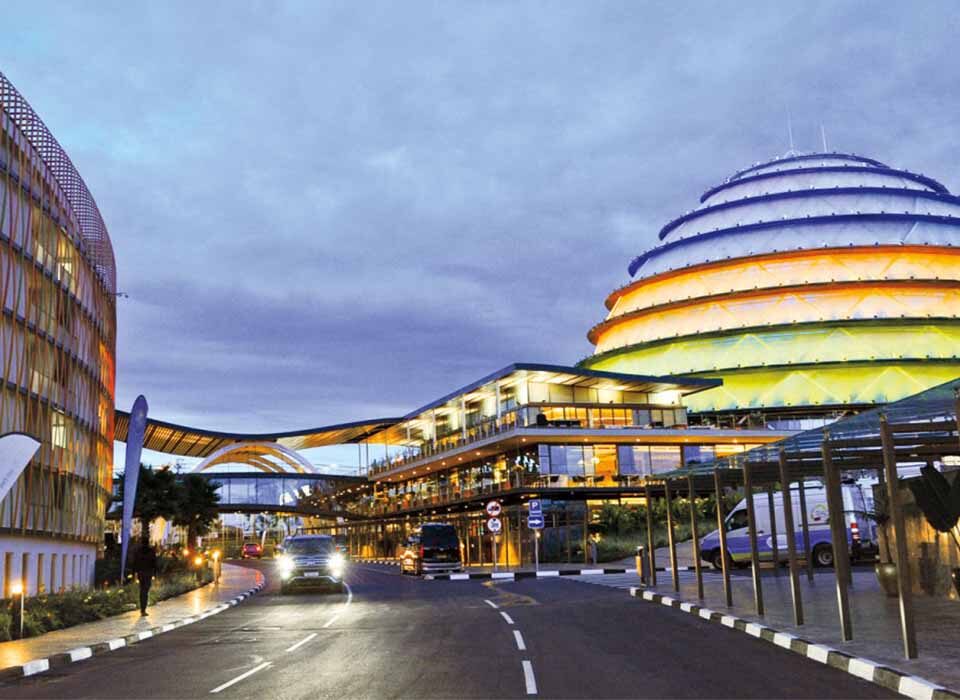
You’ll typically arrive in Rwanda’s capital, where your guide welcomes you after immigration. From there, you begin a scenic drive north toward Volcanoes National Park. Along the way, you pass rolling hills, farmland, and small villages, offering a beautiful introduction to Rwanda’s landscapes and daily life.
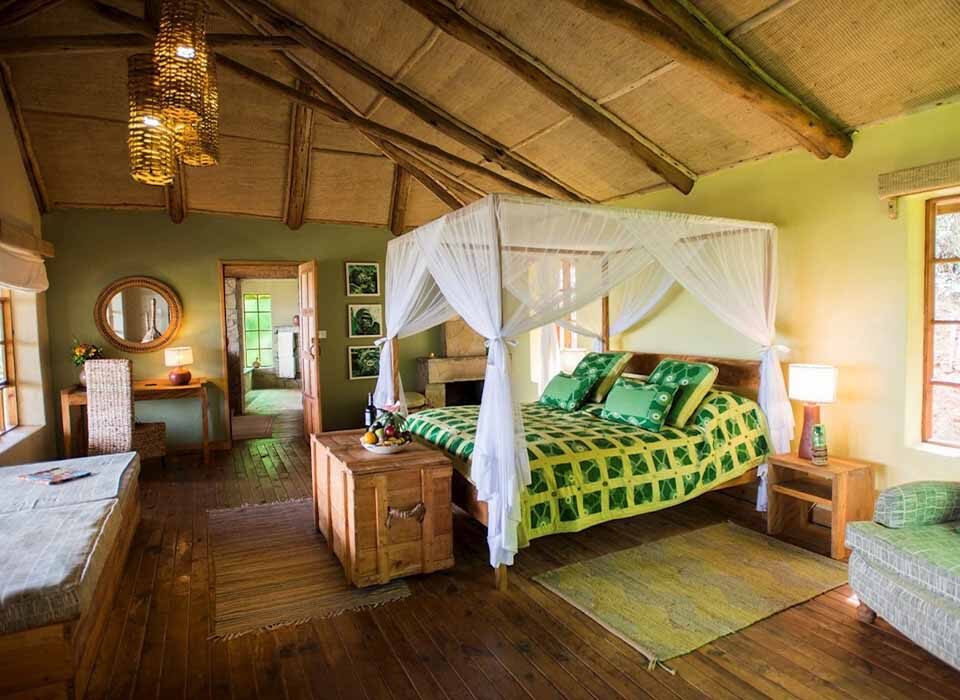
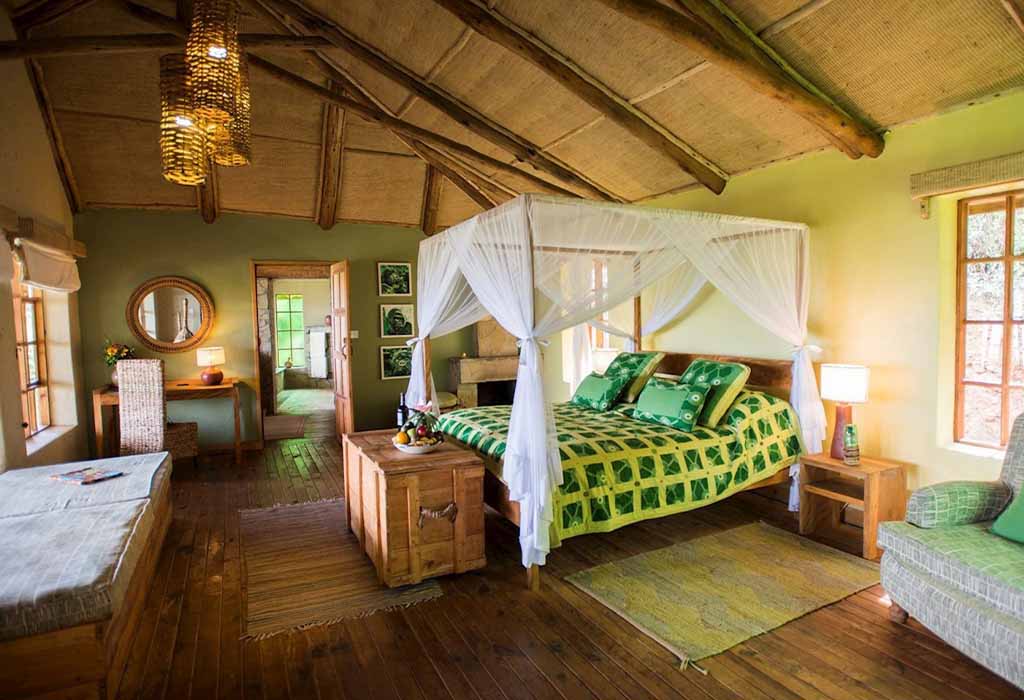
You may also stop at a cultural site or community project to learn about traditional practices and conservation efforts. By afternoon, you arrive at your lodge, relax, attend a trekking briefing, and prepare your gear. An early dinner is recommended since the next day begins early.
Day 2: Gorilla Trekking Day
This is the highlight of your journey.
After an early breakfast, you drive to the park headquarters for a ranger-led briefing. Here, officials assign you a gorilla family based on your fitness level and trekking conditions.
The trek can last anywhere from one to several hours, depending on the gorillas’ location. You’ll hike through bamboo forest, dense vegetation, and occasional clearings. Porters are available to carry bags and assist on steeper sections.
Then, suddenly, everything changes you’ve found them.
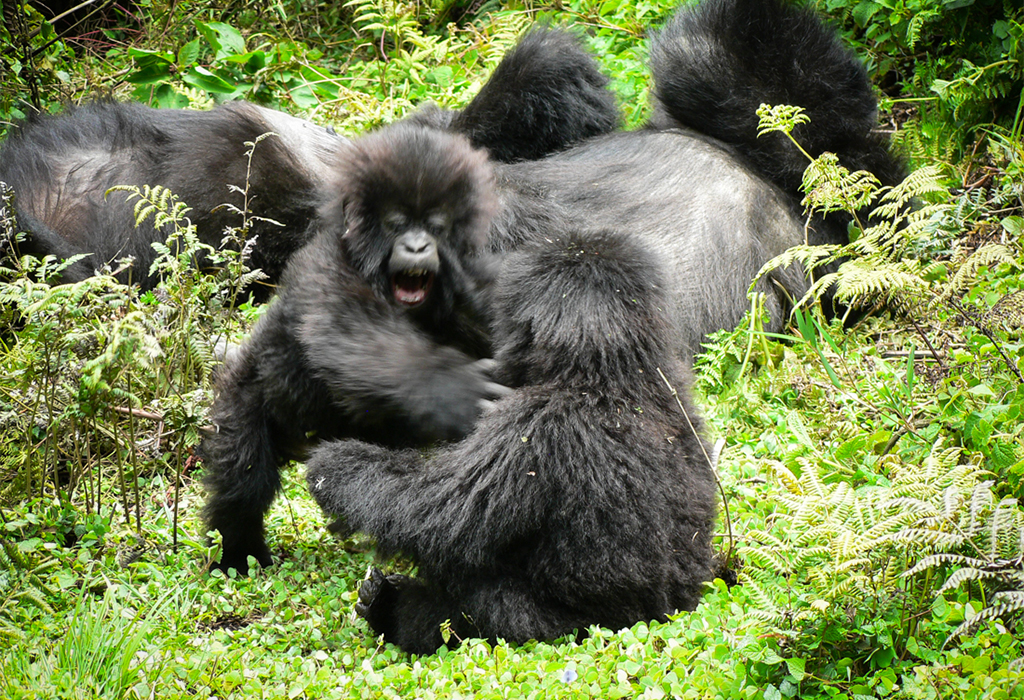
Voices lower. Movements slow. Cameras are readied quietly. For one precious hour, you observe the gorillas as they go about their lives. Young gorillas tumble playfully through the undergrowth, mothers cradle infants, and adults feed calmly. The silverback often sits nearby, watchful yet peaceful, overseeing his family.
After your hour ends, you hike back to the trailhead. Later, you enjoy lunch at the lodge or as a packed meal. The afternoon is free for rest, reflection, or a gentle walk around the lodge grounds.
Day 3: Cultural and Nature Exploration
Today, you explore beyond the gorillas. You might take a guided nature walk to learn about forest plants and birdlife or visit nearby lakes and scenic viewpoints.
Cultural experiences can include meeting local artisans or visiting a village to experience traditional music, crafts, and daily life. This day adds depth to your journey by connecting the gorilla experience with the people and landscapes that surround the forest.
Day 4: Return and Departure
After breakfast, you drive back to the capital. Depending on your flight schedule, you may enjoy a short city tour or visit a memorial site that offers insight into Rwanda’s history and resilience. Your guide then transfers you to the airport, marking the end of your unforgettable adventure.
Best Time to Visit for Gorilla Trekking in Rwanda
You can trek mountain gorillas year-round, but some seasons offer more comfortable conditions.
The drier months June to September and December to February are generally the best times to visit. During these periods, trails are less muddy, hiking is easier, and photography conditions are often better. However, these months are also popular, so booking in advance is essential.
The wetter seasons March to May and October to November bring heavier rainfall. Trails can be slippery, and hikes may take longer. On the other hand, the forest looks incredibly lush, and fewer visitors can mean a more private experience.
Physical Preparation and Trek Difficulty
Gorilla trekking requires a moderate level of fitness. The terrain is often uneven and sometimes steep, so preparation helps.
In the weeks before your trip, focus on building stamina, balance, and flexibility. Regular walking, hiking, or stair climbing can make a big difference. During the trek, listen to your guides and take breaks when needed. The pace usually matches the group’s ability, with safety and comfort as top priorities.
What to Wear and Bring for Gorilla Trekking
Wearing the right gear makes your trek far more comfortable.
Choose long sleeves and long trousers to protect against insects and vegetation. Sturdy hiking shoes with good grip are essential, and a light rain jacket is useful even in drier months.
Other helpful items include:
- Gardening gloves for gripping vegetation
- A small backpack
- Drinking water
- Sunscreen
- Insect repellent
Prepare your camera settings in advance so you can avoid sudden movements near the gorillas.
Conservation and Responsible Tourism
Gorilla trekking in Rwanda operates under a strong conservation ethic. As a visitor, you play an important role by following guidelines such as keeping a safe distance, avoiding direct eye contact, and remaining quiet.
These rules protect both gorillas and humans. Moreover, tourism revenue directly funds conservation programs and community development. By trekking responsibly, you help protect one of the world’s most endangered species while supporting the people who live alongside them.
The Emotional Impact of a Gorilla Encounter
Many travelers describe this experience as deeply moving. Seeing the intelligence, curiosity, and gentleness of gorillas up close creates a powerful emotional connection. Their expressions, gestures, and family bonds feel surprisingly familiar.
As a result, visitors often leave the forest feeling humbled, inspired, and more aware of the importance of protecting wild places.
Extending Your Journey in Rwanda
You can easily combine gorilla trekking with other Rwandan experiences. Consider adding wildlife viewing in savannah parks, relaxing by scenic lakes, or exploring rural communities and cultural heritage sites. These additions create a richer understanding of Rwanda beyond the forest.
Final Reflections on a Close Encounter with Mountain Gorillas in Rwanda
A close encounter with mountain gorillas in Rwanda is more than a wildlife activity it’s a journey into a living ecosystem where conservation, culture, and human responsibility come together. Although the experience is carefully managed, it remains emotionally powerful and deeply personal.
For travelers seeking depth, authenticity, and meaning, Rwanda’s mountain gorillas offer a life-changing experience that stays with you long after the forest paths fade from memory.
Contact Experiya Tour Company to plan your unforgettable gorilla trekking adventure in Rwanda.