

What to Pack for Chimpanzee Trekking in Kalinzu Forest
January 28, 2026
Safari Activities to Do in Amboseli National Park
January 29, 2026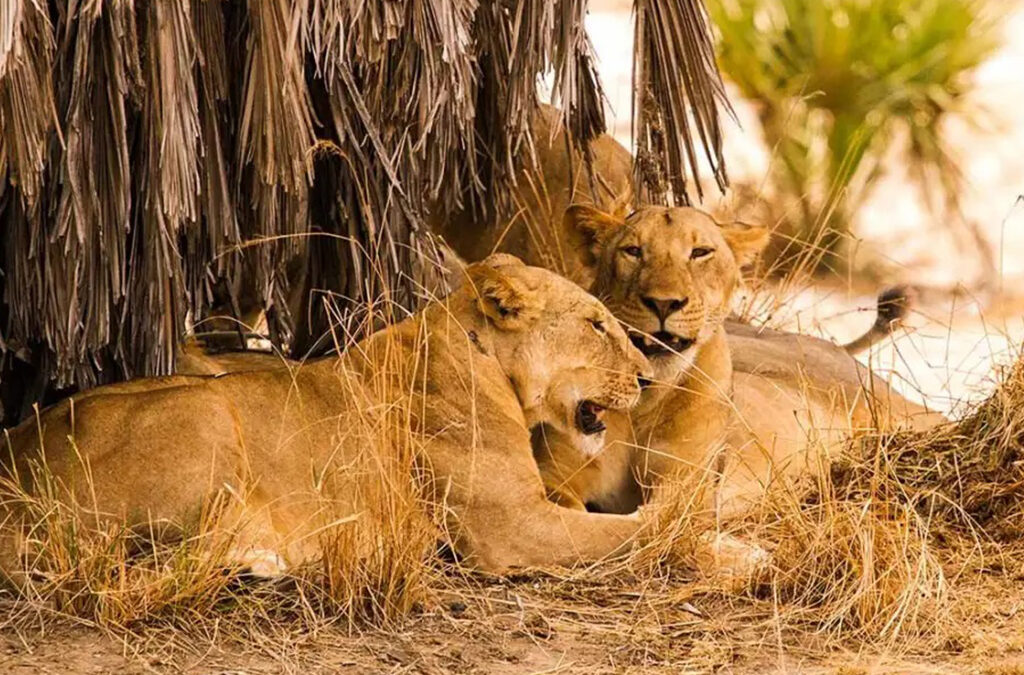
Selous Game Reserve, now largely known as Nyerere National Park, is one of Tanzania’s most spectacular and untouched safari destinations. Located in southern Tanzania along the famous southern safari circuit, the reserve lies about 219 kilometers from Dar es Salaam, roughly a 4-hour drive.
Covering an astonishing 54,600 square kilometers, Selous is one of the largest protected wildlife areas in Africa. Because of its size, remoteness, and rich ecosystems, it offers a raw and exclusive safari experience away from crowded northern parks.
Below are the top tourist attractions that make Selous a truly special destination.
Incredible Wildlife
To begin with, Selous is a paradise for wildlife lovers. The reserve supports one of the largest concentrations of animals in East Africa, making it a prime location for game viewing.
It is particularly famous for its huge elephant population, along with large numbers of:
- Lions
- Buffaloes
- Hippos
- Zebras
- Impalas
- Waterbucks
- Elands
- Greater kudus
- Lichtenstein’s hartebeests
- Sable antelopes
In addition, Selous is one of the best places in Tanzania to see the endangered African wild dog, a rare sight in many other parks. Predators such as leopards, spotted hyenas, and crocodiles also thrive here, while black rhinos exist in strictly protected areas.
Moreover, the reserve’s lakes and the Rufiji River attract animals year-round, especially during the dry season when wildlife gathers at water sources.
Scenic Lakes and Waterways
Another major highlight of Selous is its network of beautiful lakes, including:
- Lake Tagalala
- Lake Mzizimia
- Lake Siwandu
- Lake Manze
- Lake Nzelekela
These lakes are home to large populations of hippos and crocodiles. As a result, they are excellent locations for wildlife photography and boat safaris. Animals frequently visit the shores to drink, creating dramatic and memorable viewing opportunities.
The Mighty Rufiji River
At the heart of Selous flows the Rufiji River, the largest river in Tanzania. Stretching about 600 kilometers, it divides the reserve into northern and southern sections and forms a vast system of channels, swamps, and oxbow lakes.
The river originates from the Kilombero and Luwegu Rivers and eventually empties into the Indian Ocean near Mafia Island. Along its banks, visitors often see:
- Elephants crossing or drinking
- Pods of hippos
- Crocodiles basking in the sun
- Buffaloes and antelopes gathering at the water
Boat safaris on the Rufiji are especially popular because they offer a unique, water-level perspective of wildlife.
Furthermore, the Rufiji Delta contains one of the largest mangrove forests in the world, an ecologically important area with fascinating colonial history linked to World War I.
Rich Birdlife
For bird lovers, Selous is a dream destination. The reserve hosts over 440 bird species, making it one of Tanzania’s top birdwatching areas.
Habitats such as swamps, lakes, and river channels attract both resident and migratory birds, particularly between November and April.
Notable species include:
- African fish eagle
- Pel’s fishing owl (rare)
- African skimmer
- Spur-winged lapwing
- Yellow-billed stork
- Palm-nut vulture
- Carmine bee-eater
- Giant kingfisher
- Rock pratincole
- Broad-billed roller
Because of this diversity, birding in Selous is rewarding throughout the year.
Diverse Vegetation and Landscapes
Selous is not just about animals its landscapes are equally impressive. The reserve features a mix of ecosystems, such as:
- Open savannah grasslands
- Thick thorny shrublands
- Groundwater forests
- Rocky outcrops
- Deciduous Miombo woodlands
These varied habitats support different wildlife species and create constantly changing scenery during game drives.
Beho Beho Hot Springs
Hidden within the reserve are the Beho Beho Hot Springs, one of Selous’ lesser-known natural wonders. Surrounded by lush greenery near Lake Tagalala, these warm springs form natural pools created by underground geothermal activity.
Interestingly, the water is usually warm rather than extremely hot, though temperatures rise during the dry season from July to December. Visitors can relax in these natural pools, making it a refreshing and unique safari experience.
Lake Tagalala
Lake Tagalala is a scenic oxbow lake located north of the Rufiji River floodplain. Framed by tree-lined shores, the lake becomes a magnet for wildlife during the dry season.
Elephants, lions, zebras, and numerous bird species frequently gather here. Boat rides on the lake provide peaceful yet exciting opportunities to observe animals up close.
Stiegler’s Gorge
One of the most dramatic landmarks in Selous is Stiegler’s Gorge, a deep canyon along the Rufiji River with steep cliffs plunging about 100 meters.
The gorge was named after a German engineer who died here in the early 1900s while surveying the area. Today, it is known not only for its natural beauty but also for the major hydroelectric power project underway in the region, which has drawn international attention.
The Selous Grave
Lastly, the reserve holds an important historical site known as the Selous Grave. This is the resting place of Frederick Courteney Selous, a British explorer and conservationist after whom the reserve was named.
He was killed in action during World War I in 1917 while fighting in southern Tanzania. His grave, marked by a simple bronze plaque, lies under a tamarind tree near the Rufiji River — a quiet and reflective place that adds historical depth to the safari experience.
Final Thoughts
In summary, Selous Game Reserve (Nyerere National Park) offers an extraordinary blend of wildlife, rivers, lakes, dramatic landscapes, birdlife, hot springs, and history. Because it is less crowded than northern Tanzania’s parks, it provides a more remote and intimate safari adventure.
For travelers seeking a true wilderness experience, Selous remains one of Africa’s greatest hidden treasures.
