
Interesting Facts About Waterbucks
January 27, 2026
Explore Budongo Forest in Murchison Falls National Park
January 27, 2026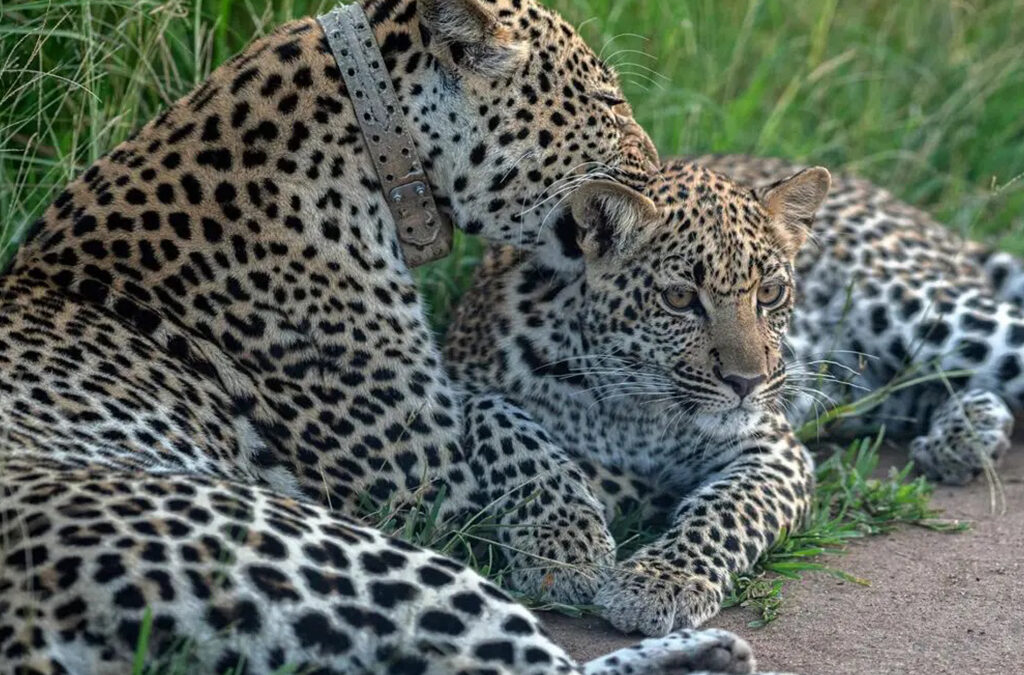
Spotting lions and leopards in Uganda’s national parks is one of the most exciting moments on safari. However, it can also be one of the most challenging. These big cats are masters of camouflage, move silently, and often rest in hidden areas during the day. Unlike elephants or buffaloes, predators do not always reveal themselves easily.
Still, with the right approach, good timing, and a bit of patience, your chances of seeing them increase dramatically. Whether you are exploring Murchison Falls National Park, Queen Elizabeth National Park, or Lake Mburo National Park, these practical tips will help you make the most of every game drive.
Understand Predator Behavior First
Before heading out, it helps to understand how lions and leopards behave.
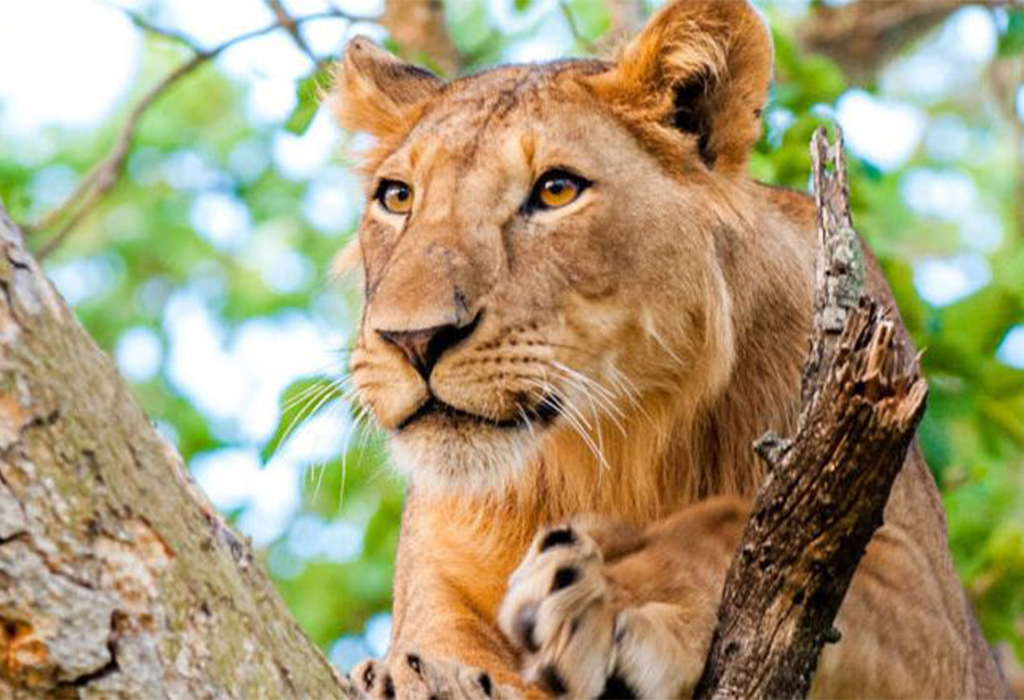
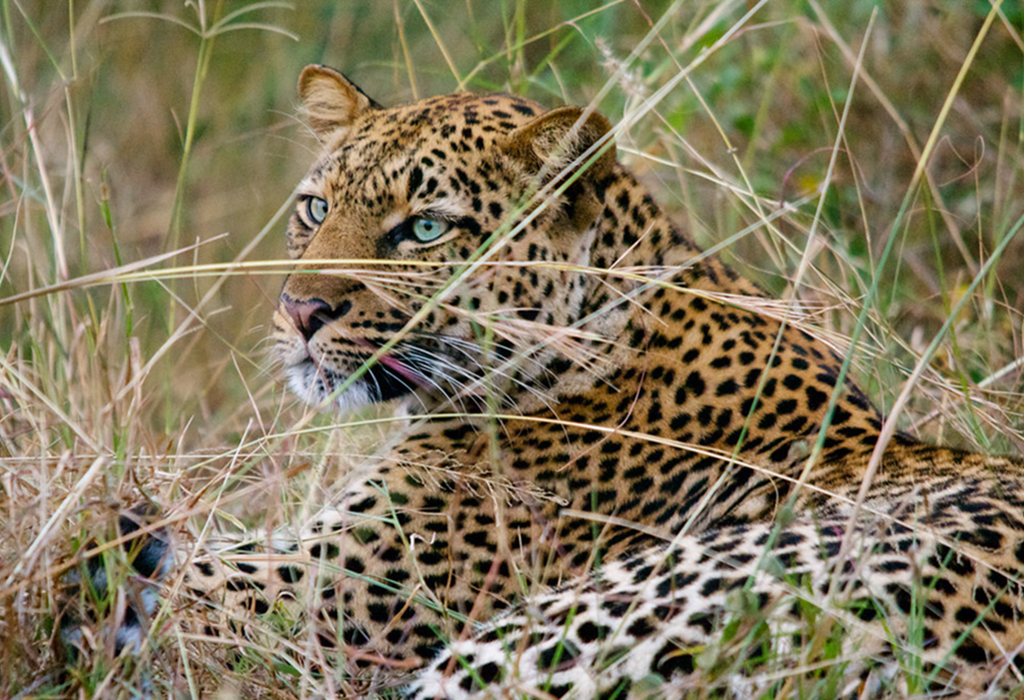
Lions are social animals that live in prides. They often rest for long hours, especially after a meal, and become more active during cooler times of the day. Leopards, on the other hand, are solitary, shy, and extremely secretive. They prefer dense vegetation and often drag their prey into trees to avoid scavengers.
When you understand these habits, you begin to know where and when to look.
Go for Early Morning and Late Afternoon Game Drives
Timing can make all the difference when searching for predators.
Lions and leopards are most active during the cooler hours of the day. Early mornings, just after sunrise, and late afternoons before sunset are the best times for sightings. During these hours, predators may still be on the move from nighttime hunting or preparing to hunt again.
In contrast, the midday heat usually pushes them into hiding. They rest under bushes, in tall grass, or in shaded areas where they are almost invisible.
So, wake up early it is worth it.
Choose Experienced Guides
A skilled guide can turn an ordinary game drive into an unforgettable wildlife encounter.
Experienced guides understand animal behavior, recognize fresh tracks, and communicate with other drivers about recent sightings. They know favorite resting spots, water points, and hunting grounds where lions and leopards are often found.
Instead of driving randomly, they follow clues footprints, alarm calls, and even subtle movements in the bush. Their knowledge significantly improves your chances of seeing predators.
Scan the Landscape Carefully
Predator spotting requires sharp eyes and patience.
Lions may blend into dry grass, while leopards often lie along tree branches that look just like part of the trunk. Instead of looking quickly and moving on, train your eyes to scan slowly and methodically.
Look under trees, along termite mounds, in tall grass, and on rocky outcrops. Leopards especially love sausage trees and fig trees, where they rest on sturdy branches.
The more you practice scanning, the better you become at noticing unusual shapes or movements.
Look Up — Not Just Ahead
Many visitors only search the ground, but some of the best leopard sightings happen in trees.
Leopards frequently drag their kills into trees to keep them safe from lions and hyenas. If you see vultures circling or sitting in treetops, that could be a strong clue that a predator made a kill nearby.
Also, check large horizontal branches for hanging tails, paws, or the outline of a resting cat. Sometimes all you see at first is a spotted tail swinging in the breeze.
Watch Other Animals for Clues
The bush is full of warning systems. Other animals often alert you to the presence of predators before you see them.
Antelopes, monkeys, and birds make alarm calls when they detect danger. If your guide suddenly stops to listen, stay quiet those sounds might lead you to a lion or leopard.
Baboons, for example, bark loudly and climb trees when they sense a leopard. Impalas snort and stare in one direction when they spot a lion. These reactions help guides track predators even when they are hidden.
Follow the Vultures
Vultures are nature’s clean-up crew, and they are excellent indicators of predator activity.
If you notice vultures circling in the sky or gathering on the ground, a kill may be nearby. Lions often remain close to their prey for many hours, especially if the carcass is large.
By following the birds, guides sometimes locate lions feeding or resting close by. Even if the lions are hidden, the presence of scavengers tells a story.
Pay Attention to Hyenas
Hyenas are not just scavengers they are also smart trackers.
Spotted hyenas often trail lions and leopards, hoping to steal a meal. If you see hyenas moving with purpose, sniffing the ground, or looking alert, they might be following the scent of a predator or a fresh kill.
Watching their behavior can sometimes lead you directly to the action.
Stay Quiet and Patient
Noise can ruin a potential sighting.
Predators are easily disturbed, and loud talking or sudden movements may cause them to retreat deeper into hiding. During game drives, speak softly and avoid standing up quickly in the vehicle.
Patience is equally important. Sometimes you may wait 20 or 30 minutes in one spot before a leopard emerges from thick cover. The wait can feel long but when the cat finally appears, the reward is unforgettable.
Use Binoculars and a Zoom Lens
Predators often appear at a distance before you get closer.
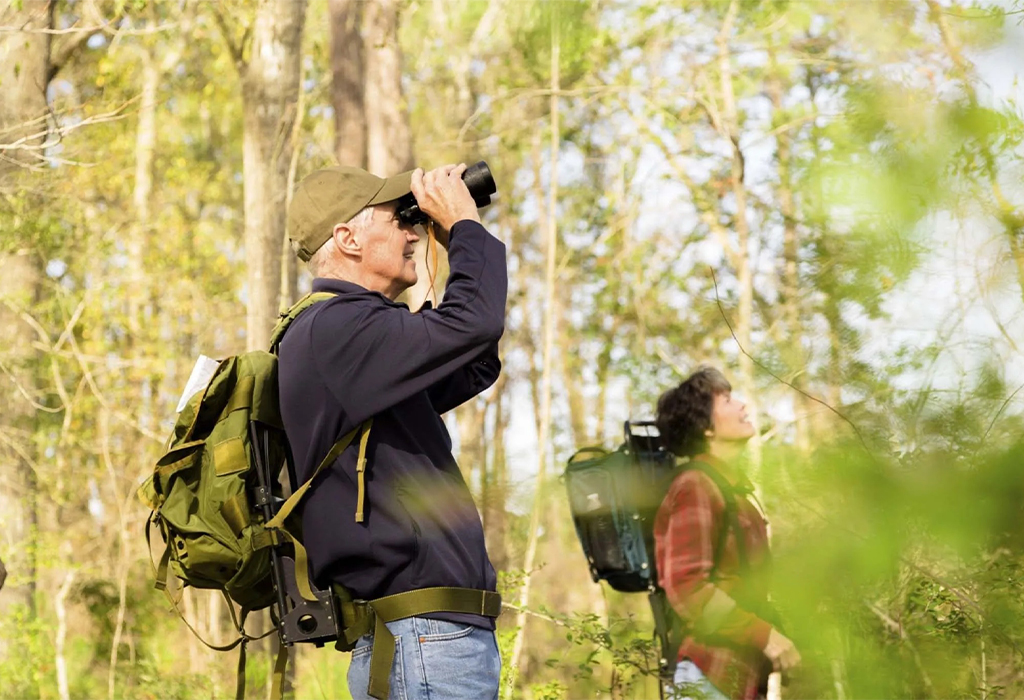
Binoculars help you scan open plains, rocky hills, and distant trees without straining your eyes. A good camera with a zoom lens also allows you to observe details whiskers, spots, and expressions even when the animal is far away.
These tools turn small shapes in the grass into clear, exciting sightings.
Try Night Game Drives Where Allowed
Leopards are mostly nocturnal, so night drives can offer rare opportunities.
In parks where night drives are permitted, guides use spotlights to detect the reflective eyes of animals in the dark. Leopards often become more active at night, walking along roads or hunting in open areas.
Although lions may also be seen, night drives are especially rewarding for leopard lovers.
Focus on Water Sources and Open Tracks
Predators often patrol areas where prey gathers.
Waterholes, riverbanks, and open savannahs attract antelopes, buffaloes, and other herbivores. Lions frequently wait nearby, using tall grass or bushes as cover before launching an ambush.
Leopards also use road tracks and clear paths to move quietly through their territory, especially at dawn and dusk.
Be Flexible and Enjoy the Whole Experience
Even with perfect planning, wildlife sightings are never guaranteed. Some days the predators remain hidden, while other days you might see multiple cats in a single drive.
The key is to enjoy every part of the safari the landscapes, birds, elephants, giraffes, and the thrill of being in the wild. Often, when you relax and stop trying too hard, nature surprises you.
Respect Wildlife at All Times
Finally, always respect the animals and their environment.
Keep a safe distance, follow your guide’s instructions, and never pressure drivers to get too close. Ethical wildlife viewing ensures that animals remain calm and that future visitors can enjoy the same natural behaviors.
A peaceful sighting is always better than a stressful one for both you and the wildlife.
Final Thought
Spotting lions and leopards in Uganda is not just about luck. It is about timing, observation, knowledge, and patience. When you combine these elements with the guidance of experienced trackers, every game drive becomes a treasure hunt.
And when you finally lock eyes with a leopard in a tree or watch a lion pride resting in golden grass, you will realize the wait was part of the magic all along.