Why You Should Combine Gorilla Trekking in Rushaga and Nkuringo Sectors of Bwindi
January 26, 2026
Interesting Facts About Waterbucks
January 27, 2026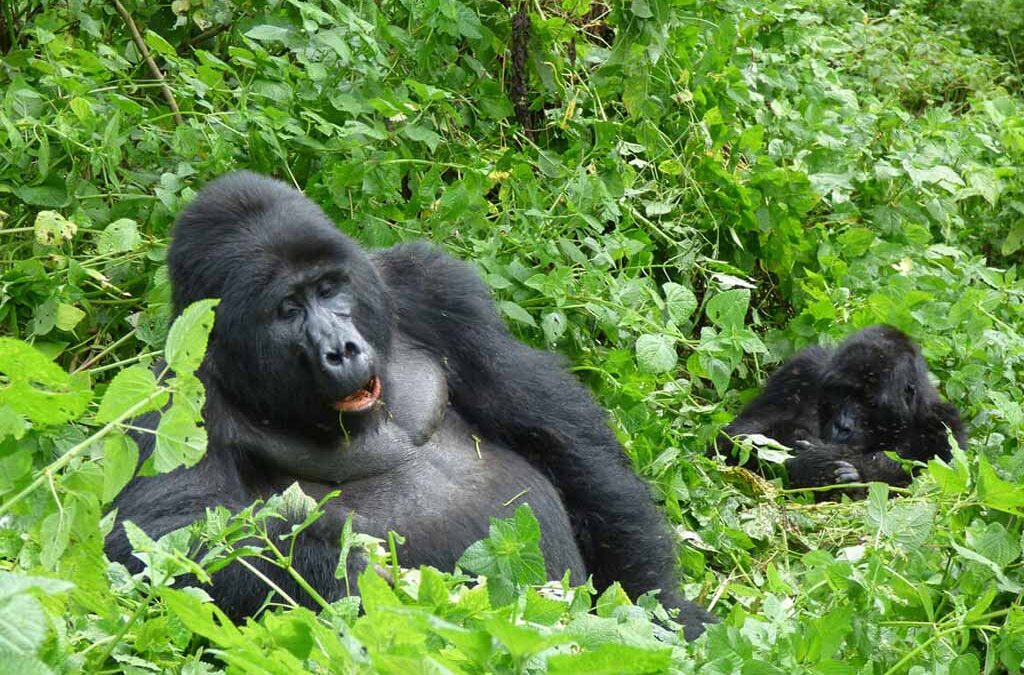
Combining gorilla trekking with a Batwa cultural experience in Bwindi creates a deeply moving safari that connects wildlife conservation with human history. This journey is not only about seeing endangered mountain gorillas, but also about meeting the original forest dwellers whose lives were once inseparable from this ancient jungle.
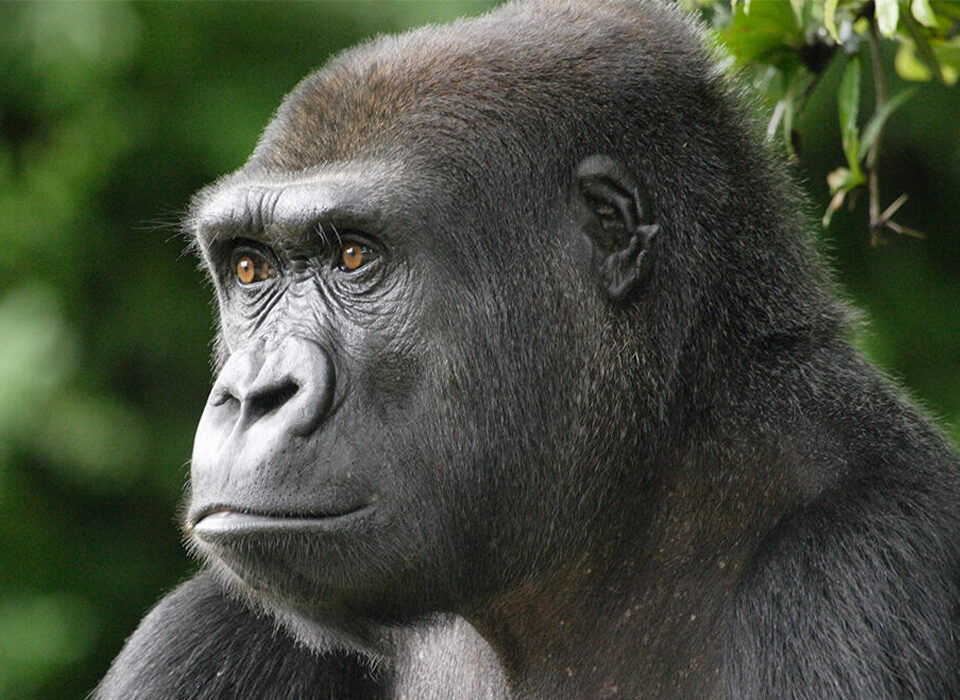
Bwindi Impenetrable National Park, a UNESCO World Heritage Site, is one of Africa’s oldest surviving rainforests. It shelters over 200 tree species, more than 350 bird species, and several primates, including nearly half of the world’s remaining mountain gorillas. Today, visitors explore this forest both to encounter gorillas and to learn about the displaced Batwa community.
Gorilla Trekking in Bwindi: What to Expect
Gorilla trekking in Bwindi is an adventure through dense vegetation, steep ridges, and mist-covered valleys. Rangers begin the day with a briefing at the sector headquarters, where they explain trekking rules, safety guidelines, and gorilla behavior. Afterward, they assign each group a specific gorilla family based on fitness levels and group size.
Guides lead you along forest trails toward the last known location of the gorillas. Along the way, trackers interpret clues such as fresh nests, broken branches, and feeding remains. The trek can last from two to several hours depending on the gorillas’ movements, terrain, and weather conditions.
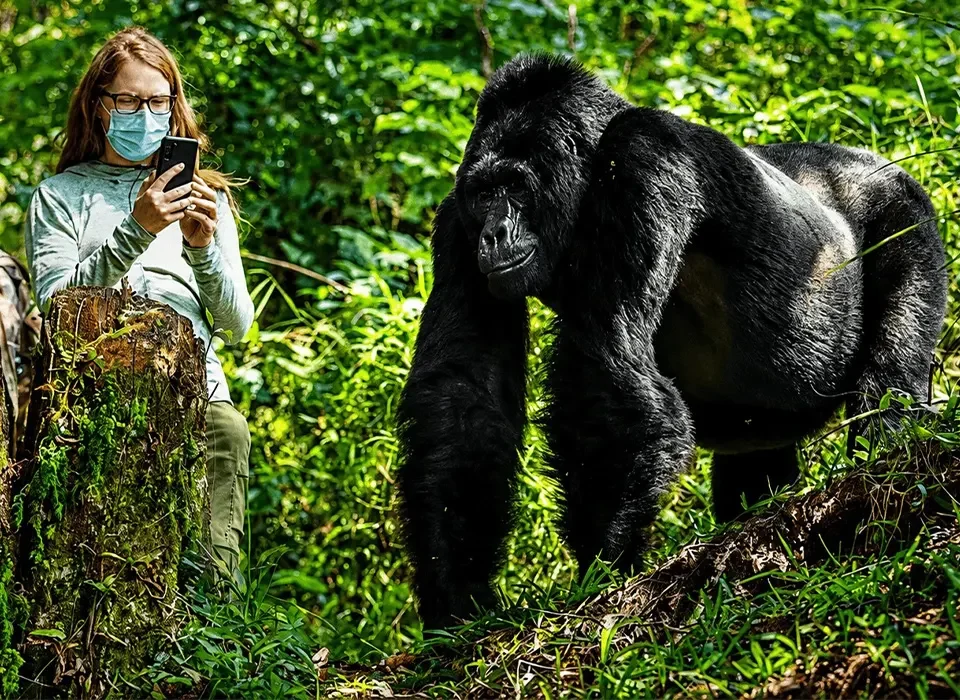
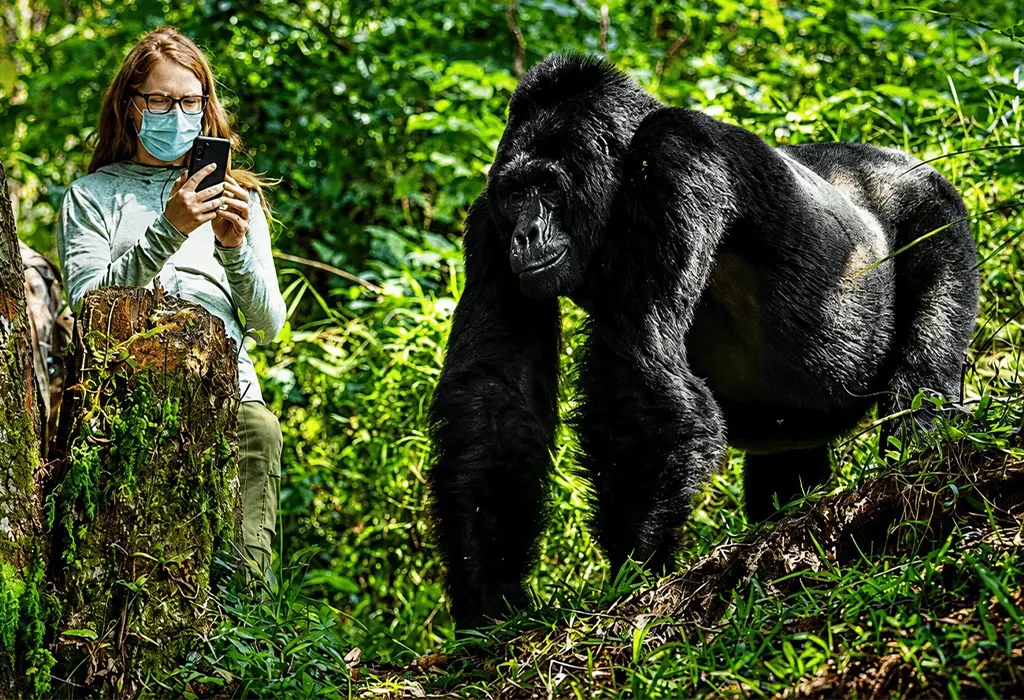
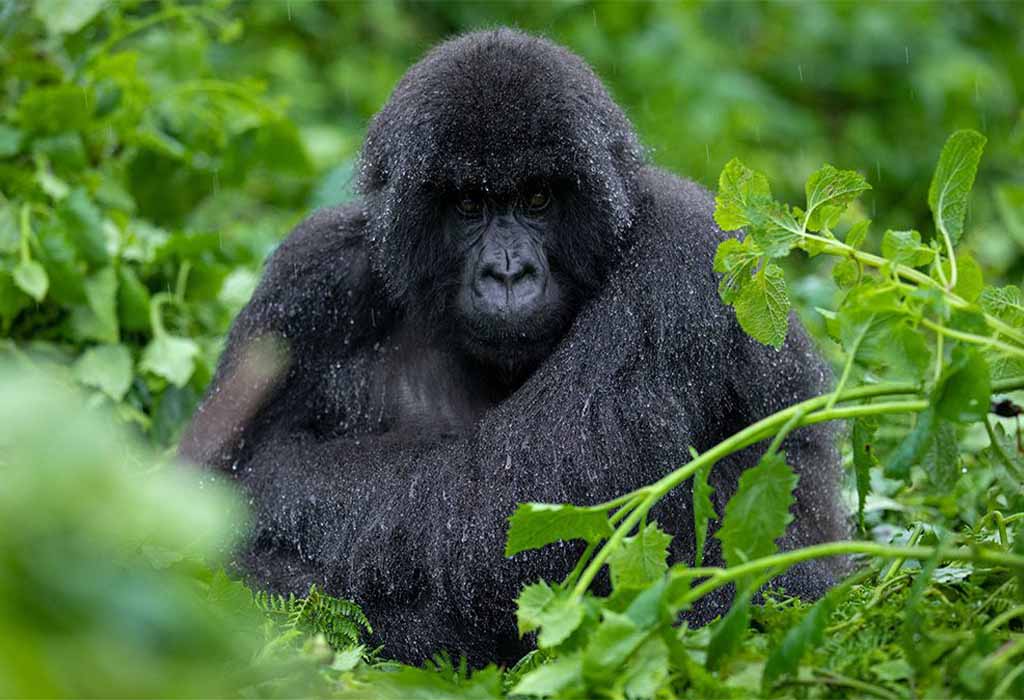
As you approach, you often hear the gorillas before you see them soft grunts, rustling leaves, or juveniles playing. Once you find the family, you spend one unforgettable hour observing them. You may watch a silverback keeping guard, mothers grooming infants, or youngsters tumbling through vines. Rangers ensure everyone keeps a safe distance of about eight meters, even if curious gorillas move closer.
For those who want a longer encounter, the gorilla habituation experience in the Rushaga sector allows up to four hours with a semi-habituated group alongside researchers and trackers.
The Batwa Cultural Experience: Walking Through Living History
After trekking gorillas, visiting the Batwa community adds powerful cultural depth to your safari. The Batwa are Indigenous forest people who lived in Bwindi and other central African forests for generations. When conservation areas were established, they were relocated to the forest edges and had to adapt to a completely new way of life.
Today, Batwa guides share their heritage through storytelling and demonstrations. During the visit, they show how they once made fire without matches, hunted small animals using traditional tools, harvested wild honey, and identified medicinal plants. Their songs, dances, and oral histories preserve knowledge passed down through countless generations.
This experience offers more than cultural entertainment. It gives visitors insight into the human cost of conservation and supports community projects through tourism revenue. Listening directly to Batwa voices makes the forest feel alive with history, not just wildlife.
Physical Difficulty and Terrain
Both gorilla trekking and Batwa visits involve hiking. Bwindi’s landscape is rugged because of ancient volcanic activity that shaped its steep hills and deep valleys. Thick vegetation, muddy trails, and slippery slopes can make the walk challenging, especially during the rainy season.
However, you do not need to be an athlete. A moderate level of fitness, sturdy hiking boots, and patience are usually enough. Porters are available to help carry bags and offer support on steep sections, which also provides local employment.
How Long the Activities Take
Gorilla trekking can take anywhere from two to six hours, including the hike to and from the gorilla family. The one-hour viewing time is strictly enforced to minimize stress on the animals.
The Batwa experience is generally shorter and less strenuous, often lasting two to three hours depending on the program. Some walks take place near forest edges, while others involve gentle hikes to demonstration sites.
Gorilla Trekking Sectors in Bwindi
Bwindi is divided into four trekking sectors: Buhoma in the north, Ruhija in the east, and Rushaga and Nkuringo in the south. Gorilla permits are sector-specific, which means you must trek in the area where your permit is booked. For convenience, you should stay in accommodation close to your trekking sector to avoid long early-morning drives on rough roads.
Each sector offers unique scenery and gorilla families, but the experience of meeting these primates is extraordinary everywhere in the park.
Cost of Gorilla Trekking and the Batwa Experience
The gorilla permit is the main cost of the experience. Permit fees vary by residency status, while additional expenses include accommodation, transport, meals, and guide services.
The Batwa visit has a separate community fee, which supports education, healthcare, and cultural preservation initiatives. Many visitors also choose to tip guides and performers as a gesture of appreciation.
Rules That Protect the Gorillas
Strict rules help protect mountain gorillas from human diseases and stress. Visitors must keep a safe distance, avoid flash photography, and wear masks when near the gorillas. Anyone with flu-like symptoms should not participate. Rangers also limit group sizes and viewing time to reduce disturbance.
These guidelines ensure that tourism supports conservation rather than harming the animals.
Why This Combination Is So Meaningful
Gorilla trekking inspires awe and wonder, while the Batwa experience invites reflection and cultural understanding. Together, they tell a fuller story of Bwindi one that includes both endangered wildlife and the people who once called this forest home.
By combining these activities, travelers leave with more than photographs. They gain perspective on conservation, resilience, and the deep connection between humans and nature.