Why Plan Your Wedding Anniversary Holiday in Uganda with Experiya Tour Company
January 24, 2026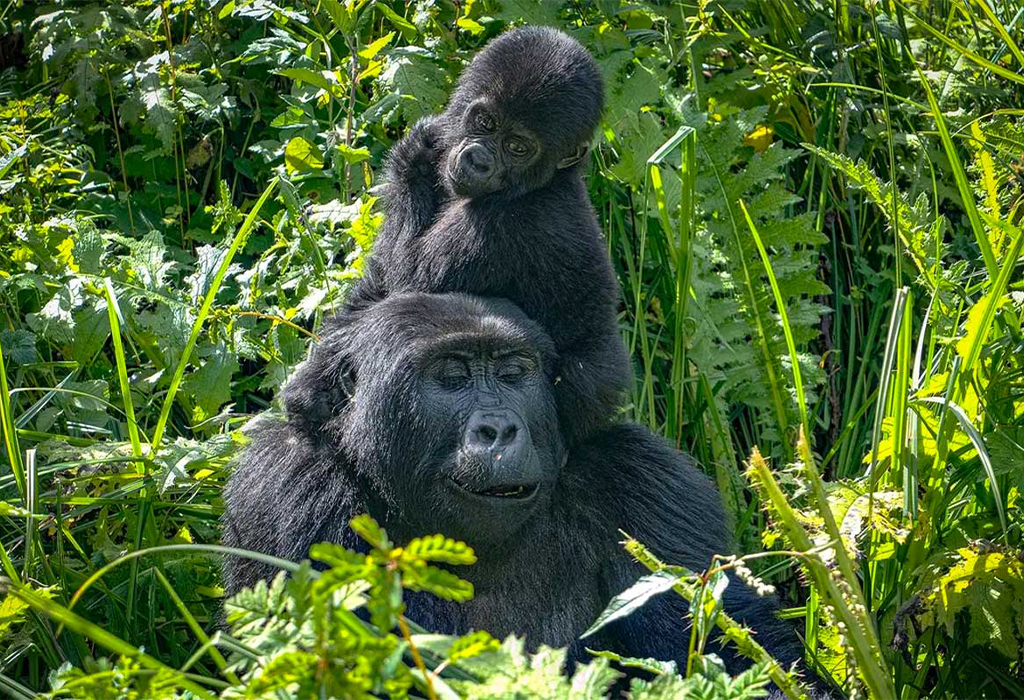
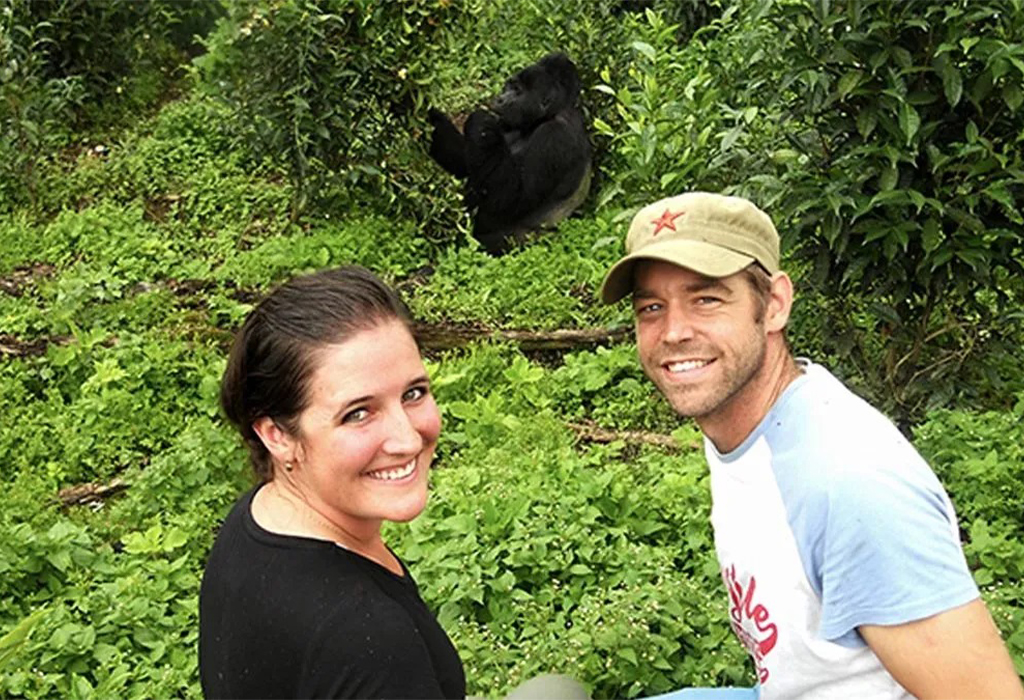
Embark on Gorilla Trekking in Mgahinga Gorilla National Park
January 26, 2026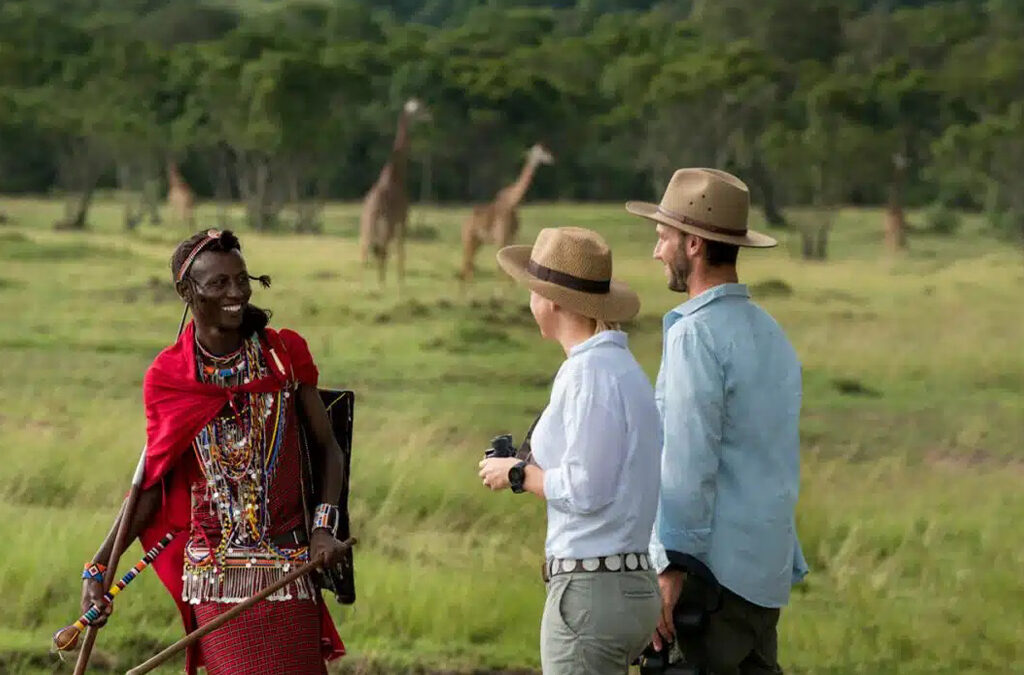
The Masai community is one of Kenya’s most fascinating cultural treasures. Despite the influx of modernity, the Masai have preserved their traditional way of life for generations. Their lifestyle, rooted in heritage and strong community values, offers a unique and immersive experience for visitors.
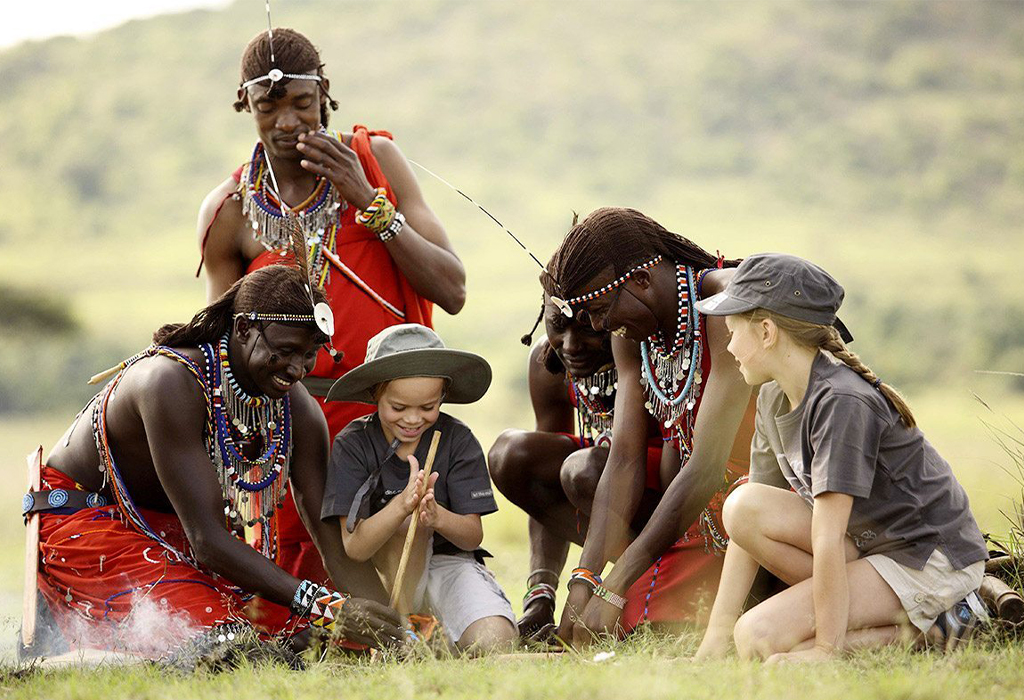
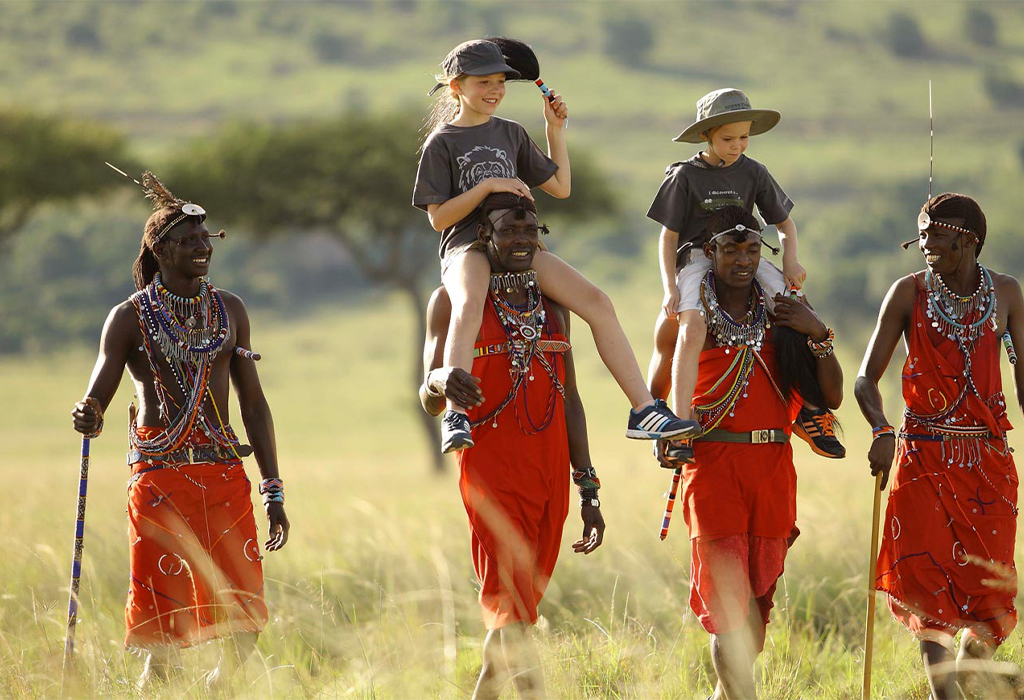
The Masai live in Manyattas traditional homesteads where they collectively protect their cattle. A visit to Masai land allows you to engage in daily activities such as milking cows, preparing meals, participating in traditional dances, and tasting local Masai dishes. It’s an extraordinary opportunity to experience life in a world vastly different from your own.
The Masai are proud of their customs and are open to sharing their culture with those willing to understand. While cultural differences may be surprising, approaching your visit with respect and curiosity helps build meaningful connections. Since many Masai speak Kiswahili or their local language, a local interpreter can enhance your experience.
During your visit, you can also explore the nearby Masai Mara National Reserve, famous for the great wildebeest migration. Between July and August, millions of animals cross the Mara River, creating one of the most spectacular wildlife events on the planet.
For a deeper cultural immersion, consider a home-stay adventure. Spend a day living alongside the Masai, observing their routines from dawn, and learning about cattle keeping, craft making, and other daily activities. This hands-on experience not only enriches your understanding of Masai life but also supports the community directly.
Activities to Experience on a Kenya Safari
Game Drives
Kenya is renowned for its wildlife safaris, with the Masai Mara at the heart of the great wildebeest migration. Beyond Masai Mara, parks such as Meru, Tsavo East and West, Amboseli, and Nairobi National Park offer incredible wildlife encounters.
During game drives, you can see giraffes, zebras, elephants, lions, leopards, rhinos, cheetahs, and more. While not every park hosts all these animals, planning in advance allows you to focus on spotting your favorite species.
Bird Watching
Kenya is a paradise for bird enthusiasts, hosting over 1,000 species. Highlights include the pink shores of Lake Nakuru, home to thousands of lesser flamingos, and the diverse avian life in Masai Mara, Tsavo, Amboseli, and Kakamega Rainforest. A tailored birding itinerary ensures you visit the country’s best birding destinations.
Mountain Climbing
Kenya’s highlands offer exceptional hiking opportunities. Mount Kenya, with peaks Nelion and Batian, features glacier-capped summits and stunning scenery. Hiking trails are carefully maintained to protect vegetation, while Amboseli National Park provides the best views of Mount Kilimanjaro.
Water Activities
Kenya’s Indian Ocean coastline offers snorkeling, scuba diving, whale watching, kayaking, and sports fishing. Kisite Marine National Park is particularly remarkable, featuring colorful coral gardens and abundant marine life, including dolphins, mackerel, and bonito schools.
Nairobi City Tour
A Nairobi city tour blends culture and history. Explore museums such as the Nairobi National Museum, which houses ethnographic artifacts, musical instruments, and agricultural tools, offering insight into Kenya’s rich heritage.
Hot Air Balloon Safari
For a unique perspective, take a hot air balloon ride over Kenya’s savannas. From above, you can see wildlife in large groups, capture breathtaking aerial photographs, and witness the great wildebeest migration from a completely new angle.
Walking Safaris
Guided walking safaris allow you to experience wildlife up close while immersing yourself in the sights and scents of nature. Stick to established trails, carry water, snacks, a camera, and binoculars, and enjoy the serene connection with the environment.
Planning Your Masai Community Visit
The cost of visiting the Masai varies depending on the activities you choose. Bringing cash to support local projects and purchase souvenirs is encouraged. A local guide can enhance your experience, and tipping generously for excellent service is always appreciated.
Visiting the Masai helps challenge misconceptions about their conservative lifestyle. You gain a deeper appreciation for how they thrive in their environment and contribute to wildlife conservation. Entrance fees to Masai Mara National Reserve also support local communities, directly benefiting daily life and development projects.
Best Time to Visit
You can visit the Masai any time of the year, but the dry season is ideal for ease of access and wildlife viewing. Kenya’s dry season, from June to September and December to January, offers better visibility of animals, especially during the great wildebeest migration.
The wet season, though less crowded, can make travel more challenging. However, it offers the chance to experience parks with fewer tourists and vibrant landscapes.
Safety Tips
While the Masai are welcoming, always follow guidance from local guides. Seek permission before taking photos, and observe all safety rules during game drives. Stay in your vehicle, avoid loud noises, and follow designated routes. Prepare with mosquito nets, antimalarial medication, and the right safari gear. A 4×4 vehicle with an experienced driver ensures a smooth and safe safari experience.
What to Pack
Pack lightly, bringing only essentials:
- A camera and extra batteries
- Binoculars
- Safari-appropriate footwear
- Warm clothing for mornings and evenings
- Snacks and water
- A safari hat and sunscreen
- Cash for local purchases
Why Choose a Professional Safari Organizer
A professional safari company like Experiya Tour Company helps design your itinerary, combining wildlife, cultural experiences, and adventure activities tailored to your interests. Experienced safari consultants can plan every detail, from primate trekking to family adventures, ensuring a seamless, unforgettable journey through Kenya