The Benefits of Hiring Porters for Gorilla Trekking in Rwanda
January 24, 2026
Camping in Uganda’s National Parks: A Guide by Experiya Tour Company
January 24, 2026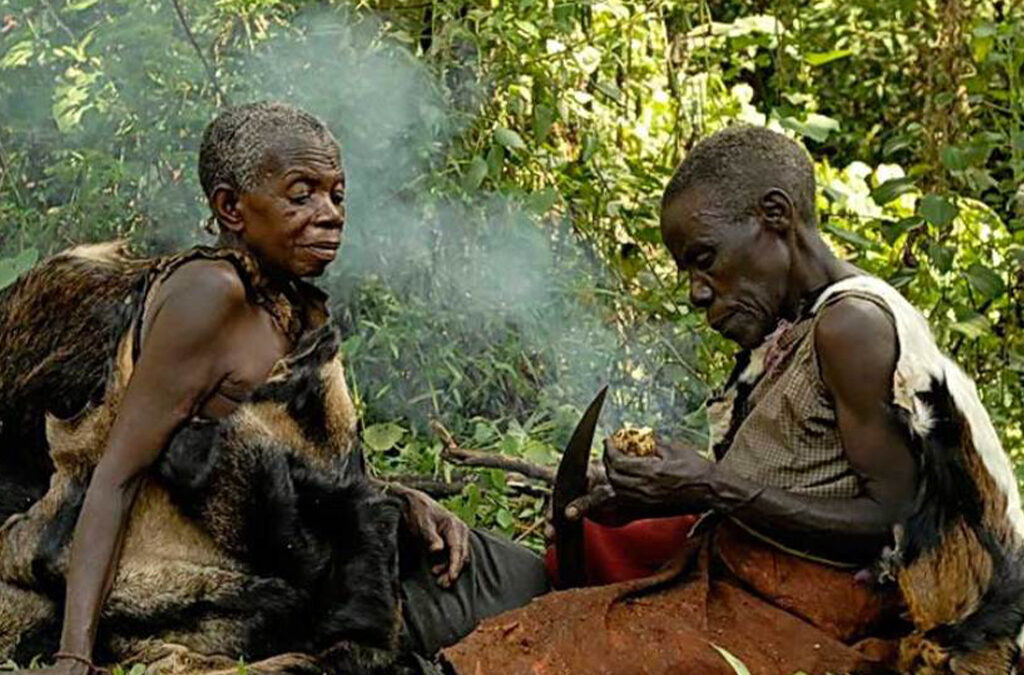
Visiting Bwindi Impenetrable National Park is not only about seeing mountain gorillas. It is also a powerful opportunity to connect with Uganda’s rich cultures and the communities that live along the forest’s edge. Community tourism in Bwindi allows travelers to experience local life while directly supporting the people who help protect the gorillas and their fragile habitat.
One of the most meaningful cultural experiences is visiting the Batwa people, an Indigenous community with deep historical ties to Bwindi Forest. In addition, village walks around Buhoma, Rushaga, and Nkuringo offer a closer look at daily Ugandan life. Together, these experiences add heart and human connection to your gorilla trekking safari while contributing to conservation.
Who Are the Batwa People?
The Batwa are one of the oldest forest-dwelling communities in East Africa. For centuries, they lived as hunter-gatherers in Bwindi Forest, relying on small game, wild fruits, honey, and medicinal plants for survival. Their culture, spirituality, and identity were closely connected to the forest.
However, in 1991, the government gazetted Bwindi as a national park to protect endangered mountain gorillas. As a result, the Batwa were evicted from their ancestral land with little support or compensation. Since then, many Batwa families have struggled to adapt to life outside the forest.
Today, community tourism initiatives give the Batwa a platform to share their history, preserve their traditions, and earn income in a dignified and sustainable way.
Why Visit the Batwa Community?
A visit to the Batwa is far more than a cultural performance. It is a meaningful exchange that supports heritage preservation and improves livelihoods.
Your visit helps provide income for Batwa families, supports cultural education for younger generations, and strengthens pride in Batwa identity. At the same time, tourism reduces pressure on forest resources by creating alternative sources of income. It also builds stronger partnerships between conservation groups and Indigenous communities.
When you join a well-organized Batwa experience, your contribution goes directly toward community welfare and cultural survival.
What to Expect During a Batwa Cultural Experience
A Batwa cultural visit usually lasts between two and three hours. Many travelers plan it either before or after their gorilla trek, making it a perfect complement to the wildlife experience.
During the visit, Batwa hosts welcome you with traditional songs and dances that express their history and connection to the forest. Elders share stories about their former forest life and explain how they survived using deep knowledge of nature. You may see demonstrations of hunting tools, fire-making techniques, and traditional herbal medicine.
In some areas, guides lead short forest walks where Batwa elders interpret plants and explain their traditional uses. You might also visit reconstructed forest huts that show how families once lived inside Bwindi.
Throughout the experience, Batwa guides speak openly about their past and present challenges. Their stories add emotional depth and cultural understanding to your safari.
Exploring Local Villages Around Bwindi
Beyond Batwa visits, village walks in Buhoma, Rushaga, and Nkuringo offer another rewarding cultural layer. These guided walks introduce you to everyday life in rural Uganda and create genuine, respectful interactions.
As you walk through the villages, you may visit small craft markets where local artisans sell handmade baskets, carvings, and jewelry. You can meet farmers tending banana, coffee, or tea gardens and learn how these crops support families. Some tours include visits to banana breweries where locals demonstrate how they make traditional drinks.
You may also observe traditional healing practices, join a basket-weaving session, or participate in a simple cooking demonstration. Music and dance often bring the visit to a joyful close, creating a lively cultural exchange between guests and hosts.
These walks benefit the entire community because guides, artisans, and performers all earn income from your visit.
How Community Tourism Supports Conservation
Community tourism in Bwindi plays a crucial role in conservation. When local communities benefit directly from tourism, they gain a strong reason to protect the forest and its wildlife.
Tourism revenue supports school fees, education programs, clean water projects, and healthcare initiatives. It also contributes to community-led conservation efforts and forest restoration programs. As a result, families depend less on activities like poaching or encroaching on park land.
In this way, your cultural visit helps build long-term support for protecting Bwindi’s ecosystem and its endangered mountain gorillas.
How to Arrange a Community Visit in Bwindi
Most travelers organize community experiences as part of their safari itinerary. Cultural visits fit easily around gorilla trekking and do not require long travel distances.
You can also arrange visits locally through recognized community tourism groups in Bwindi. These programs ensure fair payment, respectful interactions, and real benefits for local families.
Planning ahead allows you to choose experiences that match your interests while ensuring your visit makes a positive impact.
Responsible Tourism Guidelines
Respect plays a key role in community tourism. Always ask before taking photographs, as some people may prefer not to be photographed. Dress modestly and behave in a culturally sensitive way.
Support local artisans by buying crafts directly from them whenever possible. Listen carefully, ask thoughtful questions, and avoid making assumptions about local lifestyles. Most importantly, follow your guide’s lead and ask permission before entering private homes or sacred spaces.
When visitors show genuine respect, cultural tourism becomes a meaningful exchange rather than just an activity.
Packing Tips for Community Visits
Pack light, modest clothing that respects local customs. Carry small amounts of cash if you wish to buy crafts or make community contributions. A notebook can be helpful if you want to record stories or reflections.
Most importantly, bring curiosity, patience, and an open mind.
Is Community Tourism in Bwindi Worth It?
Absolutely. Community tourism adds emotional depth and human connection to your gorilla safari. While seeing gorillas is unforgettable, meeting the people who live alongside the forest often becomes the most meaningful part of the journey.
By taking part in these experiences, you do more than observe culture. You help support communities, preserve traditions, and strengthen conservation efforts in one of Africa’s most extraordinary landscapes.