How Is Gorilla Habituation in Uganda?
January 23, 2026
Top Cultural Tourism Sites in Uganda
January 24, 2026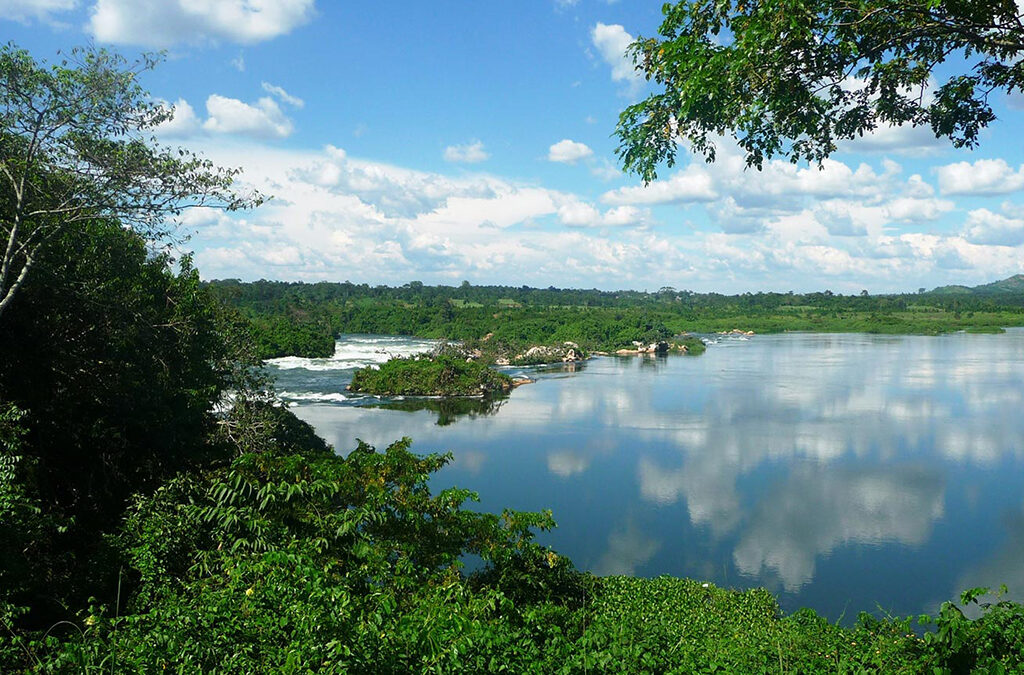
Lake Mburo National Park, located in Kiruhura District in western Uganda, may be one of the country’s smallest national parks, covering just 260 square kilometers, but what it lacks in size it more than makes up for in beauty, biodiversity, and cultural heritage. This compact park offers an incredible blend of landscapes, wildlife, and living history, making it one of Uganda’s most unique safari destinations.
Established in 1983, Lake Mburo holds a special place in Uganda’s conservation story. Its history reflects not only the protection of nature, but also the evolving relationship between wildlife conservation and local communities.
The Cultural Roots of Lake Mburo
Long before the park was established, the Banyankole people lived on this land. As proud pastoralists, they depended on the vast savannah grasslands for cattle grazing, a tradition that remains central to their culture today. For generations, their long-horned Ankole cattle roamed the same plains where zebras and antelopes now graze.
The Legend Behind the Name “Mburo”
According to local legend, the name “Mburo” comes from two brothers, Kigarama and Mburo. One night, Kigarama dreamed of a great flood and warned his brother to move to higher ground. Kigarama listened to the warning, but Mburo stayed behind near the lake. The flood eventually came and claimed Mburo’s life. In his memory, the lake was named after him Lake Mburo.
This story still lives on in local culture and adds a spiritual layer to the landscape visitors explore today.
Colonial Changes and Land Use
During the colonial era, British authorities introduced large-scale ranching and commercial agriculture. These changes disrupted traditional grazing systems and increased pressure on the Banyankole people, who now had to compete with settlers for land.
By the mid-20th century, ranches dominated much of the area. As a result, wildlife populations declined sharply due to habitat loss and hunting. However, the lake and surrounding wetlands remained an important wildlife corridor, allowing species like zebras, impalas, and buffaloes to survive.
After Independence: The Road to Conservation
After Uganda gained independence in 1962, the government began focusing more seriously on conservation. Wildlife numbers across the country were falling due to poaching and habitat destruction.
Although Uganda had passed its first Game Ordinance in 1933 to regulate hunting, enforcement remained weak for decades. Conservation efforts mainly focused on larger parks like Murchison Falls and Queen Elizabeth National Parks.
Everything changed in 1983 when the government officially gazetted Lake Mburo as a national park to protect its remaining wildlife and fragile ecosystems.
Challenges During the Park’s Establishment
The creation of Lake Mburo National Park did not happen without conflict. Many Banyankole pastoralists lost access to traditional grazing lands, and some families were displaced without compensation. Naturally, tensions rose between local communities and park authorities.
During the late 1980s and early 1990s, civil unrest made it even harder to enforce park boundaries. Some pastoralists returned with their cattle, and poaching increased. Wildlife numbers dropped, and park infrastructure suffered.
However, in the early 1990s, the government and conservation partners began introducing community-based conservation programs. These included:
- Establishing buffer zones where controlled grazing was allowed
- Encouraging dialogue between park management and local leaders
- Supporting alternative livelihoods
Revenue Sharing Brings Hope
The Uganda Wildlife Authority also introduced a revenue-sharing program, investing part of the park’s tourism income into nearby communities. These efforts slowly rebuilt trust and helped communities see conservation as a shared benefit rather than a loss.
Today, Lake Mburo stands as an example of how conservation and community cooperation can grow together.
Landscapes and Ecosystems of Lake Mburo
Lake Mburo National Park showcases a stunning mix of habitats. Rolling savannahs blend into acacia woodlands, seasonal swamps, rocky outcrops, and shimmering lakes.
Lake Mburo itself is the largest of five lakes within the park, forming part of a larger wetland system. This landscape marks a transition zone between the savannah and forest biomes, which explains the park’s impressive biodiversity.
The wetlands provide critical habitats for hippos, crocodiles, and water birds, while the savannah supports grazing herbivores and their predators.
Wildlife in Lake Mburo National Park
Despite its small size, Lake Mburo supports a rich variety of animals, including several species that are rare or absent in other Ugandan parks.
Zebras
Lake Mburo is the best place in Uganda to see zebras. Large herds graze openly across the savannah, creating one of the park’s most iconic sights.
Impalas
This park hosts Uganda’s only population of impalas, making it a must-visit for wildlife enthusiasts eager to spot this graceful antelope.
Buffaloes and Other Antelopes
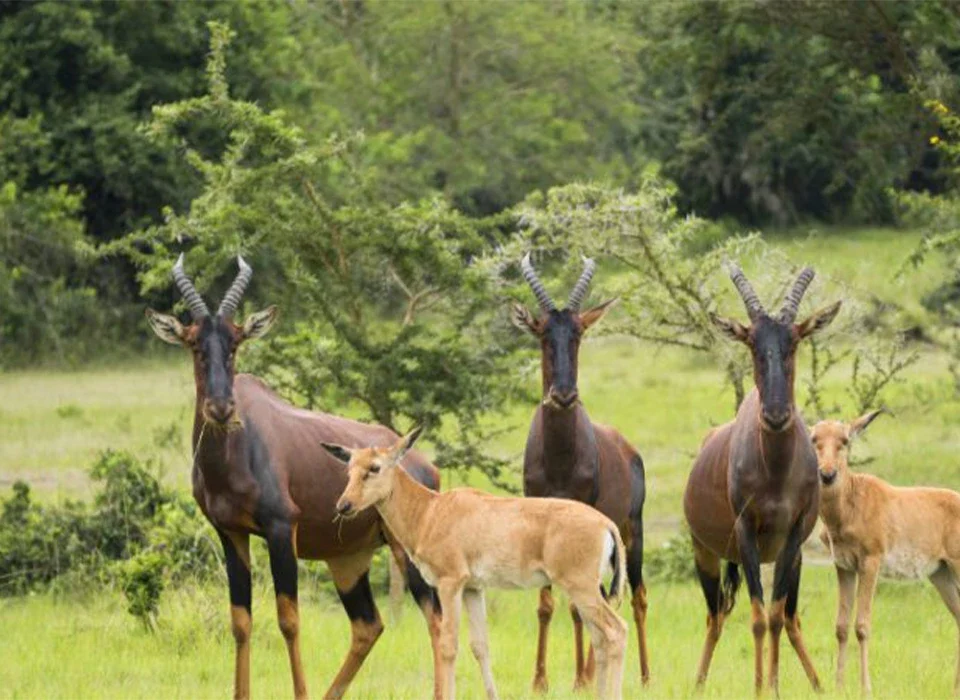
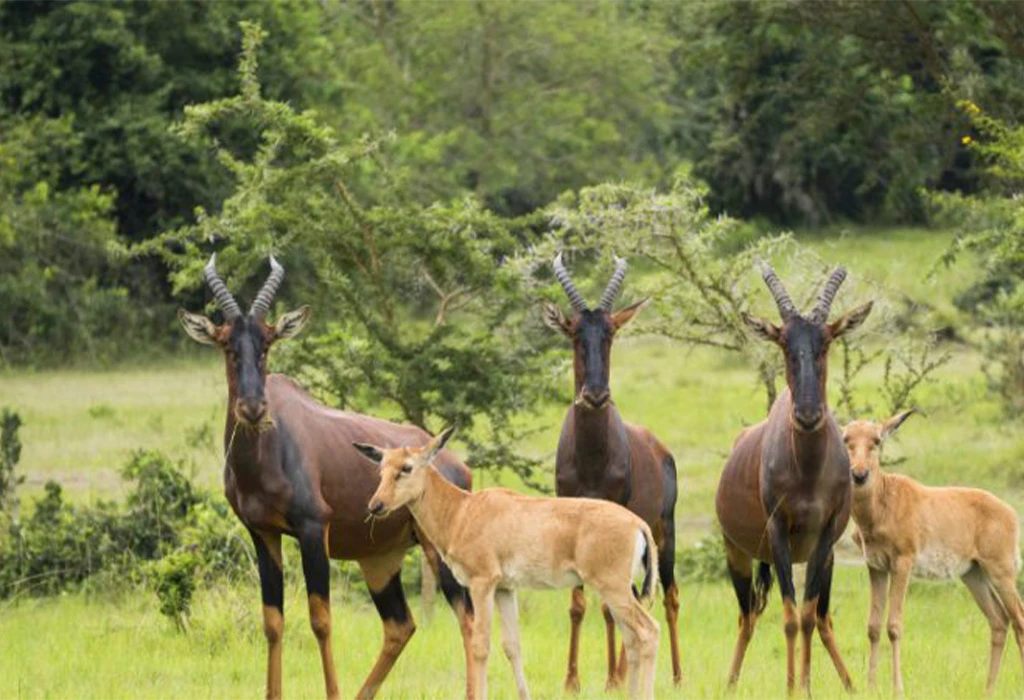
You will also encounter buffaloes, elands (Africa’s largest antelope), topis, and waterbucks thriving in the grasslands and woodlands.
Predators
Although harder to spot, leopards and spotted hyenas roam the park, quietly maintaining the balance of the ecosystem.
Hippos and Crocodiles
The lakes and wetlands support large numbers of hippos and Nile crocodiles, best viewed during boat safaris.
Birdlife
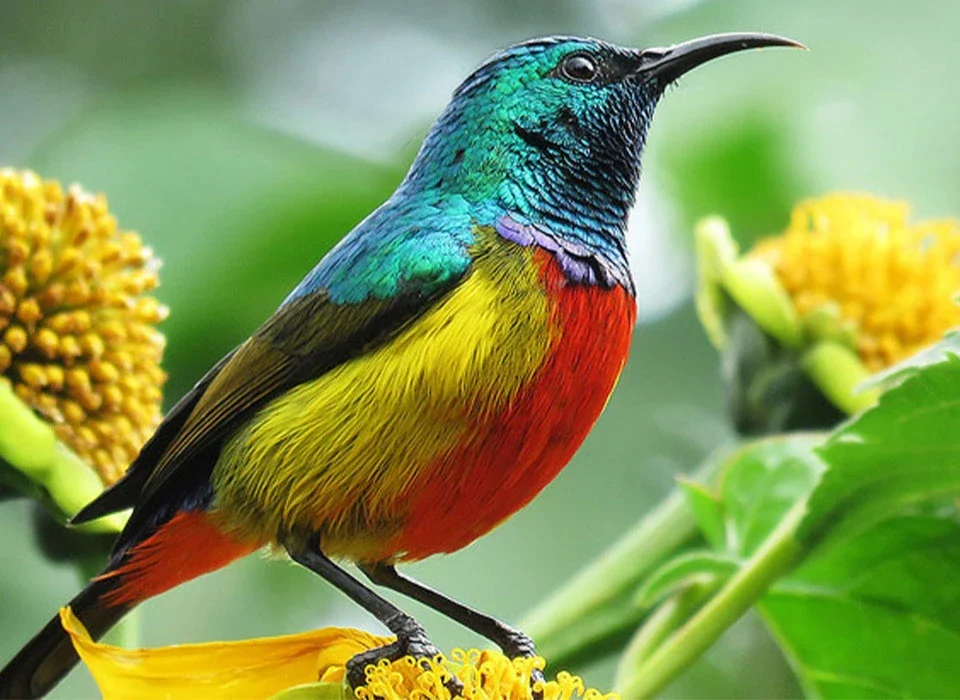
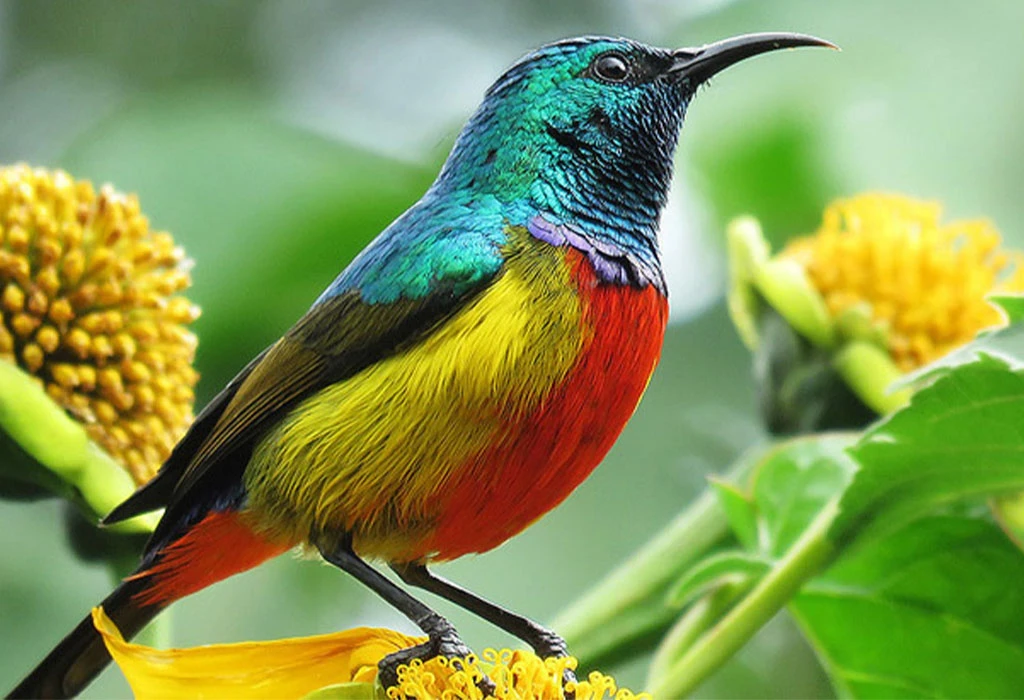
With over 300 bird species, Lake Mburo is a paradise for birdwatchers. Look out for African fish eagles, papyrus gonoleks, saddle-billed storks, African finfoots, and the iconic crested crane Uganda’s national bird.
Top Activities in Lake Mburo National Park
Lake Mburo offers a variety of activities that allow visitors to explore the park from different perspectives.
Game Drives
Game drives remain one of the most popular experiences. With Experiya Tour Company, visitors explore the park’s savannah and woodland tracks in 4×4 vehicles. Early mornings and late afternoons offer the best wildlife sightings, including zebras, impalas, buffaloes, and warthogs.
Boat Safaris
Boat trips on Lake Mburo provide a peaceful yet thrilling experience. From the water, you can observe hippos, crocodiles, and countless water birds up close while enjoying reflections of hills and forests on the lake’s calm surface.
Walking Safaris
Lake Mburo is one of the few parks in Uganda where guided walking safaris are allowed. Accompanied by an armed ranger and arranged through Experiya Tour Company, visitors explore the bush on foot, noticing tracks, plants, insects, and wildlife details often missed during drives.
Horseback Safaris
For a truly unique adventure, visitors can enjoy horseback safaris organized through Experiya Tour Company. Riding quietly through the savannah allows you to approach zebras and antelopes in a natural, non-intrusive way.
Bird Watching
Bird lovers will find endless opportunities across wetlands, woodlands, and the famous Rubanga Forest. Expert-guided birding tours with Experiya Tour Company help visitors spot rare and colorful species.
Community Visits and Cultural Experiences
Lake Mburo also offers meaningful cultural encounters. Community visits arranged by Experiya Tour Company allow travelers to meet the Banyankole people, visit traditional homesteads, and learn about cattle keeping, milk processing, and local traditions.
These experiences not only enrich your safari but also directly support local livelihoods and strengthen conservation partnerships.
A Small Park with a Big Heart
Lake Mburo National Park proves that size does not determine impact. Its dramatic history, rich wildlife, beautiful scenery, and strong community ties make it one of Uganda’s most rewarding safari destinations.
Whether you come for zebras, birdlife, boat cruises, or cultural experiences, Lake Mburo welcomes you with quiet charm and unforgettable beauty