9-Day Hiking Adventure and Kidepo Valley Safari
January 23, 2026
What to Expect on a Game Drive Safari Tour in Uganda
January 23, 2026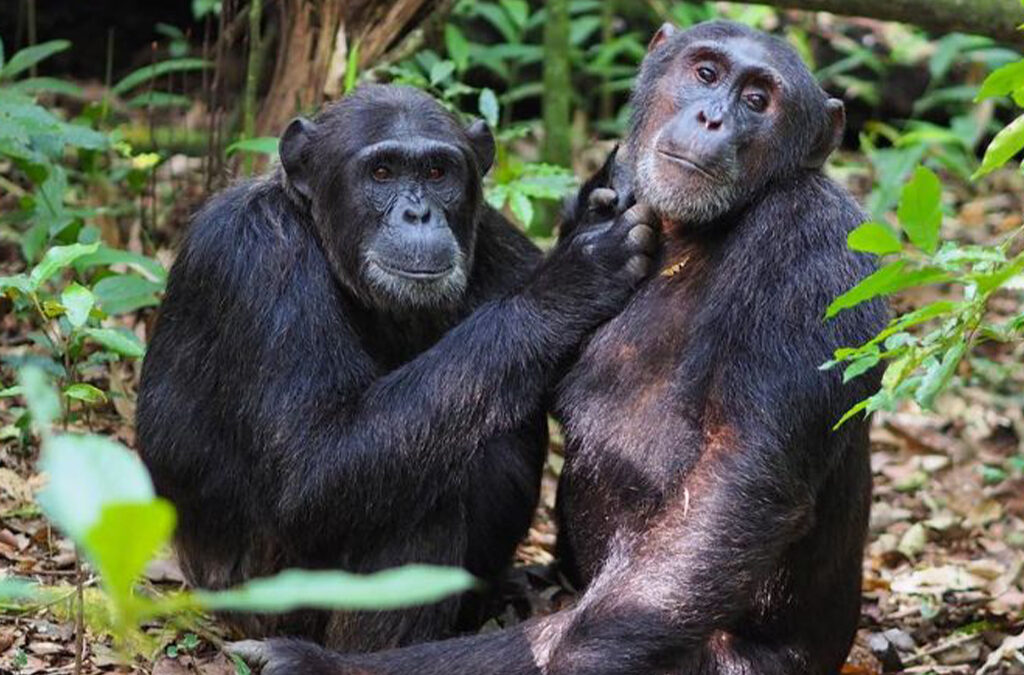
Chimpanzee trekking is one of the most rewarding wildlife experiences in Uganda. It allows you to step into lush tropical forests and observe one of humanity’s closest relatives in their natural habitat. However, before you lace up your hiking boots, it is important to understand the age limit for chimpanzee trekking in Uganda. These regulations exist to protect both visitors and chimpanzees while ensuring the experience remains safe, ethical, and enjoyable.
In this guide, you will learn about the official age requirements, why they are enforced, and what alternative experiences are available if you or a family member does not meet the criteria.
What Is the Official Age Requirement for Chimpanzee Trekking in Uganda?
Many travelers planning a chimpanzee trekking safari ask about age restrictions. In Uganda, the rules are generally consistent across most trekking locations, including Kibale National Park, Budongo Forest, Kalinzu Forest, and Kyambura Gorge.
The minimum age for chimpanzee trekking in Uganda is 12 years. This requirement ensures that participants can cope with the physical demands of trekking through dense forest and can follow instructions from guides.
The maximum age limit is typically 65 years. That said, some parks and operators may allow older participants if they are physically fit and in good health. In such cases, travelers are advised to confirm eligibility in advance through Experiya Tour Company or directly with park authorities.
Overall, these age limits help create a safe and positive experience for everyone involved.
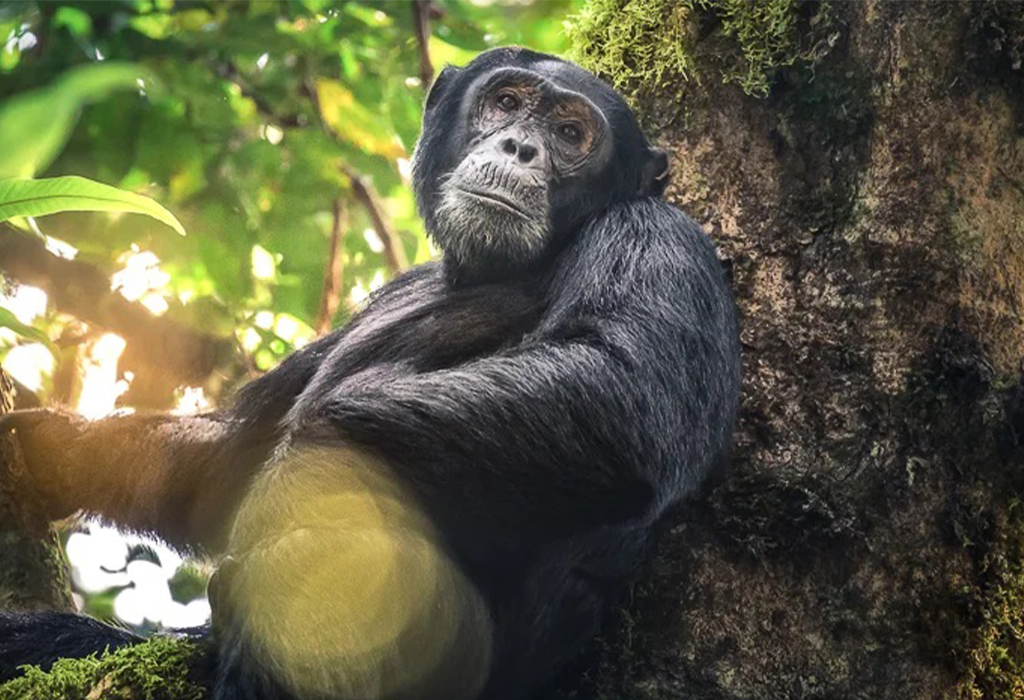
Why Is There an Age Limit for Chimpanzee Trekking?
Safety Considerations for Trekkers
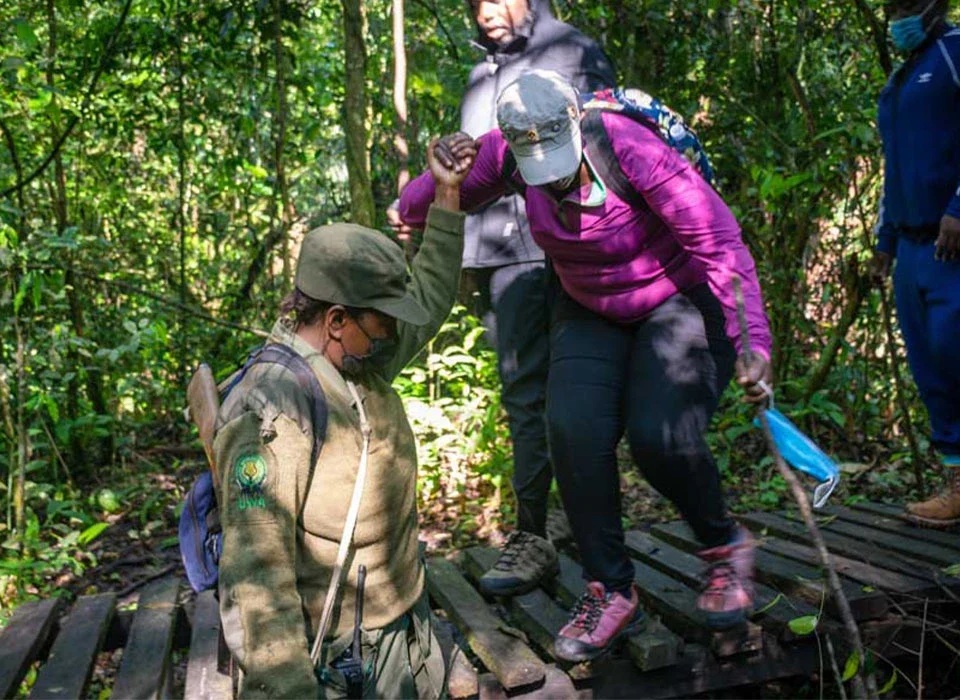
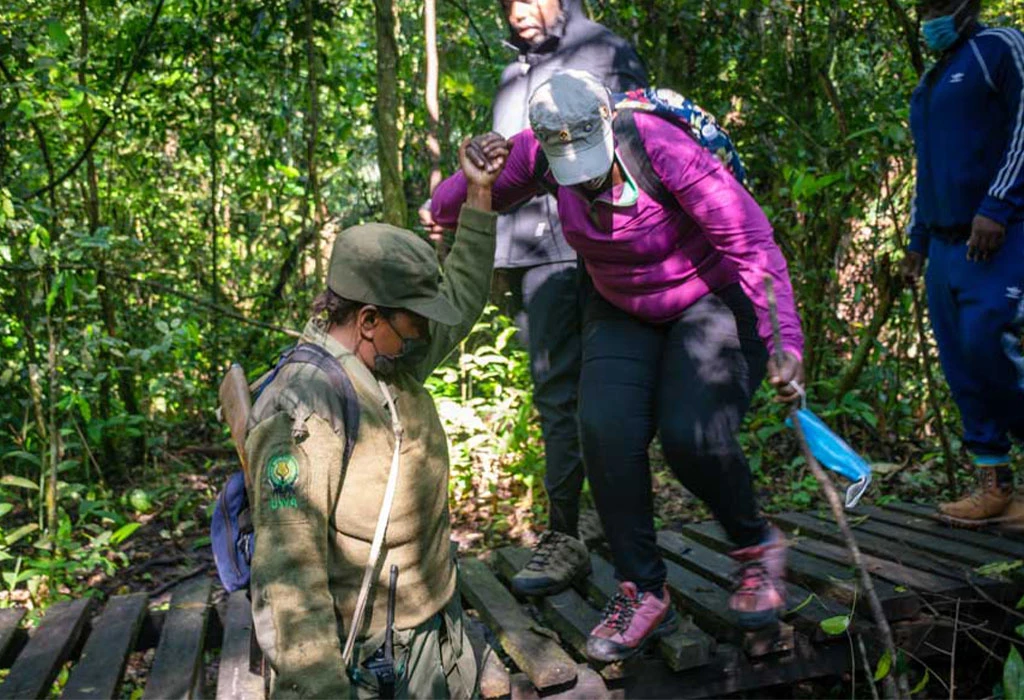
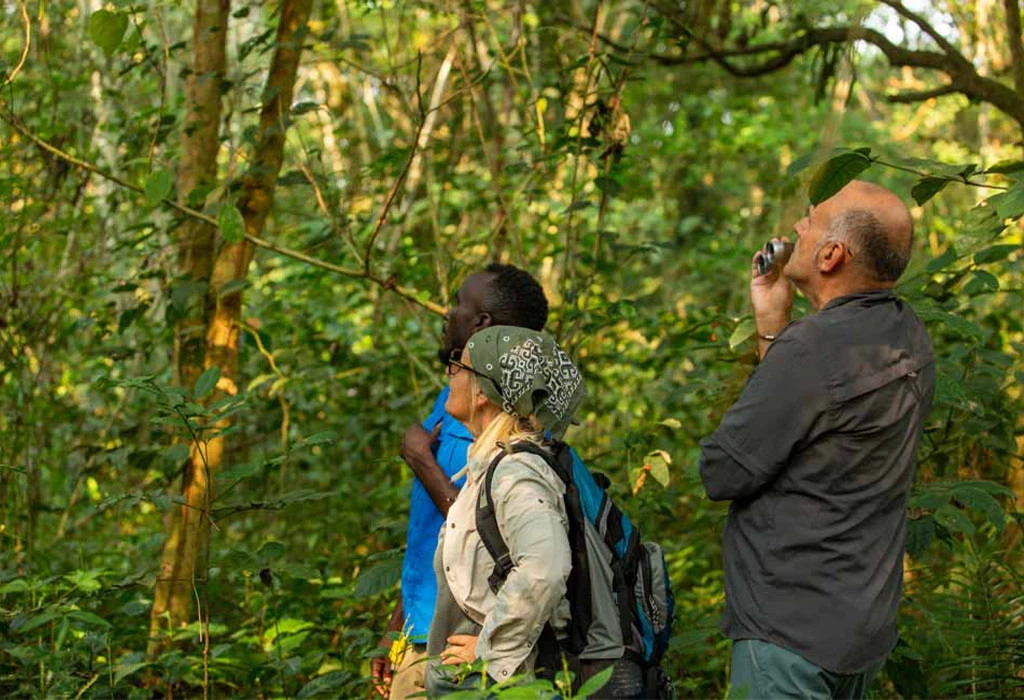
Chimpanzee trekking is an active adventure. It often involves walking for two to four hours through thick forest, crossing uneven ground, and sometimes climbing steep or muddy trails. Because of this, a reasonable level of stamina and balance is essential.
Young children may struggle with the distance and terrain, while elderly participants may face increased health risks if they are not physically prepared. By enforcing age limits, park authorities reduce the likelihood of injuries, exhaustion, or medical emergencies during the trek.
Protecting the Well‑Being of Chimpanzees
Beyond human safety, age restrictions also protect chimpanzees. These primates are highly intelligent and sensitive to disturbance. Visitors must remain calm, quiet, and disciplined while in their presence.
Children who are too young may find it difficult to follow strict rules such as maintaining silence or keeping a safe distance. Similarly, participants who tire easily may unintentionally disrupt the group. Setting a minimum age helps ensure that all trekkers can respect chimpanzee behavior and habitat.
Can Children Participate in Chimpanzee Trekking in Uganda?
Age Restrictions for Children
Children under the age of 12 are not permitted to take part in chimpanzee trekking in Uganda. The combination of long walking distances, forest conditions, and conservation rules makes the activity unsuitable for younger age groups.
Family‑Friendly Alternatives for Younger Children
Although chimpanzee trekking is restricted, families traveling with young children still have excellent options to enjoy primate experiences.
One popular alternative is visiting Ngamba Island Chimpanzee Sanctuary on Lake Victoria. Here, families can observe rescued and orphaned chimpanzees in a protected setting while learning about conservation through guided educational talks.
In addition, Experiya Tour Company can arrange other child‑friendly wildlife activities, including boat safaris, nature walks, and cultural encounters that suit younger travelers.
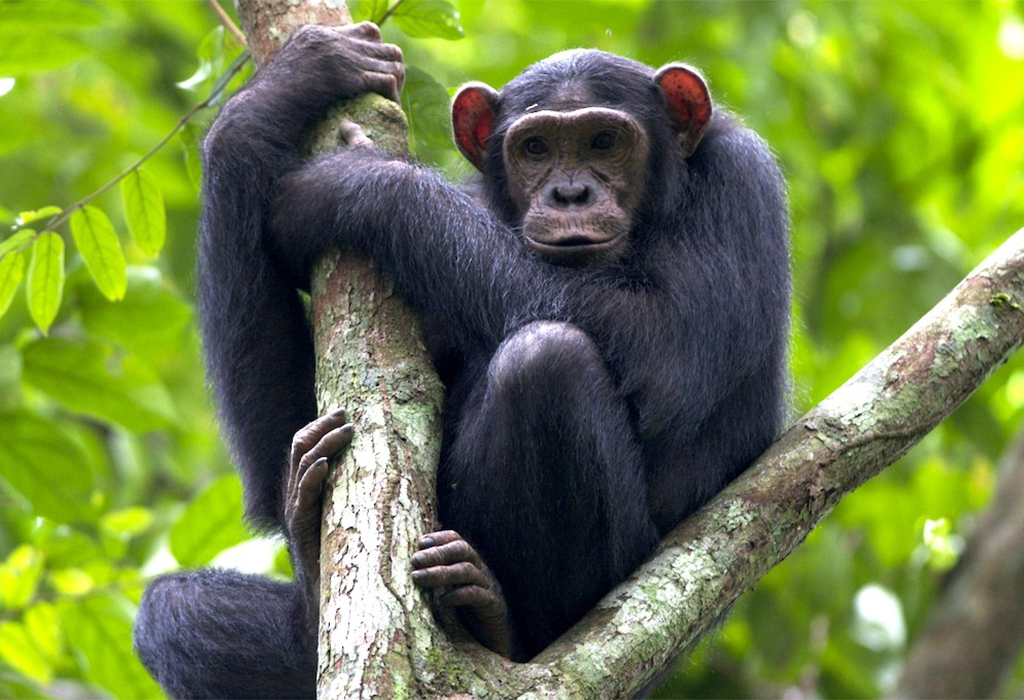
What If You Are Above the Maximum Age Limit?
Can Older Travelers Still Go Chimpanzee Trekking?
Yes, in some cases. Travelers over 65 years may still be allowed to participate if they are physically fit and able to handle the trek. Approval often depends on the specific park and the discretion of guides.
It is strongly recommended to consult Experiya Tour Company in advance. You may be asked to provide medical clearance confirming that you are healthy enough for the activity.
Customized Options for Older Participants
To make the experience more comfortable, some operators offer private or slower‑paced treks. These options allow more flexibility, additional rest breaks, and personalized attention from guides. Such arrangements make chimpanzee trekking more accessible without compromising safety.
What to Expect During the Trek at Different Life Stages?
Young Adults
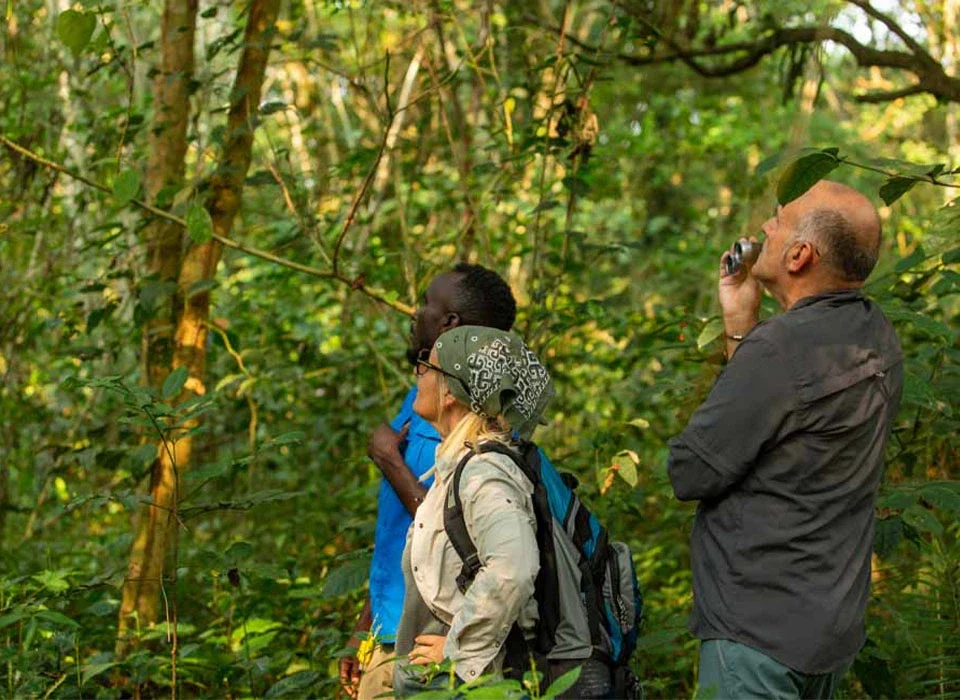
For participants between 12 and 35 years, chimpanzee trekking is often energetic and exhilarating. Most people in this age group find it easier to manage long walks and steep terrain. In return, they enjoy close‑up views of chimpanzees feeding, grooming, and moving through the forest canopy.
Middle‑Aged Adults
Adults between 30 and 60 years can also enjoy chimpanzee trekking comfortably, provided they maintain reasonable fitness levels. Wearing proper hiking gear, staying hydrated, and following guide instructions greatly enhance the experience.
Senior Travelers
Senior travelers who are fit and approved for trekking can still have a memorable experience. While the pace may be slower, the reward remains the same: observing complex chimpanzee social behavior in the wild and learning from experienced guides.
How to Prepare for Chimpanzee Trekking in Uganda
Preparation plays a key role in making your trek enjoyable, regardless of age.
Wear sturdy hiking shoes with good grip to handle slippery forest trails. Long trousers and long‑sleeved shirts protect against insects and vegetation. Insect repellent and sunscreen are also essential.
Carry enough drinking water to stay hydrated, especially during longer treks. A camera is useful for capturing memories, although flash photography is not allowed near chimpanzees.
While the trek does not require advanced athletic ability, basic fitness helps. Light walking or hiking before your trip can significantly improve comfort and confidence on the trail.
Is Chimpanzee Trekking Right for You?
Chimpanzee trekking in Uganda is a unique and deeply enriching experience. However, age limits are in place to ensure safety, conservation, and overall enjoyment. The minimum age is 12 years, while the maximum age is generally 65 years, with possible exceptions for healthy older travelers.
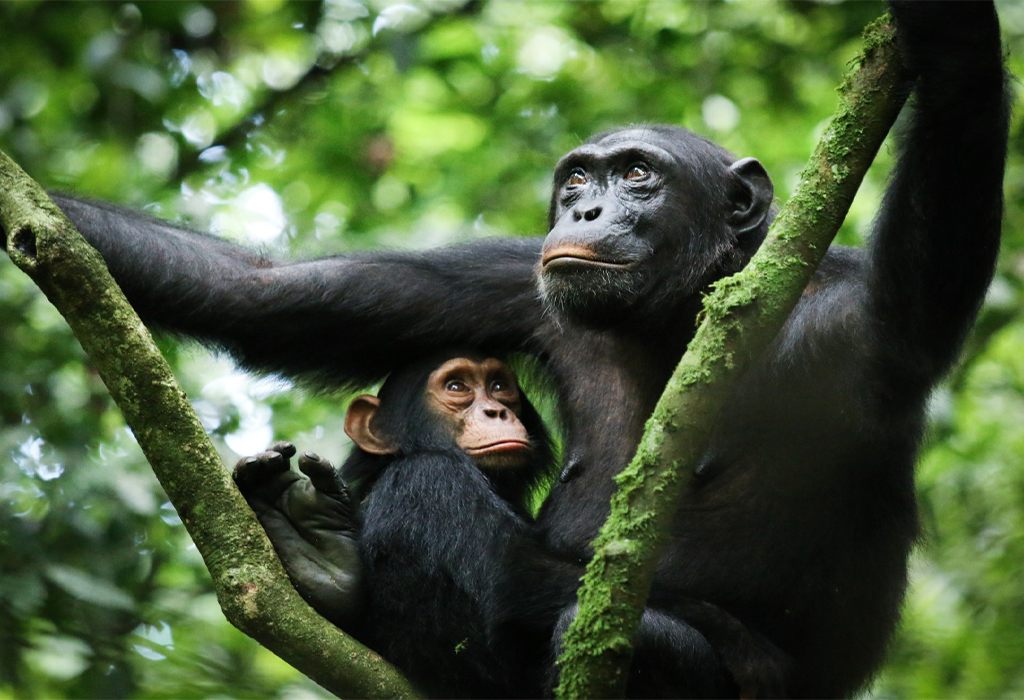
If you or a family member does not meet the age requirements, alternative experiences such as chimpanzee sanctuaries still offer meaningful encounters. With proper planning and guidance from Experiya Tour Company, travelers of many ages can connect with Uganda’s remarkable primates.
Frequently Asked Questions
Can children under 12 years go chimpanzee trekking in Uganda?
No. Children under 12 are not allowed to trek with chimpanzees, but they can visit chimpanzee sanctuaries.
What if I am older than 65 years?
You may still be allowed to trek if you are in good health. It is best to confirm in advance through Experiya Tour Company.
What should I bring for chimpanzee trekking?
Bring sturdy shoes, comfortable clothing, insect repellent, drinking water, and a camera.
Are there alternatives for families with young children?
Yes. Chimpanzee sanctuaries and other wildlife activities provide excellent family‑friendly options.