What is the difference between backpacking and hiking?
January 22, 2026
Reptile Safaris in Uganda
January 22, 2026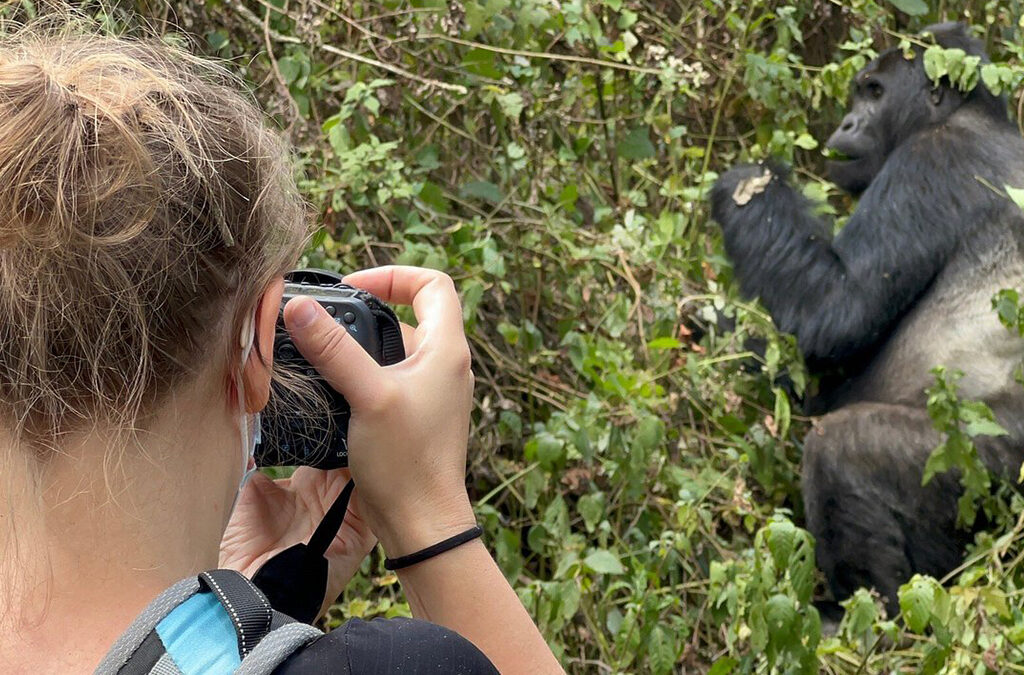
In East Africa, if you’re not trekking in Uganda or the Democratic Republic of Congo, then Rwanda is most likely your destination. This small yet stunning country is one of the few in the world where mountain gorillas roam freely, and Volcanoes National Park is their most famous home. While some may argue that treks in Uganda or the DRC are more physically demanding, Rwanda’s gorilla treks are far from easy. The trails, though shorter and less grueling, still present uphill challenges and uneven terrain, making preparation essential.
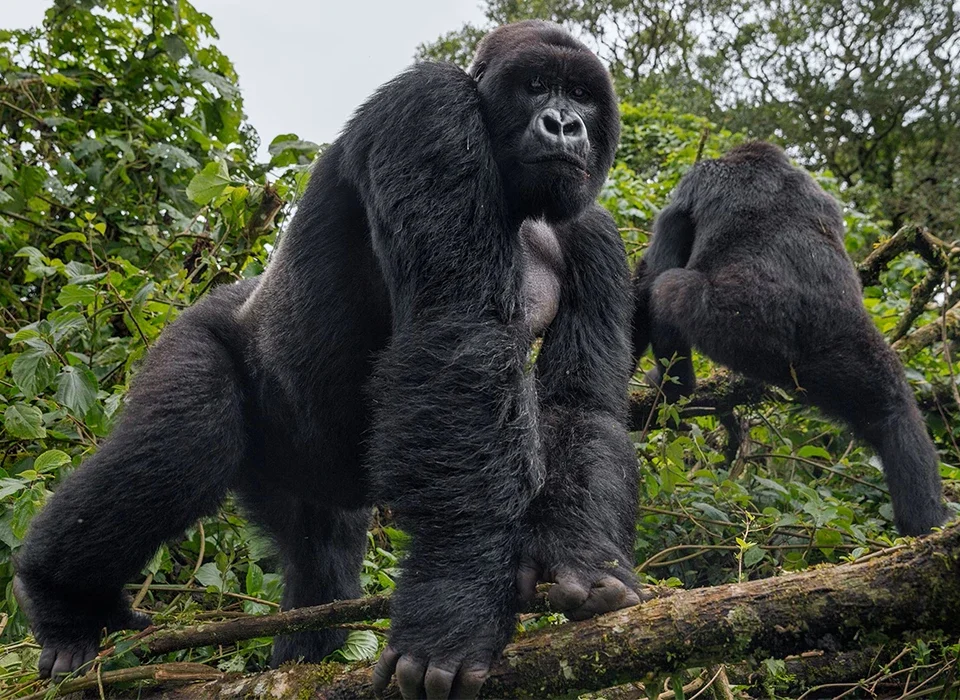
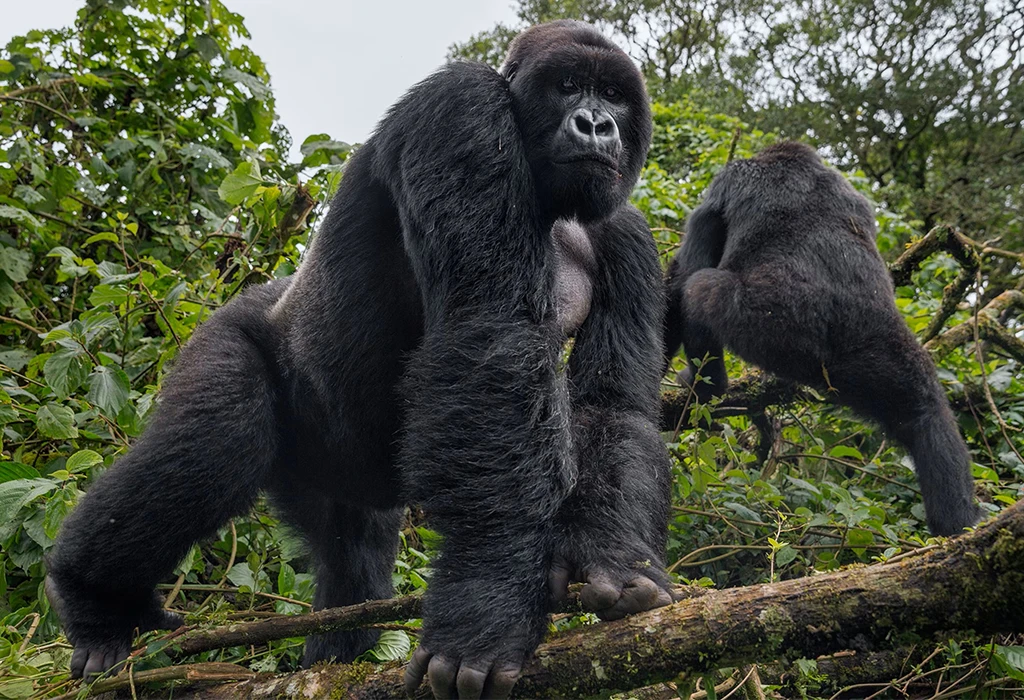
Mountain gorilla trekking is a once-in-a-lifetime experience, but it comes with responsibilities. The gorillas are gentle giants, yet they are wild animals, and their habitat is fragile. To fully enjoy this extraordinary encounter while staying safe, trekkers must take several key precautions.
Prepare Your Body and Mind
The first step to a safe and enjoyable trek is ensuring you are physically ready. Gorilla trekking can be physically demanding, even on Rwanda’s comparatively easier trails. Before embarking on the adventure, take time to assess your fitness. If you have any health concerns, consult your doctor well in advance. Cardiovascular endurance, leg strength, and general stamina will help you navigate the steep trails and muddy forest paths comfortably.
Equally important is mental preparation. Trekking in dense forests, sometimes at high altitudes, requires patience, focus, and calmness. Anticipate long walks, unpredictable weather, and sudden changes in the trail. Being mentally ready will help you handle the challenges gracefully and enjoy the experience without unnecessary stress.
Secure Your Gorilla Trekking Permits
Rwanda has only one park for mountain gorilla trekking—Volcanoes National Park—and it attracts visitors from all over the world. To visit, you must obtain a gorilla trekking permit through the Rwanda Development Board (RDB). These permits are limited and highly sought after, so it is essential to secure yours at least two to three months in advance. Following the rules and regulations associated with these permits is crucial not only for your safety but also for the protection of the gorillas and their habitat.
Maintain a Safe Distance
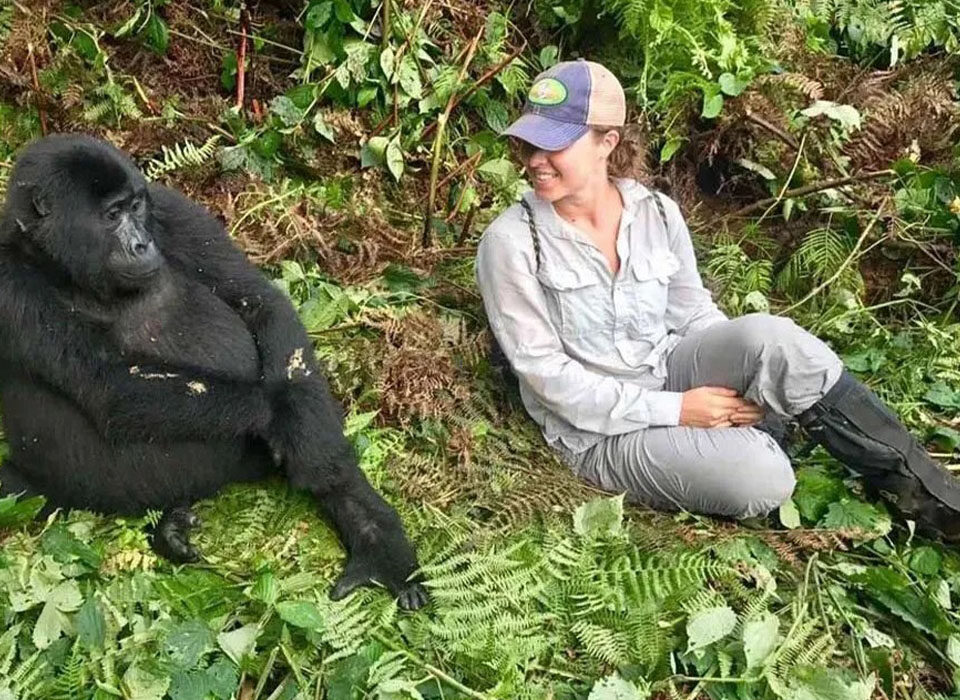
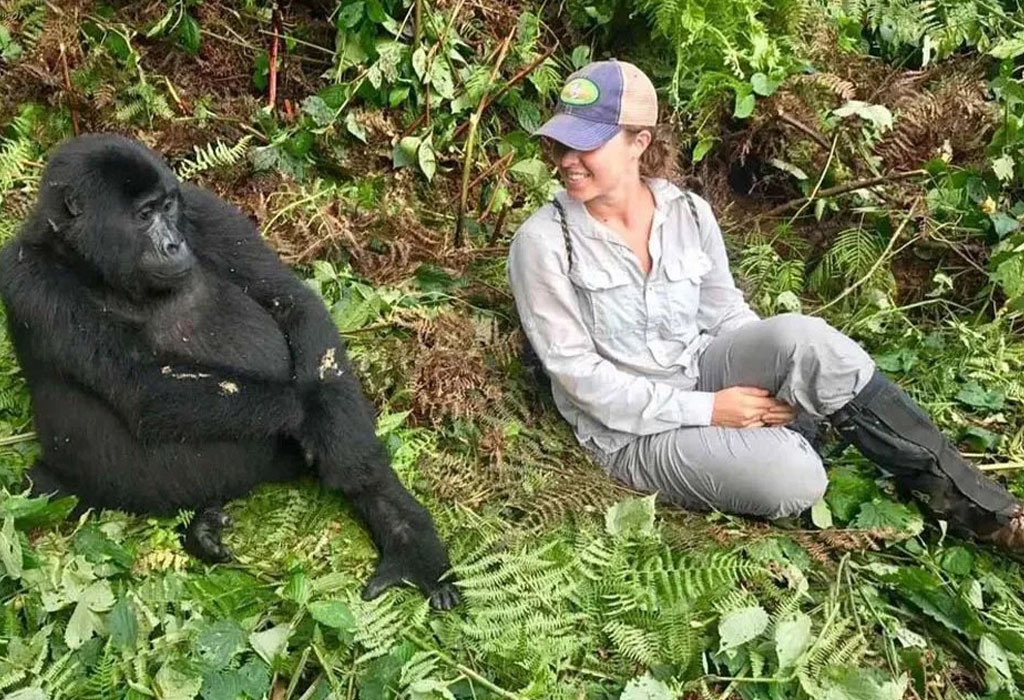
Once you enter the forest, remember that you are a visitor in the gorillas’ world. Maintaining a safe distance is paramount. Keep at least seven meters between yourself and the gorillas. This distance protects you from potential harm and ensures the gorillas remain undisturbed.
Avoid sudden movements or loud noises, as these can startle the gorillas. Walk calmly, move slowly, and allow the animals to observe you without feeling threatened. Remember, this is their home, and your behavior must reflect respect and caution.
Follow Proper Etiquette Around Gorillas
Touching, feeding, or interacting physically with gorillas is strictly prohibited. Such actions can harm the animals and disrupt their natural behaviors. Similarly, refrain from using flash photography or loud videography. The bright flashes can frighten the gorillas and stress the group.
Eating, smoking, coughing, or sneezing in front of the gorillas is also discouraged. Even seemingly harmless actions like these can expose them to human diseases, which they are highly susceptible to.
Stay on the Trail
The forest trails are designed to guide trekkers safely through the park while protecting the ecosystem. Straying from the designated paths can lead to injury, disorientation, or accidental damage to the environment. Pay attention to your surroundings, including steep slopes, uneven ground, or hidden obstacles, and proceed with caution.
Pace Yourself
It’s tempting to rush toward the gorillas when you hear them nearby, but trekking at an abnormal pace can lead to fatigue, injuries, or accidents. Keep a steady, sustainable pace that matches your abilities. Hydrate regularly and bring energy-boosting snacks to maintain stamina throughout the trek. Sun protection is also essential; wear a hat, sunglasses, and apply sunscreen, especially during longer treks.
Stick With Your Group and Guide
Never wander off on your own. Your trekking guide knows the trails, the gorilla families, and the forest hazards. Staying with your group and guide ensures your safety and allows for a richer, more informative experience. Listen carefully to their instructions, follow their lead, and ask questions if you are unsure about anything.
Report Incidents and Stay Alert
Even with careful planning, unexpected situations may arise. If you experience any incidents, feel unwell, or notice potential hazards, report them immediately to your guide. Remaining alert throughout the trek helps prevent accidents and ensures that both you and the gorillas remain safe.
Respect Local Communities
Mountain gorilla trekking often brings visitors close to local communities surrounding Volcanoes National Park. Respecting their traditions, privacy, and culture is part of being a responsible traveler. Ask permission before photographing people, avoid disruptive behavior, and support local initiatives when possible. Your respect helps maintain harmony between tourism and local life.
Enjoy the Experience
Above all, take time to appreciate the incredible experience. Seeing mountain gorillas in their natural habitat is a privilege few people ever get. Enjoy the forest, the sounds of wildlife, and the remarkable opportunity to witness these magnificent creatures up close. The trek may be challenging, but the reward is unforgettable.
Mountain gorilla trekking in Rwanda offers a unique chance to connect with nature on an intimate level. By preparing physically and mentally, following safety precautions, and respecting both the wildlife and local communities, you ensure not only your safety but also the continued protection of these endangered animals. With careful planning and mindful behavior, your trek will be safe, inspiring, and absolutely life-changing.