Frequently Asked Questions About Lake Mburo National Park
January 22, 2026
Essential Mountain Gorilla Trekking Safety Precautions in Rwanda
January 22, 2026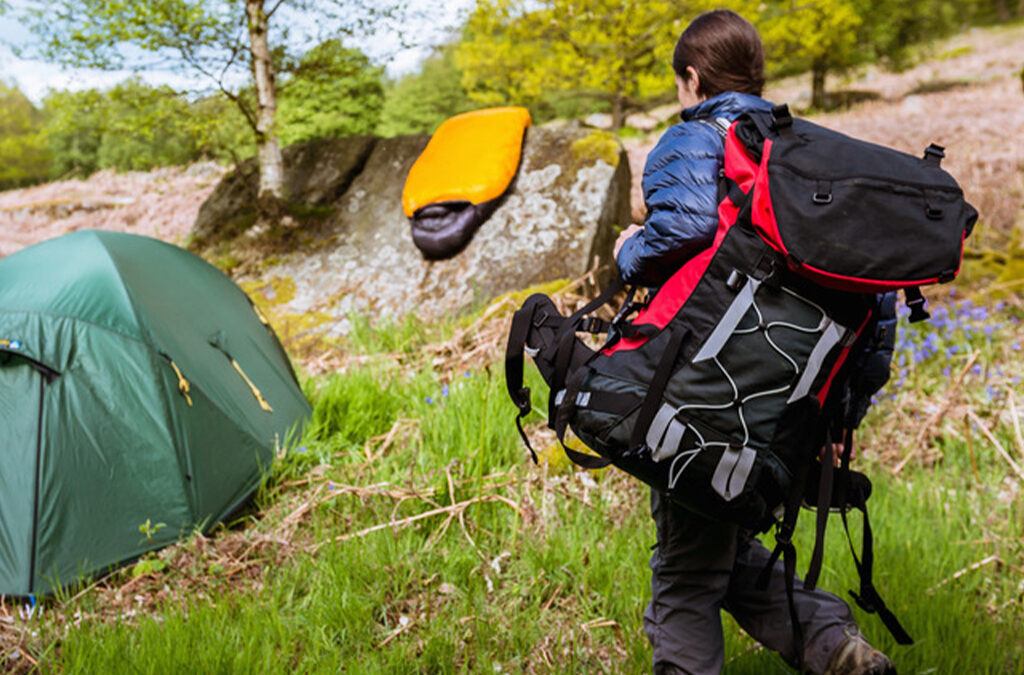
Few experiences compare to stepping into the heart of nature. For me, hiking and backpacking aren’t just hobbies they’re a way of life. They reconnect you with yourself, strip away the noise of daily life, and reveal a world that moves at its own pace.
Though hiking and backpacking share similarities, there are key differences worth knowing before you lace up your boots. Think of it this way: all backpacking is hiking, but not all hiking is backpacking. Let’s dive deeper.
What Is Hiking?
Hiking is the art of exploring the world on foot. Typically, it involves following a trail through a forest, park, or natural area. These trails often wind through dirt, roots, and rocks, giving you an authentic outdoor experience.
Unlike walking in town or on paved paths, hiking immerses you in the sights, sounds, and smells of nature. When you go hiking, your goal is usually to reach a specific destination or simply enjoy a set distance or time before returning to civilization the same day. This is often called day-hiking.
On a day hike, you carry only what you need: water, snacks, a map, and perhaps a small first-aid kit. Distances vary widely what’s a short stroll for one hiker might be a 20-mile challenge for another. And in the hiking community, there’s a saying: “Hike Your Own Hike” (HYOH). It reminds us that every step, no matter the distance, is worth celebrating.
What Is Backpacking?
Backpacking takes hiking a step further. It’s essentially hiking with everything you need for multi-day survival strapped to your back. Unlike a day hike, backpacking requires planning for overnight stays, carrying food, shelter, and water with you as you trek deeper into the wilderness.
Backpacking allows you to travel farther, exploring areas inaccessible to day hikers. Some adventurers even attempt thru-hiking, covering entire long-distance trails over weeks or months. Whether it’s a weekend in the woods or a multi-week adventure, backpacking offers a sense of freedom and independence that few activities can match.
The Key Difference: Hiking vs. Backpacking
The primary distinction lies in duration and self-sufficiency. Hiking generally ends where it began your car, home, or nearby accommodations. Backpacking, however, requires carrying all necessities for overnight stays in the wild. This difference influences everything from gear selection to trail choice.
Gear Selection: Light, Smart, and Efficient
Because backpackers carry everything, gear must be lightweight and compact. Unlike car camping tents, backpacking tents are smaller and designed to save space. While a car camping tent might let you stand inside, a backpacking tent prioritizes weight and portability over comfort.
Backpacks themselves differ as well. Daypacks are small and ideal for shorter hikes, often without hip belts. Backpacking packs distribute weight to your hips and legs, making multi-day treks more manageable.
Water, food, and sleeping gear also vary. On a day hike, a water bottle and a sandwich might suffice. On a backpacking trip, you may carry water bladders, freeze-dried meals, and a compact sleeping pad all designed to minimize weight without sacrificing comfort.
Trail Selection: Where the Adventure Happens
Hiking trails can be almost anywhere there’s public green space. Backpacking trails, however, are distinct they offer overnight camping spots accessible only on foot. Some parks allow dispersed camping, while others have designated backcountry sites that may require reservations.
Backpacking trails can be loops, allowing you to start and finish at the same spot, or out-and-back routes, where you retrace your steps. Either way, these trails let you venture deeper into nature and escape the pull of everyday life.
Why You Should Hike or Backpack
Health Benefits
Few things refresh the body and mind like a hike in nature. Physically, hiking strengthens muscles and bones, reduces arthritis pain, and lowers the risk of heart disease and stroke. Mentally, it relieves stress, fosters calm, and helps you reconnect with the world around you.
Building Confidence and Independence
Backpacking takes it further, instilling a profound sense of self-reliance. Carrying your essentials and navigating the wilderness fosters confidence and a connection to our ancestral roots. It’s empowering to survive and thrive using your knowledge, skills, and instincts alone.
Adventure and Fun
Backpacking offers Type II fun challenging in the moment but immensely rewarding in retrospect. Completing a long trail, exploring remote terrain, or simply spending a night under the stars leaves you with memories you’ll treasure forever.
Where to Go with Experiya Tour Company
With hiking and backpacking, the world is your playground. You can explore waterfalls, mountain vistas, serene lakes, or forests blanketed in snow. Each season brings a new experience: fragrant blooms in spring, vibrant foliage in fall, or silent, snowy landscapes in winter.
Experiya Tour Company can help you find the best trails for your adventure. Whether you’re seeking beginner-friendly day hikes or multi-day backpacking journeys, we offer expert guidance, tips, and curated itineraries to make your outdoor experiences unforgettable.
Final Thoughts
Hiking and backpacking aren’t just activities they’re pathways to discovering the best parts of yourself. Whether it’s a peaceful day hike or an epic backpacking adventure, Experiya Tour Company encourages everyone to step outside, breathe in the fresh air, and embrace the wild.