
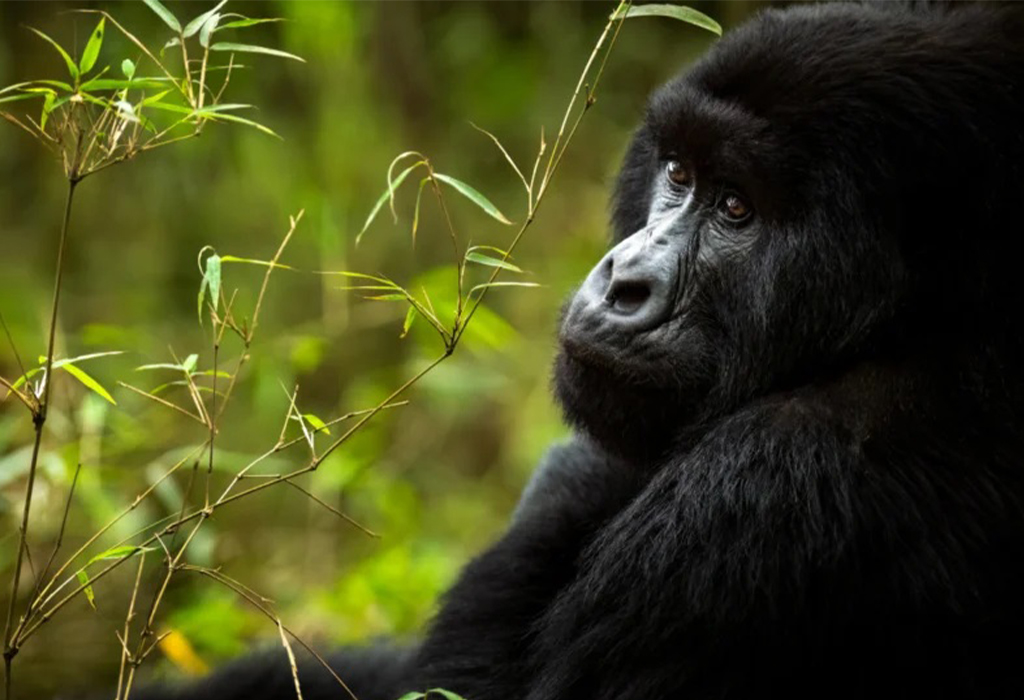
Why Uganda Is a Primate Lover’s Paradise
January 20, 2026
Why Sunset Boat Safaris in Rwanda Are Special
January 20, 2026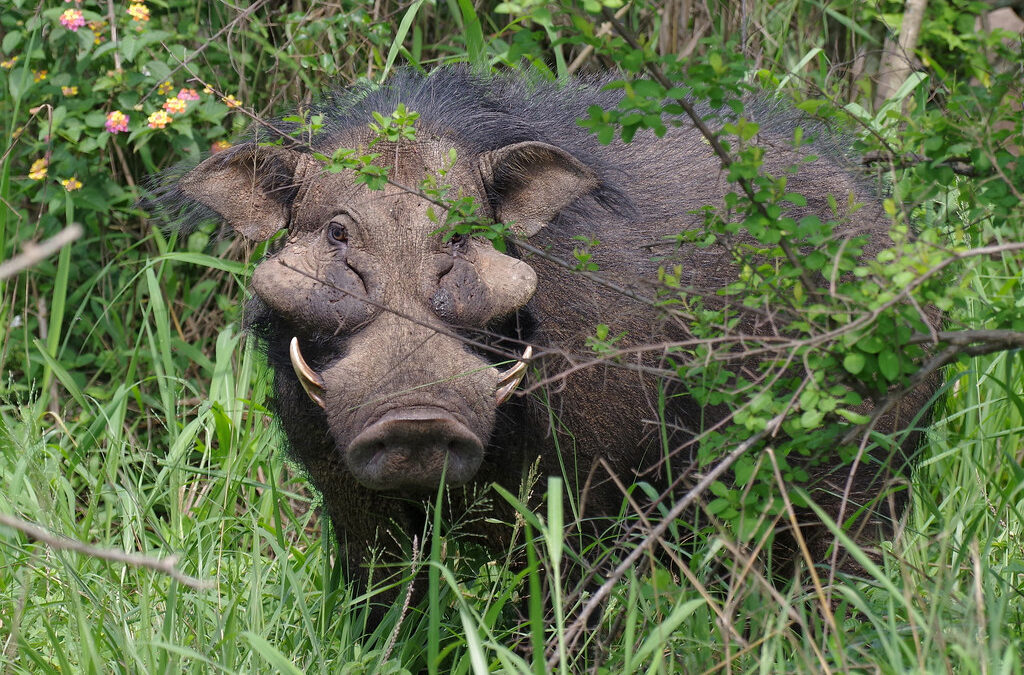
Uganda is world-renowned for gorilla trekking and classic savanna safaris, but its wildlife treasures go far beyond these iconic experiences. The country is also a sanctuary for many rare and elusive mammals. These animals inhabit forests, wetlands, and mountain regions, often avoiding human contact and living in small, fragile populations. Experiya Tour Company provides travelers with the opportunity to explore these unique ecosystems where rare species still thrive in the wild.
Why Rare Mammals Matter
Rare mammals play a crucial role in maintaining healthy ecosystems. They control insect populations, balance vegetation, and support complex food chains. When these species decline, ecosystems risk becoming unstable. Recognizing this, Uganda has established national parks and reserves to protect these invaluable animals. By choosing responsible tourism with Experiya Tour Company, travelers actively contribute to ongoing conservation efforts, ensuring these mammals continue to survive for generations to come.
African Golden Cat – Uganda’s Secretive Forest Predator
One of Uganda’s most mysterious mammals is the African golden cat. It primarily inhabits dense forests such as Bwindi Impenetrable Forest and Kibale Forest. This nocturnal predator is incredibly shy, making sightings rare. However, its presence signals a healthy forest ecosystem. By guiding visitors through carefully planned forest safaris, Experiya Tour Company allows travelers to observe these magnificent cats without disturbing their natural behaviors. Exploring these forests with knowledgeable guides enhances the chance of glimpsing this elusive species while appreciating the delicate balance of forest life.
Pangolins – Nature’s Armored Treasure
Another remarkable, yet often overlooked mammal in Uganda is the tree pangolin. Nocturnal and shy, pangolins feed mainly on ants and termites. Unfortunately, they face significant threats from illegal wildlife trade. Fortunately, Uganda’s conservation programs focus on protecting their habitats and enforcing laws against poaching. Experiya Tour Company incorporates pangolin awareness into its safaris, educating visitors on the importance of protecting this unique species. Witnessing a pangolin in its natural habitat is not just a rare treat—it is also an opportunity to connect with the urgent work of wildlife conservation.
Giant Forest Hog – The Hidden Giant of Uganda
The giant forest hog, Africa’s largest wild pig, prefers remote forests and swampy areas in western Uganda. Despite its impressive size, it is rarely seen due to its preference for secluded habitats. Seeing this massive yet gentle creature in the wild is an unforgettable safari highlight. Experiya Tour Company takes travelers to regions where sightings are possible, offering a thrilling glimpse into the secretive lives of these forest giants.
Sitatunga Antelope – Swamp Specialist
Uganda’s wetlands are home to the elusive sitatunga antelope. Adapted to life in marshes and swamps, the sitatunga has long, splayed hooves that allow it to navigate muddy terrain effortlessly. Thick vegetation often conceals this species, making encounters rare. Protecting wetland habitats is critical for the sitatunga’s survival. Experiya Tour Company includes specialized wetland-based safaris, allowing visitors to explore these fragile ecosystems while learning how conservation efforts safeguard both wildlife and water resources.
Mountain Mammals – Life in the Rwenzori Highlands
The Rwenzori Mountains, also known as the “Mountains of the Moon,” host unique mammal species found nowhere else in Uganda. One of these is the Rwenzori duiker, a small antelope that inhabits high-altitude forests and alpine zones. The rugged terrain and remote location make it exceptionally difficult to spot. Protecting these mountain ecosystems is vital, not only for the duiker but for countless other specialized species. Experiya Tour Company offers nature-focused safaris in the Rwenzori region, giving travelers the chance to witness mountain wildlife while immersing themselves in breathtaking landscapes.
Spotted-Necked Otter – Uganda’s River Guardian
Rivers and lakes across Uganda are home to the spotted-necked otter. These playful creatures rely on clean, undisturbed water systems and feed primarily on fish. Unfortunately, pollution and habitat disturbance threaten their survival. Spotting a spotted-necked otter in the wild is a rare and exciting experience. Through sustainable travel practices, Experiya Tour Company supports freshwater conservation, allowing travelers to enjoy these habitats responsibly while contributing to environmental protection.
Best Places to See Rare Mammals in Uganda
Uganda’s protected areas are carefully managed to preserve rare mammals. Forests such as Bwindi and Kibale safeguard elusive forest dwellers, while wetlands and lakes support aquatic species. National parks like Queen Elizabeth and Murchison Falls provide essential habitats for a variety of mammals. While sightings can never be guaranteed, the reward lies in exploring these diverse ecosystems and learning about the interconnected web of life. Experiya Tour Company designs itineraries that cover multiple habitats, ensuring travelers experience the full richness of Uganda’s wildlife.
Responsible Travel – Making a Difference
Responsible travel is essential for the survival of Uganda’s rare mammals. Visitors must respect park rules, stay on designated trails, and avoid disturbing wildlife. Experienced guides from Experiya Tour Company ensure that every encounter is safe, ethical, and educational. By choosing responsible tourism, travelers actively participate in conservation efforts, helping protect the country’s unique species and habitats for future generations.
A Deeper Safari Experience
Learning about rare mammals adds depth and meaning to any safari. These animals are not only fascinating in their own right—they also represent Uganda’s rich biodiversity and the success of conservation programs. Traveling with Experiya Tour Company allows visitors to engage with these habitats in a meaningful way, combining adventure with education and environmental stewardship. The result is a safari experience that is both unforgettable and transformative, leaving travelers with a deeper appreciation for Uganda’s natural wonders.
