Experience Gorilla Trekking with Experiya Tour Company
January 20, 2026
Rare Mammals Found in Uganda
January 20, 2026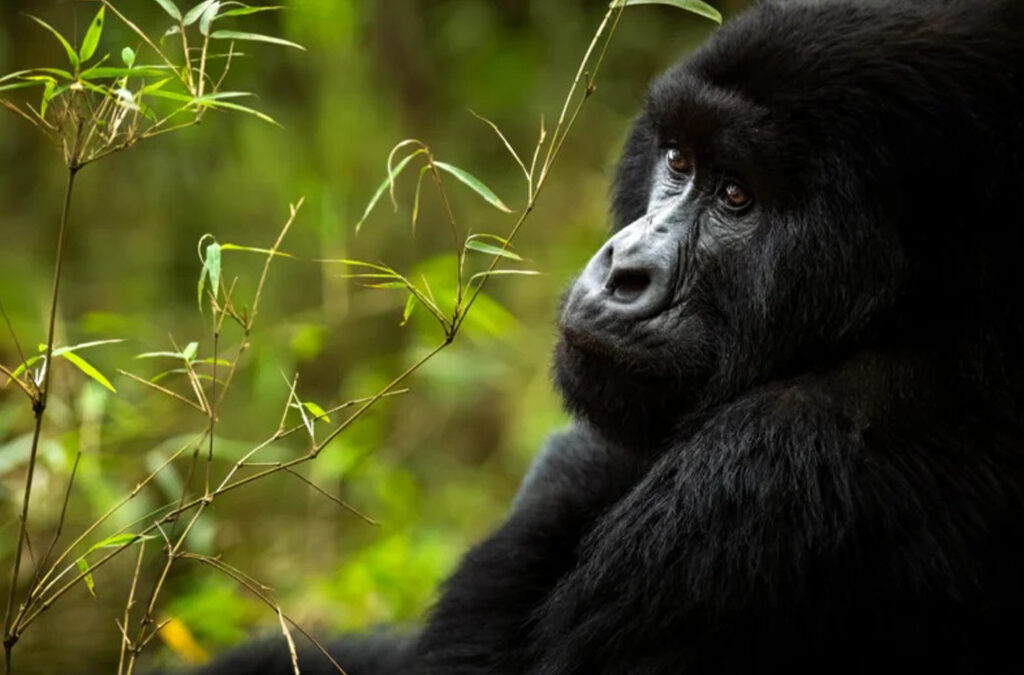
Uganda is often described as the Pearl of Africa, and for primate lovers, that title feels especially fitting. Few destinations on the continent offer such an exceptional concentration of primate species within landscapes that are both diverse and breathtaking. From mist-draped mountain forests to lush riverine woodlands, Uganda provides the perfect stage for unforgettable primate encounters.
More importantly, every trek feels personal, every sighting meaningful, and every moment deeply connected to nature. Unlike many wildlife destinations, Uganda delivers experiences that feel intimate rather than crowded, allowing visitors to truly immerse themselves in the forest environment.
What truly sets Uganda apart, however, is not only the number of primates it hosts, but also the way these encounters are managed. Tourism here is ethical, conservation-driven, and carefully regulated. As a result, visitors can connect respectfully with some of our closest relatives in the animal kingdom while supporting their long-term protection.
Home to Nearly Half of the World’s Mountain Gorillas
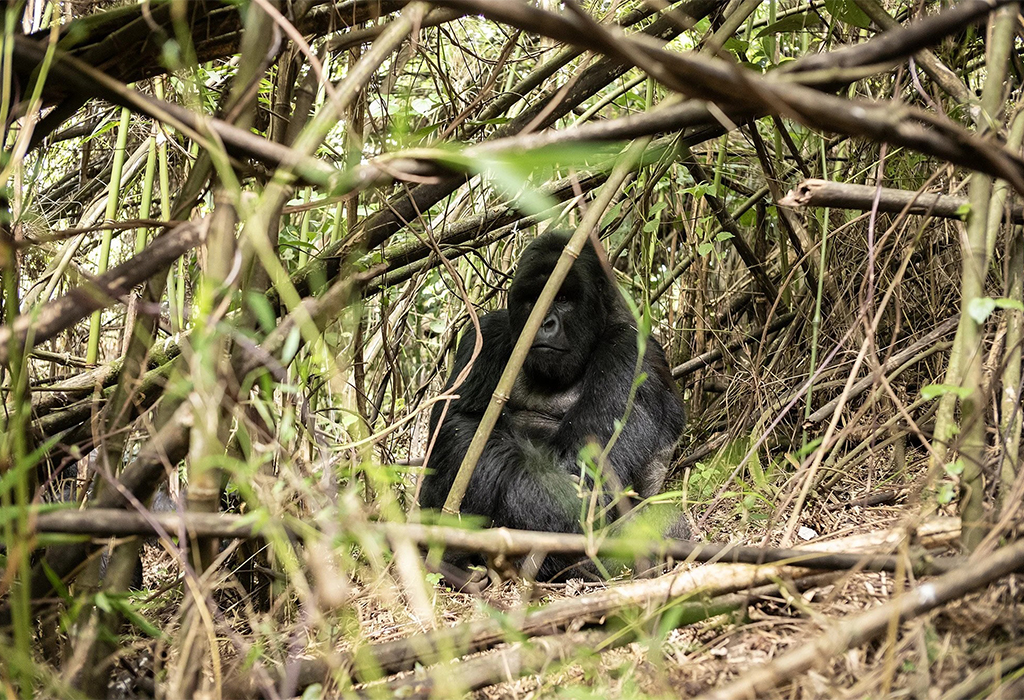
One of Uganda’s greatest wildlife treasures is the endangered mountain gorilla. Remarkably, the country protects nearly half of the world’s remaining population, making it one of the most important destinations on Earth for gorilla conservation and responsible tourism.
These gentle giants are found primarily in Bwindi Impenetrable National Park and Mgahinga Gorilla National Park. Both areas offer ancient forests with dense vegetation, abundant food sources, and stable environments where gorilla families can thrive.
Gorilla trekking in Uganda is a carefully controlled and deeply moving experience. Only a limited number of visitors are allowed to track each gorilla group per day, and time spent with the animals is strictly regulated. Consequently, the encounter feels exclusive and profoundly immersive. Standing just meters away from a powerful silverback or watching young gorillas play among the vines is a moment that stays with travelers long after they leave the forest.
Exceptional Chimpanzee Tracking Experiences
Beyond gorillas, Uganda is also one of Africa’s premier destinations for chimpanzee tracking. The country is home to thousands of wild chimpanzees, and sightings are both frequent and dynamic.
Kibale Forest National Park is widely regarded as the top location for chimpanzee encounters. Thanks to one of the highest chimpanzee densities in Africa, tracking success rates here are excellent. Chimpanzees in Kibale are energetic and vocal, often seen swinging through the canopy, grooming one another, or calling loudly across the forest.
In addition to Kibale, Budongo Forest and Kyambura Gorge offer very different yet equally rewarding experiences. Budongo’s towering mahogany trees create a classic rainforest atmosphere, while Kyambura’s dramatic sunken gorge adds a sense of adventure and contrast. Together, these locations provide diverse perspectives on chimpanzee behavior and habitat.
Rare and Unique Primate Species
Uganda’s appeal extends far beyond gorillas and chimpanzees. In fact, the country is home to over 20 primate species, making it the most primate-diverse destination in East Africa.
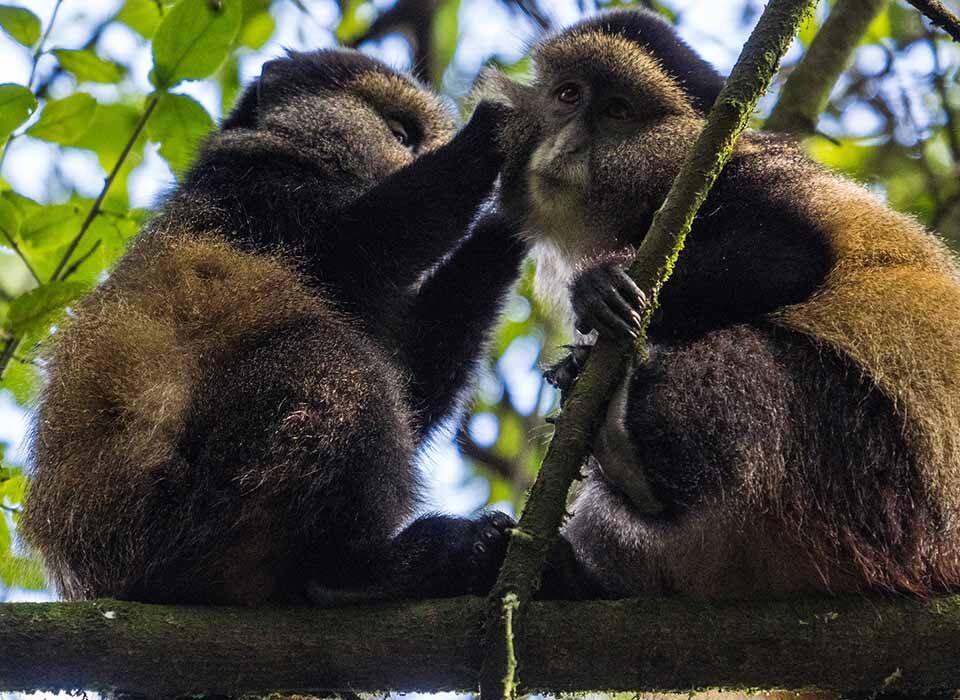
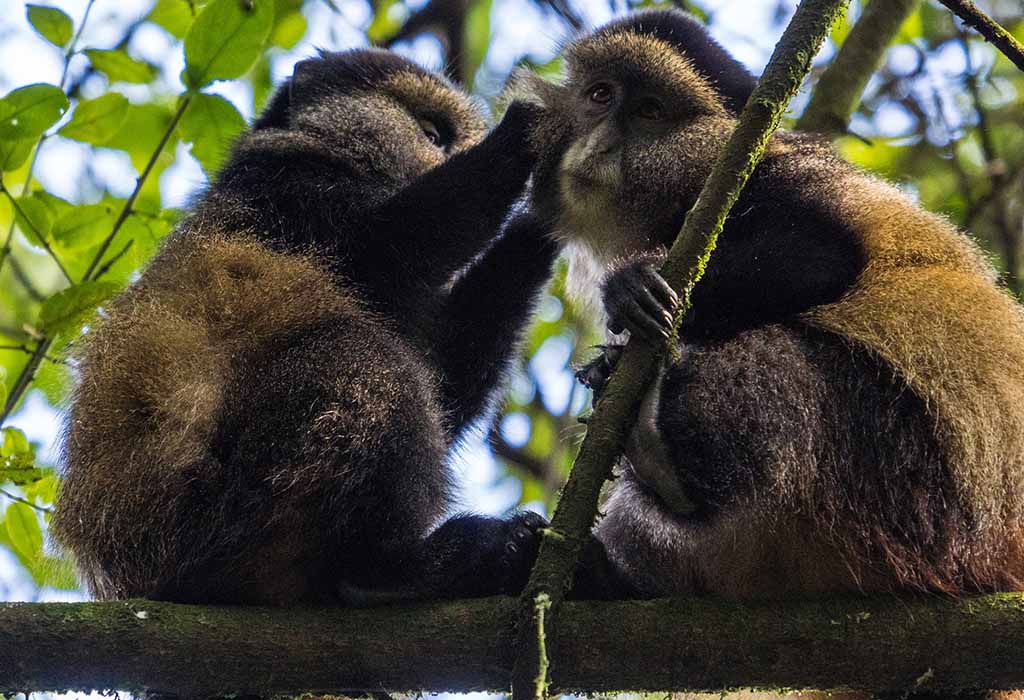
Among the highlights are golden monkeys, found in the bamboo forests of Mgahinga, as well as L’Hoest’s monkeys, red-tailed monkeys, blue monkeys, and the striking black-and-white colobus monkeys. Some of these species are rare or difficult to observe elsewhere in the region.
Because of this extraordinary diversity, even a short forest walk can be incredibly rewarding. Every trail holds the possibility of a new sighting, whether it is a troop moving gracefully through the trees or a solitary monkey observing quietly from above.
Primate Habitats Across Diverse Landscapes
Another remarkable feature of Uganda is the sheer variety of landscapes that support its primates. Montane forests, lowland rainforests, swampy riverbanks, and woodland edges all provide suitable habitats for different species.
As a result, trekking experiences are visually rich and constantly changing. One day you may hike through cool, misty high-altitude forests, while the next you walk beneath towering fig trees in a tropical lowland jungle. In many itineraries, travelers can even transition from dense rainforest to open savanna within a single journey, adding depth and contrast to the overall experience.
Year-Round Primate Viewing Opportunities
Unlike many wildlife destinations that rely heavily on seasonal migrations, primate tracking in Uganda is possible throughout the year. Forest environments offer natural shelter and stable food sources, which helps maintain consistent sightings even during the rainy months.
That said, the drier seasons generally make hiking easier and trails less slippery. However, travelers who visit during the wetter months often enjoy quieter forests, richer greenery, and fewer crowds. With proper planning, rewarding primate encounters are achievable at any time of year.
Strong Conservation and Community Involvement
Uganda’s success as a primate destination is closely linked to its strong conservation framework. Revenue generated from tourism plays a vital role in protecting forests, funding research, and supporting wildlife authorities.
Equally important is the involvement of local communities. Many residents benefit directly from tourism through employment opportunities, community projects, and revenue-sharing programs. This connection fosters a strong sense of ownership and pride, ensuring that primates and their habitats are protected for future generations.
As a result, visitors can travel with confidence, knowing their presence contributes positively to conservation efforts and local livelihoods.
Educational and Meaningful Experiences
Primate tracking in Uganda is not just about seeing animals; it is also about understanding them. Knowledgeable guides share valuable insights into primate behavior, social structures, communication, and conservation challenges.
Learning why chimpanzees vocalize so frequently, how gorilla families are organized, or what threats primates face in the wild adds depth to every encounter. Consequently, each trek becomes a meaningful experience that leaves travelers more informed and more connected to the natural world.
Incredible Photography Opportunities
For photographers, Uganda offers outstanding opportunities to capture primates in their natural environment. Dense forests create dramatic lighting, textured backgrounds, and intimate compositions. Close—but always respectful—encounters allow for emotional and authentic images.
With patience, photographers are often rewarded with powerful moments: an intense gaze from a gorilla, playful chimpanzees in motion, or monkeys silhouetted against filtered forest light. Even amateur photographers return home with memorable shots.
A Destination That Truly Celebrates Primates
Ultimately, Uganda stands as one of the world’s most rewarding destinations for primate lovers. Its unmatched diversity, ethical wildlife encounters, strong conservation efforts, and breathtaking landscapes combine to create experiences that are both inspiring and life-changing.
For those seeking more than just a safari—for those who desire connection, understanding, and genuine moments in nature—Uganda offers something truly special. Every forest walk tells a story, every encounter leaves an impression, and every journey deepens appreciation for the primates that share our world.