
Why Mountain Gorillas and Chimpanzees Don’t Coexist
January 19, 2026
Why Paraa Safari Lodge is the premier in Murchison Falls
January 19, 2026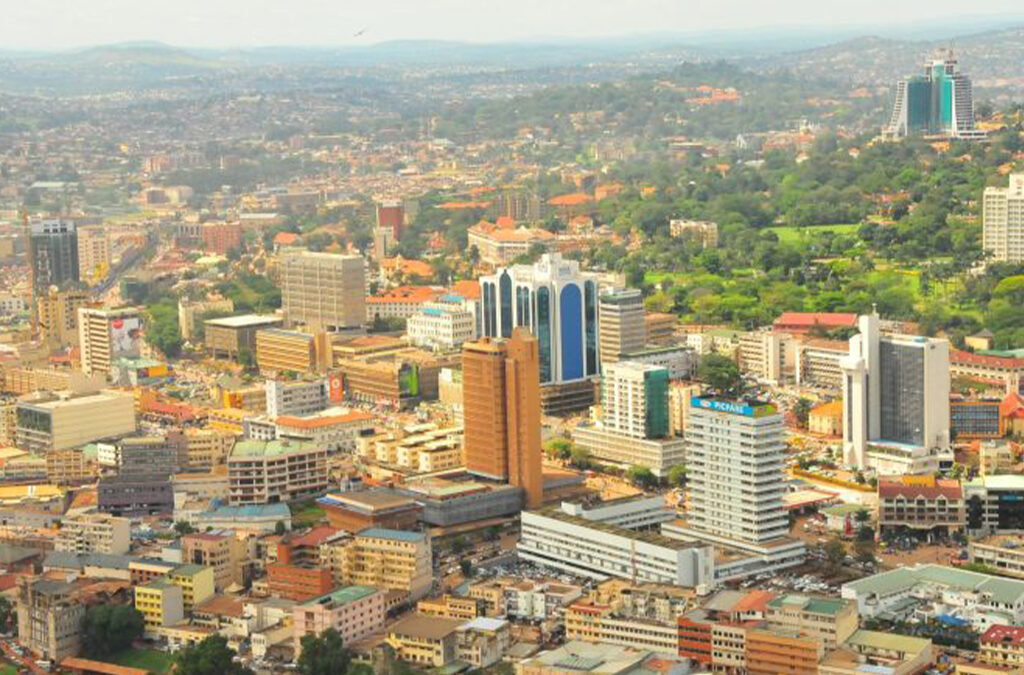
Kampala, the bustling capital of Uganda, is a city full of history, culture, and vibrant energy. Often referred to as “the city of seven hills,” it has grown into Uganda’s largest city, home to over 1.6 million people. Its name, derived from the Buganda word “k’empala,” means “the hill of impala,” a nod to the antelopes that once roamed its hills. Beyond being the political and economic hub of the country, Kampala offers a wealth of fascinating experiences, making it a must-visit destination for travelers. Let’s explore some of the most interesting and fun aspects of this remarkable city.
Kampala: Uganda’s Heart and Capital
As Uganda’s capital, Kampala serves as the administrative, cultural, and economic center of the country. Tourists are drawn here not only to experience the city’s lively urban culture but also to access some of Uganda’s most iconic attractions.
For instance, the Uganda National Museum offers a deep dive into the country’s rich cultural heritage, while the Uganda Martyrs Shrine holds historical and religious significance. Families and wildlife enthusiasts can also enjoy the Uganda Wildlife Education Center, a safe and educational place to observe Uganda’s diverse fauna.
Moreover, Kampala’s bustling markets, modern shopping centers, upscale restaurants, and cultural landmarks make it a hub of activity and discovery. At every corner, the city blends tradition with modernity, providing endless opportunities for exploration.
A City of Seven Hills
Kampala’s nickname, “the city of seven hills,” reflects its unique geography. Each hill carries its own historical and cultural significance, contributing to the city’s rich tapestry of stories. Notable hills include:
-
Makerere Hill: Home to the prestigious Makerere University
-
Nakasero Hill: Known for upscale hotels and government offices
-
Kibuli Hill: Famous for its Islamic heritage
-
Lubaga Hill: Hosting the grand Lubaga Cathedral
-
Namirembe Hill: Home to Namirembe Cathedral
-
Mengo Hill: Seat of the Buganda Kingdom’s leadership
-
Old Kampala Hill: Showcasing the city’s historical transformation
Together, these hills shape Kampala’s character, combining scenic beauty with historical depth. Walking through the city, one can feel the seamless interplay between past and present in every neighborhood.
Kampala’s Fascinating History
Kampala’s history stretches back centuries. Long before it became Uganda’s capital, the area served as the heart of the Buganda Kingdom, a powerful regional kingdom. The kingdom played a pivotal role in shaping Uganda’s political, social, and cultural landscape, and its influence is still evident today.
From architecture and street names to daily traditions, Kampala’s historical legacy offers visitors a tangible connection to Uganda’s past, making every exploration more meaningful.
Makerere University: A Hub of Learning
Kampala is also home to Makerere University, one of Africa’s oldest and most prestigious institutions of higher learning. Founded in 1922, it has earned a reputation as a leading center for education and research, attracting scholars from across Africa and beyond.
Over the decades, Makerere University has produced many of Uganda’s notable leaders, thinkers, writers, and innovators, shaping the nation’s intellectual and political landscape. Visitors can explore the historic campus, where academic tradition meets vibrant student life, offering a fascinating stop for anyone interested in Uganda’s educational heritage.
A City of Commerce and Industry
Beyond culture and history, Kampala is a major economic engine for Uganda. The city ranks as the country’s second-largest industrial center, contributing significantly to national revenue. Numerous factories and businesses operate here, producing goods ranging from coffee, tea, and sugar to cotton, tobacco, and processed foods.
These industries provide employment opportunities and fuel entrepreneurship, making Kampala a bustling center of trade and commerce. Whether strolling through local markets or observing industrial hubs, visitors can witness the city’s dynamic economic life firsthand.
Climate and Seasons
Kampala enjoys a mild, tropical climate, which adds to its charm. The city experiences two distinct seasons:
-
Dry season: June to September and mid-December to February
-
Rainy season: March to May
This moderate climate makes Kampala enjoyable year-round. The lush greenery and occasional showers enhance the city’s scenic beauty, making every stroll memorable, whether through historic streets or the surrounding hills.
Diverse Culture and Vibrant Life
One of Kampala’s most captivating aspects is its cultural diversity. The city attracts people from all over Uganda and beyond, creating a melting pot of languages, traditions, and lifestyles.
From traditional music and dance performances to modern art galleries and contemporary music festivals, Kampala offers a wide range of cultural experiences. Residents and visitors celebrate this diversity through culinary delights, religious practices, and community events, making the city a lively and dynamic metropolis.
Tourism Highlights and Landmarks
Kampala has attractions for every type of traveler.
-
History enthusiasts can visit the Kasubi Tombs, a UNESCO World Heritage Site and the burial grounds for Buganda kings.
-
Nature lovers can enjoy the serene gardens of the Uganda National Mosque or the verdant hills surrounding the city.
-
Spiritual experiences await at the Baha’i Temple, Namirembe Cathedral, and Lubaga Cathedral, showcasing Uganda’s religious diversity.
-
Market explorers can wander through Owino Market and Nakasero Market, discovering fresh produce, crafts, and unique souvenirs.
Safety and Awareness
While Kampala is full of energy and charm, visitors should exercise caution. Some areas have higher crime rates, and petty theft, such as pickpocketing or vehicle vandalism, can occur. By remaining aware, safeguarding personal belongings, and avoiding poorly lit areas at night, tourists can enjoy Kampala safely and without unnecessary stress.
Experiya Tour Company: Your Gateway to Kampala
For travelers looking to explore Kampala and beyond, Experiya Tour Company offers expertly curated city and safari tours. With local knowledge and experience, they ensure journeys are safe, seamless, and memorable. Whether trekking through national parks, climbing Kampala’s seven hills, or visiting historical and cultural landmarks, Experiya Tour Company provides enriching experiences that bring Uganda to life.
Conclusion
Kampala is more than Uganda’s capital—it is a city where history, culture, and modern life intersect. From its seven iconic hills and rich historical legacy to bustling markets, prestigious universities, and a diverse population, Kampala offers endless opportunities for exploration and adventure. Its mild climate, vibrant commerce, and wealth of attractions make it a dynamic destination for every type of traveler. With guidance from experts like Experiya Tour Company, visitors can uncover Kampala’s hidden gems and enjoy a truly unforgettable Ugandan adventure.