
Why You Ought to Arrange a Trip to Lake Bunyonyi
January 19, 2026
Discover Fort Portal’s Enchanting Crater Lakes: Uganda’s Hidden Treasure
January 19, 2026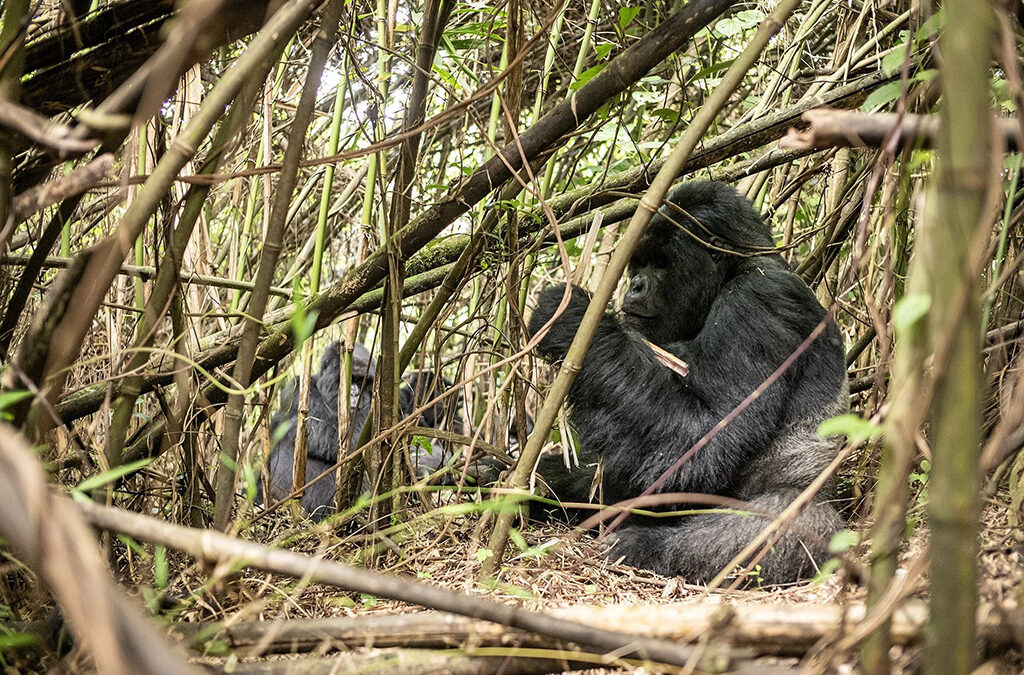
Silverback gorillas are among the most iconic wildlife species found in Rwanda, particularly in Volcanoes National Park. These powerful primates play a vital role in the survival and stability of gorilla families, making them fascinating to observe and important to protect.
What Is a Silverback Gorilla?
A silverback is an adult male gorilla, usually over 12 years old, named for the distinctive patch of silver or gray hair that develops across his back as he matures. Before reaching this stage, younger males are known as blackbacks and are typically sexually mature by the age of 10 or 11, though they have not yet gained full dominance.
As they age, silverbacks develop large canines and impressive physical strength, which help establish authority within the group.
The Role of a Silverback in the Troop
Silverbacks are the unquestioned leaders of their troops. Each silverback usually leads a group of 5 to 30 gorillas and serves as the central figure in daily life. He makes all major decisions, including when and where the group moves, feeds, and rests.
In addition, the silverback mediates conflicts within the group, protects members from threats, and ensures the overall safety and well-being of the troop. His presence creates stability, especially for females and young gorillas who depend on his protection.
Life After Leaving the Family Group
As male gorillas approach 11 years of age, they slowly begin to leave their natal group. At this stage, they may travel alone or form small bachelor groups with other males. This period can last between two and five years.
Eventually, once strong and confident enough, a male may attract females, form his own troop, and begin breeding. While infant gorillas usually stay close to their mothers for the first three to four years, silverbacks often step in to care for weaned or orphaned young when necessary.
How Silverbacks Defend Their Troops
When threatened, silverbacks rely on powerful displays to intimidate rivals or predators. They may scream, beat their chests, snap branches, bare their teeth, and charge forward. These dramatic displays usually prevent physical confrontation.
However, leadership can change. Occasionally, a younger male within the group may challenge and replace an aging silverback. If a silverback dies due to illness, accidents, fighting, or poaching, the group often breaks apart as members search for protection elsewhere. In rare cases, another male may take over the entire group, although this situation carries the risk of infanticide.
Major Threats Facing Mountain Gorillas
Despite their strength, mountain gorillas face serious threats most of them caused by human activity. Habitat loss remains the most significant challenge. As human populations grow, forests are increasingly cleared for agriculture, leading to deforestation and shrinking gorilla habitats.
As a result, people often enter gorilla forests to collect water and firewood. Unfortunately, this increases the risk of disease transmission between humans and gorillas. In addition, snares set for bushmeat can accidentally trap and injure gorillas.
Human–Gorilla Conflict
Gorillas do not always remain within protected forest boundaries. At times, they venture onto nearby farmland to feed on crops such as maize and bananas. While this behavior is natural, it can lead to conflict with local communities who depend on these crops for their livelihoods.
The Impact of Gorilla Tourism
Gorilla tourism plays an important role in conservation, but it must be carefully managed. When poorly controlled, tourism can disrupt gorilla behavior and expose them to human illnesses. Responsible tourism practices are therefore essential to ensure that gorilla tracking benefits conservation without harming these endangered animals.