How Do Gorillas Sleep? A Fascinating Look into the Lives of These Gentle Giants
January 13, 2026
Can Children Participate in Game Drives?
January 13, 2026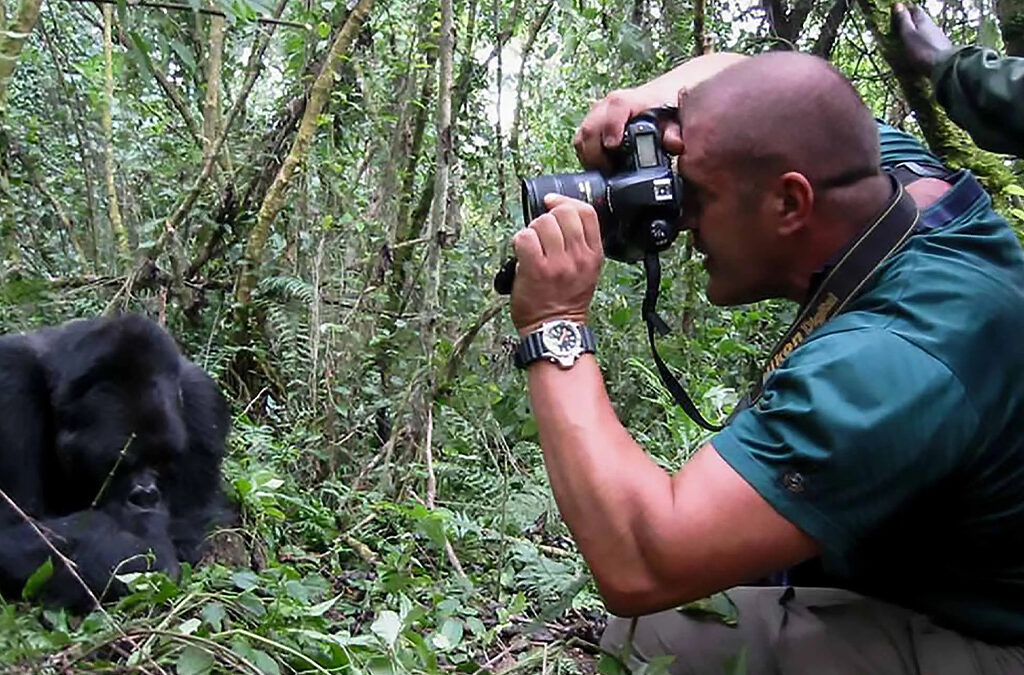
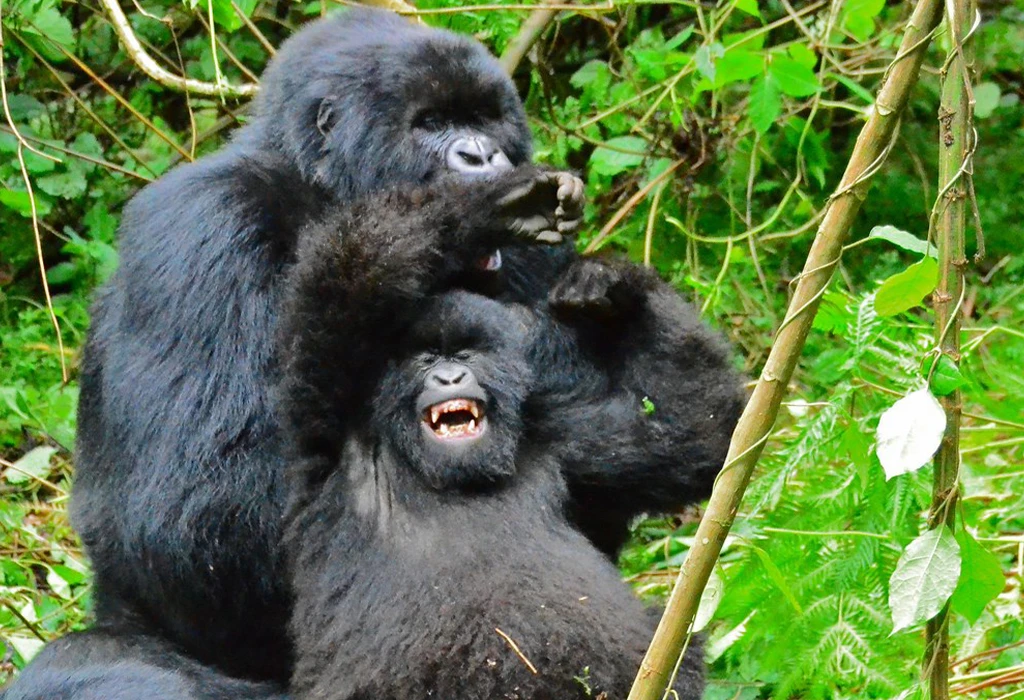
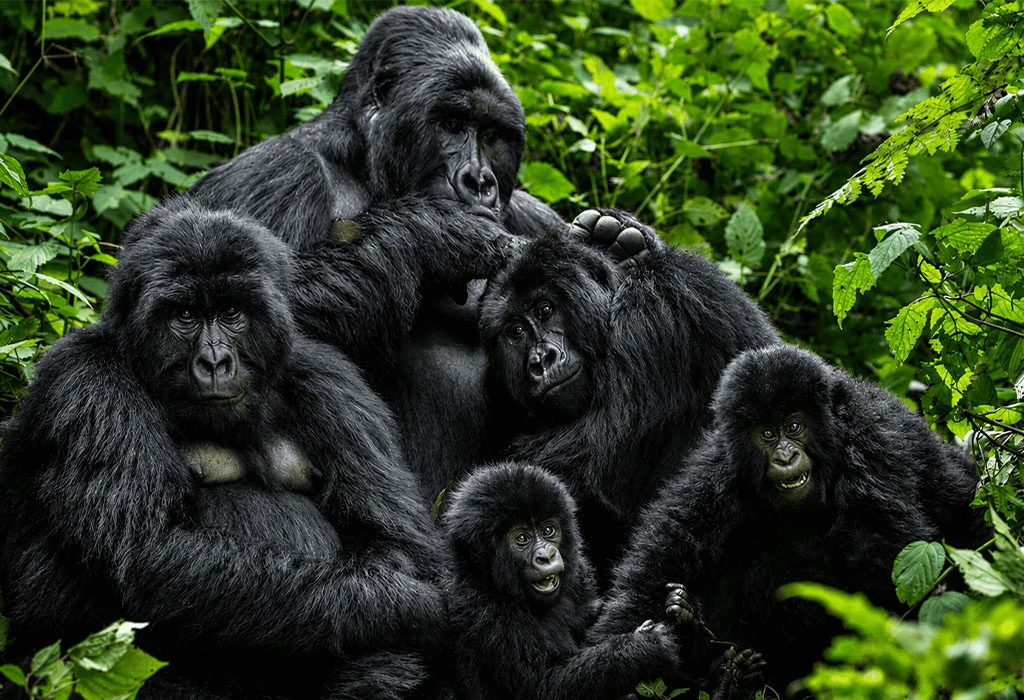
If you’re planning a once-in-a-lifetime wildlife adventure in East Africa, gorilla trekking in Rwanda is at the top of every traveler’s list. Volcanoes National Park is home to majestic mountain gorillas, and witnessing these gentle giants in their natural habitat is an unforgettable experience.
Before you embark on this thrilling trek, you might ask one common question: Can I use a flash camera during Rwanda gorilla trekking? The answer is a clear no. Authorities in both Rwanda and Uganda strictly prohibit flash photography to protect the gorillas, reduce their stress, and prevent sudden reactions to bright lights.
During your trek, expert rangers guide visitors through the forest and enforce rules to ensure both your safety and the gorillas’ well-being. Beyond gorilla trekking, Rwanda offers breathtaking landscapes, cultural tours, and diverse wildlife, and many travelers combine their Rwanda adventure with Uganda gorilla trekking for a richer experience.
Understanding the rules and photography guidelines is essential for a successful and responsible gorilla trekking safari. Here’s everything you need to know.
Why Flash Cameras Are Banned
Understanding Gorilla Sensitivity
Mountain gorillas are critically endangered, and every visitor plays a role in their protection. Sudden bursts of light from a camera flash can frighten or agitate them, disrupting their natural behavior. This not only stresses the animals but can also create dangerous situations for tourists.
To protect these primates, trekkers must turn off camera flashes and follow the guidelines provided by park rangers. This rule applies during every gorilla trekking experience in Rwanda and Uganda. By following it, you’re helping ensure that these gentle giants continue to thrive in the wild.
The cost of your gorilla trekking permit contributes directly to gorilla conservation, community development, and anti-poaching efforts. For photographers, this means planning ahead with equipment suitable for low-light conditions, so you can still capture amazing images without disturbing the gorillas.
How to Capture Stunning Photos Without a Flash
Even without flash, you can take incredible photos during your gorilla trekking adventure. Here are some tips:
- Use high ISO settings to let your camera sensor capture more light in dim forest conditions.
- Choose wide apertures to allow more light into your lens, helping create sharp and well-lit images.
- Opt for fast shutter speeds to freeze motion without blur.
- Be patient and quiet, allowing the gorillas’ natural behavior to unfold without interference.
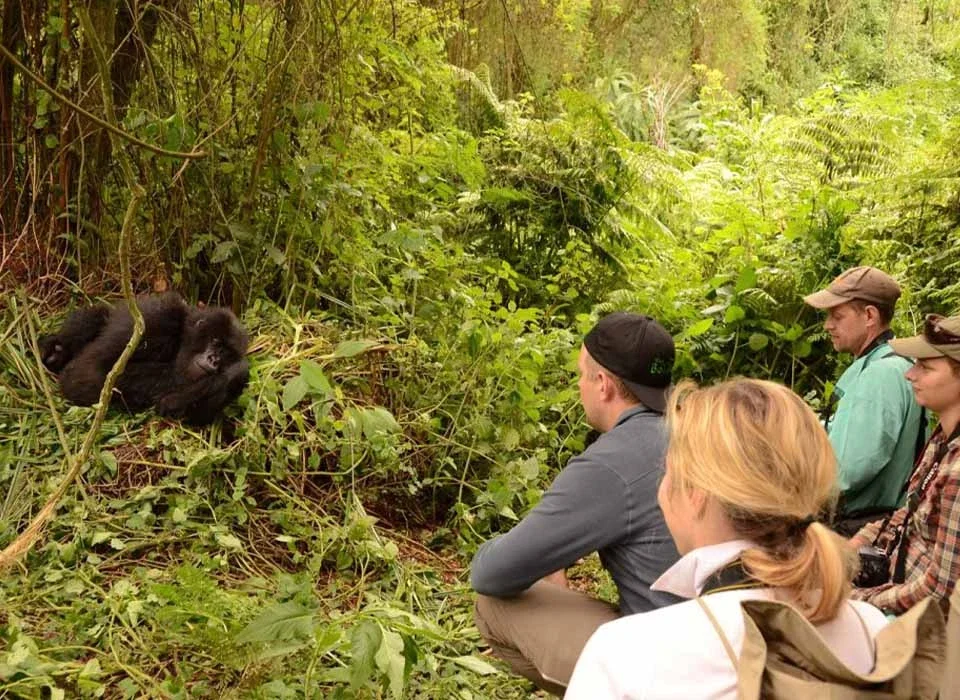
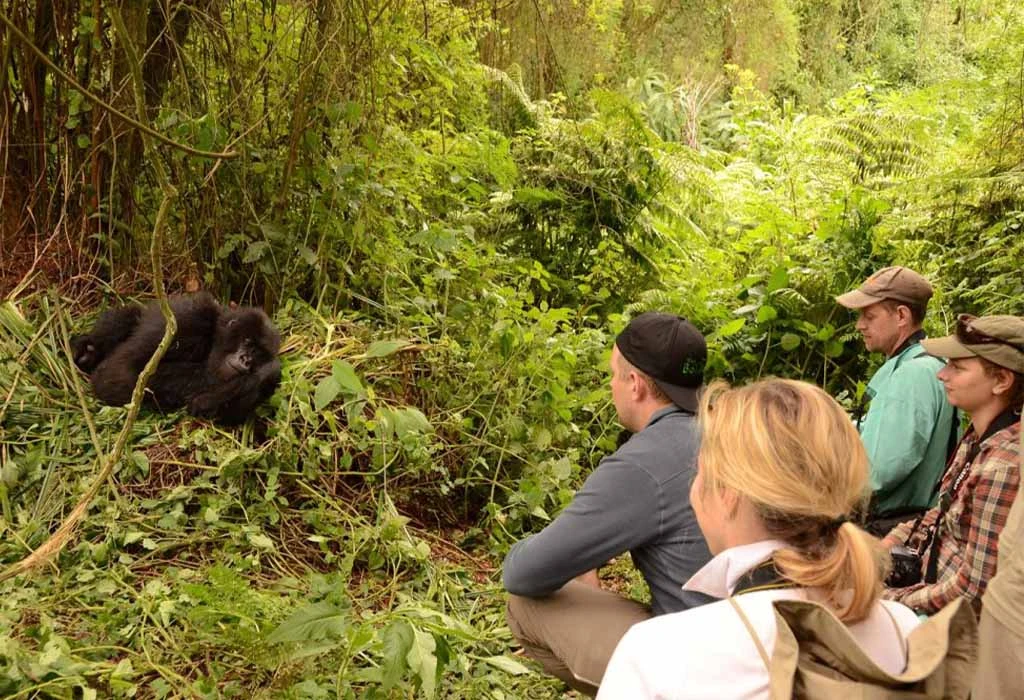
Trekkers typically spend up to one hour with a gorilla family. Your guides will help position you safely, maintaining the mandatory 7-meter distance while giving you the best vantage points for photos.
For those seeking an even deeper experience, the gorilla habituation experience in Uganda allows up to four hours with semi-habituated gorillas providing extended opportunities for photography, again without using flash.
Respecting Local Culture During Your Trek
Gorilla trekking is not the only remarkable experience in Rwanda. Cultural interactions offer a chance to connect with local communities, learn about traditions, and contribute to sustainable tourism.
For example, visiting the Iby’Iwacu Cultural Village near Volcanoes National Park lets you experience traditional dances, crafts, and village life. Photography should always remain respectful whether you’re capturing wildlife or people.
Combining wildlife trekking with cultural tours enhances your understanding of Rwanda’s rich history and post-genocide transformation, creating a journey that is as meaningful as it is beautiful.
Expand Your Safari Beyond Gorillas
Rwanda and Uganda are home to an incredible variety of wildlife beyond gorillas. Akagera National Park in Rwanda and Queen Elizabeth National Park in Uganda feature lions, elephants, zebras, hippos, and countless bird species.
Other must-do activities include chimpanzee tracking in Nyungwe Forest (Rwanda) or Kibale Forest (Uganda). Uganda also offers immersive experiences like the gorilla habituation trek, where you witness how rangers gradually acclimate gorilla families to human presence.
Whether hiking the Virunga Volcanoes, canoeing on Lake Bunyonyi, or taking a serene Nile boat cruise, your African safari can be as diverse as it is unforgettable. And the best part? You don’t need flash to enjoy and capture every extraordinary moment.
Conclusion: Responsible Tourism for an Unforgettable Experience
In summary, flash cameras are not allowed during gorilla trekking in Rwanda, and this rule exists to protect these endangered primates. With careful preparation, the right camera gear, and ethical practices, you can still capture breathtaking photos and create lifelong memories.
A responsible safari goes beyond wildlife observation. By respecting park rules, supporting local communities, and embracing the cultural and natural richness of the region, your journey becomes more meaningful.
Gorilla trekking is more than a safari it’s an opportunity to connect with nature, culture, and the spirit of East Africa. Understanding rules like the ban on flash photography ensures that your adventure remains safe, sustainable, and truly unforgettable.