Tarangire National Park: The Soul of Tanzania’s Wild
January 13, 2026
How Do Gorillas Sleep? A Fascinating Look into the Lives of These Gentle Giants
January 13, 2026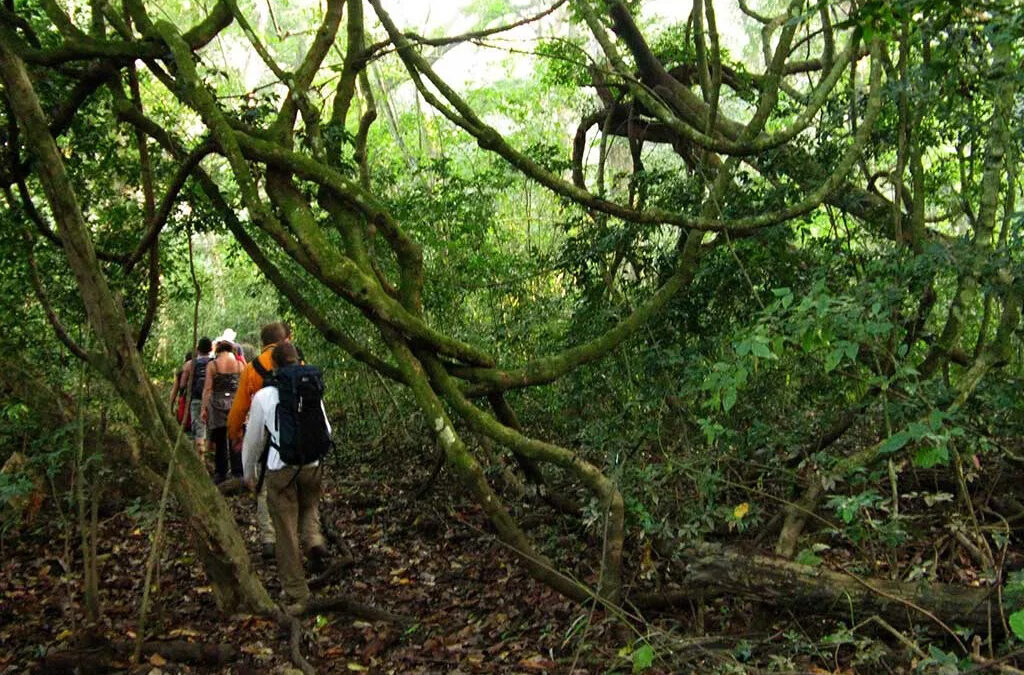
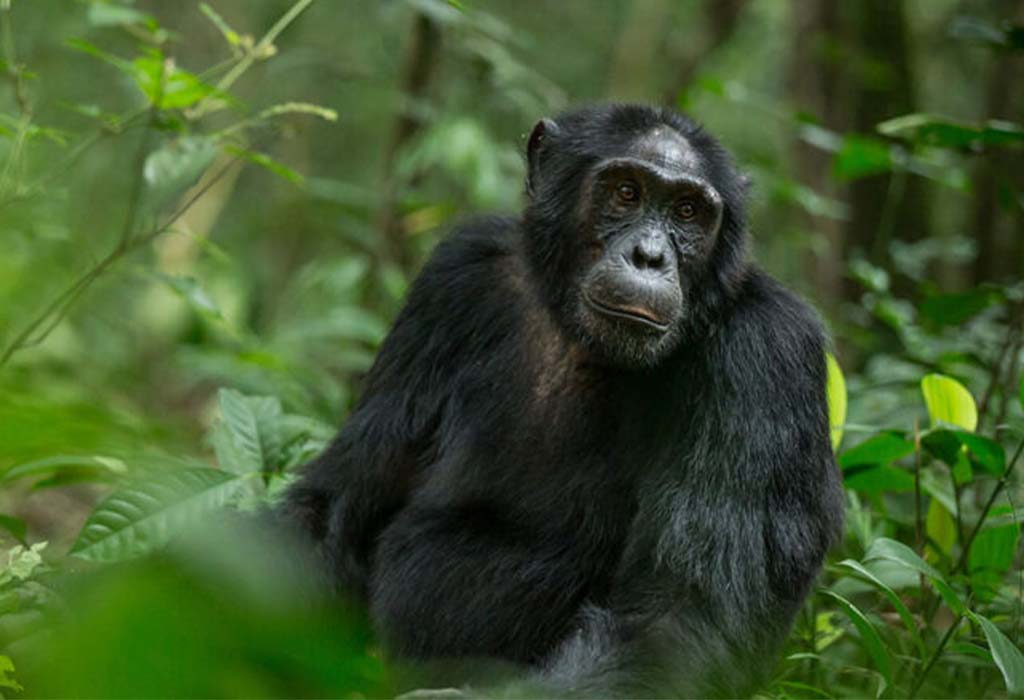
Are you searching for an unforgettable chimpanzee trekking experience near Queen Elizabeth National Park? Uganda offers two exceptional destinations for observing these intelligent primates in their natural habitat: Kyambura Gorge and Kalinzu Forest Reserve.
Both locations allow visitors to track habituated chimpanzee communities, yet each delivers a distinctly different experience. Ultimately, your decision depends on what you value most convenience, scenery, biodiversity, or the highest possible chance of seeing chimpanzees.
This in-depth guide compares Kyambura Gorge and Kalinzu Forest across location, trekking success rates, forest environment, wildlife diversity, experience duration, and permit costs, helping you confidently choose the perfect primate adventure.
Location and Accessibility
Kyambura Gorge – Right Inside Queen Elizabeth National Park
Kyambura Gorge lies directly within the eastern sector of Queen Elizabeth National Park, making it exceptionally convenient for travelers already exploring the park. Once inside the park, no additional transfers are required to reach the trekking starting point.
Because of this prime location, chimpanzee trekking can easily be combined with morning or afternoon game drives on the same day. For travelers with limited time, this seamless integration makes Kyambura Gorge a practical and time-efficient option.
Kalinzu Forest – A Scenic Detour Worth the Effort
Kalinzu Forest Reserve is located approximately 45 kilometers southeast of Queen Elizabeth National Park. The drive takes about one hour and winds through rolling hills, tea plantations, and traditional rural villages.
Although Kalinzu requires extra planning and dedicated travel time, the journey itself is rewarding. Along the way, visitors gain insight into everyday Ugandan life while enjoying scenic countryside views that add depth to the overall safari experience.
Chimpanzee Communities and Trekking Success Rates
Kyambura Gorge – A Smaller, Highly Mobile Community
Kyambura Gorge is home to one habituated chimpanzee community consisting of roughly 30 individuals. Rangers are familiar with the group and can often identify key members, including the dominant alpha male.
However, the gorge’s narrow terrain allows chimpanzees to move quickly and unpredictably. As a result, trekking success rates average between 60 and 70 percent. While sightings are certainly possible, they are not guaranteed, making this option better suited for travelers who value scenery and adventure over certainty.
Kalinzu Forest – Larger Numbers and Higher Success
In contrast, Kalinzu Forest supports a population of more than 300 chimpanzees spread across multiple communities. Approximately 50 individuals are fully habituated for tourism.
Thanks to this larger population and wider forest coverage, trekking success rates range between 90 and 95 percent. Rangers can track active groups more efficiently, making Kalinzu Forest an excellent choice for visitors whose primary goal is seeing chimpanzees in the wild.
Forest Environment and Scenic Appeal
Kyambura Gorge – A Dramatic Rift Valley Wonderland
Kyambura Gorge is a spectacular underground forest carved deep into the floor of the western Rift Valley. Stretching for about two kilometers and plunging up to 100 meters deep, the gorge creates a unique microclimate rich in biodiversity.
Even when chimpanzees remain elusive, the experience is visually rewarding. Towering rock walls, dense vegetation, filtered light, and echoing bird calls combine to create one of Uganda’s most dramatic trekking environments.
Kalinzu Forest – A Classic Tropical Rainforest
Kalinzu Forest covers approximately 147 square kilometers of lush tropical rainforest characterized by rolling terrain and a dense canopy. The forest contains more than 370 tree species, supporting remarkable ecological diversity.
This classic rainforest setting feels immersive and untamed. As trekkers move through different vegetation zones, the environment constantly changes, offering fresh discoveries throughout the walk.
Trekking Experience and Duration
Chimpanzee Trekking in Kyambura Gorge
Trekking in Kyambura Gorge typically lasts between two and four hours, depending on chimpanzee movement. The steep slopes and uneven terrain add a strong sense of adventure to the experience.
Along the way, trekkers may encounter olive baboons, red-tailed monkeys, black-and-white colobus monkeys, and a variety of bird species. Although chimp sightings are less predictable, the compact ecosystem ensures ongoing wildlife encounters throughout the trek.
Chimpanzee Trekking in Kalinzu Forest
Chimpanzee treks in Kalinzu Forest usually last between three and six hours. The longer duration allows trackers to follow chimpanzee calls deeper into the forest, significantly increasing the likelihood of successful sightings.
Beyond chimpanzees, the forest offers frequent encounters with other primates, colorful birds, butterflies, and small mammals. This variety makes the experience rich and engaging from start to finish.
Wildlife Beyond Chimpanzees
Biodiversity in Kyambura Gorge
Kyambura Gorge supports several primate species, including olive baboons, red-tailed monkeys, and black-and-white colobus monkeys. The gorge’s microclimate also attracts numerous forest and migratory bird species.
However, due to its relatively small size, overall biodiversity is more limited when compared to larger forest reserves.
Kalinzu Forest’s Rich Ecosystem
Kalinzu Forest hosts six primate species and more than 370 bird species, alongside countless insects, butterflies, and forest-dwelling mammals.
Because of this ecological richness, Kalinzu is widely regarded as Uganda’s second-best chimpanzee trekking destination after Kibale Forest National Park. It is particularly appealing to birdwatchers and nature enthusiasts seeking a deeper rainforest experience.
Permit Costs and Booking Information
Chimpanzee trekking permits differ slightly between the two destinations. Kyambura Gorge permits cost USD 100 for foreign non-residents, USD 80 for foreign residents, and UGX 50,000 for East African citizens. Kalinzu Forest permits are priced at USD 130 for international visitors.
Advance booking is required for both locations, especially during peak travel seasons from June to October and December to February. Because permits are limited, securing reservations early is strongly recommended.
How to Choose Between Kyambura Gorge and Kalinzu Forest
Kyambura Gorge is ideal for travelers who value easy access within Queen Elizabeth National Park, dramatic Rift Valley scenery, and the ability to combine chimpanzee trekking with game drives in a single day. It also suits those who prefer shorter treks with varied wildlife encounters, even if chimpanzee sightings are less certain.
Kalinzu Forest, on the other hand, is best for travelers who prioritize the highest possible chance of seeing chimpanzees, longer and more immersive forest treks, and richer biodiversity. It delivers a classic tropical rainforest experience that feels deeply wild and rewarding.
Major Things to Do in Queen Elizabeth National Park
Tree-Climbing Lions in the Ishasha Sector
Queen Elizabeth National Park is one of the few places in the world where lions regularly climb trees. In the southern Ishasha sector, these lions rest in large fig trees to escape ground heat and biting insects.
Seeing these powerful predators draped across branches creates one of Africa’s most iconic safari moments and remains a highlight for many visitors.
Kazinga Channel Boat Safari
The Kazinga Channel stretches for 40 kilometers, linking Lake Edward and Lake George. A boat safari along this natural waterway delivers some of the closest and most rewarding wildlife encounters in Uganda.
Large pods of hippos, Nile crocodiles, elephants, and buffalo gather along the shores, while birdlife flourishes. Over 600 bird species have been recorded here, including African fish eagles, pelicans, flamingos, and the elusive shoebill.
Game Drives in the Kasenyi Plains and Mweya Peninsula
The Kasenyi Plains and Mweya Peninsula offer some of the best savanna game viewing in Uganda. These open grasslands support elephants, buffaloes, Uganda kobs, waterbucks, and several antelope species.
Predators such as lions, leopards, spotted hyenas, and jackals patrol the plains, while crater lakes and rolling hills provide a scenic backdrop that enhances every game drive.