

Bwindi Gorilla Trekking Experience: Your Ultimate Guide to Meeting Mountain Gorillas 2026
January 12, 2026
Combining Nyungwe, Volcanoes, and Akagera National Parks
January 12, 2026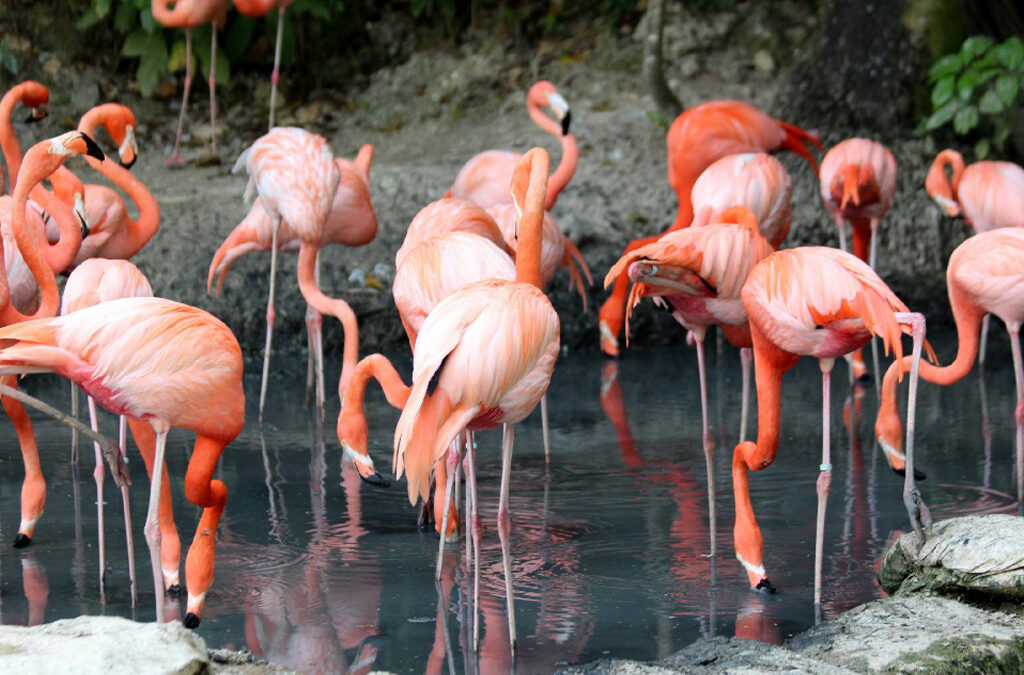
Lake Nakuru National Park is one of Kenya’s most celebrated wildlife destinations, located in the heart of the Great Rift Valley. Renowned for its breathtaking landscapes and exceptional biodiversity, the park has earned international recognition as a UNESCO World Heritage Site. While it supports a wide variety of wildlife, Lake Nakuru National Park is best known for its spectacular flamingo populations, which often transform the lake’s shoreline into a shimmering sea of pink.
Beyond its iconic birds, the park plays a critical role in conservation, particularly in protecting endangered species such as rhinoceroses. As a result, Lake Nakuru remains a must-visit destination for wildlife lovers, birdwatchers, photographers, and nature enthusiasts exploring Kenya.
A Sanctuary at the Heart of the Great Rift Valley
Lake Nakuru National Park lies within the floor of the Great Rift Valley, surrounded by wooded and bushy grasslands, rocky escarpments, and rolling hills. Established in 1961, the park has grown from a small bird sanctuary into one of Kenya’s most important conservation areas.
The alkaline Lake Nakuru sits at the center of the park and serves as the lifeblood of its ecosystem. The lake’s mineral-rich waters support algae and phytoplankton, which in turn attract thousands of birds and other wildlife species. Thanks to its ecological importance, the park contributes significantly to the protection of the Rift Valley’s fragile and unique environment.
World-Famous Flamingos: The Park’s Iconic Attraction
Without a doubt, flamingos are the most famous residents of Lake Nakuru National Park. For decades, these elegant birds have drawn visitors from around the world, eager to witness one of Africa’s most striking natural spectacles.
Flamingos flock to Lake Nakuru to feed on the abundant algae and microscopic organisms found in the lake’s alkaline waters. When conditions are favorable, their numbers can reach hundreds of thousands. As they gather along the shoreline, their pink plumage reflects off the water, creating a stunning visual display that is both dramatic and unforgettable.
Greater and Lesser Flamingos
Lake Nakuru hosts two main species of flamingos: the greater flamingo and the lesser flamingo.
- Greater flamingos are taller and paler, with light pink feathers and black-tipped wings.
- Lesser flamingos are smaller but more vividly colored, displaying deeper pink hues due to their algae-rich diet.
Together, these species create a vibrant mosaic of color along the lake, making Lake Nakuru one of the best places in Africa to observe flamingos up close.
A Paradise for Birdwatchers and Photographers
In addition to flamingos, Lake Nakuru National Park supports over 400 bird species, making it a premier destination for bird enthusiasts. Pelicans, cormorants, African fish eagles, herons, kingfishers, sandgrouse, and storks are commonly seen around the lake and wetlands.
Moreover, the synchronized movements of flamingos whether feeding, taking flight, or resting offer endless opportunities for wildlife photography. The combination of colorful birds, reflective waters, and dramatic Rift Valley backdrops creates a dream setting for photographers seeking iconic images of Kenya.
Remarkable Wildlife Beyond the Birds
Although birds dominate much of the attention, Lake Nakuru National Park also boasts an impressive diversity of terrestrial wildlife. The park’s fenced boundaries provide a safe haven for many species, allowing them to thrive in a protected environment.
Visitors exploring the park can encounter:
- White and black rhinoceroses
- Lions
- Leopards
- Spotted hyenas
- African buffaloes
- Zebras
- Waterbucks
- Hippopotamuses
- Baboons
- African wild dogs (occasionally)
- Rothschild’s giraffes, a rare and endangered subspecies
This variety ensures rewarding game drives, as wildlife sightings remain frequent throughout the year.
A Stronghold for Rhino Conservation
One of the park’s greatest achievements lies in its role as a rhino sanctuary. Lake Nakuru National Park protects both black and white rhinoceroses, species that have faced severe threats from poaching across Africa.
Dedicated park rangers, conservation organizations, and local communities work together to safeguard these animals. Through strict protection measures, habitat management, and continuous monitoring, the park has become one of Kenya’s most reliable locations for observing rhinos in the wild.
This success highlights the park’s broader contribution to wildlife conservation and reinforces its global importance.
UNESCO World Heritage Status and Conservation Significance
Lake Nakuru’s designation as a UNESCO World Heritage Site reflects its outstanding ecological value. The park serves as a critical refuge for endangered species while maintaining the natural balance of the Rift Valley ecosystem.
Importantly, conservation efforts here do more than protect individual animals. They also preserve wetlands, forests, and grasslands that support countless plant and animal species. In doing so, the park contributes to regional biodiversity conservation and long-term environmental sustainability.
Why Lake Nakuru National Park Stands Out
In summary, Lake Nakuru National Park is best known for:
- Its iconic flamingo populations
- Exceptional birdwatching opportunities
- Successful rhinoceros conservation
- Diverse wildlife within a compact area
- Scenic landscapes of the Great Rift Valley
- Its status as a UNESCO World Heritage Site
Whether you are drawn by the pink spectacle of flamingos, the chance to see endangered rhinos, or the peaceful beauty of Rift Valley scenery, Lake Nakuru offers an experience that is both visually stunning and deeply meaningful.
For anyone planning a safari in Kenya, Lake Nakuru National Park remains an essential destination one that perfectly blends natural beauty, wildlife richness, and conservation success.
