
What Makes a Safari Truly Luxurious in Africa?
January 10, 2026
Where to See Spotted Hyenas in Uganda
January 10, 2026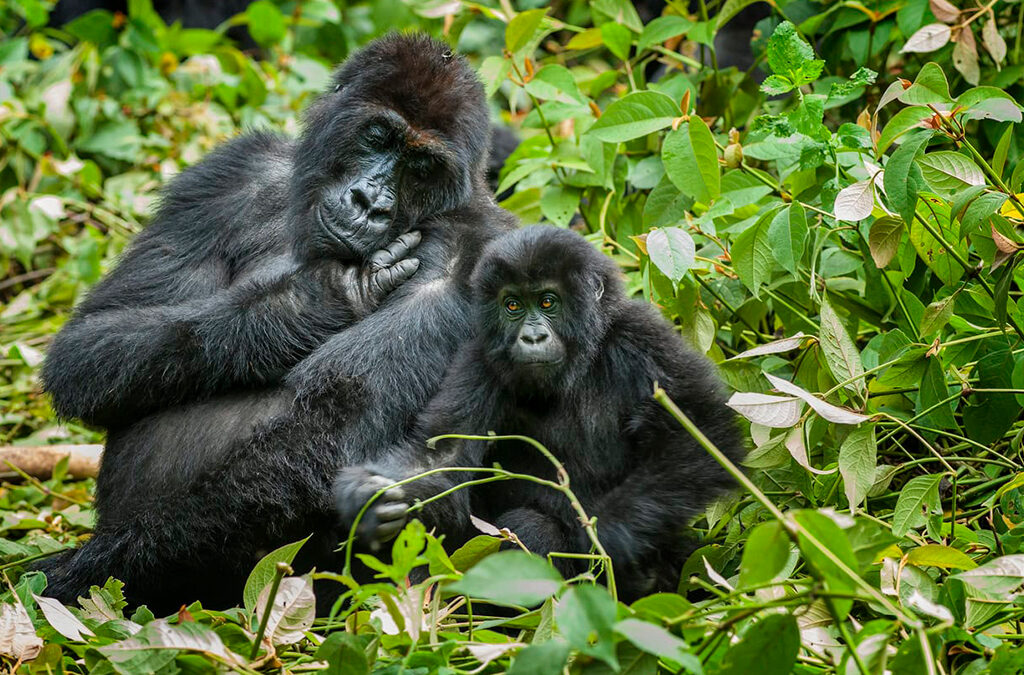
Gorilla trekking is one of Africa’s most powerful wildlife experiences. The moment you stand face-to-face with a mountain gorilla, everything around you falls silent. You feel the strength of the forest, the wisdom in their eyes, and the profound connection that unites humans with nature. Many travelers dream of this moment, but choosing where to go can be challenging. Congo vs Uganda vs Rwanda: Where should you go gorilla trekking? The answer depends on your travel style, your sense of adventure, and the kind of experience you seek.
Uganda, Rwanda, and the Democratic Republic of Congo share the majestic Virunga Mountains and the rare mountain gorillas. Yet, each country offers a unique mix of terrain, comfort, price, safety, and atmosphere. Understanding these differences can help you plan a trek that matches your desires perfectly.
Uganda: Adventure, Diversity, and Heartfelt Encounters
Uganda is often called the Pearl of Africa, and its gorilla trekking experience lives up to that name. Most travelers visit Bwindi Impenetrable National Park, a mysterious, ancient forest that shelters nearly half of the world’s mountain gorilla population.
Trekking in Uganda feels like stepping into a living, breathing world. The rainforest is dense, the air is crisp, and trails wind through vines, roots, and mist. Rangers guide you through the forest while trackers locate gorilla families early in the morning. Depending on the day, your trek can be short or challenging but always rewarding.
Uganda balances adventure with affordability. Gorilla permits are less expensive than in Rwanda, yet the experience remains deeply moving. Beyond gorilla trekking, Uganda offers chimpanzee trekking, wildlife safaris, volcano hikes, and serene lakes, making it ideal for travelers who want variety in their itinerary.
Ugandan hospitality adds warmth to the adventure. Lodges range from budget to luxury, and locals are friendly, eager to share their culture. The journey to Bwindi is long but scenic, passing rolling hills, crater lakes, and vibrant villages. For many, the journey becomes part of the story, not just the destination.
Rwanda: Luxury, Ease, and Refined Wildlife Encounters
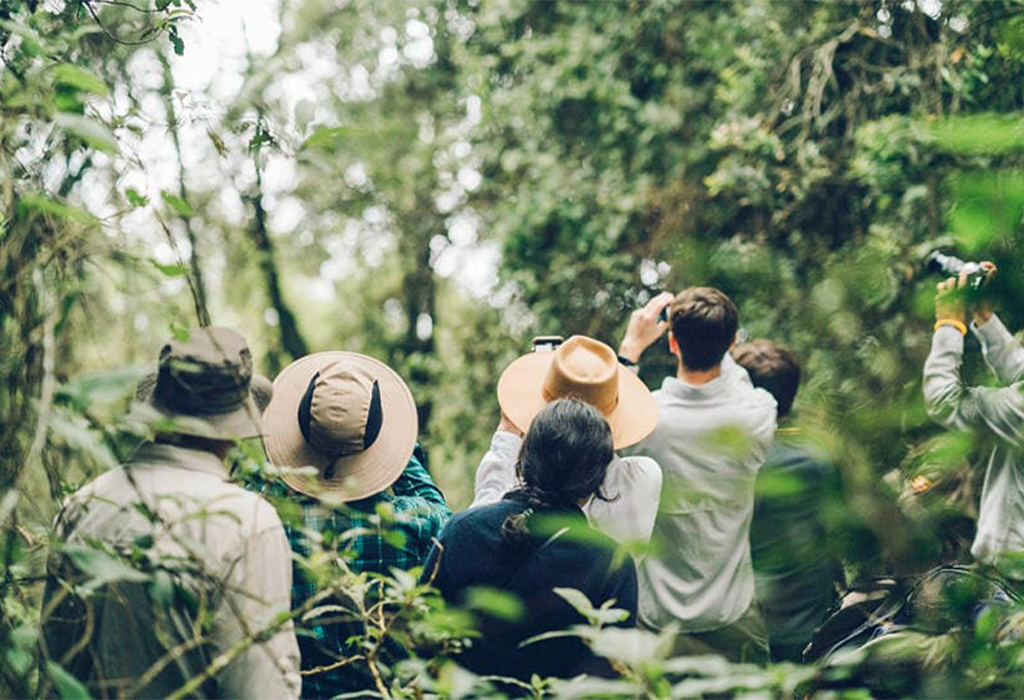
Rwanda offers one of Africa’s most polished gorilla trekking experiences. The country is clean, organized, and vibrantly green. Trekking takes place in Volcanoes National Park, a dramatic landscape of volcanic peaks and bamboo forests. Trails here are generally easier, making the experience more comfortable for travelers who want adventure without strenuous effort.
Rwanda’s gorilla permits are more expensive, but the higher cost directly supports conservation and community development. The country positions itself as a premium destination, and travelers appreciate the sense of refinement. Lodges near Volcanoes National Park are stylish and luxurious, often offering stunning views of the mountains.
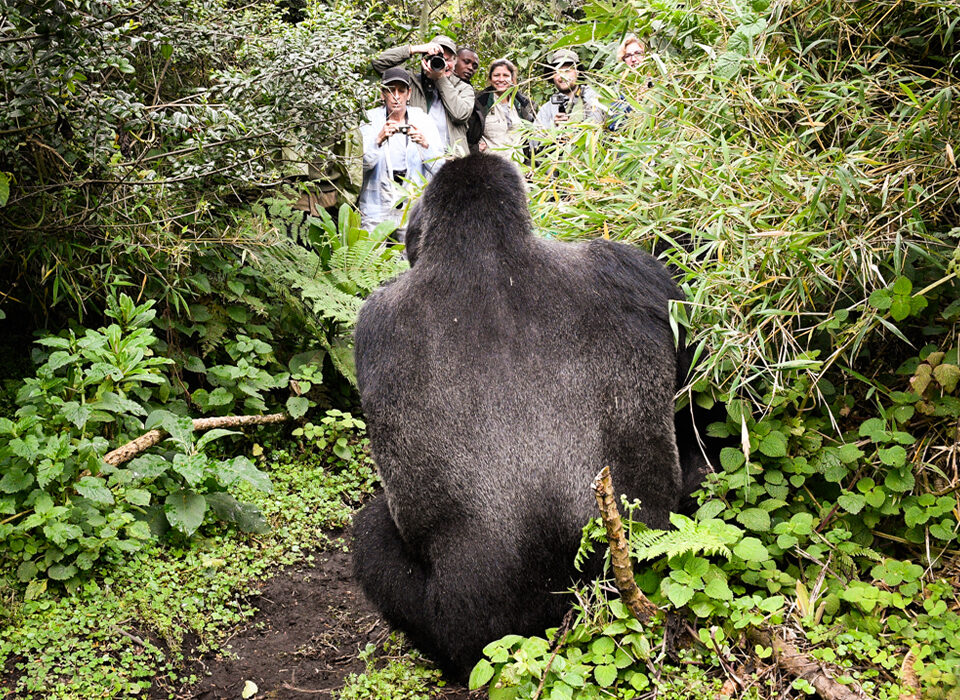
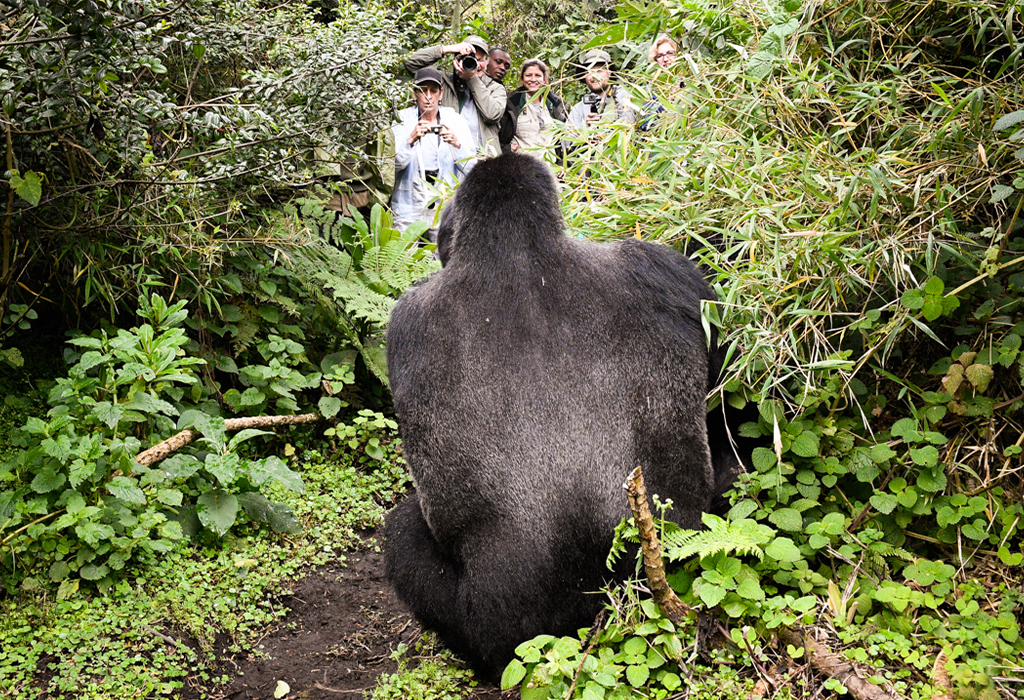
Trek logistics in Rwanda are smoother. Groups are small, briefings are clear, and forest trails open into wide bamboo zones. Watching a gorilla family here feels intimate and serene—you can hear soft grunts, see playful youngsters tumble, and witness the silverback’s calm, commanding presence.
Rwanda’s biggest advantage is convenience. The park is just a few hours from Kigali, the capital, and the country is safe, peaceful, and exceptionally well-organized. Travelers seeking comfort, predictability, and a premium experience often choose Rwanda.
Congo: Untamed, Wild, and Deeply Authentic
The Democratic Republic of Congo delivers one of the most adventurous gorilla trekking experiences in Africa. Treks happen in Virunga National Park, the continent’s oldest national park. The forest here feels untouched, mysterious, and full of discovery. Congo also offers both mountain and lowland gorilla trekking, giving travelers rare and diverse wildlife encounters.
Congo’s trekking experience is raw and deeply emotional. Trails are wilder, landscapes more dramatic, and the forest feels ancient. Treks require more effort, but the rewards are extraordinary. Observing gorillas in the Congolese wilderness feels like stepping into a secret world few people get to see.
The country also offers Mount Nyiragongo, home to a glowing lava lake. Combining gorilla trekking with a volcano hike creates one of Africa’s most thrilling and unique adventure experiences.
Safety in Congo can fluctuate, so travelers must stay updated. When the park is open, Virunga offers intimacy, fewer crowds, and a true wilderness experience. It is perfect for explorers seeking something off-the-beaten-path, emotional, and unforgettable.
Comparing the Gorilla Trekking Experiences
So, Congo vs Uganda vs Rwanda: Where should you go gorilla trekking? It depends on what you value most:
- Uganda offers variety, adventure, and excellent value.
- Rwanda delivers comfort, convenience, and luxury.
- Congo provides raw wilderness, solitude, and authenticity.
The physical challenges also differ. Uganda’s forests are dense and steep, making treks unpredictable but thrilling. Rwanda’s bamboo terrain is open and gentle, perfect for those seeking ease. Congo varies from steep slopes to deep forests and volcanic landscapes, creating a truly rugged adventure.
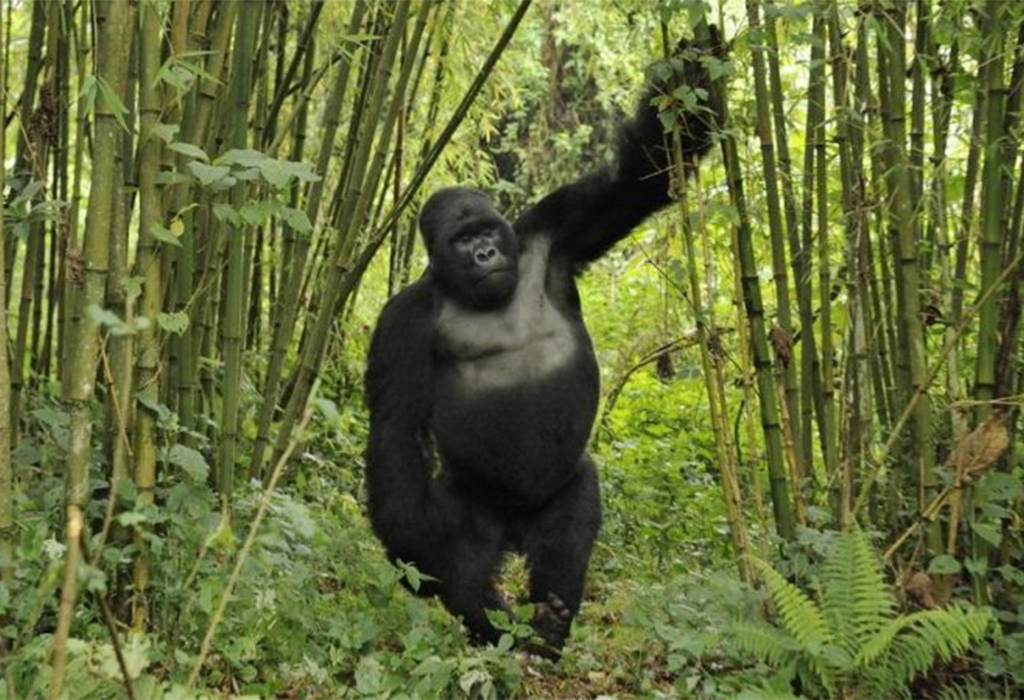
No matter the destination, the emotional impact of gorilla trekking is universal. Spending an hour with a gorilla family is life-changing. Their calm presence touches your heart. Their gestures mirror human emotions. Watching a young gorilla play or a silverback protect his family evokes wonder, humility, and deep respect.
Conservation and Community Impact
Each country plays a vital role in protecting mountain gorillas. Conservation efforts and tourism have slowly increased gorilla populations over the years. Visiting these parks supports ranger salaries, community development, and habitat preservation.
- Rwanda invests heavily in local communities through permit revenue.
- Uganda supports villages near Bwindi, reducing human-wildlife conflicts.
- Congo contributes to wildlife protection and community programs during periods of stability.
Choosing where to trek not only shapes your experience but also ensures that gorillas and their forests remain protected for future generations.
Which Country Should You Choose?
Your choice depends on your travel style:
- Uganda suits adventurous travelers seeking variety and immersive nature experiences.
- Rwanda appeals to those who prefer comfort, predictability, and luxury.
- Congo is for bold explorers craving raw, emotional, and off-the-beaten-path encounters.
The truth is, you cannot make a wrong choice. Each destination offers profound connections with wildlife and memories that last a lifetime. Standing a few meters from a gorilla family transforms you it deepens your love for wildlife, strengthens your respect for nature, and reminds you that wild places still matter.
Gorilla trekking is more than a journey it is a moment of understanding, a moment of peace, and a moment of awe. Whether you choose Uganda, Rwanda, or Congo, the encounter will stay with you long after you leave the forest behind.