Small Group vs Private Safari: Which One Delivers a Better Experience?
January 10, 2026
What Makes a Safari Truly Luxurious in Africa?
January 10, 2026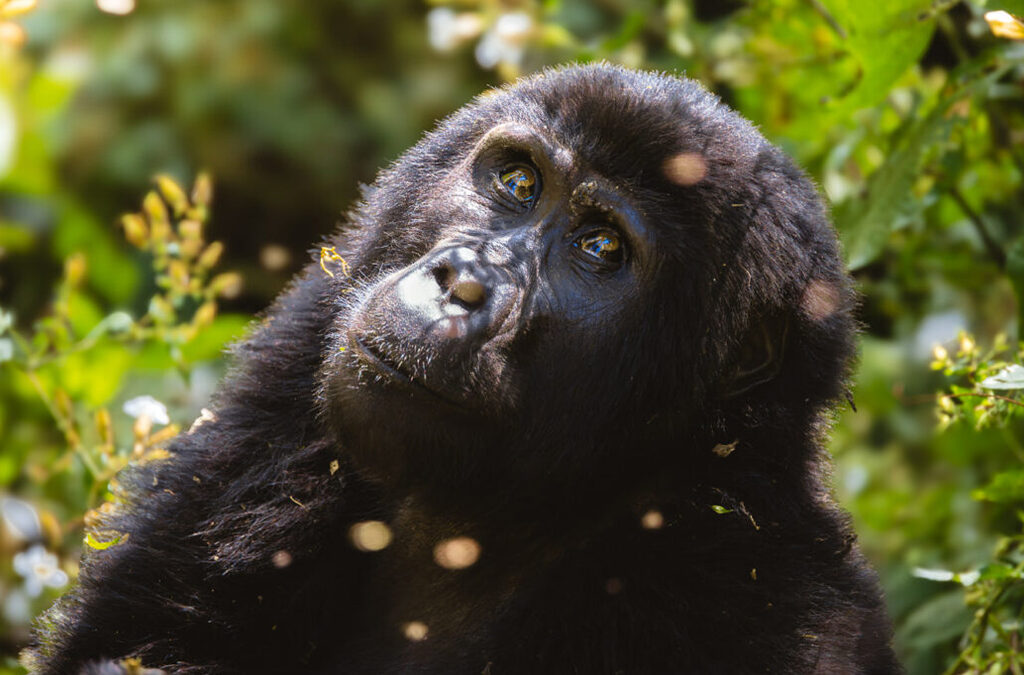
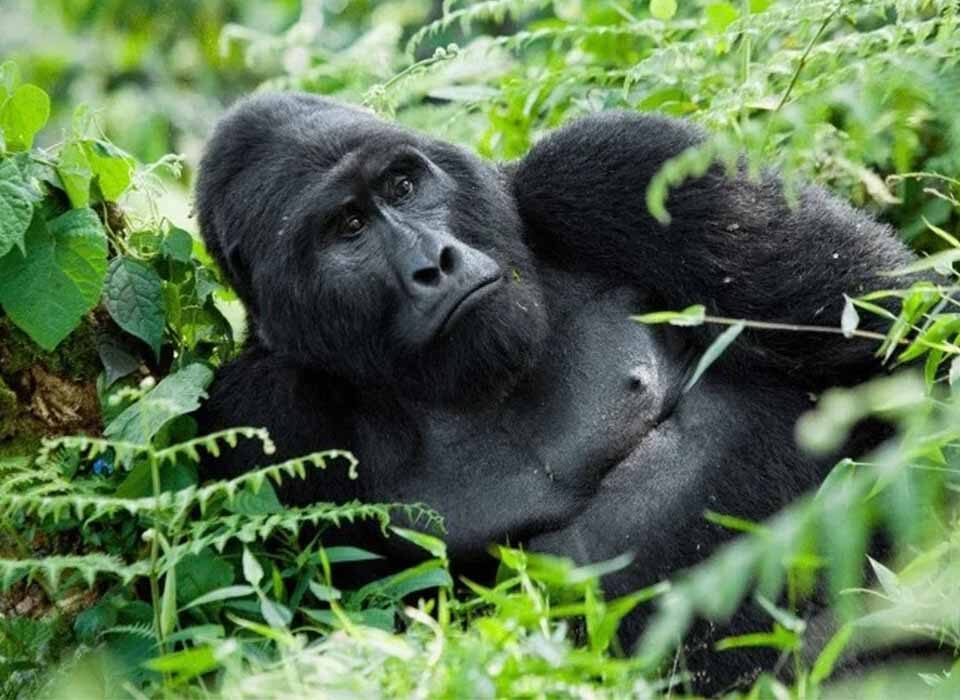
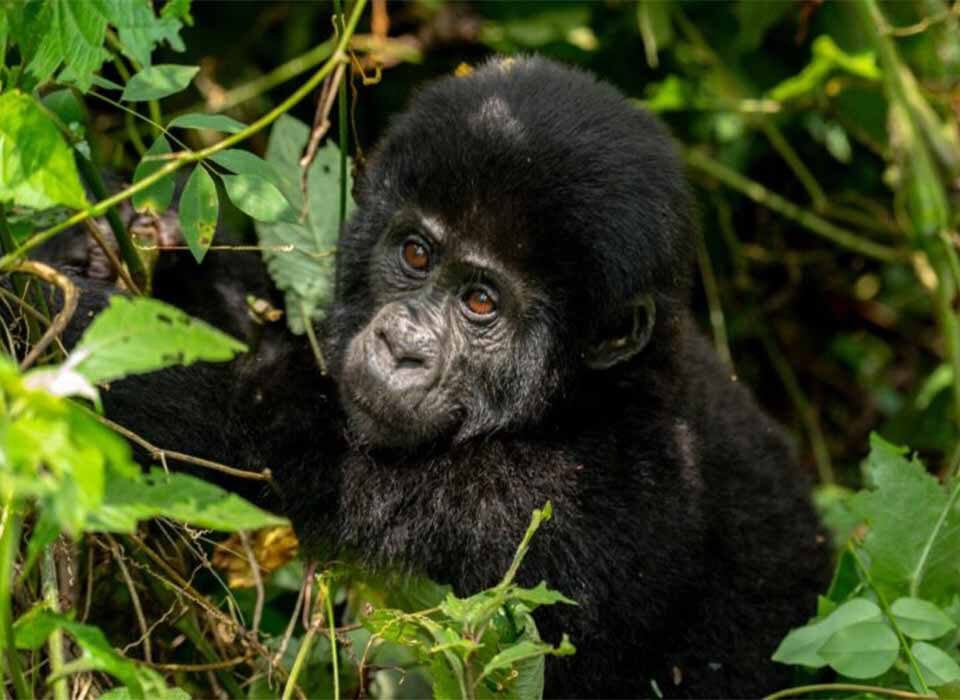
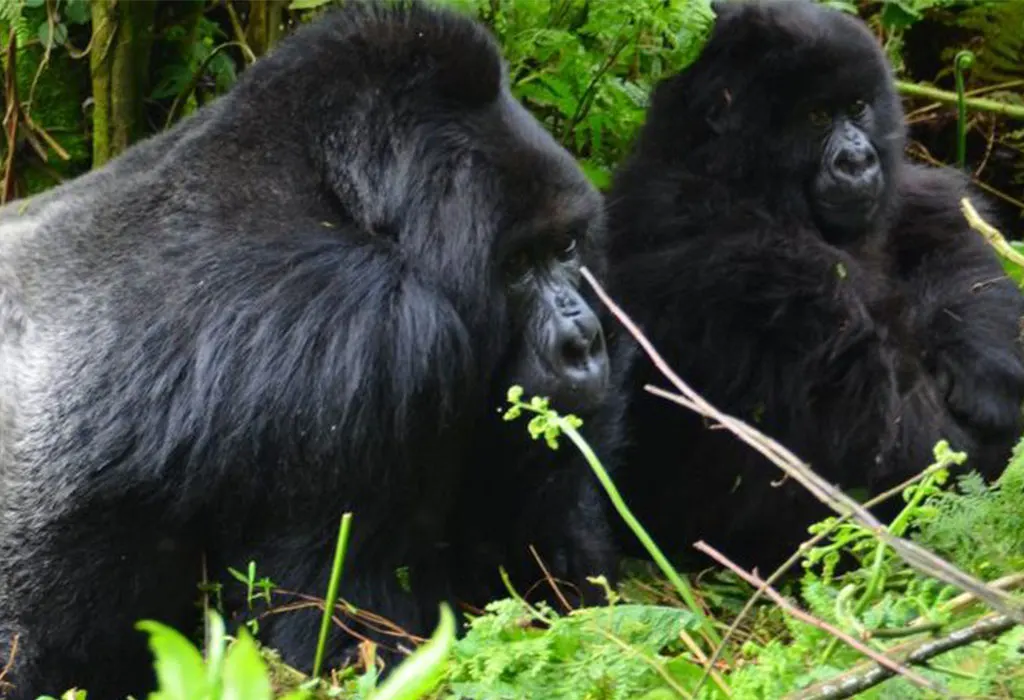
Gorilla trekking is often described as life-changing. Standing quietly in a misty forest while a mountain gorilla family goes about its daily life creates a powerful emotional connection. You witness intelligence, care, playfulness, and strength reflected back at you.
Yet thoughtful travelers often pause before booking and ask an important question: Is gorilla trekking ethical?
This question matters now more than ever.
Gorilla trekking brings humans very close to endangered animals. It involves fragile ecosystems, local communities, conservation funding, and strict management decisions. Understanding how gorilla trekking works and why it exists helps travelers make informed, responsible choices.
Ethical gorilla trekking does not happen by accident. It exists because of strict rules, long-term conservation planning, and responsible traveler behavior.
Why Gorilla Trekking Exists
Mountain gorillas once stood on the brink of extinction. Habitat loss, poaching, disease, and years of civil conflict pushed their numbers dangerously low.
To protect them, conservationists needed three things: funding, community support, and political commitment. Gorilla trekking became a powerful tool to achieve all three.
Tourism created tangible value for living gorillas. Governments and local communities began to see gorillas as more valuable alive than threatened. Permit revenue now funds ranger salaries, veterinary care, forest protection, and community projects.
As a result, mountain gorilla populations are slowly increasing one of the rare success stories in global wildlife conservation.
Gorilla trekking exists to protect gorillas, not to exploit them.
How Ethical Gorilla Trekking Is Managed
Gorilla trekking follows some of the strictest wildlife tourism regulations in the world.
Only a limited number of permits are issued each day. Each habituated gorilla family receives just one visitor group per day, and time spent with the gorillas is limited to one hour.
Visitors must keep a safe distance. Group sizes remain small. Rangers and trackers monitor gorilla health daily, and authorities cancel treks if gorillas show signs of stress or illness.
Most importantly, these rules prioritize gorilla wellbeing above visitor satisfaction.
The Risk of Disease Transmission
Because gorillas share about 98 percent of human DNA, they are highly vulnerable to human illnesses. Even a common cold can pose a serious threat.
For this reason, parks enforce strict health protocols. Visitors receive briefings before trekking. Anyone feeling unwell must not participate. In many cases, masks are mandatory during the encounter.
Rangers enforce distance rules carefully, without exception. Responsible travelers accept these measures willingly, understanding that gorilla health always comes first.
Understanding Gorilla Habituation
Gorilla trekking involves habituated gorilla families. Habituation means gorillas gradually become accustomed to human presence over several years, following careful scientific protocols.
The goal is tolerance, not taming.
Habituated gorillas still behave naturally. They forage, groom, play, and move freely through the forest. Humans never feed, train, or control them.
Some people question whether habituation is ethical. However, conservation experts widely agree that it is essential. Habituation allows close monitoring, veterinary care, research, and effective protection. Without it, conserving gorillas would be far more difficult.
How Local Communities Benefit
Ethical wildlife tourism must benefit people as well as animals.
Gorilla trekking supports thousands of livelihoods in Uganda, Rwanda, and the Democratic Republic of Congo. Permit revenue funds schools, health centers, clean water projects, and infrastructure.
Local people work as rangers, guides, porters, lodge staff, and artisans. When communities benefit directly, they become protectors of the forest rather than threats to it.
This connection reduces poaching, illegal logging, and encroachment. Ethical gorilla trekking links conservation success directly to human wellbeing.
The Importance of Porter Programs
Porters play a vital role in responsible trekking. Hiring a porter supports local families and reduces physical strain for visitors.
Many porter programs prioritize vulnerable community members, including former poachers, widows, and young adults. Employment provides dignity, income, and alternative livelihoods.
Choosing to hire a porter is a simple yet meaningful way to strengthen conservation and community support.
Why Gorilla Trekking Permits Cost So Much
Permit fees often raise concern. However, the cost reflects the true expense of conservation.
Protecting gorillas requires daily monitoring, anti-poaching patrols, veterinary interventions, research, and habitat management. These efforts demand skilled staff, equipment, and long-term investment.
When travelers purchase permits, they directly fund these protection efforts. Ethical travel means understanding where your money goes—and why it matters.
Why Visitor Behavior Matters
Even with strict regulations, traveler behavior plays a crucial role in maintaining ethical standards.
Responsible visitors listen carefully to guides, follow instructions, and respect boundaries. Speaking softly, moving slowly, and maintaining distance reduce stress for gorillas.
Flash photography, loud movements, and physical contact are strictly prohibited. Even if a gorilla approaches you, never touch it.
Ethical trekking depends on respect, discipline, and awareness.
Choosing a Responsible Operator
Not all safari operators follow the same ethical standards. Responsible travelers choose licensed operators who strictly follow park regulations.
Ethical operators provide thorough briefings, manage group behavior carefully, and cooperate fully with park authorities. They also support local communities and conservation initiatives beyond the minimum requirements.
Your choice of operator directly affects how ethical your experience will be on the ground.
Gorilla Trekking vs Captive Gorilla Experiences
Some people compare gorilla trekking to zoo visits or captive encounters. These experiences are not the same.
Gorilla trekking takes place in the wild, within protected natural habitats. Gorillas remain free, uncaged, and untrained. No performances or artificial interactions occur.
This distinction is critical when assessing ethics. Ethical wildlife tourism keeps animals wild and prioritizes their needs above human entertainment.
Ethics Across Uganda, Rwanda, and Congo
Uganda, Rwanda, and the Democratic Republic of Congo all follow international conservation guidelines for gorilla trekking.
Uganda and Rwanda operate long-established, well-regulated programs. Congo’s treks operate carefully during stable periods and often offer more remote, low-volume experiences.
Ethical standards remain consistent across borders. Ethics depend more on management practices than on location.
The Emotional Impact on Travelers
Many travelers leave gorilla trekking profoundly changed.
Seeing gorillas in the wild creates empathy, responsibility, and awareness. Visitors often become lifelong supporters of conservation, contributing through donations, advocacy, and education long after their trip ends.
This emotional connection creates a ripple effect that strengthens global conservation efforts.