
Most Popular Foods to Try on a Rwandan Safari
January 8, 2026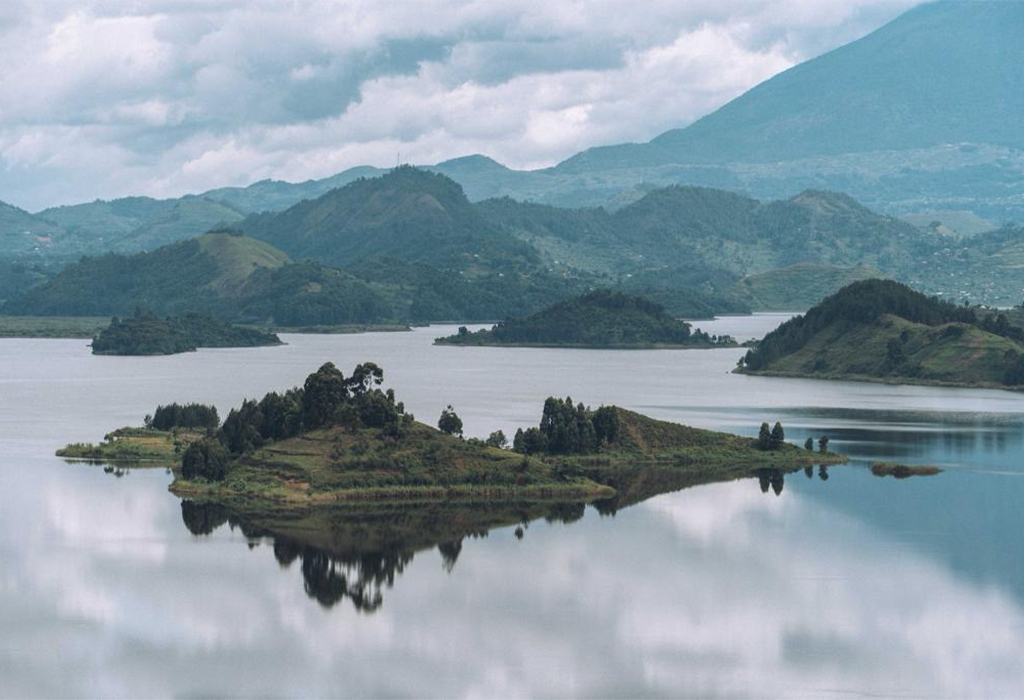
Canoeing on Lake Mutanda & Gorilla Trekking in Nkuringo
January 8, 2026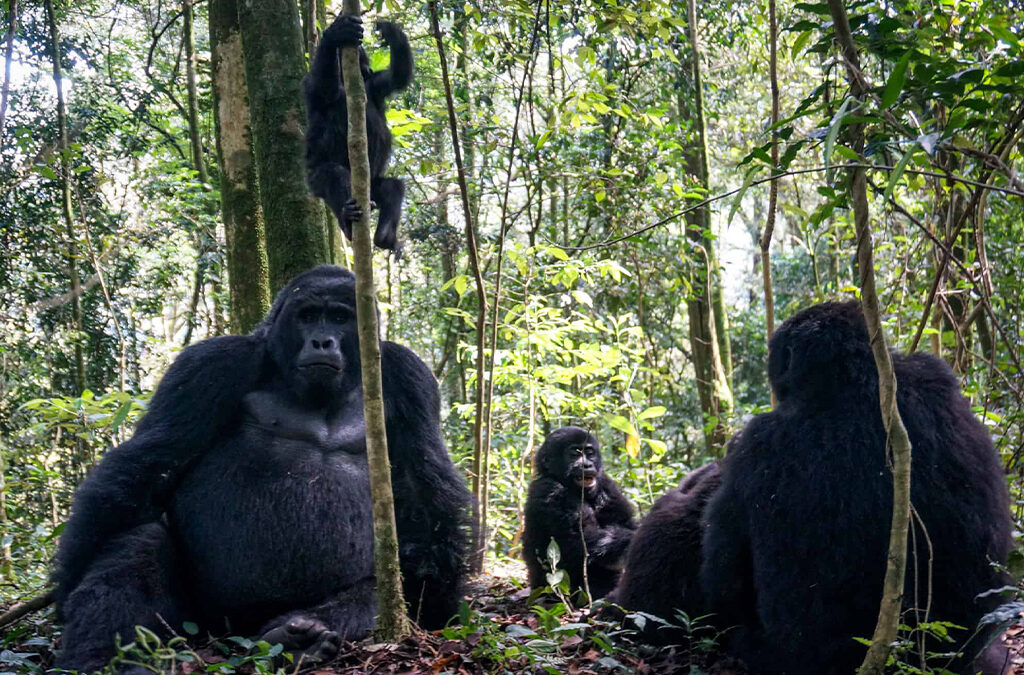
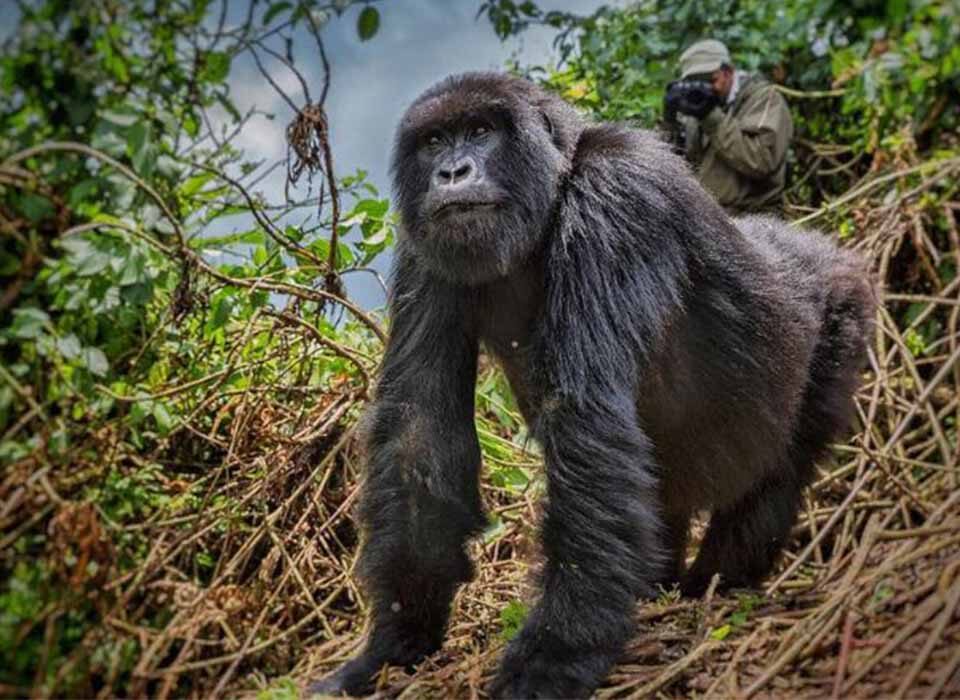
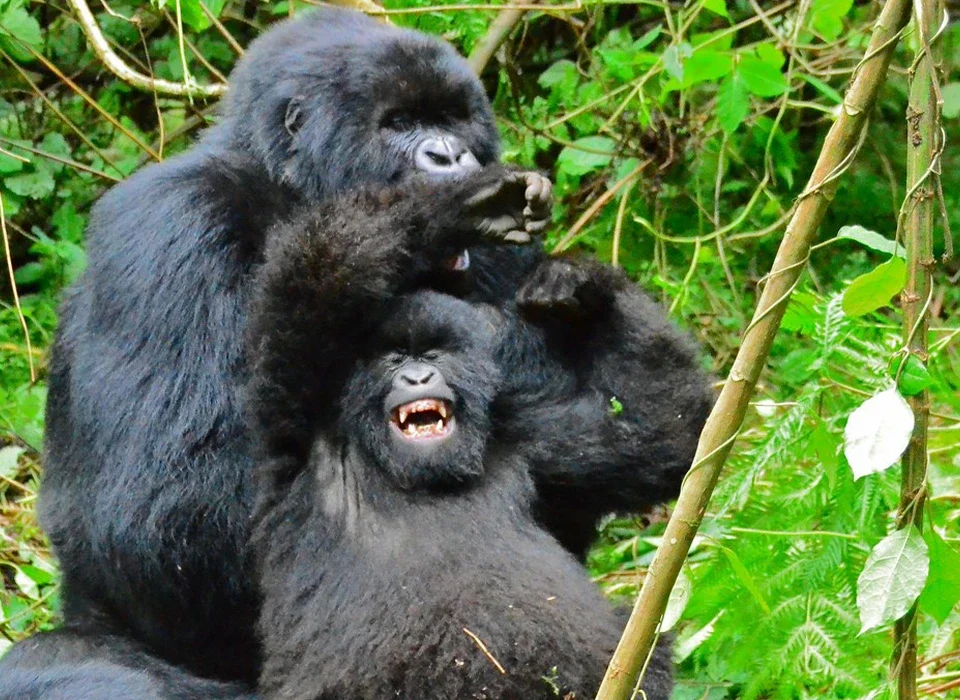
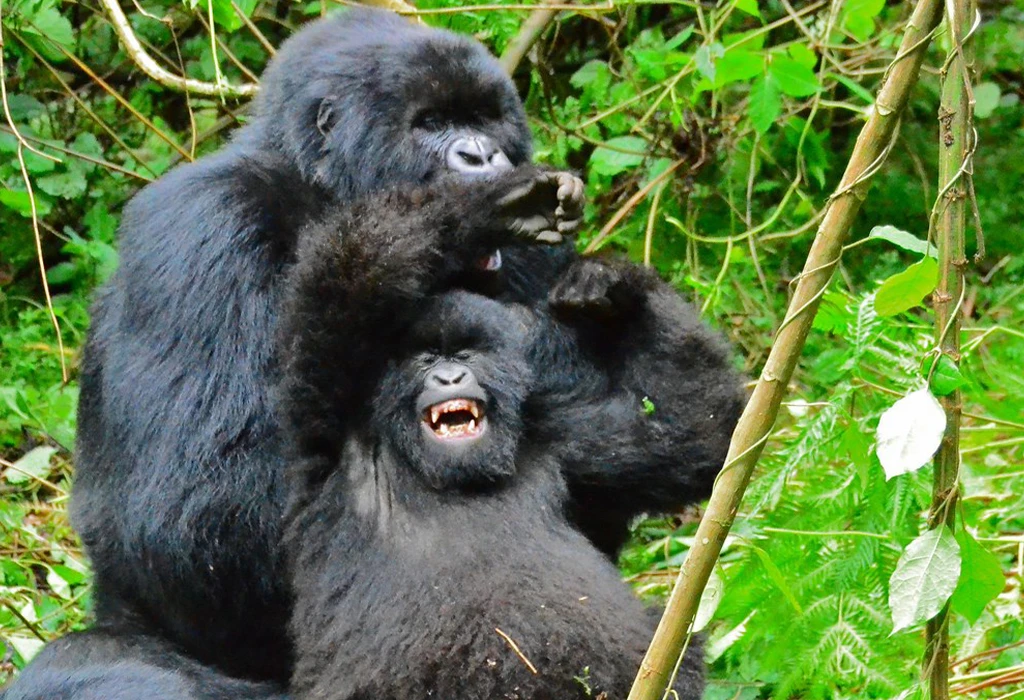
Uganda continues to stand out as the best gorilla trekking destination in Africa, and for good reason. The country combines exceptional gorilla encounters with affordability, rich biodiversity, stunning scenery, and meaningful conservation efforts. Gorilla trekking is one of Uganda’s flagship tourism experiences, mainly offered in Bwindi Impenetrable National Park and Mgahinga Gorilla National Park. Together, these factors keep Uganda at the top of every serious traveler’s list.
Below is an updated, human-centered look at why Uganda remains unmatched for gorilla trekking
Home to Over Half of the World’s Mountain Gorillas
First and foremost, Uganda protects more than 50% of the world’s remaining mountain gorillas. Of the estimated 1,063 individuals left globally, around 460 live in Uganda, mainly within Bwindi Impenetrable National Park. With over 20 habituated gorilla families, Uganda offers more trekking opportunities than anywhere else. As a result, travelers enjoy higher permit availability and better chances of securing their preferred trekking dates.
Two Distinct Gorilla Trekking Parks
Unlike other destinations, Uganda offers two different national parks for gorilla trekking, each with its own character.
Bwindi Impenetrable National Park is a UNESCO World Heritage Site celebrated for its ancient rainforest, steep terrain, and extraordinary biodiversity. It hosts the largest population of mountain gorillas on Earth.
Mgahinga Gorilla National Park, though smaller, delivers a dramatically different experience. Here, trekkers follow gorillas against the striking backdrop of the Virunga Volcanoes, creating a scenic and memorable adventure.
This variety allows visitors to choose between landscapes, difficulty levels, and overall trekking styles.
More Affordable Gorilla Trekking Permits
Cost remains a major reason Uganda leads the region. As of 2026, a gorilla trekking permit in Uganda costs USD 800 for foreign non-residents, compared to USD 1,500 in Rwanda. Despite the lower price, Uganda delivers the same powerful, close-up encounter with mountain gorillas. Consequently, travelers receive exceptional value without sacrificing experience quality.
Rich Biodiversity Beyond Gorillas
Gorilla trekking in Uganda goes far beyond a single wildlife encounter. Bwindi alone shelters over 350 bird species, 120 mammal species, and countless plant varieties. During the trek, visitors pass through one of Africa’s most biologically rich forests, turning the journey into an immersive nature experience.
In addition, travelers can easily combine gorilla trekking with classic savannah safaris. Queen Elizabeth National Park and Murchison Falls National Park offer Big Five game drives, boat safaris, and dramatic landscapes, all within the same itinerary.
A Variety of Trekking Experiences
Uganda caters to different interests, fitness levels, and adventure styles.
One standout option is the Gorilla Habituation Experience, available only in Uganda. This special permit allows visitors to spend up to four hours with semi-habituated gorillas, observing researchers as they familiarize the animals with human presence. It offers a deeper, more educational experience than standard trekking.
Furthermore, Bwindi is divided into four trekking sectors: Buhoma, Ruhija, Rushaga, and Nkuringo. Each sector features unique scenery and varying trekking difficulty, enabling visitors to select what suits them best.
Fewer Crowds and More Intimate Encounters
Compared to Rwanda’s Volcanoes National Park, Uganda provides a less crowded and more personal trekking experience. Bwindi’s multiple sectors distribute visitors across a wider area, reducing congestion and enhancing exclusivity. As a result, many travelers find Uganda’s gorilla encounters more authentic and less commercialized.
Spectacular Landscapes and Cultural Experiences
Uganda’s gorilla trekking regions are visually stunning. Mist-covered forests, rolling hills, and volcanic peaks create a dramatic setting that elevates every trek. Beyond nature, Uganda also offers meaningful cultural interactions.
Many itineraries include visits to Batwa communities, where travelers learn about the traditions and history of one of the region’s oldest indigenous forest peoples. These experiences add depth, perspective, and cultural connection to the journey.
Strong Commitment to Conservation
Uganda takes gorilla conservation seriously. Revenue from trekking permits directly supports conservation programs and local communities living around protected areas. The Uganda Wildlife Authority, together with conservation partners, invests heavily in anti-poaching initiatives, habitat protection, and community education.
By trekking gorillas in Uganda, visitors actively contribute to the long-term survival of this endangered species.
Improved Accessibility and Tourism Infrastructure
Over the years, Uganda has significantly improved its tourism infrastructure. Travelers can reach Bwindi and Mgahinga from Entebbe or Kampala by road or via domestic flights to Kihihi or Kisoro airstrips. In addition, the country now offers a wide range of lodges, from comfortable mid-range options to high-end eco-luxury properties, ensuring a smooth and enjoyable stay.
Easy Combination with Other Unique Adventures
Uganda allows travelers to build diverse and rewarding itineraries around gorilla trekking. Popular add-ons include:
- Chimpanzee tracking in Kibale National Park, one of Africa’s best chimpanzee destinations
- Boat safaris on the Kazinga Channel or the Nile at Murchison Falls
- Mountain trekking in the Rwenzori Mountains, famously known as the “Mountains of the Moon”
With guidance from Experiya Tour Company, visitors can seamlessly combine these experiences into one unforgettable journey.
Conclusion: Why Uganda Still Leads Gorilla Trekking in Africa
Uganda remains the best gorilla trekking destination thanks to its large gorilla population, affordable permit prices, diverse trekking options, and unmatched ability to combine wildlife, culture, and adventure. The country’s breathtaking scenery, strong conservation commitment, and intimate trekking experiences continue to set it apart.
For travelers seeking a truly meaningful encounter with mountain gorillas one that supports conservation and local communities Uganda, planned with Experiya Tour Company, remains the ultimate choice.