Birdwatching Experience in Tanzania
January 6, 2026
Mid-Range Accommodations in Queen Elizabeth National Park
January 6, 2026
The Masai Mara National Reserve in Kenya stands among the world’s most iconic safari destinations and for good reason. Covering approximately 1,510 square kilometers of open savannahs, acacia woodlands, and riverine forests, the reserve offers a front-row seat to some of nature’s greatest spectacles.
Moreover, the Masai Mara borders Serengeti National Park in Tanzania, together forming one of the largest and most wildlife-rich ecosystems on Earth. Travelers from around the globe visit the Masai Mara to witness extraordinary wildlife encounters, dramatic migrations, rich cultural experiences, and unforgettable scenery. As a result, it consistently ranks as a must-visit destination for safari lovers.
Bucket List Experiences in the Masai Mara
What Is the Great Migration in the Masai Mara?
Without a doubt, the Great Migration is the Masai Mara’s most famous attraction. Every year, over 1.5 million wildebeests, along with 200,000 zebras and thousands of gazelles, journey from Tanzania’s Serengeti into Kenya’s Masai Mara in search of fresh grazing land.
This dramatic movement usually occurs between July and October. During this time, visitors witness heart-stopping Mara River crossings, where crocodiles lurk beneath the surface and predators such as lions and cheetahs stalk the herds. Because of its sheer scale and intensity, the Great Migration remains one of the most breathtaking wildlife events on Earth.
Can You Go on a Hot Air Balloon Safari in the Masai Mara?
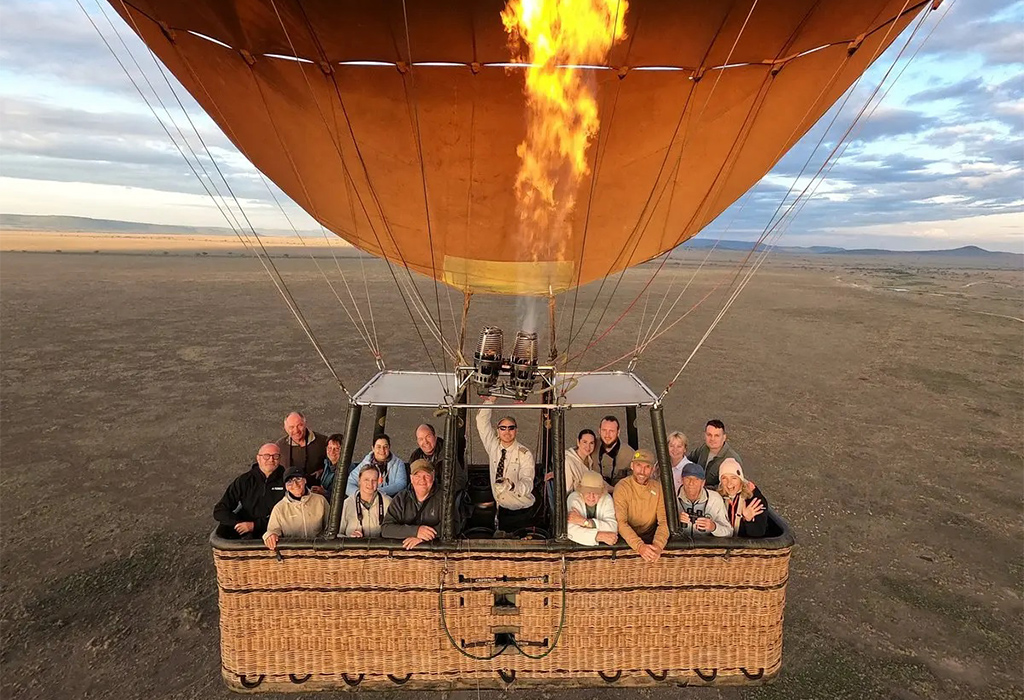
Yes—and it’s one of the most magical ways to experience the Mara. Hot air balloon safaris lift off at dawn, gently floating over endless plains as the sun rises. From above, travelers spot elephants, giraffes, wildebeests, and rivers winding through the landscape.
To top it all off, the experience typically ends with a champagne breakfast in the bush. Not only does this add a touch of luxury, but it also creates a truly unforgettable memory high on many travelers’ bucket lists.
What Wildlife Can You See on Game Drives?
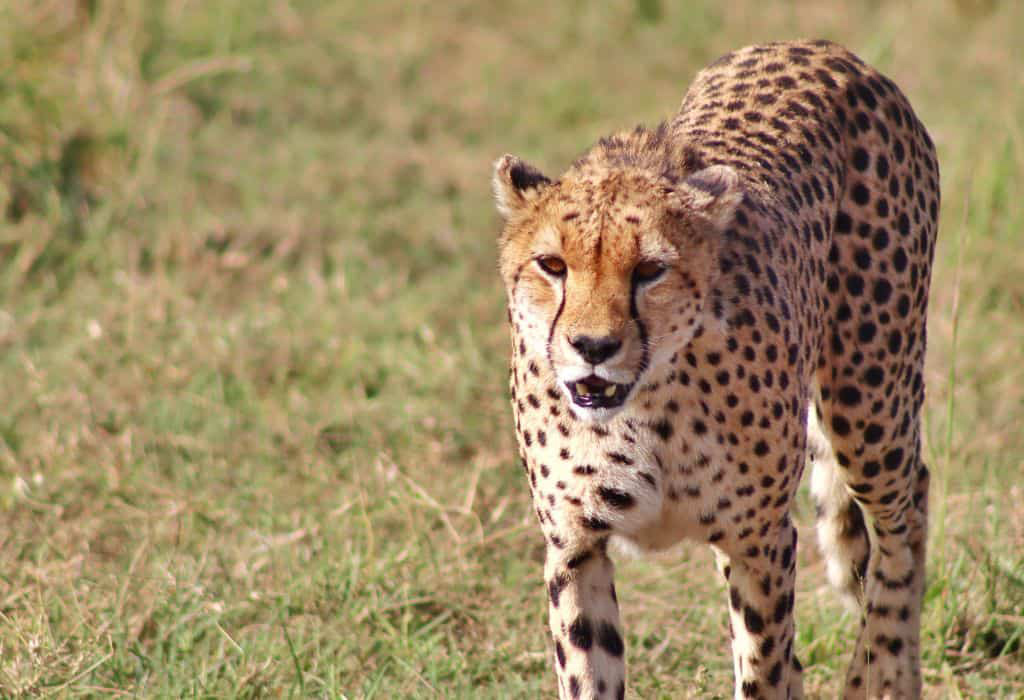
Game drives form the heart of any Masai Mara safari. The reserve hosts over 95 mammal species and more than 570 bird species, making wildlife sightings remarkably diverse.
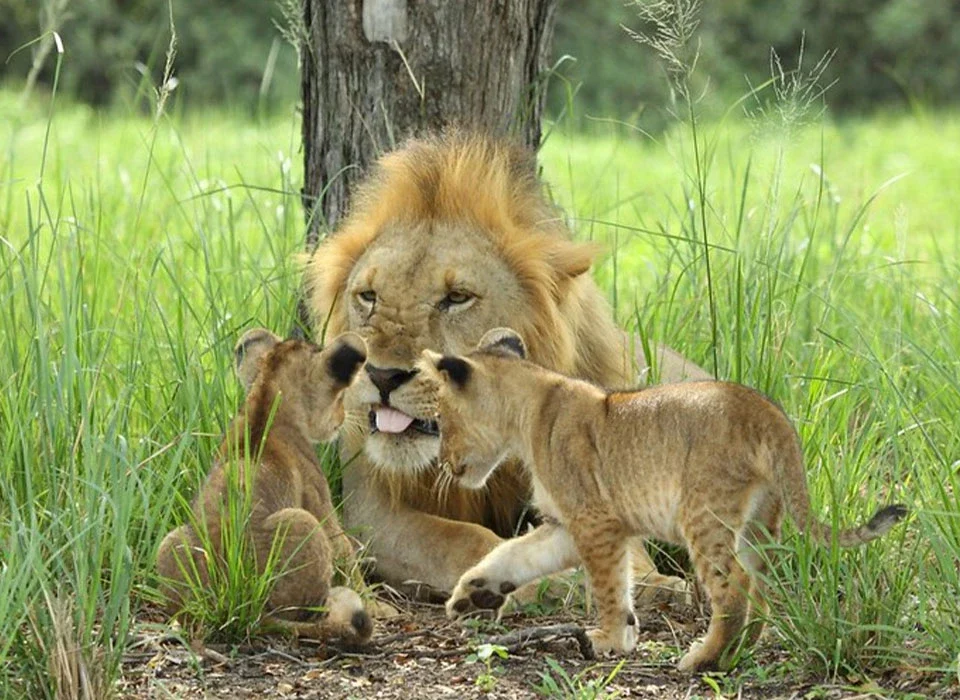
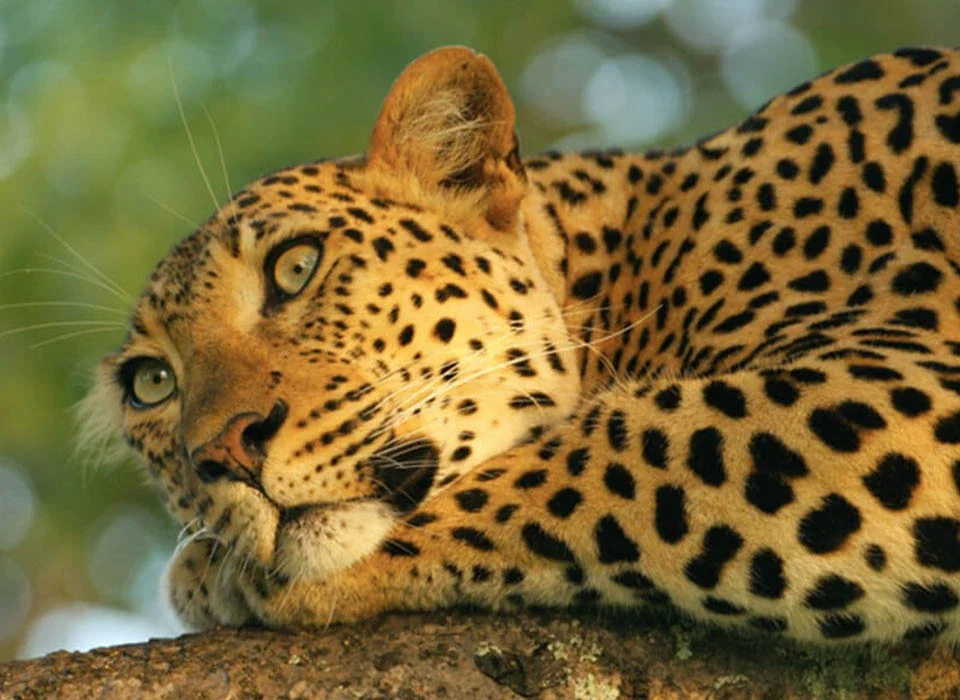
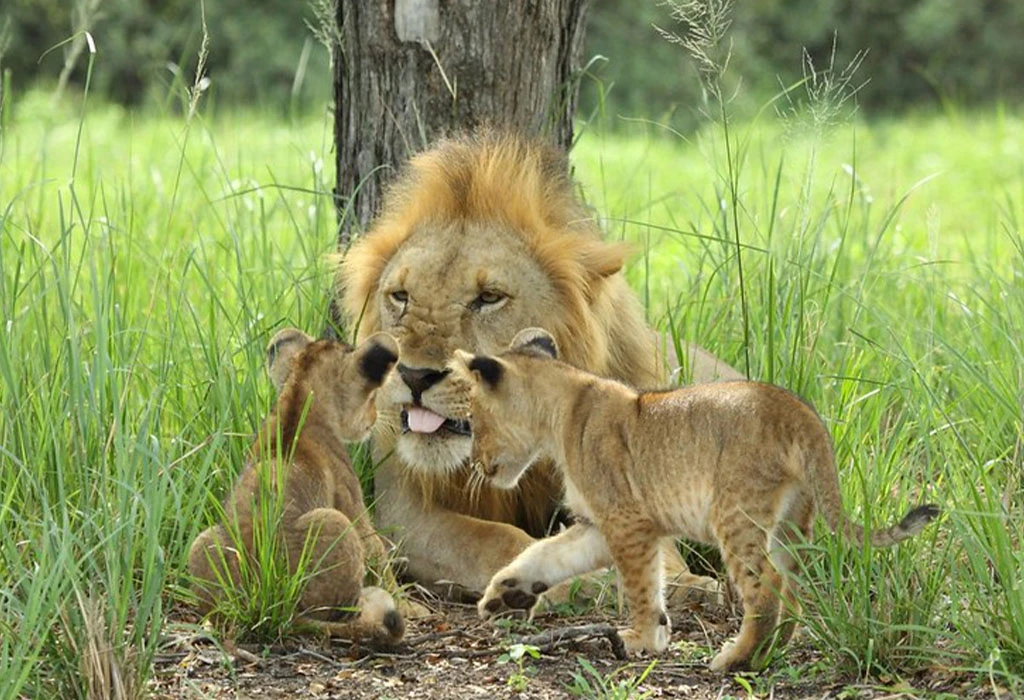
Visitors frequently encounter the Big Five lion, leopard, elephant, buffalo, and rhino alongside cheetahs, giraffes, hippos, zebras, and hyenas. Early morning and late afternoon drives offer the best chances to see animals at their most active. Meanwhile, experienced guides enhance the experience by tracking wildlife and explaining animal behavior and ecosystems.
How Unique Is a Walking Safari in the Masai Mara?
For travelers seeking a deeper connection with nature, walking safaris provide an unforgettable experience. Led by armed rangers and professional guides, these walks allow visitors to explore the bush on foot.
Along the way, travelers learn to identify animal tracks, medicinal plants, and smaller creatures often missed during game drives. As a result, walking safaris feel both thrilling and educational, offering a more intimate way to understand the African wilderness.
Can You Visit the Maasai People?
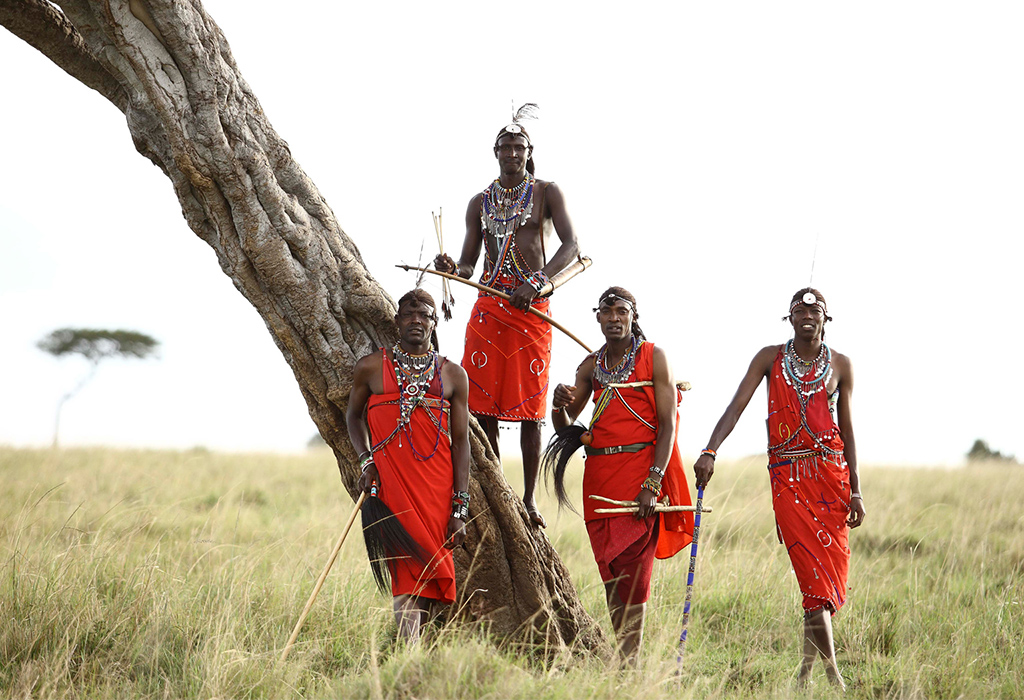
Absolutely. Cultural visits to Maasai villages add meaningful depth to a safari experience. The Maasai are renowned for their vibrant attire, intricate beadwork, and strong warrior traditions.
During guided visits, travelers learn about daily life, livestock keeping, traditional dances, and long-standing customs. Importantly, these experiences support community-based tourism and highlight the close relationship between people, wildlife, and land.
What Makes Sunrise and Sunset Safaris So Special?
Sunrise and sunset safaris create some of the most magical moments in the Masai Mara. Early mornings often reveal predators returning from hunts, while herbivores begin grazing in soft golden light.
Similarly, sunset drives showcase animals during cooler hours as the savannah glows in warm hues. These times not only enhance wildlife viewing but also provide exceptional photography opportunities.
Are Photographic Safaris Popular?
Yes photographic safaris thrive in the Masai Mara. Thanks to open landscapes, abundant wildlife, and dramatic lighting, photographers capture stunning images with ease.
Specialized photographic safaris focus on patience, positioning, and timing, allowing travelers to photograph hunting scenes, river crossings, and intimate wildlife moments. Consequently, the Masai Mara ranks among the world’s top destinations for wildlife photography.
Can You Do Horseback Safaris in the Masai Mara?
Indeed, horseback safaris offer a thrilling alternative to traditional game drives. Typically conducted in private conservancies, these safaris allow riders to move quietly across the plains without disturbing wildlife.
Because animals perceive horses as part of the environment, travelers often enjoy remarkably close encounters. This experience suits confident riders seeking adventure and exclusivity.
Is Camping Allowed in the Masai Mara?
Yes, camping is widely available in the Masai Mara. Options range from basic public campsites to luxury mobile tented camps.
Camping places travelers closer to nature, where the sounds of lions roaring and hyenas calling echo through the night. Many visitors choose mobile camps that follow the Great Migration, ensuring prime wildlife viewing throughout their stay.
What Birdwatching Opportunities Exist?
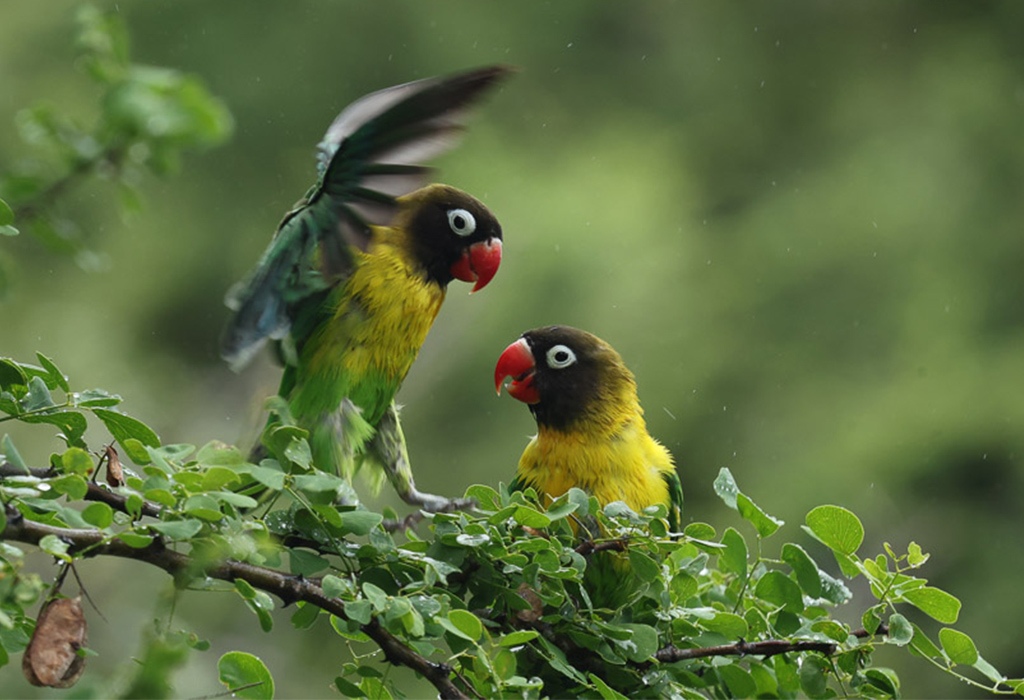
With over 570 recorded bird species, the Masai Mara is a dream destination for birdwatchers. Raptors such as martial eagles, vultures, and bateleurs soar overhead, while colorful species like lilac-breasted rollers and crowned cranes brighten the plains.
Wetlands and rivers attract storks, herons, and kingfishers. As a result, birdwatching often blends seamlessly with game drives, offering rewarding sightings throughout the day.
Can You Do Night Game Drives?
While night drives are not permitted inside the main reserve, nearby conservancies allow night safaris. These drives reveal nocturnal animals such as bush babies, aardvarks, genets, and active predators.
Using spotlights, guides uncover behaviors rarely seen during daylight, adding excitement and variety to the safari experience.
How Does the Masai Mara Connect With the Serengeti?
The Masai Mara and Serengeti form one continuous ecosystem, allowing wildlife to move freely across borders. Seasonal rainfall determines animal movements, especially during the Great Migration.
Because of this connection, many travelers combine safaris in both destinations, maximizing wildlife encounters and creating a more comprehensive East African safari experience.
What Luxury Safari Experiences Are Available?
Luxury safaris in the Masai Mara offer exclusivity, comfort, and personalized service. Elegant lodges and tented camps provide fine dining, spa treatments, and private game drives.
Additionally, private conservancies limit visitor numbers and allow off-road driving, ensuring intimate wildlife encounters. For travelers seeking refinement without sacrificing adventure, luxury safaris deliver the best of both worlds.
Is the Masai Mara Suitable for Families?
Yes, families with children can enjoy memorable safaris in the Masai Mara. Many accommodations offer family-friendly tents, flexible schedules, and educational activities.
Guides tailor game drives to keep children engaged while prioritizing safety. Consequently, family safaris become both fun and educational, inspiring young travelers to appreciate wildlife and conservation.
What Conservation Experiences Can You Join?
Conservation plays a vital role in the Masai Mara. Visitors can engage in experiences such as visiting conservancies, supporting anti-poaching initiatives, and learning about habitat protection.
These activities deepen understanding of sustainable tourism while allowing travelers to contribute to the preservation of wildlife and local communities.
How Long Should You Spend in the Masai Mara?
Most travel experts recommend spending three to four days in the Masai Mara. This timeframe allows for multiple game drives, diverse wildlife encounters, and relaxed exploration.
Longer stays offer added opportunities for cultural visits, balloon safaris, and conservancy experiences, enriching the overall journey.
What Is the Best Time to Visit the Masai Mara?
The Masai Mara remains a year-round destination, with each season offering unique rewards.
- July to October: Best for the Great Migration
- December to February: Excellent wildlife viewing during the dry season
- March to May: Lush landscapes, fewer crowds, and superb birdwatching
Ultimately, the best time depends on personal interests and travel goals.
Why the Masai Mara Belongs on Every Bucket List
The Masai Mara earns its place on every traveler’s bucket list through unmatched wildlife encounters, breathtaking landscapes, and rich cultural heritage. From witnessing the Great Migration to floating above the plains in a hot air balloon, every experience feels extraordinary.
Thanks to its accessibility, diverse accommodations, and seamless connection to the Serengeti, the Masai Mara delivers the ultimate African safari. For anyone dreaming of a once-in-a-lifetime adventure, this iconic reserve remains simply unbeatable.