
What Animals Can Be Seen in Kibale National Park?
December 30, 2025
Guided Walk in Maramagambo Forest to Queen Elizabeth National Park
December 31, 2025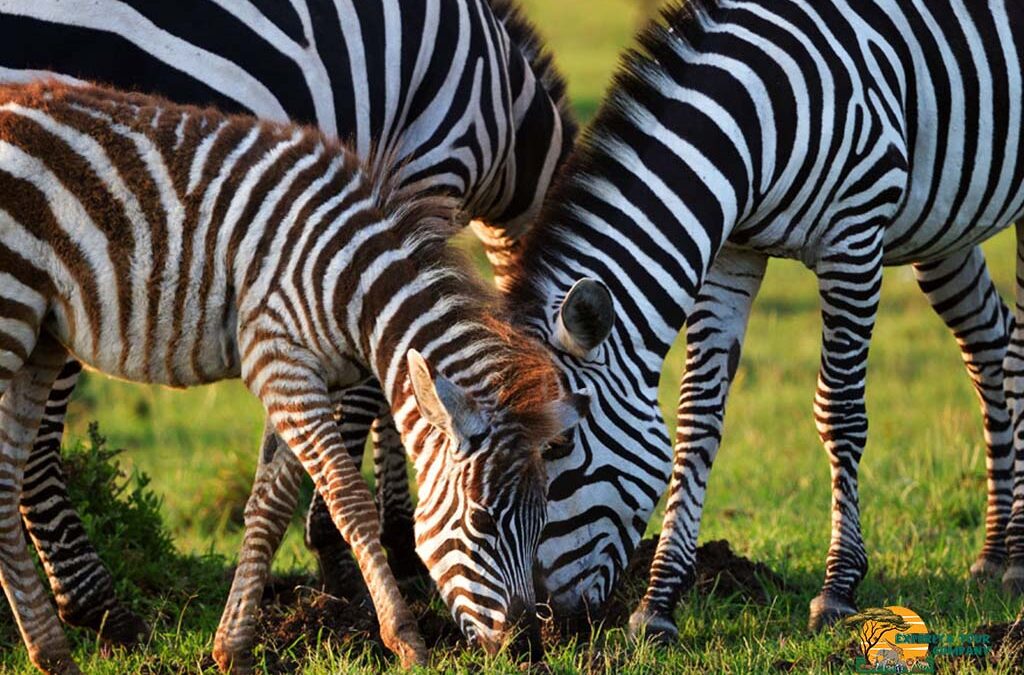
When most travelers imagine East Africa, legendary destinations such as the Maasai Mara, Serengeti, and Ngorongoro Crater immediately come to mind. These iconic landscapes certainly deserve their reputation, offering dramatic wildlife encounters and classic safari scenes. However, beyond these well-known parks lies another side of East Africa—one that remains quieter, more intimate, and refreshingly untouched.
Scattered across the region are lesser-known wildlife destinations where nature flourishes away from crowds. These hidden gems reward travelers with deeper connections to the land, rare species sightings, and a sense of true wilderness. For wildlife enthusiasts seeking authenticity, tranquility, and discovery, East Africa’s off-the-beaten-path parks offer unforgettable experiences.
This guide explores some of East Africa’s most remarkable hidden wildlife gems—places where nature reveals itself in its purest and most captivating form.
Rwenzori Mountains National Park, Uganda
Often overshadowed by Uganda’s more famous primate destinations, Rwenzori Mountains National Park offers a strikingly different wildlife experience. Rising dramatically along the Uganda–DR Congo border, the park blends rugged mountains, dense tropical forests, and rare alpine vegetation into one breathtaking landscape.
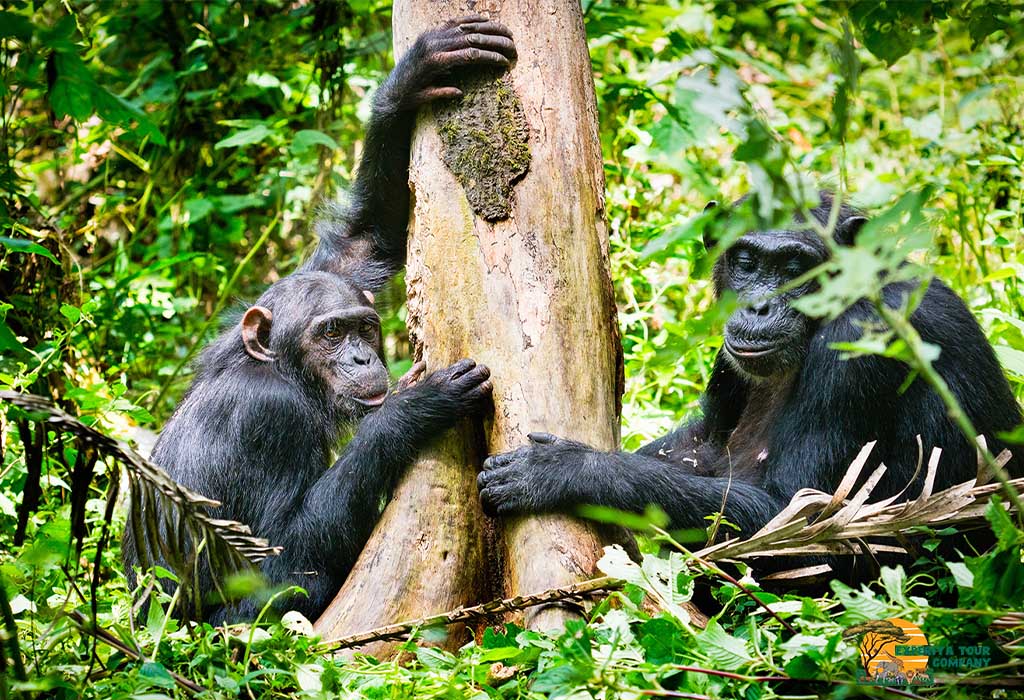
Visitors encounter unique wildlife found nowhere else, including endemic species adapted to the park’s high elevations. Chimpanzees move through the forest canopy, while giant forest hogs and golden monkeys inhabit the lower slopes. The surrounding ecosystem also supports mountain gorillas in nearby areas, adding to the region’s biodiversity.
In addition to mammals, the park attracts bird enthusiasts with over 200 recorded species, including the striking Rwenzori turaco. Meanwhile, hikers and trekkers enjoy world-class routes that wind through misty forests and lead toward snow-capped peaks, creating an experience where wildlife, scenery, and adventure seamlessly intertwine.
The best time to explore the park falls between June and September, when drier conditions make trekking more accessible, although the lush scenery remains enchanting year-round.
Selous Game Reserve, Tanzania
In southern Tanzania, Selous Game Reserve stands as one of Africa’s largest protected areas and one of its most underrated. Far removed from the busier northern circuit, Selous offers a sense of vastness and solitude that few places can match.
Its diverse ecosystems—ranging from open savannahs and woodlands to wetlands and riverine forests—support impressive wildlife populations. Elephants roam freely, while lions, buffalo, giraffes, and numerous antelope species thrive throughout the reserve. What truly sets Selous apart, however, is the Rufiji River. Boat safaris along its channels allow visitors to observe hippos, crocodiles, and water birds from a unique perspective.
Guided walking safaris further enhance the experience by placing travelers on foot, where every sound, track, and movement brings the bush to life. With fewer visitors overall, Selous delivers a deeply immersive safari that feels both raw and exclusive.
Wildlife viewing peaks during the dry season from June to October, when animals gather near water sources and sightings become more frequent.
Kidepo Valley National Park, Uganda
Tucked away in northeastern Uganda, Kidepo Valley National Park remains one of East Africa’s most remote and rewarding safari destinations. Its isolation preserves an authentic wilderness atmosphere that feels worlds away from heavily visited parks.
The park boasts exceptional wildlife diversity, including species rarely seen elsewhere in Uganda. Cheetahs sprint across open plains, bat-eared foxes hunt at dusk, and African wild dogs occasionally roam the valleys. Lions, elephants, giraffes, zebras, and buffalo also thrive here, creating dynamic game-viewing opportunities.
Beyond wildlife, Kidepo’s scenery captivates visitors with sweeping savannahs, rugged mountains, and wide valleys that glow in golden light. Birdlife flourishes as well, with more than 475 species recorded, making the park a standout destination for birdwatchers.
The dry season from December to February offers the best conditions for game viewing, as animals concentrate around remaining water sources.
Mkomazi National Park, Tanzania
Near Tanzania’s northeastern border with Kenya lies Mkomazi National Park, a quietly remarkable conservation success story. Known for its arid landscapes and dramatic hills, the park delivers a safari experience unlike the lush plains of other regions.
Mkomazi plays a crucial role in black rhino conservation, offering one of the region’s best opportunities to see this critically endangered species. In addition, desert-adapted wildlife such as gerenuk, oryx, and Grant’s gazelle thrive here, alongside elephants, giraffes, and predators.
Birdlife adds another layer of interest, with over 400 species recorded across the park’s varied habitats. Because Mkomazi receives relatively few visitors, it provides a peaceful, uncrowded safari environment that appeals to travelers seeking solitude and meaningful wildlife encounters.
The dry months from June to October offer optimal viewing conditions as animals gather near limited water sources.
Lake Nakuru National Park, Kenya
Although Lake Nakuru National Park enjoys international recognition for its flamingos, it often takes a backseat to Kenya’s larger safari destinations. Despite its size, the park delivers exceptional wildlife viewing within a compact and scenic setting.
The lake famously attracts vast flocks of flamingos when conditions allow, transforming the shoreline into a shimmering pink spectacle. Beyond birds, the park protects both black and white rhinos, offering excellent chances to observe these endangered animals at close range.
Visitors also encounter lions, leopards, giraffes, zebras, and a wide variety of bird species. Surrounding escarpments, woodlands, and panoramic viewpoints create a visually rich environment that enhances every game drive.
The dry season from June to September favors general wildlife viewing, while the rainy months often attract larger numbers of flamingos.
Aberdare National Park, Kenya
Rising high in central Kenya, Aberdare National Park reveals a dramatically different side of safari life. Dense forests, mist-covered mountains, deep ravines, and cascading waterfalls define this cool, high-altitude landscape.
The park shelters rare and elusive species such as the mountain bongo, giant forest hog, and black-and-white colobus monkey. At night, wildlife frequently visits forest watering holes, offering unforgettable viewing experiences from nearby lodges.
Aberdare’s elevation provides a refreshing contrast to lowland savannahs, making it an ideal destination for travelers seeking cooler temperatures and lush scenery. While wildlife remains visible year-round, the dry season from June to September offers the most reliable conditions for exploration.
Conclusion
East Africa’s iconic safari destinations will always captivate travelers, but its hidden wildlife gems offer something equally powerful—authenticity, solitude, and a deeper connection to nature. From misty mountain forests and remote valleys to arid plains and quiet lakeshores, these lesser-known parks showcase the region’s extraordinary diversity.
For travelers willing to venture beyond the familiar, these destinations reveal East Africa at its most raw and rewarding. Whether you seek adventure, peaceful immersion, or rare wildlife encounters, these hidden gems promise unforgettable moments and lasting memories in some of the continent’s most untouched landscapes.
