

Visit The Islands of Lake Victoria: East Africa’s Hidden Gems
December 30, 2025
The Hidden Wildlife Gems of East Africa: Uncovering Nature’s Best-Kept Secrets
December 31, 2025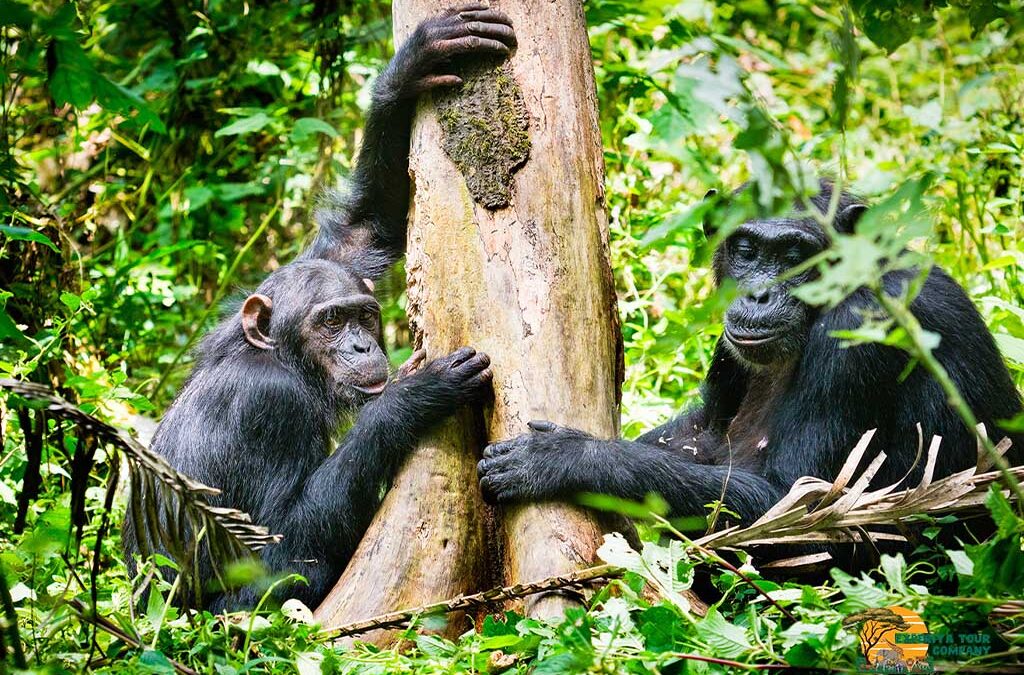
Kibale National Park, located in southwestern Uganda, stands out as one of the country’s most captivating wildlife destinations. Thanks to its diverse ecosystems that range from dense tropical rainforest to wetlands and grassland edges, the park offers an unforgettable experience for nature lovers. However, what truly sets Kibale apart is not only its lush scenery, but the incredible variety of animals that thrive within its boundaries.
From playful chimpanzees swinging through the canopy to colorful birds and elusive forest mammals, Kibale National Park teems with life. In this guide, we explore the animals you can see in Kibale and explain why it remains one of Uganda’s must-visit wildlife destinations.
Why Is Kibale National Park So Famous for Its Wildlife?
Kibale National Park proudly earns its nickname as the “Primate Capital of the World.” This reputation comes from its exceptional biodiversity and, more specifically, its remarkable concentration of primates. The park protects a mosaic of habitats, including rainforest, swamp, and grassland, which together support a wide range of wildlife species.
Moreover, Kibale hosts one of the highest primate diversities in Africa. Beyond primates, the park shelters hundreds of bird species, several mammals, reptiles, amphibians, and countless insects. As a result, every walk through the forest feels alive with movement and sound.
What Primate Species Can You See in Kibale National Park?
Chimpanzees – The Star Attraction
Without question, chimpanzees represent the most famous animals in Kibale National Park. The forest is home to an estimated 1,500 chimpanzees, making it one of the largest chimpanzee populations in East Africa. Because chimpanzees share much of their DNA with humans, observing them in the wild offers a deeply moving and educational experience.
Why Is Chimpanzee Trekking So Popular in Kibale?
Chimpanzee trekking ranks among the most sought-after activities in the park. During guided treks, visitors venture deep into the forest in search of habituated chimpanzee groups. Along the way, experienced guides help track their movements and interpret their behaviors.
Typically, a trek lasts between three and five hours, depending on the chimps’ location. Although the hike can be physically demanding, the reward is immense. Watching chimpanzees communicate, groom each other, and forage in their natural environment creates a lasting impression.
Other Primate Species in Kibale
In addition to chimpanzees, Kibale supports an impressive variety of other primates. In fact, the park protects thirteen primate species, making it a dream destination for primate enthusiasts.
As you walk through the forest, you may spot red-tailed monkeys leaping through the canopy, easily recognized by their reddish fur and expressive faces. Black-and-white colobus monkeys also stand out, thanks to their flowing white tails and striking contrast against the green forest backdrop. Grey-cheeked mangabeys often move in noisy groups, especially in lowland areas, while the rare L’Hoest’s monkeys quietly navigate dense vegetation.
Additionally, olive baboons sometimes appear near forest edges and open areas. Altogether, these primates ensure that nearly every forest walk offers exciting sightings.
What Mammals Can You Spot in Kibale National Park?
Forest Elephants
Although sightings remain rare, Kibale National Park does support a population of forest elephants. These elephants are smaller and more elusive than their savannah relatives, and they prefer thick forest cover. If you are extremely lucky, you may encounter them in remote sections of the park or during night activities.
Antelopes and Other Mammals
Kibale also shelters several antelope species that favor forest clearings and grassland edges. Uganda kob often graze in more open areas, while bushbucks prefer forested habitats, where their reddish coats blend into the shadows. Small duikers move quietly through dense undergrowth and often remain hidden from view.
In addition to antelopes, the park supports other mammals such as nocturnal pottos and various small forest creatures. While some animals stay well camouflaged, patient visitors often catch glimpses during guided walks.
What Birds Can You See in Kibale National Park?
A Paradise for Bird Lovers
Kibale National Park ranks among Uganda’s top birding destinations, with more than 375 bird species recorded. Because the park includes forest, wetland, and grassland habitats, it attracts both resident and migratory birds throughout the year.
As you explore the park, you may encounter the spectacular Great Blue Turaco, easily identified by its bright blue wings and red crest. African grey parrots fly overhead with their distinctive calls, while hornbills perch high in the trees or glide between branches. Near water sources, yellow-billed ducks and other waterbirds add to the diversity.
Furthermore, the nearby Bigodi Wetland Sanctuary offers exceptional birding opportunities. This area supports rare species such as the blue-headed coucal and the white-spotted flufftail, making it a favorite stop for serious birdwatchers.
What Reptiles and Amphibians Live in Kibale?
Although mammals and birds receive most of the attention, Kibale National Park also supports a variety of reptiles and amphibians. These species play an essential role in maintaining the park’s ecological balance.
Visitors occasionally spot chameleons blending into tree branches or geckos darting across forest floors. Several snake species also inhabit the park, including pythons, though they rarely appear due to their secretive nature. Meanwhile, frogs and toads thrive in swampy areas, especially during the rainy season, when their calls echo through the forest.
What Makes Kibale’s Wildlife So Special?
Kibale’s Role in Conservation
Beyond tourism, Kibale National Park plays a vital role in wildlife conservation and scientific research. The park protects endangered species, particularly chimpanzees, and supports long-term research initiatives focused on primate behavior and forest ecology.
Importantly, conservation efforts in Kibale help safeguard habitats while supporting surrounding communities. By visiting the park, travelers directly contribute to conservation through park fees, which fund wildlife protection and research programs.
Best Time to Visit Kibale National Park for Wildlife Viewing
You can visit Kibale National Park throughout the year. However, the dry seasons from June to September and from December to February offer the best wildlife viewing conditions. During these months, trails remain more accessible, and animals become easier to spot as they move toward water sources.
Why Kibale National Park Belongs on Your Wildlife Bucket List
Kibale National Park offers one of the most rewarding wildlife experiences in Uganda. Whether you trek through the forest to meet chimpanzees, scan the canopy for rare birds, or quietly observe antelopes at the forest edge, the park delivers unforgettable encounters.
With its extraordinary biodiversity and strong conservation focus, Kibale is not only a place to see wildlife, but also a destination that deepens your connection to nature. If you plan a trip to Uganda, Kibale National Park deserves a top spot on your itinerary.
FAQs About Animals in Kibale National Park
Can I see chimpanzees year-round in Kibale National Park?
Yes, chimpanzee trekking operates throughout the year. However, the dry seasons provide easier hiking conditions and better visibility.
What other animals can I see besides chimpanzees?
In addition to chimpanzees, you may see forest elephants, antelopes, baboons, numerous monkey species, and over 375 bird species.
Is Kibale suitable for family wildlife tours?
Yes, Kibale offers family-friendly experiences such as guided nature walks and birdwatching, making it suitable for travelers of different ages.
How do I get to Kibale National Park?
You can reach Kibale by road from Kampala or Fort Portal, with the drive from Kampala taking about five to six hours. Flights to nearby Fort Portal also provide convenient access.
