Gorilla Viewing Time in Rwanda
December 30, 2025
The Kasenyi Safari Experience: Uganda’s Classic Wildlife Adventure
December 30, 2025
Uganda, often called the “Pearl of Africa,” offers some of the most incredible wildlife experiences in the world, including encounters with mountain gorillas, chimpanzees, and other fascinating primates. While many think of gorilla trekking and primate safaris as expensive adventures, budget-friendly options exist for travelers who plan carefully. With smart choices in permits, accommodation, and transport, you can witness these awe-inspiring creatures without overspending. Here’s your guide to a cost-effective ape safari in Uganda.
Discover Uganda’s Ape Hotspots
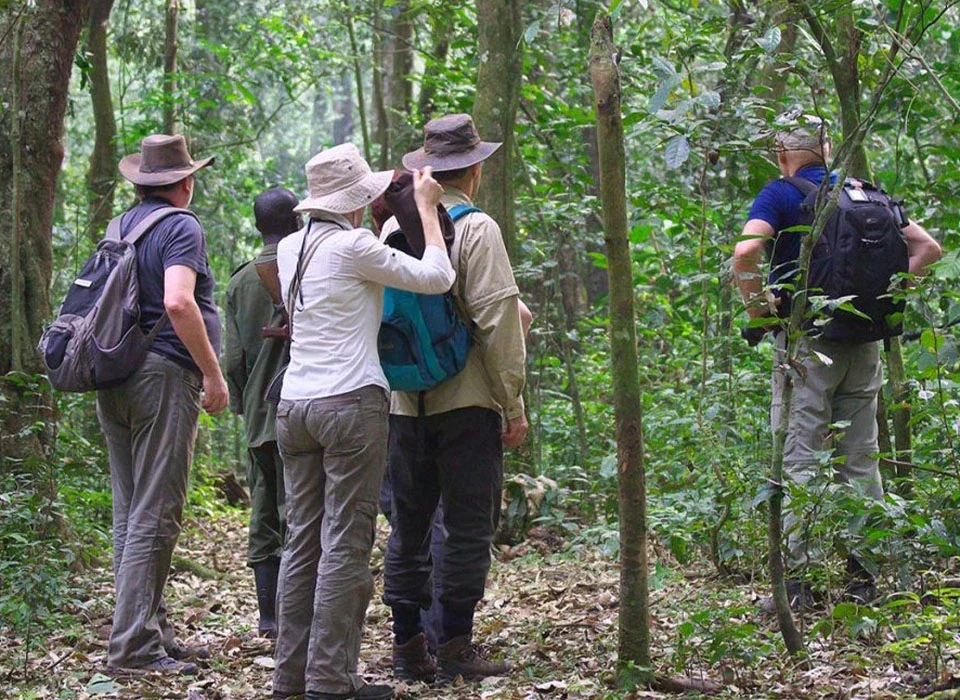
Uganda is home to two iconic ape species: the endangered mountain gorilla and the playful chimpanzee. Some of the best places to see them include:
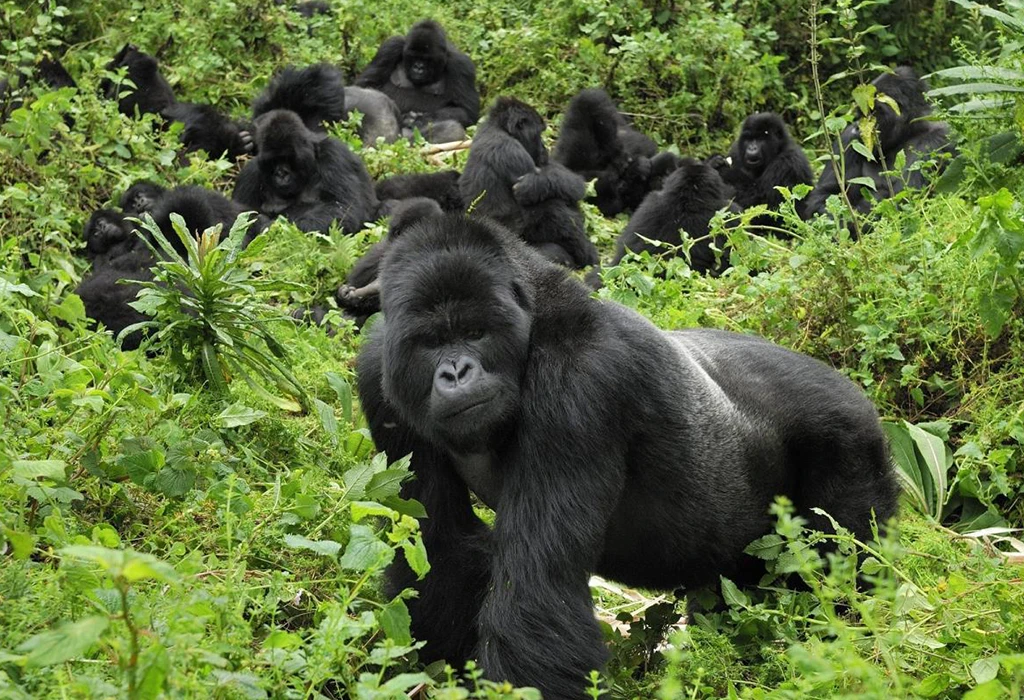
- Bwindi Impenetrable National Park: The top destination for gorilla trekking.
- Kibale Forest National Park: Known as the “primate capital of the world,” home to 13 primate species, including chimpanzees.
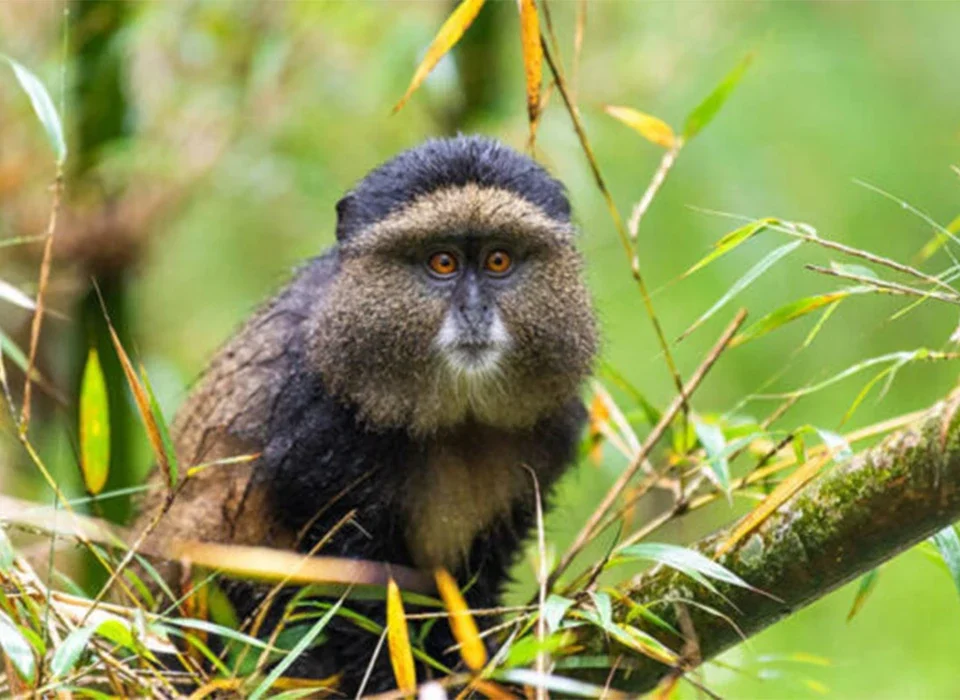
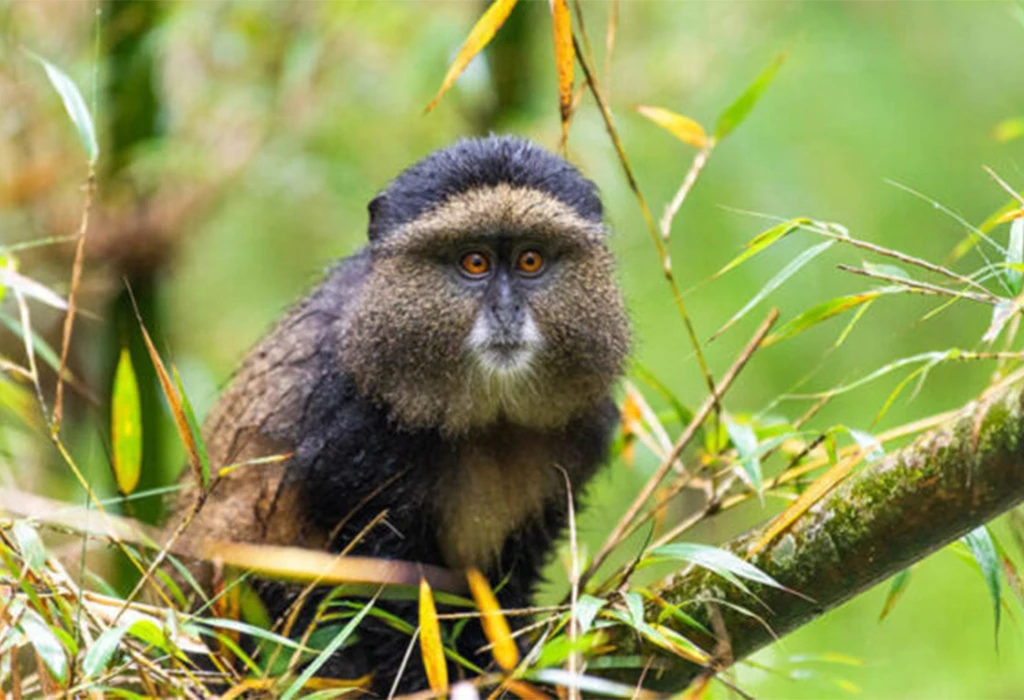
- Mgahinga Gorilla National Park: Offers gorilla trekking and golden monkey sightings.
- Kyambura Gorge (Queen Elizabeth National Park): A scenic spot for chimpanzee trekking.
With the right planning, all these experiences can fit into a budget safari itinerary.
Budget Gorilla Trekking in Bwindi
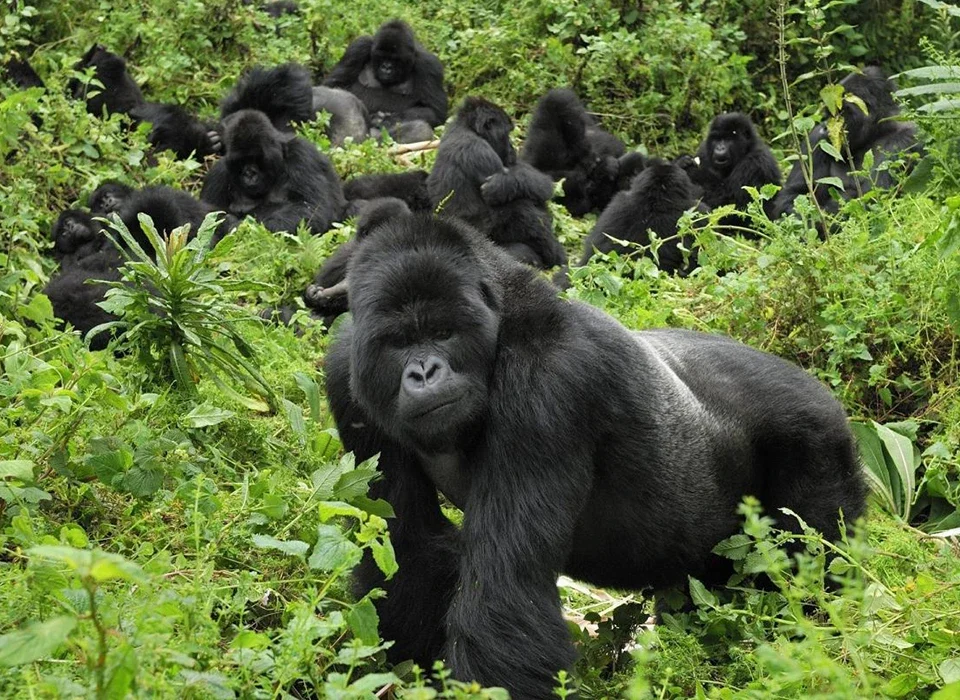
Gorilla trekking is the highlight of any Ugandan safari. Here’s how to make it affordable:
Affordable Accommodation
Budget lodges and camps near Bwindi include Broadbill Forest Camp, Buhoma Community Rest Camp, and Ride 4 a Woman. These provide basic but comfortable facilities, often with shared amenities.
Group Tours and Transport
Joining a group safari helps split the cost of transport and guides. Public buses from Kampala to Kisoro or Buhoma offer an inexpensive way to reach the park, while shared 4×4 vehicles through tour operators provide a bit more comfort.
Chimpanzee Trekking in Kibale
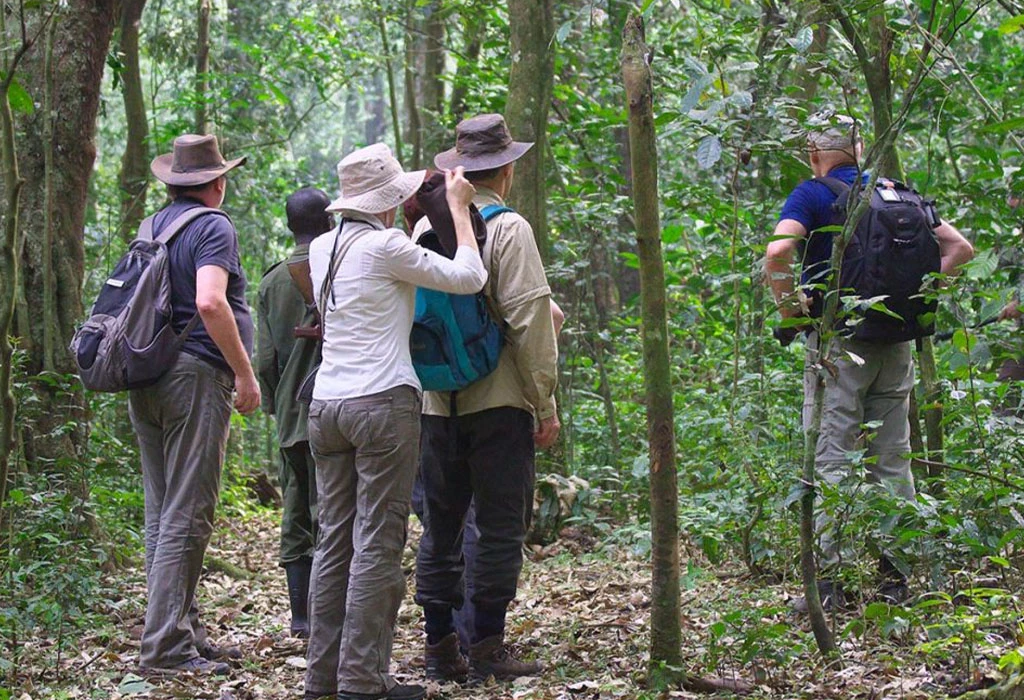
Kibale Forest is the ideal place to observe chimps in the wild.
Budget Lodges and Camping
Affordable lodges near Kibale include Chimpanzee Forest Guesthouse, Kitojo Guest Cottages, and Rweteera Safari Park. Camping options are available at some lodges, making the trip even more cost-effective.
Combining Activities
Kibale also offers the Bigodi Wetlands Walk for $40, allowing you to pair chimpanzee trekking with a cultural and ecological experience, maximizing your visit without spending extra.
Transport Tips
Public minibusses (matatus) connect major towns like Fort Portal to Kibale. They are slow but inexpensive, perfect for independent travelers.
Combining Gorilla and Chimpanzee Trekking
Travelers who want both experiences can combine Bwindi and Kibale in a single trip. Many budget operators offer multi-day itineraries that include group transport, budget accommodation, and discounted activities.
Sample 5-Day Budget Itinerary:
- Day 1: Travel from Kampala to Kibale Forest National Park.
- Day 2: Chimpanzee trekking and Bigodi Wetlands Walk.
- Day 3: Transfer to Bwindi Impenetrable National Park.
- Day 4: Gorilla trekking in Bwindi.
- Day 5: Return to Kampala or Entebbe.
Other Budget Ape-Watching Destinations
- Kyambura Gorge (Queen Elizabeth National Park): Chimpanzee permits cost $50–$60, with budget accommodations like Pumba Safari Cottages.
- Mgahinga Gorilla National Park: Offers gorilla permits at $700. Budget-friendly stays include Amajambere Iwacu Community Camp. Golden monkey tracking ($60 permit) adds a unique twist to your safari.
Tips for a Cost-Effective Safari
- Travel Off-Season: April, May, and November often bring discounts on accommodation and activities. Fewer crowds make trekking even more enjoyable.
- Stay in Community Lodges: Lodges like Buhoma Community Rest Camp are cheaper and support local communities.
- Pack Smart: Bring your own hiking boots, rain gear, reusable water bottles, and snacks to avoid extra costs.
- Book Early: Gorilla permits sell out quickly. Advance booking ensures availability and better prices.
- Limit Extras: Stick to essential activities and meals to keep your budget under control.
Gorilla Trekking Regions in Bwindi
Bwindi is divided into four sectors, each offering a unique experience:
- Buhoma Sector: Accessible, popular, and home to some of the oldest habituated gorilla groups.
- Ruhija Sector: Quiet trails with breathtaking views, ideal for bird watchers.
- Nkuringo Sector: Physically challenging, suited for adventurous trekkers.
- Rushaga Sector: Houses the largest number of habituated gorilla groups.
Gorilla Habituation Experience: For a more intimate encounter, visitors can spend four hours with gorillas ($1,500), though this is beyond most budgets.
Other Primate Opportunities
Uganda has 20 primate species, making it a paradise for wildlife enthusiasts:
- Golden Monkey Tracking: Mgahinga Gorilla National Park ($60 permit).
- L’Hoest’s Monkeys: Common in Bwindi and Kibale.
- Olive Baboons: Often seen in open savannahs, such as Queen Elizabeth National Park.
Cultural Experiences to Enrich Your Safari
- Batwa Cultural Experience: Meet the Batwa pygmies near Bwindi and learn about their forest-dwelling lifestyle.
- Bigodi Wetlands Community Walk: Explore local communities, interact with residents, and discover daily life in rural Uganda.
Packing Essentials for Ape Safaris
- Clothing: Lightweight, long-sleeved shirts and trousers to avoid insect bites.
- Rain Gear: Essential for rainforest trekking.
- Hiking Boots: Non-negotiable for slippery trails.
- Daypack: Carry water, snacks, and camera equipment.
- Insect Repellent & Gloves: Protects against bugs and helps navigate dense vegetation.
Responsible and Ethical Tourism
- Keep a distance of at least 7 meters from apes.
- Avoid flash photography to protect their eyes.
- Minimize noise and do not disturb the animals.
- Carry out all trash and choose operators that contribute to conservation efforts.
Transport Options for Budget Travelers
- Public Transport: Minibusses and buses connect major towns.
- Shared Safari Vans: Group tours split costs among participants.
- Car Rentals: Affordable in Kampala; 4×4 vehicles are recommended for rough terrain.
Wildlife Beyond Apes
Uganda offers a variety of other wildlife experiences:
- Tree-Climbing Lions: Found in Ishasha, Queen Elizabeth National Park.
- Game Drives: Spot elephants, buffaloes, and antelopes in Queen Elizabeth or Murchison Falls.
- Bird Watching: Over 1,000 species, including Kazinga Channel and Bigodi Wetlands.
Affordable Dining Options
Eat like a local to save money:
- Rolex: A rolled chapati with eggs and vegetables.
- Luwombo: Meat or vegetables steamed in banana leaves.
- Matoke: Boiled green bananas, a Ugandan staple.
Health, Safety, and Budget Tips
- Vaccinations: Yellow fever is required.
- Malaria Prevention: Use medication and repellent.
- Fitness: Trekking is demanding; light training before your trip is helpful.
Alternatives to Gorilla Trekking
- Chimpanzee Trekking: $200, more affordable.
- Golden Monkey Tracking: $60, unique experience.
- Nature Walks: Observe wildlife on budget-friendly trails.
Money Matters
- Currency: Ugandan Shilling (UGX) is used locally.
- Credit Cards: Accepted in towns; cash is needed in remote areas.
- Tipping: Recommended for guides, porters, and lodge staff.
Visa and Entry
- E-Visa: $50 online.
- East African Tourist Visa: $100, valid for Uganda, Kenya, and Rwanda.
Best Time to Visit
- Dry Season (June–August, December–February): Ideal for trekking.
- Low Season (March–May, October–November): Cheaper accommodations, though rain is more likely.
Supporting Gorilla Conservation
Your visit directly contributes to conservation:
- Permit Fees: Support anti-poaching, park management, and community projects.
- Community Lodges: Ensure tourism benefits reach local residents.
Conclusion
Budget safaris to see apes in Uganda offer an extraordinary chance to encounter some of the planet’s most remarkable primates without overspending. From the majestic mountain gorillas of Bwindi to the lively chimpanzees of Kibale, Uganda provides unforgettable wildlife experiences for all types of travelers. With careful planning, savvy choices, and a sense of adventure, you can enjoy an authentic safari, explore local cultures, and create memories that will last a lifetime.