
Top Wildlife Encounters at Lake Mburo
December 29, 2025
Exploring Caves and Waterfalls in East Africa
December 29, 2025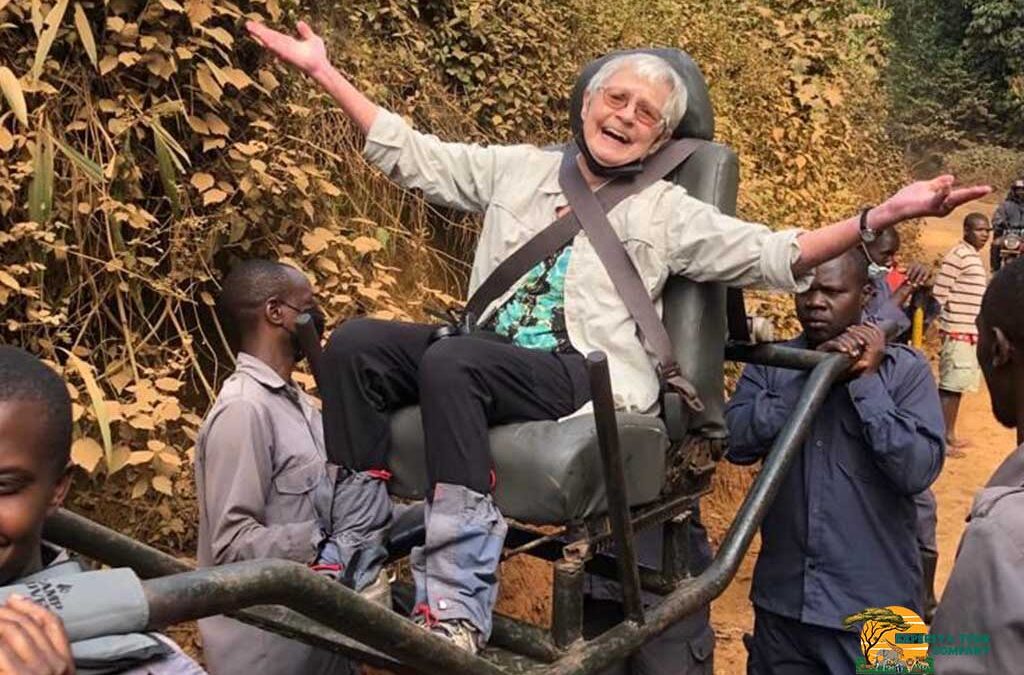
Requesting a sedan chair or a porter for a trek especially for gorilla trekking or other demanding mountain excursions requires thoughtful preparation and clear communication. Fortunately, limited mobility, health concerns, or fitness challenges should never stop you from experiencing the magic of wildlife encounters in their natural habitats.
Whether you need help carrying your gear to conserve energy or require a sedan chair for the entire trek, these support services make trekking more accessible, safe, and enjoyable. With proper planning, you can ensure a smooth and memorable experience from start to finish.
Understanding Sedan Chair and Porter Services
Before making arrangements, it helps to understand how these services work and how they enhance your trekking experience.
What Is a Porter?
Porters are trained local guides hired to carry your backpack, camera equipment, water, lunch, and other personal items. By trekking without extra weight, you conserve energy and reduce physical strain, allowing you to focus on the scenery and wildlife rather than fatigue.
Importantly, porter services benefit everyone not only those with physical challenges. Many fit travelers hire porters simply to make the hike more comfortable while also supporting local communities.
What Is a Sedan Chair?
In some destinations, people also refer to sedan chairs as stretchers or carrying chairs. These chairs provide a vital mobility solution for travelers who cannot walk long distances or navigate steep terrain.
A typical sedan chair consists of a sturdy seat fitted with safety features such as seat belts and support handles. A team of four to six experienced porters carries the chair and rotates throughout the trek to manage fatigue and terrain challenges safely.
Availability and logistics vary depending on the destination whether in Uganda, Rwanda, or other mountainous regions but the booking process generally follows similar steps.
What to Do Before You Book
Communicate Early and Honestly
The most important step in securing a sedan chair or porter is early and open communication. As soon as you inquire about your trek, clearly explain any fitness concerns, mobility limitations, or medical conditions you may have.
Although some travelers worry that disclosing physical challenges might disqualify them, the opposite is true. Honest communication allows planners to assess what is feasible and arrange appropriate support to ensure your comfort and safety.
Share Essential Booking Details
Provide Clear and Specific Information
When requesting assistance, provide detailed information to help with proper planning. Start by sharing your preferred travel dates, as availability for sedan chairs and porters can fluctuate with demand and season.
Next, specify the size of your group. If more than one traveler requires assistance, mention this early so adequate resources can be arranged.
Most importantly, describe your mobility concerns clearly. Instead of saying “fitness issues,” explain whether you struggle with steep descents, long distances, balance, or complete mobility. This clarity ensures the right level of support is arranged and communicated to park authorities.
Book Well in Advance
Why Early Planning Matters
Timing plays a critical role, especially when arranging a sedan chair. These services require coordination with park authorities, porter teams, and sometimes special permissions or equipment transport to trailheads.
Ideally, make your request during the initial booking stage. As a general guideline, allow at least four to eight weeks’ notice for sedan chair arrangements. During peak seasons, even earlier planning greatly increases availability and reduces stress.
Discuss and Understand All Costs
Ensure Financial Transparency
Before confirming your trek, request a full breakdown of costs associated with porter or sedan chair services. Knowing what you’re paying for upfront helps you budget confidently and avoid last-minute surprises.
Sedan chair services typically cost between $300 and $500, depending on trek difficulty, duration, and the number of porters required. This fee compensates the entire team responsible for carrying you safely through challenging terrain.
Porter services for carrying gear are far more affordable, usually ranging from $15 to $30 per day. Many travelers hire one or two porters even without mobility concerns, as the service greatly enhances comfort while supporting local livelihoods.
Clarify whether these fees are paid in advance or directly on the trek day.
Confirm Special Requirements or Preferences
If you have additional needs, communicate them during planning. For example, you may request frequent rest stops, particularly experienced porters, or reassurance about handling specific trail conditions.
Addressing these preferences early allows for smoother coordination and a more personalized trekking experience.
What to Expect on the Day of the Trek
Pre-Trek Briefing and Final Confirmation
On the morning of your trek, you will attend a mandatory briefing at the park headquarters. During this session, rangers explain trekking rules, safety guidelines, and gorilla behavior.
At this point, officials confirm your porter or sedan chair arrangements. They verify the number of porters assigned and ensure that all equipment is ready. This is also your chance to ask last-minute questions and mentally prepare for the journey ahead.
Hiring a Porter on the Spot
Even if you didn’t pre-book a porter, you can still hire one during the morning briefing. Porters gather at the headquarters specifically for this purpose.
This option proves helpful if the terrain seems more challenging than expected or if you decide you’d prefer extra support after hearing the trek details. However, pre-arranging remains the best way to guarantee availability and budget clarity.
Understanding Sedan Chair Logistics
If you use a sedan chair, your porter team will introduce themselves and explain how the process works. They will demonstrate how to get in and out of the chair safely, describe how they communicate during the trek, and explain the safety features.
The experience relies on teamwork and trust. Remaining still during movement helps maintain balance, while clear communication ensures your comfort. If you feel uncomfortable at any point, speak up immediately the team will adjust accordingly.
Conclusion
Requesting a sedan chair or porter for a trek becomes straightforward when you plan early, communicate clearly, and understand the process. By sharing your needs upfront, allowing enough preparation time, clarifying costs, and knowing what to expect on trek day, you set yourself up for a smooth and fulfilling experience.
Most importantly, remember that these services exist to make extraordinary wildlife encounters accessible to travelers of all abilities. With the right support in place, you can focus on the unforgettable moment of meeting mountain gorillas or exploring dramatic landscapes without letting mobility concerns hold you back.