
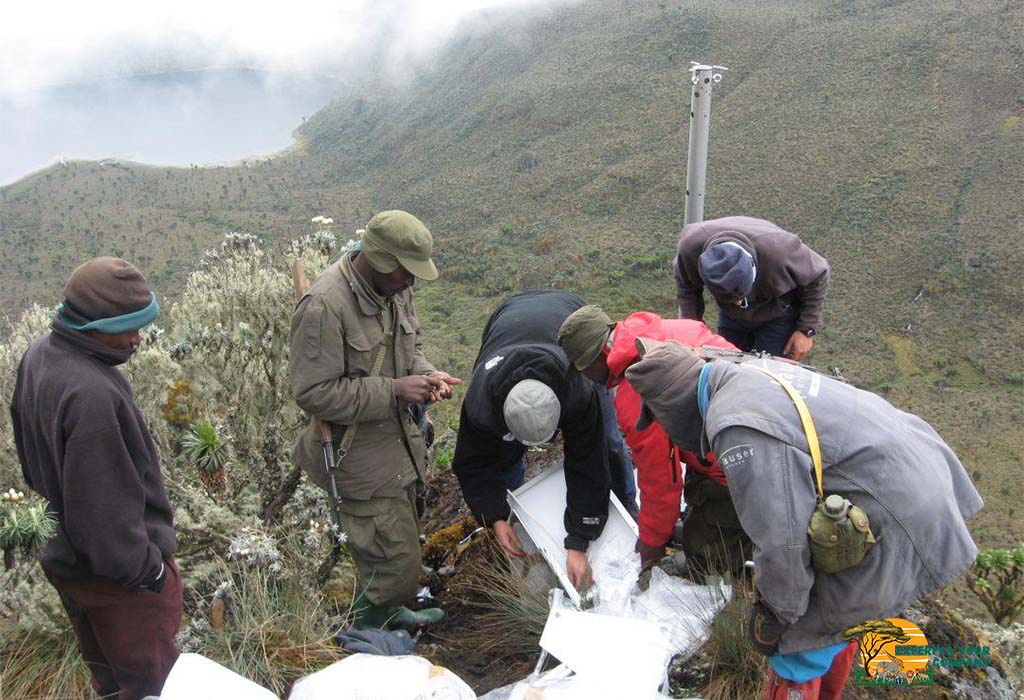
Mount Rwenzori National Park Adventures
December 29, 2025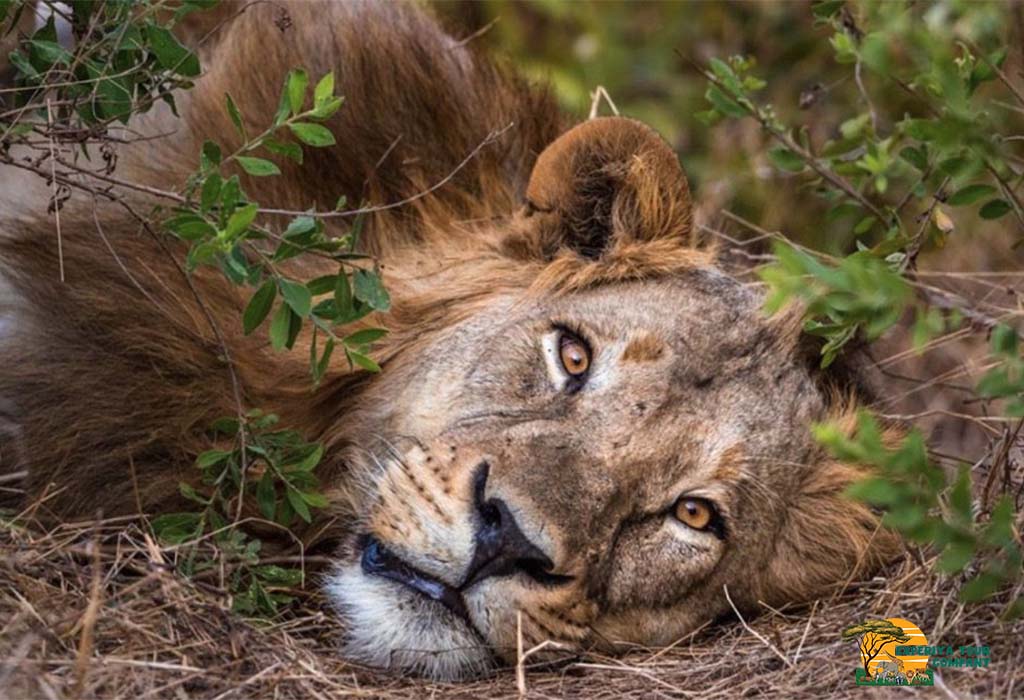
How to Choose a Safari Destination for January 2026
December 29, 2025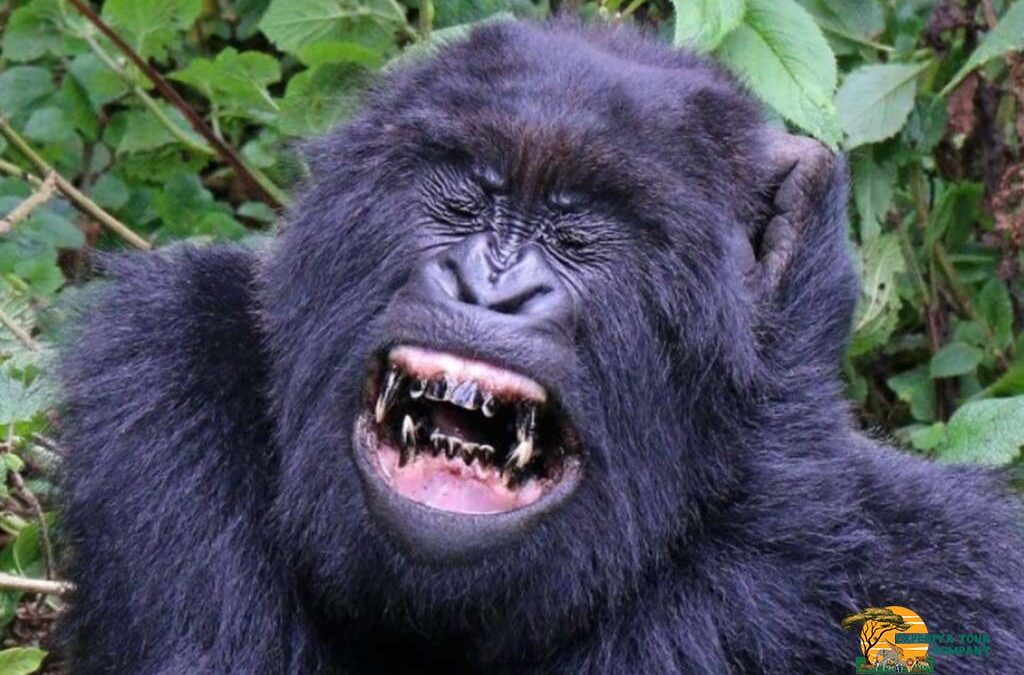
Mountain gorillas are among Africa’s most iconic and endangered wildlife species. These great apes live only in a few protected forested regions of East and Central Africa, making them one of the rarest mammals on Earth. Today, mountain gorillas inhabit Bwindi Impenetrable National Park and Mgahinga Gorilla National Park in Uganda, Volcanoes National Park in Rwanda, and Virunga National Park in the Democratic Republic of Congo.
Although conservation efforts have improved their numbers over recent decades, mountain gorillas remain endangered and face ongoing threats that could reverse this progress. Understanding these challenges is critical to ensuring their long-term survival.
How Many Mountain Gorillas Exist Today?
According to recent population surveys, the global population of mountain gorillas stands at just over 1,000 individuals. This number represents a significant improvement compared to the late 20th century, when fewer than 700 mountain gorillas remained.
However, despite this positive trend, the species is still classified as Endangered on the IUCN Red List. Their limited range, slow reproduction rate, and vulnerability to human activity mean they remain at high risk if conservation efforts weaken.
Why Mountain Gorillas Face the Risk of Extinction
Although mountain gorillas are intelligent, powerful animals sharing approximately 98% of their DNA with humans, they cannot survive without strong protection. Several interconnected factors continue to threaten their existence.
Rapid Human Population Growth and Habitat Pressure
First and foremost, human population growth around protected areas places enormous pressure on gorilla habitats. As communities expand, people clear forests for farming, settlement, and infrastructure.
As a result, gorillas are often pushed deeper into mountainous terrain where food becomes scarce and survival more difficult. In some cases, gorillas wander into community gardens, leading to dangerous human-wildlife conflict. Unfortunately, these encounters sometimes result in gorillas being injured or killed.
Poaching and Illegal Wildlife Activities
Although people rarely target mountain gorillas directly for bushmeat, poaching still poses a serious threat. Snares set for other animals frequently injure or kill gorillas, especially young ones.
Moreover, illegal activities such as charcoal burning, timber harvesting, and mining bring people into gorilla habitats. These activities not only destroy forests but also increase the likelihood of violent encounters between humans and wildlife.
Political Instability and Armed Conflict
In addition, political instability and armed conflict, particularly in eastern Congo, have had devastating effects on mountain gorillas. During periods of unrest, conservation efforts often collapse, leaving wildlife vulnerable.
Armed groups may occupy protected areas, and rangers may be forced to abandon patrols. Tragically, several mountain gorillas have been killed during conflicts, either intentionally or as collateral damage. Without peace and stability, protecting these apes becomes extremely difficult.
Disease Outbreaks and Health Risks
Another major threat to mountain gorillas is disease, especially illnesses transmitted by humans. Because gorillas share so much genetic similarity with people, they are highly susceptible to human respiratory infections.
Diseases such as flu, pneumonia, and COVID-19 can spread rapidly among gorilla families. Additionally, outbreaks of Ebola virus in Central Africa have caused massive losses among great ape populations, weakening immune systems and leading to sudden deaths.
Thankfully, strict gorilla trekking regulations now help reduce these risks. Sick visitors are prohibited from trekking, group sizes are limited, and visitors must maintain a safe distance from the gorillas.
Deforestation and Environmental Degradation
Furthermore, deforestation continues to threaten mountain gorilla habitats. Local communities often rely on forests for firewood, building materials, and farmland.
As trees disappear, gorillas lose vital feeding grounds and shelter. Consequently, habitat fragmentation isolates gorilla families, making breeding more difficult and increasing stress levels. Over time, this habitat loss weakens the entire population.
Lack of Awareness and Education
In many regions, limited conservation awareness still contributes to gorilla decline. Some community members and poachers do not fully understand the ecological, economic, and cultural importance of mountain gorillas.
Without proper education, people may prioritize short-term survival needs over long-term conservation. However, community outreach programs have proven that when local people benefit from tourism and conservation, they become strong protectors of wildlife.
Ranger Capacity and Conservation Challenges
Although wildlife rangers work tirelessly to protect mountain gorillas, limited funding and resources sometimes hinder their effectiveness. Inadequate training, poor equipment, and dangerous working conditions reduce patrol coverage.
Despite these challenges, ranger teams continue to play a vital role in monitoring gorilla health, removing snares, enforcing laws, and protecting habitats. Strengthening ranger capacity remains essential for long-term conservation success.
The Role of Gorilla Trekking in Conservation
Despite these threats, there is hope. Gorilla trekking has become one of the most powerful conservation tools in Africa. Revenue from trekking permits directly supports park management, ranger salaries, veterinary care, and community development.
Moreover, tourism creates jobs and provides local communities with sustainable income alternatives. When people see real benefits from protecting gorillas, conservation becomes a shared responsibility rather than a burden.
A Shared Responsibility for the Future
In conclusion, mountain gorillas are not extinct, but they remain highly endangered. While conservation efforts have achieved remarkable success, the species still faces serious risks from habitat loss, disease, conflict, and human pressure.
Protecting mountain gorillas requires continuous commitment from governments, conservationists, local communities, and responsible travelers. By supporting conservation initiatives, respecting trekking guidelines, and promoting awareness, everyone can play a role in safeguarding these gentle giants.
With sustained effort and responsible tourism, mountain gorillas can continue to thrive in their natural habitats for generations to come.
